
Grinding machine price & cost analysis for quicklime for soil stabilization in saudi arabia
Grinding Machine Price & Cost Analysis for Quicklime in Soil Stabilization Projects in Saudi Arabia
Soil stabilization is a critical process in the construction and infrastructure development sectors across Saudi Arabia, particularly given the challenging desert and semi-arid soil conditions prevalent in the region. Quicklime (calcium oxide) is a highly effective agent for this purpose, improving soil load-bearing capacity, reducing plasticity, and enhancing durability. However, the efficacy of quicklime stabilization is intrinsically linked to the fineness and quality of the powdered lime used. This necessitates a thorough analysis of grinding equipment—a major capital expenditure that directly impacts project feasibility, operational costs, and final outcomes.
Selecting the appropriate grinding mill is not merely a purchase decision; it’s a strategic investment in the project’s long-term efficiency and profitability. This analysis delves into the key cost factors and performance considerations for grinding machines processing quicklime for soil stabilization in the Saudi market.
Key Cost Components in Grinding Machine Investment
The total cost of ownership for a grinding mill extends far beyond its initial purchase price. A comprehensive analysis must consider:
- Capital Expenditure (CAPEX): The upfront cost of the machine, auxiliary equipment (crushers, feeders, dust collectors), installation, and commissioning.
- Operational Expenditure (OPEX):
- Energy Consumption: The single largest recurring cost. Mills with higher grinding efficiency directly reduce power bills.
- Wear Parts & Maintenance: Cost and frequency of replacing grinding rollers, rings, liners, and other vulnerable components.
- Labor: Requirements for operation, routine checks, and maintenance interventions.
- Downtime: Lost production revenue during maintenance or unexpected breakdowns.
- Product Quality & Yield: A mill that produces a higher yield of on-specification fine powder (typically 200-400 mesh for soil stabilization) from the same input material improves raw material utilization and reduces waste.
- Environmental Compliance: Costs associated with dust control and noise mitigation to meet Saudi Arabia’s environmental regulations.
Technical Requirements for Quicklime Grinding in Soil Stabilization
Quicklime for soil stabilization does not require the extreme fineness needed for high-value chemical applications. However, consistent particle size distribution is crucial for uniform reaction with soil moisture. The ideal mill must offer:
- Adjustable Fineness: Ability to reliably produce powder in the 200-500 mesh range.
- Robust Construction: To handle abrasive materials with minimal wear.
- Integrated Drying: While quicklime is typically dry, some moisture absorption can occur; a mill with a drying function is advantageous.
- High System Reliability: Construction projects operate on tight schedules; equipment failure can cause significant delays.
Machinery Options and Strategic Recommendations
The market offers various grinding technologies, each with different cost profiles. Traditional Raymond mills and ball mills have lower upfront costs but often incur higher energy and maintenance costs over time. Modern vertical roller mills and advanced trapezium mills present a higher initial investment but typically demonstrate superior life-cycle cost efficiency through dramatic energy savings, higher yields, and lower wear rates.
For contractors and material suppliers in Saudi Arabia looking for an optimal balance of performance, reliability, and cost-effectiveness for medium to high-capacity quicklime production, the MTW-Z European Trapezium Mill stands out as a highly recommended solution. Its design directly addresses key cost drivers:
- Lower Energy Consumption: The low-resistance cage-type powder concentrator and large-diameter grinding roller enhance efficiency, directly reducing the largest OPEX component—electricity.
- Reduced Maintenance Costs: The innovative dilute oil lubrication system for grinding rollers is maintenance-free compared to frequent grease lubrication, lowering labor and consumable costs.
- Operational Stability: The elastic volute damping structure protects the mill from vibration damage, a critical feature for ensuring continuous, uninterrupted production on demanding project sites.
- Environmental Design: It is engineered for efficient dust collection, ensuring compliance with local environmental standards without requiring significant additional investment in filtration.
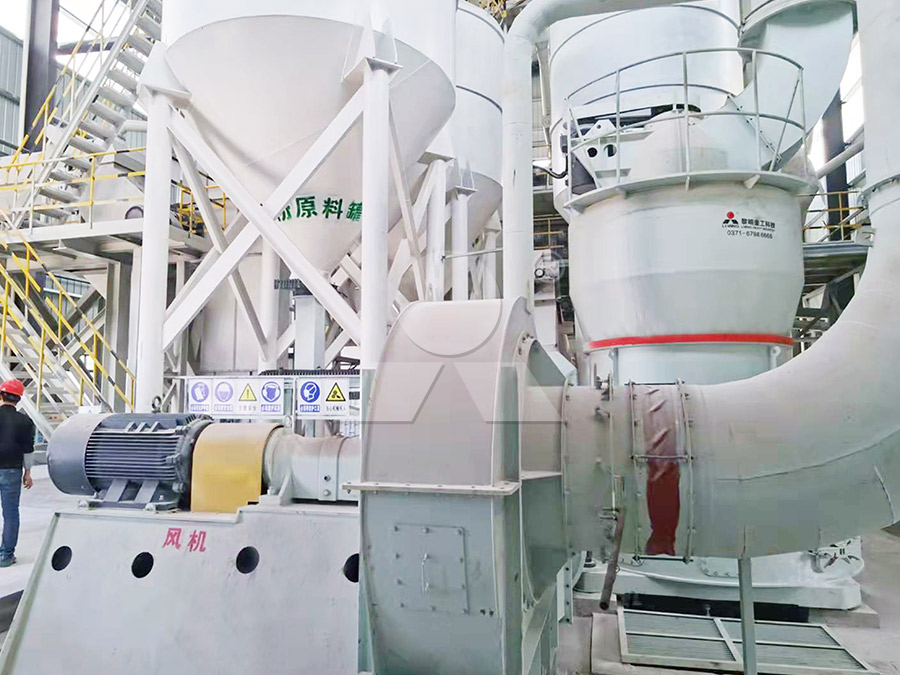
For projects requiring ultra-fine powder or where future diversification into higher-value lime products is planned, the MW Ultrafine Grinding Mill offers remarkable flexibility. Its ability to adjust fineness between 325-2500 meshes with high precision future-proofs your investment. The unique design with no rolling bearings or screws in the grinding chamber virtually eliminates common failure points, guaranteeing exceptional operational uptime and worry-free maintenance—a crucial factor for remote project sites in the Kingdom.
Conclusion: Total Cost of Ownership is Paramount
In the competitive and cost-sensitive environment of Saudi construction, the decision for grinding equipment must be based on a detailed Total Cost of Ownership (TCO) analysis over the project’s lifespan. While a lower-priced, less efficient mill may seem attractive initially, its higher energy consumption, frequent maintenance stops, and lower yield can quickly erode profitability.
Investing in advanced, energy-efficient technology like the MTW-Z or MW series mills translates into predictable operating costs, maximum production availability, and superior final product quality—all of which contribute directly to the successful and timely completion of soil stabilization projects. Partnering with a manufacturer that provides comprehensive technical support and genuine spare parts within the region further mitigates risk and ensures long-term, worry-free operation.
Frequently Asked Questions (FAQs)
- What is the typical fineness range required for quicklime in soil stabilization?
Most soil stabilization specifications require quicklime powder between 200 and 400 mesh. The reaction speed and uniformity improve with finer particles, but over-grinding can increase cost unnecessarily. - How significant is energy cost in the overall operating budget for grinding?
Energy consumption often constitutes 40-60% of the total operating cost of a grinding plant. Selecting a mill with high grinding efficiency is the most effective way to control long-term expenses. - Are there specific environmental regulations in Saudi Arabia for dust emissions from grinding plants?
Yes, the Kingdom has stringent environmental laws. Modern mills must be equipped with efficient pulse jet dust collectors to ensure particulate emissions are well below the mandated limits, avoiding fines and operational shutdowns. - What is the advantage of a dilute oil lubrication system over traditional grease lubrication?
Dilute oil lubrication, as used in the MTW-Z mill, is a sealed, automatic system. It provides better cooling and lubrication, significantly extends bearing life, and eliminates manual greasing intervals, reducing maintenance labor and risk of human error. - Can one mill handle both crushing and grinding of quicklime lumps?
Most grinding mills require feed material below a certain size (e.g., 0-50mm). A primary jaw crusher is usually needed upstream to reduce large lumps before the grinding mill for optimal efficiency and to protect the grinding components. - How does the climate in Saudi Arabia affect mill operation and maintenance?
The high ambient temperature and dust require mills with robust cooling systems, high-quality seals, and easily accessible filters. Choosing equipment designed for reliable operation in harsh conditions is essential. - What after-sales support should I look for from the equipment supplier?
Prioritize suppliers who offer local spare parts inventory, readily available technical expertise for installation and commissioning, and prompt on-site or remote troubleshooting support to minimize downtime.