
Where to buy grinding mill for cement clinker for infrastructure projects in india
Navigating the Indian Infrastructure Boom: Sourcing the Right Cement Clinker Grinding Solution
India’s infrastructure landscape is undergoing a monumental transformation. From ambitious highway networks and high-speed rail corridors to smart cities and industrial corridors, the demand for high-quality cement—the backbone of all construction—has never been higher. At the heart of cement production lies a critical process: the grinding of cement clinker into the fine powder that binds our world together. For project managers, procurement specialists, and plant operators, selecting the right grinding mill is not just a purchase; it’s a strategic investment in project timelines, cost efficiency, and final structural integrity.
The Critical Role of Clinker Grinding in Infrastructure Quality
The performance of cement in concrete—its strength, setting time, and durability—is directly influenced by the fineness and particle size distribution achieved during clinker grinding. Inconsistent or coarse grinding can lead to weaker concrete, higher cement consumption, and potential long-term maintenance issues for critical infrastructure. Therefore, the grinding equipment must deliver not only high capacity but also exceptional precision and reliability to meet the rigorous standards of large-scale projects.
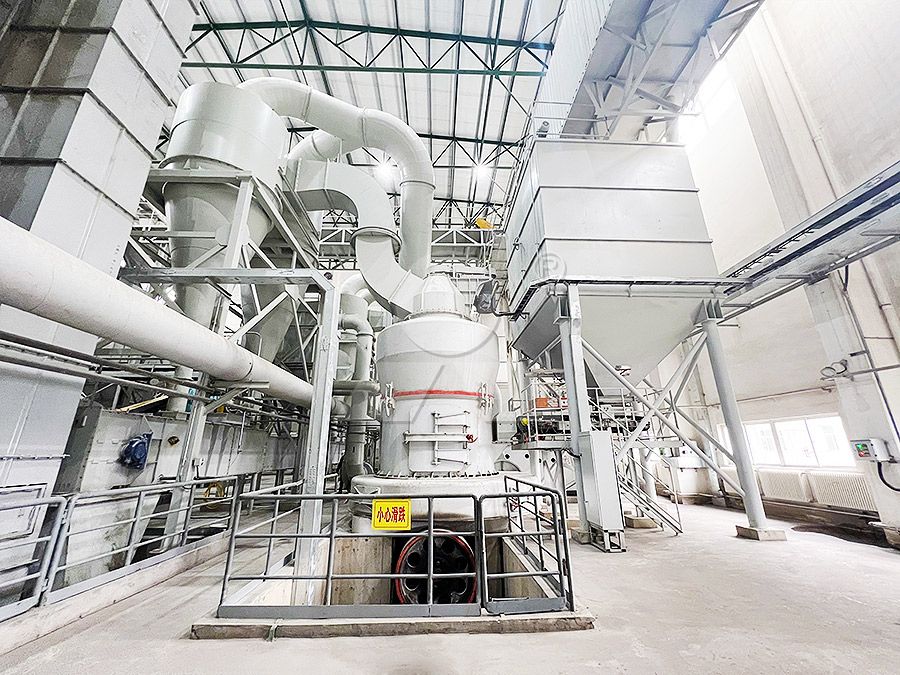
Key Considerations for Mill Selection in the Indian Context
When sourcing a grinding mill for cement clinker in India, several factors unique to the market and application must be weighed:
- Scale & Capacity: Infrastructure projects often require continuous, high-volume production. Mills must match the required throughput (in TPH) without becoming a bottleneck.
- Energy Efficiency: With power costs being a significant operational expense, energy-saving technology is paramount for long-term profitability.
- Environmental Compliance: Strict emissions and noise regulations necessitate mills with integrated dust collection and noise reduction systems.
- Operational Stability & Ease of Maintenance: Downtime is costly. Robust design, accessible components, and reliable local technical support are essential.
- Finished Product Quality: The ability to precisely control fineness (often between 325-2500 meshes for various cement grades) is non-negotiable.
Advanced Grinding Technologies for Modern Demands
While traditional ball mills have been widely used, modern infrastructure projects benefit immensely from advanced grinding technologies that offer superior efficiency, lower wear, and better environmental performance. Leading the charge are vertical roller mills and ultra-fine grinding systems, which integrate drying, grinding, classifying, and conveying into a single, compact unit.
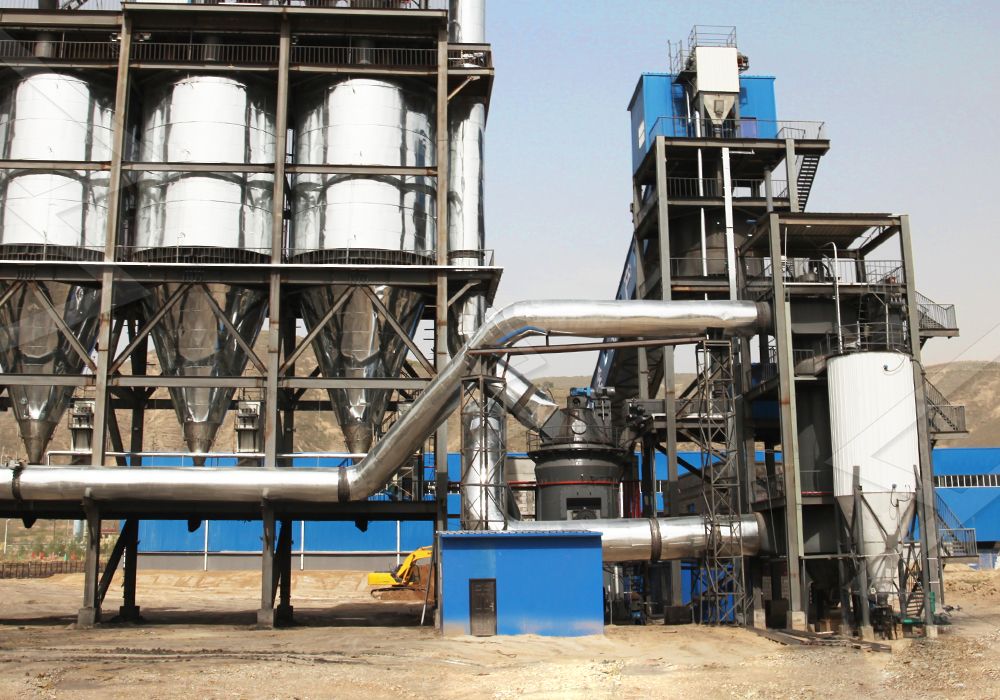
Introducing the LIMING MW Ultrafine Grinding Mill: Precision for Performance
For projects demanding exceptionally fine and consistent cement blends or seeking to incorporate supplementary cementitious materials (SCMs) efficiently, the MW Ultrafine Grinding Mill presents a compelling solution. Engineered for customers who need to make ultra-fine powder, this mill is particularly adept at processing materials to a fineness between 325-2500 meshes. Its cage-type powder selector, incorporating German technology, ensures high-precision separation, achieving a screening rate of d97≤5μm in a single pass.
What makes the MW series stand out for rigorous industrial applications are its reliability features. The grinding chamber contains no rolling bearings or screws, eliminating common failure points and concerns about seal damage or loose components causing breakdowns. Furthermore, its external lubrication system allows for maintenance without shutdown, supporting continuous 24/7 operation—a crucial factor for keeping infrastructure projects on schedule. With an input size of 0-20 mm and a capacity range of 0.5-25 TPH, it offers the flexibility and output needed for various production scales.
The Vertical Advantage: LIMING LM Vertical Grinding Mill
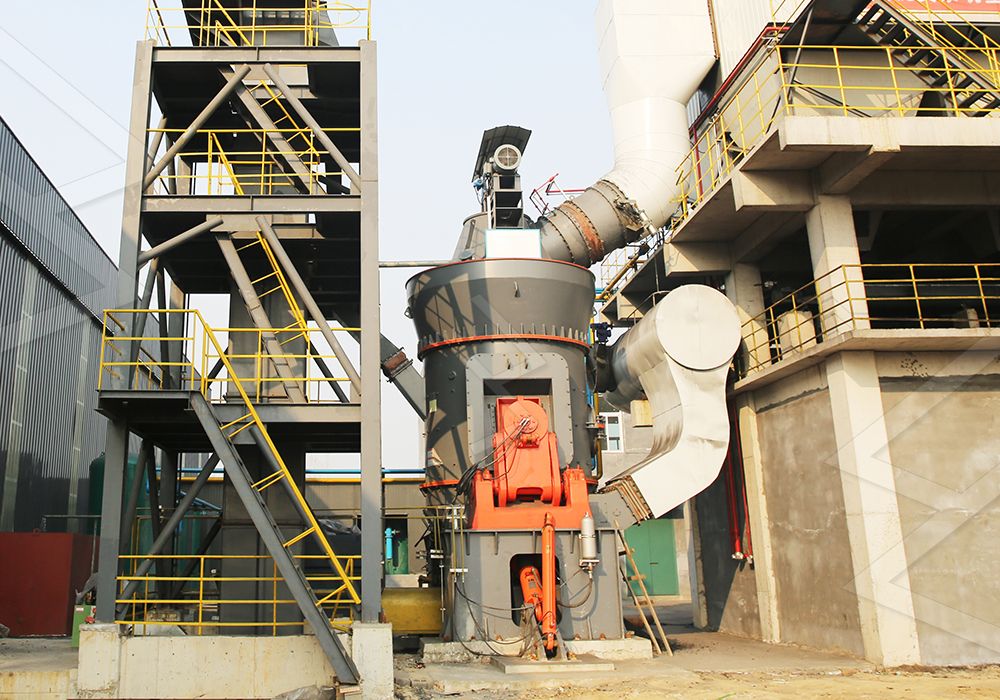
For high-volume clinker grinding central to most large infrastructure cement supply chains, the LM Vertical Grinding Mill is a proven workhorse. This mill integrates crushing, drying, grinding, classifying, and conveying into one system, significantly reducing the overall footprint—about 50% smaller than a traditional ball mill plant. Its energy consumption is notably 30%-40% lower, translating directly into reduced operational costs.
The LM Vertical Mill excels in producing consistent-quality cement powder. Materials have a short residence time, minimizing over-grinding and allowing for quick adjustment and control of product fineness. Its design ensures minimal iron contamination, preserving the cement’s quality. Crucially for India’s environmental goals, the system operates under negative pressure with a full seal, resulting in no dust spillage and noise levels well within compliance standards. With a broad capacity range from 3 to 340 TPH, it can be scaled to match the needs of any major project.
Where to Source Your Grinding Mill in India
The optimal sourcing strategy involves partnering with established manufacturers or their authorized representatives who offer:
- Local Presence & Support: Look for companies with offices, service engineers, and spare parts warehouses in India to ensure prompt technical assistance.
- Proven Project References: Request case studies or site visits to existing installations in similar cement or infrastructure-related applications.
- Comprehensive Service Package: This should include installation supervision, operator training, maintenance planning, and guaranteed supply of original spare parts.
- Customization Capability: The supplier should be able to tailor the mill system to your specific clinker characteristics and plant layout.
Manufacturers like LIMING Heavy Industry, with their range from Raymond Mills to advanced vertical and ultra-fine mills, provide a spectrum of solutions. Their emphasis on digitalized processing for high precision and a commitment to sufficient spare parts supply for worry-free operation aligns perfectly with the critical, long-term nature of infrastructure project supply chains.
Conclusion: Building India’s Future on a Solid Foundation
Choosing the right cement clinker grinding mill is a decisive step in ensuring the material quality, cost-effectiveness, and environmental sustainability of India’s infrastructure development. By moving beyond conventional options and investing in advanced, efficient, and reliable grinding technology from reputable suppliers, companies can secure a competitive edge. It empowers them to contribute stronger, more durable, and more sustainably produced concrete for the bridges, roads, and cities that will define India’s future.
Frequently Asked Questions (FAQs)
- What is the main advantage of a vertical roller mill over a traditional ball mill for clinker grinding?
Vertical roller mills offer significantly higher energy efficiency (30-50% less power consumption), a smaller physical footprint, integrated drying capability, and better control over product fineness with less metal wear contamination. - How important is the fineness of cement powder, and how is it controlled?
Fineness critically affects hydration rate and final strength. It is controlled by internal classifiers or separators within the mill system, such as the cage-type powder selector in the MW Mill, which allows precise adjustment. - Can these mills handle the addition of gypsum or other additives with clinker?
Yes, modern grinding mills like the LM and MW series are designed to grind mixed feeds. The integrated drying and grinding process is effective for handling materials with some moisture content. - What are the key maintenance concerns with a clinker grinding mill?
Primary concerns are wear of grinding rollers and tables/rings, and the health of classifier bearings. Choosing mills with features like reversible rollers (LUM Mill), external lubrication (MW Mill), and no internal screws/bearings in the grinding zone drastically reduces maintenance complexity and downtime. - Are these grinding systems suitable for captive cement plants set up for a specific mega-project?
Absolutely. Their modular and scalable design, from medium (MW series) to very high capacity (LM series), makes them ideal for dedicated plants. Their low operational cost and high reliability are key for project-based economics. - How is dust pollution managed in these grinding systems?
Modern mills are equipped with high-efficiency pulse jet baghouse dust collectors, and the entire milling system operates under negative pressure to prevent any dust leakage, ensuring compliance with environmental standards. - What kind of after-sales support should I expect from the supplier in India?
Expect comprehensive support including detailed installation drawings, supervised erection, commissioning, operator training, preventive maintenance schedules, and a reliable supply chain for genuine spare parts to ensure long-term, worry-free operation.