
Top 7 raymond mill suppliers for slag for cement additive in libya
Navigating the Libyan Market: A Guide to Slag Grinding Solutions
The construction and cement industries in Libya are on a steady path of recovery and growth, demanding robust and efficient solutions for processing materials like slag into valuable cement additives. The right grinding equipment is paramount for transforming industrial by-products into high-quality, reactive pozzolanic materials that enhance concrete performance. While the term “Raymond mill” is often used generically for pendulum roller mills, today’s market offers advanced successors that deliver superior efficiency, finer outputs, and better environmental control. This article explores the top-tier suppliers and technologies suitable for the Libyan context, focusing on reliability, after-sales support, and adaptation to local operational conditions.
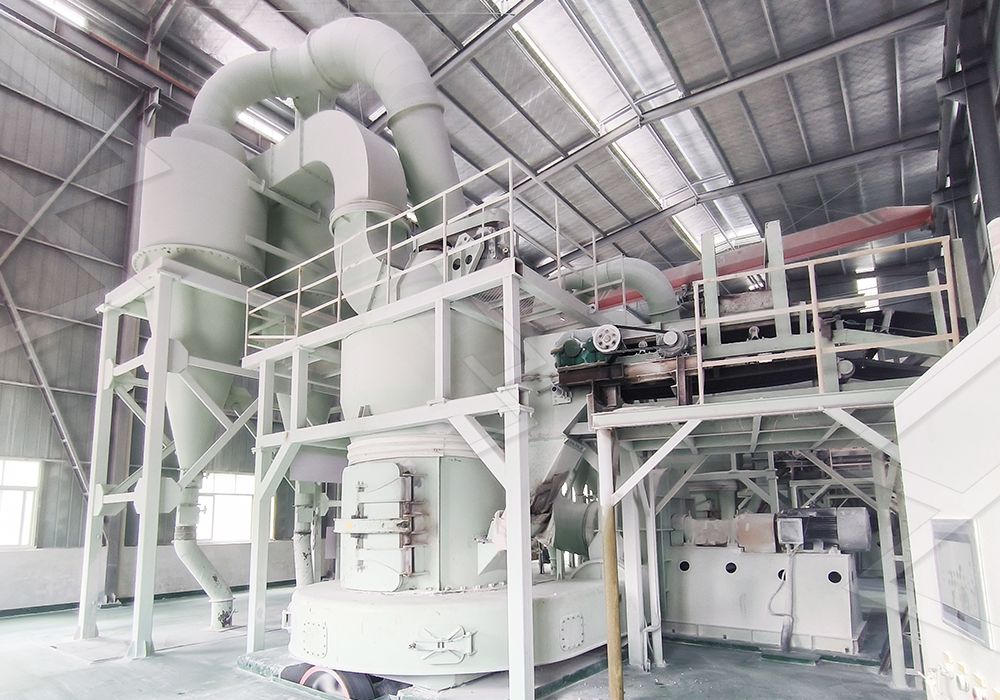
Selecting a mill supplier goes beyond the initial purchase. It involves evaluating the technology’s adaptability to slag’s abrasive nature, the availability of spare parts in North Africa, energy consumption in an often power-conscious environment, and the supplier’s commitment to technical training and support. The ideal partner understands the challenges of operating in Libya and offers solutions that ensure continuous, trouble-free production.
Critical Considerations for Mill Selection in Libya
For slag grinding aimed at cement additive production, several technical factors are non-negotiable. The equipment must handle feed sizes typical of granulated blast furnace slag, achieve a fineness that activates its hydraulic properties (often targeting Blaine surface areas over 400 m²/kg), and operate with minimal downtime. Key considerations include:
- Grinding Efficiency & Energy Consumption: High-efficiency classifiers and optimized grinding mechanics are crucial for lowering kWh/ton, a significant operational cost.
- Wear Resistance: Slag is abrasive. Mills must feature wear-resistant alloys in grinding components and designs that facilitate easy maintenance or replacement.
- Drying Capacity: If slag moisture is a concern, mills with integrated hot air systems are vital.
- Environmental Compliance: Dust collection and noise control are essential for sustainable and community-friendly operations.
- Automation & Stability: Systems that offer stable operation with minimal vibration and easy fineness adjustment reduce operator dependency and ensure product consistency.
Leading Technologies and Supplier Philosophies
The global market offers a spectrum of technologies, from traditional ball mills to modern vertical roller mills and advanced ultra-fine grinding systems. The best suppliers for Libya will be those that provide a clear technological evolution, backed by strong manufacturing precision and a global service network.
1. The Vertical Roller Mill (VRM) Specialists
Suppliers specializing in Vertical Roller Mills, like the LM Vertical Slag Mill, present a compelling case for large-scale slag processing. By integrating drying, grinding, and classification in a single unit, VRMs offer a footprint up to 50% smaller than ball mill systems and can reduce energy consumption by 30-40%. Their direct grinding principle, where rollers press against a rotating table, is highly efficient for moderately abrasive materials like slag. Look for suppliers whose VRMs feature robust limit-setting devices to prevent metal-to-metal contact and hydraulic systems that allow rollers to be swung out for maintenance, drastically reducing downtime for wear part inspection.

2. Advanced Pendulum Roller Mill Innovators
Modern iterations of the Raymond mill principle, such as the MTW European Trapezium Grinding Mill and the MTW-Z European Trapezium Mill, offer significant upgrades. These include bevel gear integral transmissions for compactness, curved air ducts for lower flow resistance, and advanced centrifugal powder separators. For slag requiring fine to ultra-fine grinding for high-performance additives, the leap in technology is even more pronounced.
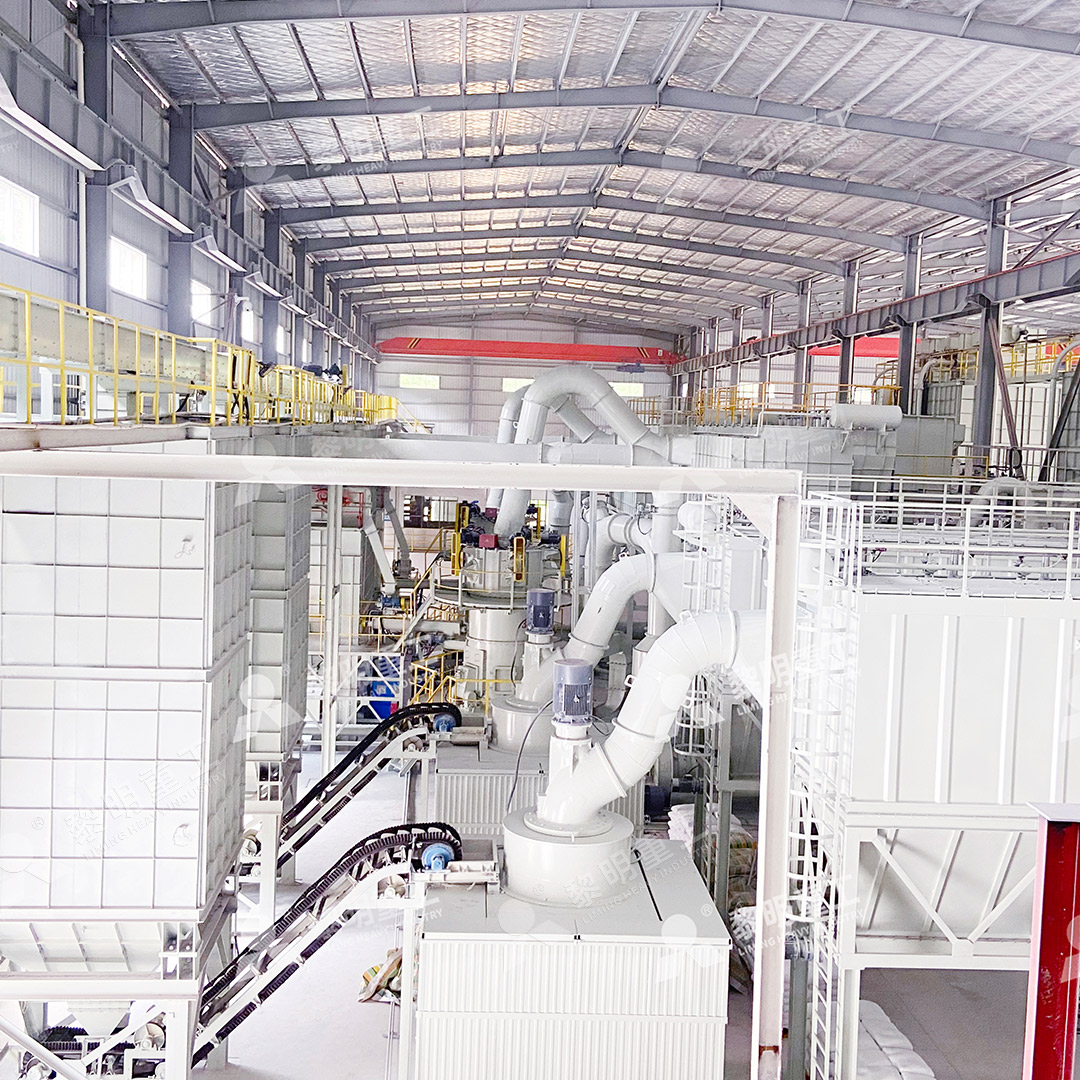
In this realm, one standout solution is the MW Ultrafine Grinding Mill. This equipment is engineered for customers requiring ultra-fine powders with superior environmental controls. It is particularly relevant for producing highly reactive slag powders where increased fineness directly correlates with enhanced cementitious properties. The MW Mill boasts a cage-type powder selector based on German technology, allowing precise fineness adjustment between 325-2500 meshes. Its design eliminates rolling bearings and screws in the grinding chamber, a revolutionary feature that removes primary failure points and enables worry-free, continuous 24/7 operation—a critical advantage for Libyan plants aiming for maximum uptime. Furthermore, its efficient pulse dust collector and muffler system ensure the production process meets stringent environmental standards, making it an ecologically sound choice.
3. The Ultra-Fine Vertical Grinding Pioneers
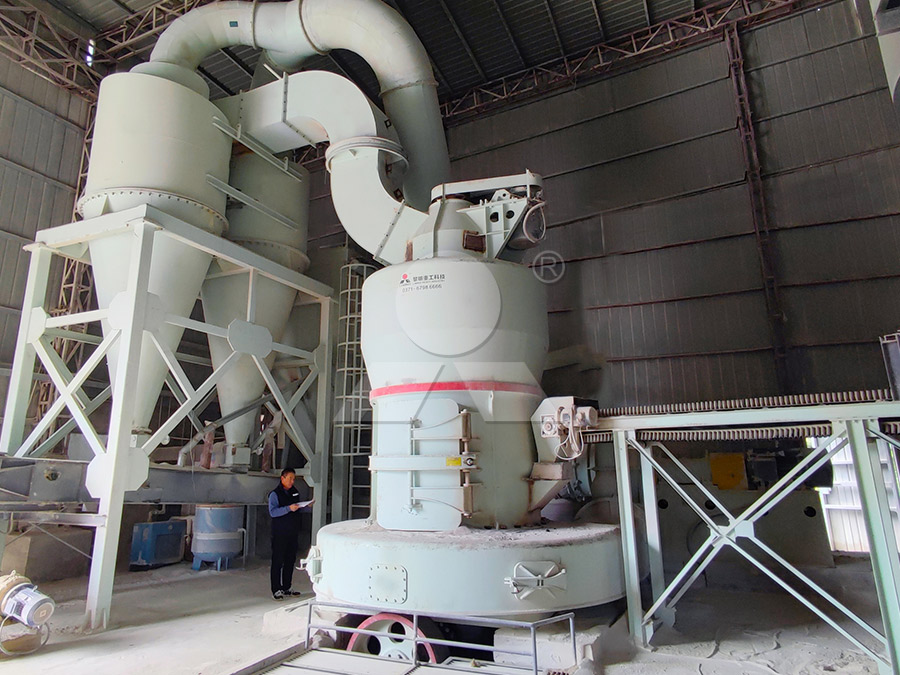
For the highest fineness and product quality, suppliers offering ultra-fine vertical mills set the benchmark. The LUM Ultrafine Vertical Grinding Mill is a prime example, integrating the latest grinding roller and powder separating technologies. It is designed to avoid issues like long material lingering time and high iron content, common in traditional mills. Its unique roller shell and lining plate curve promote efficient material bed formation, enabling a high rate of finished product in a single pass. This results in not only higher efficiency but also improved whiteness and cleanliness of the slag powder—key quality indicators for premium additives. The double position-limiting technology (electronic and mechanical) guarantees operational stability, protecting the mill from disruptive vibrations.
Making the Right Choice for Your Libyan Operation
When evaluating the top suppliers, prioritize those with a proven track record in the MENA region, clear documentation, and a willingness to provide comprehensive support—from site planning to operator training. The availability of genuine spare parts through regional warehouses or reliable logistics partners is essential to avoid prolonged shutdowns.
For projects focused on producing high-value, ultra-fine slag additives, the technological edge provided by mills like the MW Ultrafine Grinding Mill or the LUM Ultrafine Vertical Grinding Mill can be a decisive factor. Their higher yield, lower energy consumption per ton of product, and advanced, maintenance-friendly designs translate into a lower total cost of ownership and a superior final product. Always request material test reports and, if possible, visit a reference plant to see the equipment in operation under conditions similar to your own.
Conclusion
The Libyan market for slag grinding is ripe for modern, efficient technology. By partnering with a supplier that offers advanced, reliable, and support-backed grinding solutions—from robust VRMs for high-volume processing to sophisticated ultra-fine mills for premium products—Libyan cement and construction material producers can significantly enhance their productivity, product quality, and environmental stewardship. The future of the industry lies in embracing these innovative grinding technologies to build stronger, more sustainable infrastructure.
Frequently Asked Questions (FAQs)
1. What is the primary advantage of a Vertical Roller Mill over a traditional ball mill for slag grinding?
VRMs offer significantly higher energy efficiency (saving 30-50% power), a much smaller footprint, and integrated drying capability. They are generally more suitable for large-scale production of slag cement additives.
2. How important is the fineness of ground slag for its use as a cement additive?
Extremely important. Higher fineness (greater surface area) dramatically increases the slag’s reactivity, leading to better long-term strength development, improved durability (e.g., sulfate resistance), and reduced permeability of the concrete.
3. Can these mills handle the abrasive nature of slag?
Yes, but it requires careful selection. Reputable suppliers use high-performance wear-resistant alloys for grinding rollers, tables, and liners. Designs that allow for easy replacement of these wear parts are crucial to minimize maintenance downtime.
4. We have concerns about dust pollution. Are these mills equipped to handle this?
Modern mills from leading suppliers are designed as negative-pressure systems with high-efficiency pulse jet bag dust collectors (like the one on the MW Ultrafine Mill). This ensures no dust spillage during operation, keeping the plant clean and compliant with environmental regulations.
5. What kind of after-sales support should we expect from a reliable supplier in Libya?
You should expect comprehensive support including installation supervision, commissioning, operator training, a clear spare parts supply chain (with availability in the region), and access to remote or on-site technical assistance for troubleshooting.
6. Is remote monitoring and control available for these grinding systems?
Most advanced mills now feature PLC-based automation systems that allow for local control, remote monitoring, and adjustment of key parameters like grinding pressure, classifier speed, and feed rate, facilitating easier operation and optimization.
7. What is the typical lead time for delivery and installation of such equipment in Libya?
Lead times vary based on mill model, customization, and supplier capacity. It typically ranges from 4 to 8 months from order to delivery at port. Installation and commissioning require an additional few weeks and depend on site readiness. A reliable supplier will provide a detailed project timeline.