
Using roller mill for kaolin for paper coating in kenya
Unlocking Kenya’s Paper Industry Potential with Advanced Kaolin Processing
The Kenyan paper and packaging industry is on a steady growth trajectory, driven by rising domestic demand, regional trade, and a growing focus on value-added manufacturing. A critical component in producing high-quality coated paper—essential for printing, packaging, and specialty applications—is kaolin, or china clay. This naturally occurring mineral provides the gloss, smoothness, and opacity that premium paper demands. However, the key to unlocking kaolin’s value lies in its processing: specifically, the precision grinding that transforms raw clay into the ultra-fine, consistent powder required for coating formulations. This is where the choice of milling technology becomes paramount.
The Critical Role of Fineness and Consistency in Paper Coating
For paper coating, the particle size distribution of kaolin is not just a specification; it’s a performance determinant. Coatings require a carefully balanced mix of particle sizes. Ultra-fine particles (below 2 microns) fill microscopic pores in the paper sheet, creating a smooth surface for sharp printing. Coarser particles contribute to bulk and opacity. An inconsistent grind leads to poor rheology in the coating slurry, resulting in application defects, reduced gloss, and inferior printability. Traditional grinding methods, such as basic ball mills, often struggle to achieve the narrow particle size distribution and high fineness (consistently below 10μm, often targeting d97 ≤ 5μm) required by modern paper mills. They can also introduce excessive iron contamination from mechanical wear, which yellows the bright white coating.
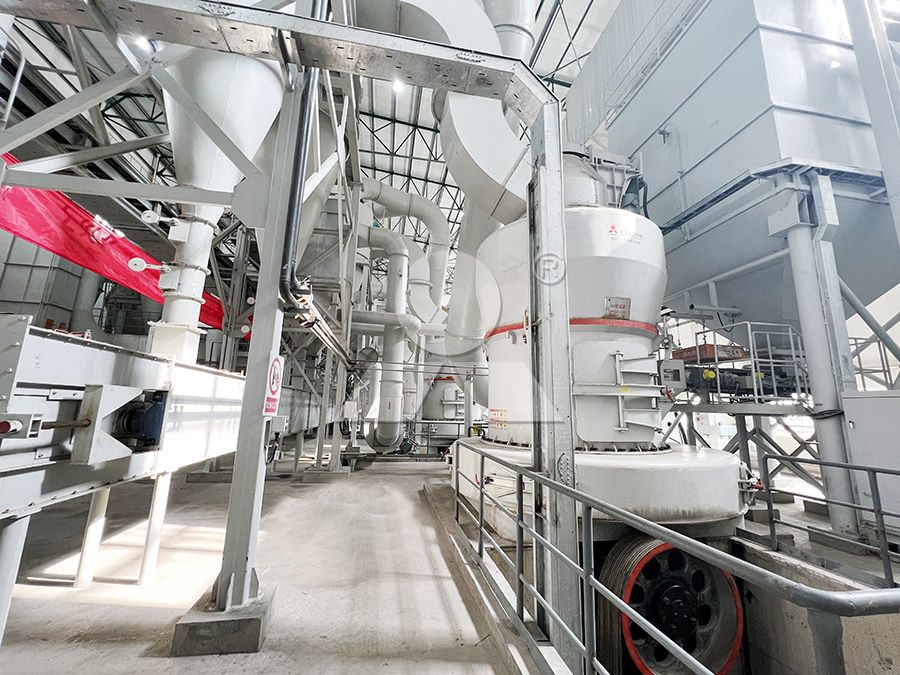
Roller mill technology, particularly advanced vertical roller mills and trapezium mills, has emerged as the superior solution. These mills utilize a grinding principle where material is crushed and ground between rollers and a stationary grinding ring or table. This method offers controlled compression and shear forces, leading to more efficient size reduction with less over-grinding and a tighter particle size distribution compared to the impact and attrition of a ball mill.
Why Advanced Roller Mills are Ideal for Kenyan Kaolin
For Kenyan processors aiming to supply the local paper industry or export high-grade kaolin, investing in the right roller mill technology delivers multiple strategic advantages:
- Energy Efficiency: Modern roller mills consume significantly less power per ton of product than traditional ball mills. In a context where operational costs and sustainability are key, this translates directly to higher profitability and a smaller carbon footprint.
- Superior Product Quality: The ability to precisely control grinding parameters and integrate high-efficiency classifiers ensures the exact fineness (from 325 to over 2500 meshes) needed for coating grades. Advanced designs minimize metal-to-metal contact in the grinding zone, preserving kaolin’s natural brightness and whiteness.
- Integrated Drying: Kaolin often requires drying after purification. Many contemporary roller mill systems integrate a hot air stream, allowing simultaneous drying and grinding. This eliminates a separate, energy-intensive drying step, streamlining the process.
- Environmental Compliance: Kenyan industries are increasingly mindful of environmental standards. State-of-the-art mills are equipped with high-efficiency pulse jet dust collectors and sound-dampening enclosures, ensuring a clean, low-noise operation that protects workers and the surrounding community.
Recommended Solution: The MW Ultrafine Grinding Mill for Premium Coatings
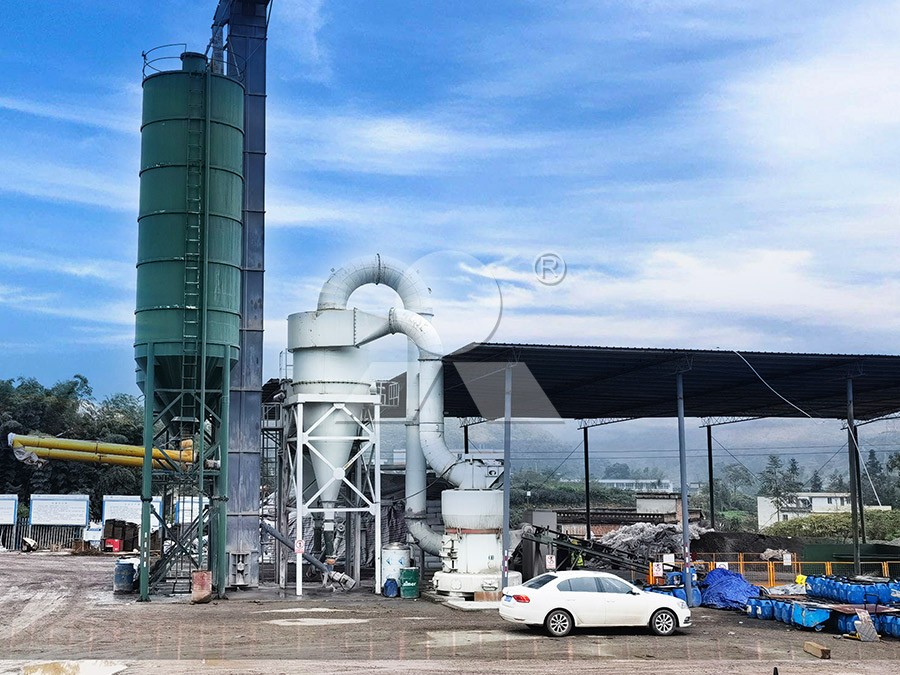
For processors targeting the high-end paper coating market, where ultra-fine particle size and exceptional purity are non-negotiable, the MW Ultrafine Grinding Mill stands out as an exemplary choice. This mill is engineered specifically for producing ultra-fine powders with superior efficiency.
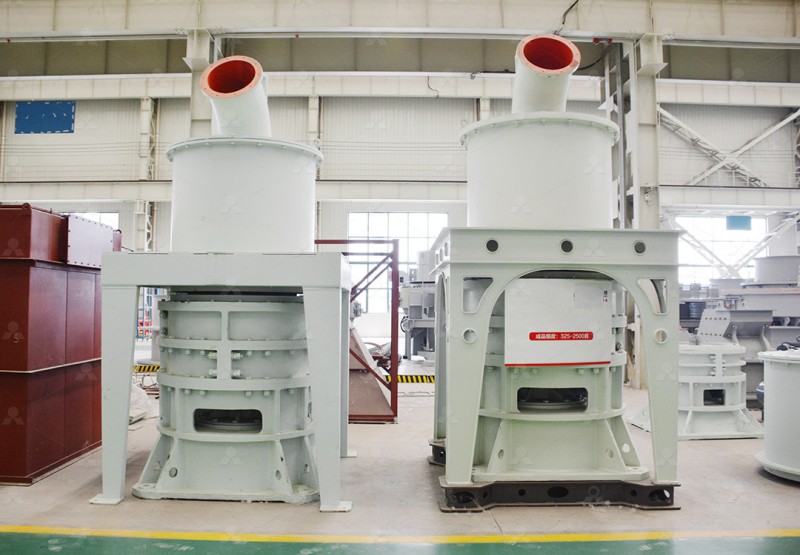
Its design directly addresses the challenges of kaolin processing. The newly designed grinding curves of the roller and ring enhance grinding efficiency, achieving a production capacity up to 40% higher than some alternative fine-grinding systems at the same power consumption. For kaolin coating, the adjustable fineness between 325-2500 meshes, facilitated by a German-technology cage-type powder selector, is crucial. It enables precise control to achieve a top cut as fine as d97≤5μm in a single pass, ensuring the smoothness required for premium paper.
Operational reliability in Kenya’s industrial settings is vital. The MW Mill’s design eliminates rolling bearings and screws inside the grinding chamber, removing common failure points and concerns about seal damage or loose components. Furthermore, its external lubrication system allows for maintenance without shutdowns, supporting continuous 24/7 production. Crucially, the integrated efficient pulse dust collector ensures the entire milling process is environmentally sound, containing all dust—a key consideration for both product yield and workplace health.
Building a Competitive Edge in the Regional Market
By adopting advanced roller mill technology like the MW Ultrafine Grinding Mill, Kenyan kaolin processors can move beyond being mere raw material suppliers. They can produce value-added, specification-grade coating kaolin that meets the stringent demands of local and regional paper manufacturers. This not only reduces Kenya’s reliance on imported coating pigments but also positions the country as a potential exporter of processed industrial minerals within the East African Community and beyond.
The investment in such technology signifies a commitment to quality, efficiency, and sustainable industrial growth. It empowers local industries to produce higher-value goods, creates skilled technical jobs, and supports the broader development of Kenya’s manufacturing sector. For any serious player in the Kenyan industrial minerals space, partnering with a technology provider that offers robust, efficient, and environmentally responsible grinding solutions is no longer an option—it’s a strategic imperative for future success.
Frequently Asked Questions (FAQs)
- What is the primary advantage of a roller mill over a ball mill for kaolin?
Roller mills provide more efficient grinding with lower energy consumption, offer a tighter particle size distribution critical for coating performance, and typically generate less iron contamination, preserving kaolin’s brightness. - Can these mills handle the moisture content in raw Kenyan kaolin?
Many modern roller mills, including vertical models, are designed as air-swept grinding systems. They can integrate a hot air source to simultaneously dry and grind the material, effectively processing kaolin with moderate moisture content. - How important is the particle size distribution for paper coating kaolin?
It is absolutely critical. A controlled, narrow distribution ensures optimal packing of particles on the paper surface, which directly affects the smoothness, gloss, ink absorbency, and printability of the final coated paper. - What fineness (mesh size) is typically required for paper coating grade kaolin?
Requirements vary, but high-quality coating grades often demand that 90-98% of the particles (d90 or d98) be less than 2 microns, with a top cut (d97) around 5-10 microns. This corresponds to a fineness range well within the capabilities of mills like the MW series. - Is the maintenance complex for advanced roller mills in remote locations?
Designs like the MW Ultrafine Grinding Mill are engineered for reliability and easier maintenance. Features like external lubrication, the absence of internal bearings in the grinding zone, and accessible wear parts reduce complexity. Choosing a supplier with a strong local or regional service and spare parts network is key. - How does the technology ensure a low-iron product?
Advanced mills minimize direct metal-to-metal contact in the grinding zone through careful design and use wear-resistant materials. This drastically reduces iron wear contamination, which is essential for maintaining the high brightness of coating-grade kaolin. - What is the typical production capacity range for a mill suitable for a mid-sized kaolin processing plant in Kenya?
Capacities vary widely. For example, the MW Ultrafine Grinding Mill offers a range from 0.5 to 25 tons per hour, allowing for scalability. A mill in the 5-15 tph range is often suitable for establishing a significant presence in the regional market.