
How to optimize carbon black processing with grinding mill for rubber reinforcement in pakistan
How to Optimize Carbon Black Processing with Grinding Mill for Rubber Reinforcement in Pakistan
The rubber industry in Pakistan stands as a cornerstone of the nation’s manufacturing sector, supplying critical components for automotive, industrial, and consumer goods. At the heart of high-quality rubber production lies an essential ingredient: finely processed carbon black. This reinforcing filler is pivotal for enhancing the tensile strength, abrasion resistance, and durability of rubber products. However, achieving the optimal particle size distribution and dispersion of carbon black remains a significant technical challenge for many processors. The choice and optimization of grinding technology directly dictate product quality, operational efficiency, and overall profitability.
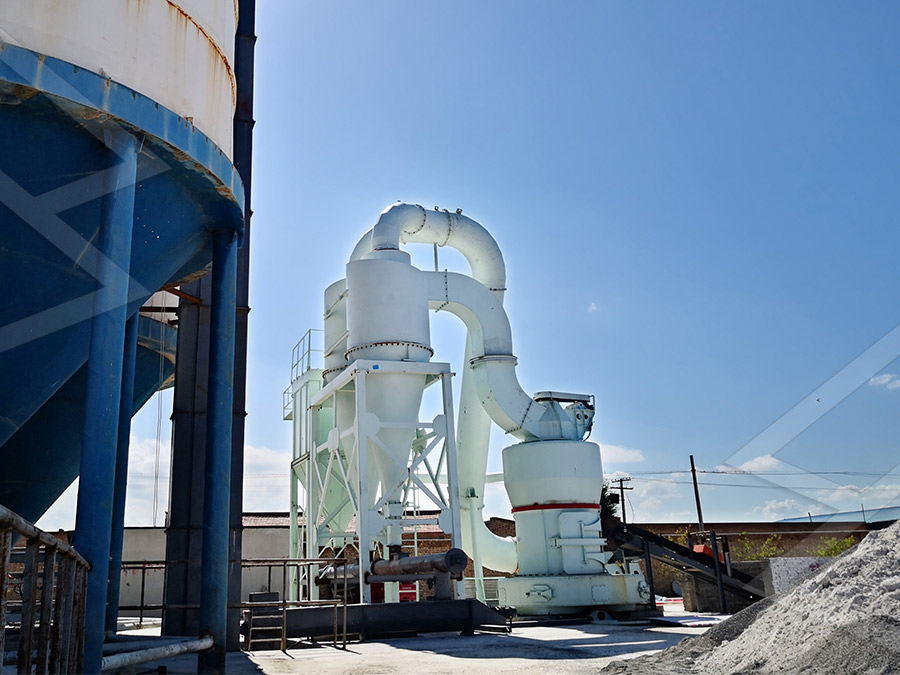
Traditional grinding methods often fall short, leading to inconsistent particle sizes, high energy consumption, and excessive heat generation that can degrade material properties. For Pakistani manufacturers aiming to compete both domestically and in export markets, investing in advanced, purpose-built grinding technology is not an option but a necessity. Modern grinding mills offer precise control over fineness, improved energy efficiency, and integrated systems that address the entire process from feeding to collection.
The Critical Role of Particle Size in Rubber Reinforcement
The effectiveness of carbon black as a reinforcing agent is intrinsically linked to its surface area and structure, which are largely determined by the final particle size after processing. Smaller, uniformly sized particles create a greater surface area for interaction with the rubber polymer chains, leading to superior reinforcement. The target fineness for most rubber-grade carbon blacks falls within a specific micron range, often requiring grinding to achieve a d97 of less than 20 microns, with some advanced applications demanding even finer powders.
Inconsistent grinding results in coarse particles that act as failure initiation sites, reducing product lifespan, and overly fine particles that can lead to processing difficulties and increased viscosity. Therefore, the grinding mill must offer not just high capacity but exceptional precision in particle size control and classification.
Key Challenges in the Pakistani Context
Local processors face unique hurdles: fluctuating power supply impacting machine stability, the need for robust equipment requiring minimal maintenance, and increasingly stringent environmental regulations regarding dust emissions. A grinding solution must therefore be resilient, energy-adaptive, and environmentally compliant. Furthermore, with raw material costs constituting a major portion of expenses, maximizing yield and minimizing waste through efficient grinding is paramount for maintaining healthy margins.
Advanced Grinding Solutions for Superior Performance
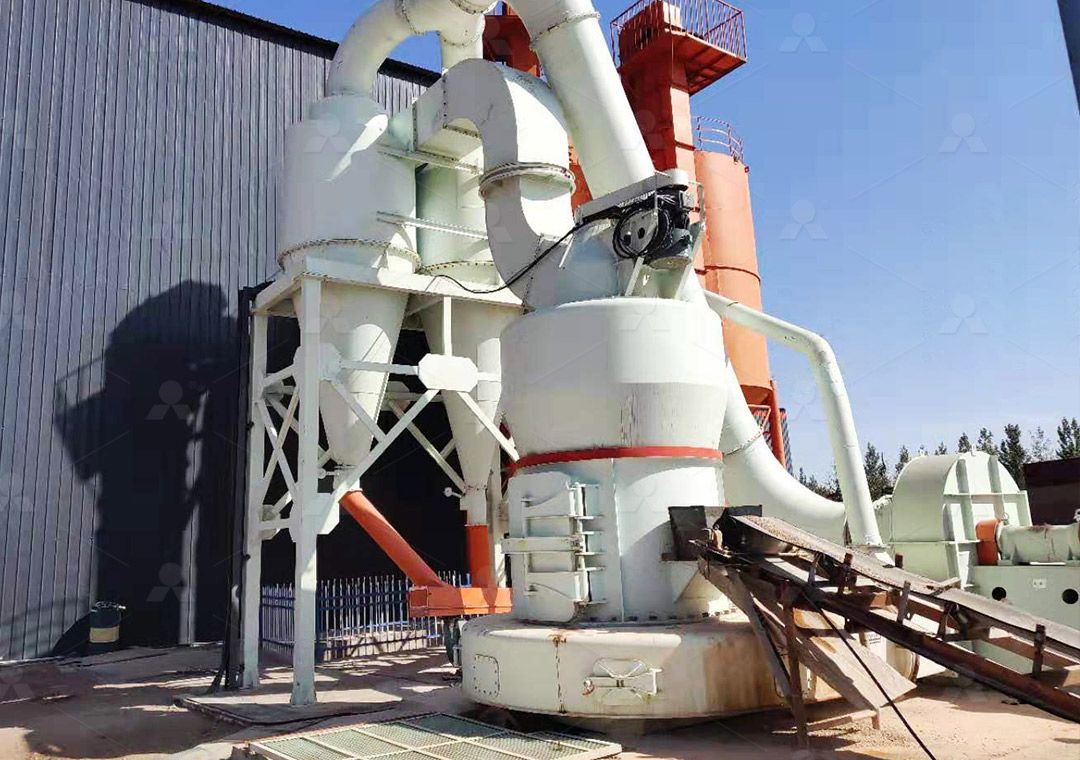
Moving beyond conventional ball mills or basic Raymond mills, the industry is shifting towards vertical roller mills and ultra-fine grinding systems that integrate multiple processes. These systems excel in providing the stable, controlled grinding environment necessary for carbon black. Features like adjustable grinding pressure, internal high-efficiency classifiers, and negative pressure operation are critical. They allow operators to dial in the exact fineness required for a specific rubber compound while preventing dust escape—a major concern for worker safety and plant cleanliness.
One standout technology for this application is our MW Ultrafine Grinding Mill. Engineered for precision, it is particularly suited for producing the consistent, fine powders required for high-grade rubber reinforcement. With an adjustable fineness range between 325 to 2500 meshes, it can meet the most stringent specifications. Its design incorporates a German-technology cage-type powder selector, ensuring precise classification so that only particles meeting the target size proceed to collection. Notably, its grinding chamber contains no rolling bearings or screws, eliminating common failure points and allowing for worry-free, continuous 24/7 operation—a significant advantage for meeting production deadlines. Furthermore, its integrated efficient pulse dust collector ensures the entire milling process is clean and eco-friendly, addressing both environmental and workplace safety standards in Pakistan.
Integrating the Grinding Mill into Your Production Line
Optimization extends beyond the mill itself. A holistic approach considers the entire preparation and handling process. Pre-crushing carbon black feedstock to a consistent size (ideally below 20mm for mills like the MW series) ensures stable feeding and reduces stress on the grinding mechanism. Implementing automated feeding systems synchronized with the mill’s power consumption can optimize throughput and prevent overloads.
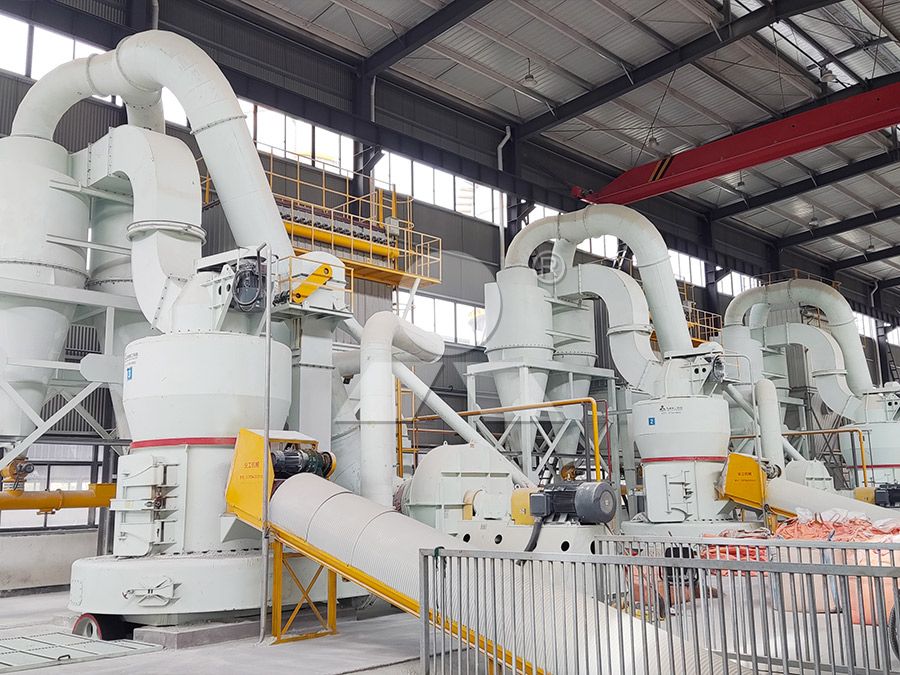
Post-grinding, the handling of the fine carbon black powder is crucial. A fully sealed system from the mill outlet through to the bagging station is essential to prevent product loss and contamination. Using intermediate silos with fluidizing bottoms can aid in the consistent discharge of this cohesive powder. For operations also processing mineral fillers like limestone or talc, a versatile mill capable of handling multiple materials is a strategic asset. In this regard, our LUM Ultrafine Vertical Grinding Mill presents a compelling option. Integrating the latest grinding roller and powder separating technology, it offers remarkable energy savings of 30%-50% compared to common mills. Its reversible structure allows grinding rollers to be easily swung out for maintenance, drastically reducing downtime—a critical factor for keeping production lines moving.
Economic and Operational Benefits for Pakistani Manufacturers
Adopting an optimized grinding system translates into direct bottom-line benefits. The higher grinding efficiency and lower energy consumption of advanced mills like the MW or LUM series directly reduce electricity costs, a major operational expense. The superior particle quality enhances the performance of the final rubber product, allowing manufacturers to command better prices or reduce costly material usage. Reduced maintenance needs and longer component life, thanks to features like external lubrication and wear-resistant alloys, lower the total cost of ownership.
Perhaps most importantly, a reliable, high-yield grinding process ensures consistent product quality. This consistency builds trust with buyers and is fundamental for Pakistani rubber product exporters seeking to establish long-term partnerships in international markets. It enables manufacturers to reliably meet technical specifications and delivery schedules, enhancing their reputation for reliability.
Conclusion
The path to optimized carbon black processing for rubber reinforcement in Pakistan is clear: it requires moving to intelligent, efficient, and clean grinding technology. By focusing on precise particle size control, system integration, energy savings, and environmental compliance, processors can significantly upgrade their product quality and operational competitiveness. Investing in a robust solution like the MW Ultrafine Grinding Mill or the LUM Ultrafine Vertical Grinding Mill is an investment in the future—enabling Pakistani rubber industry to produce stronger, more durable goods while operating more sustainably and profitably.
Frequently Asked Questions (FAQs)
- What is the most important factor when choosing a grinding mill for carbon black?
The ability to consistently produce a tightly controlled particle size distribution (PSD) is paramount. Look for mills with high-precision, integrated classifiers and adjustable grinding parameters to hit your target fineness (e.g., d97 value) reliably. - How does grinding affect the final properties of reinforced rubber?
Finer, more uniform carbon black particles increase the surface area for bonding with rubber polymers, leading to improved tensile strength, tear resistance, and abrasion resistance. Poor grinding creates weak points and inconsistent compound behavior. - Are these advanced grinding mills difficult to operate and maintain?
Modern mills are designed for ease of use with digital controls and automation. Models like our MW series, with no internal bearings/screws in the chamber and external lubrication, are specifically engineered to simplify maintenance and maximize uptime. - Can one mill handle both carbon black and other mineral fillers like calcium carbonate?
Yes, many versatile mills are designed for multiple non-metallic minerals. It is crucial to ensure thorough cleaning between material batches to prevent cross-contamination. Our LUM and MW series are applicable for a wide range of materials. - How significant are the energy savings with newer mill designs?
Very significant. Advanced vertical roller mills and ultra-fine mills can reduce energy consumption by 30% to 50% compared to traditional ball mills or older Raymond mill systems, offering a rapid return on investment. - What environmental considerations are addressed by these mills?
Key features include fully sealed negative-pressure operation and high-efficiency pulse jet dust collectors (standard on the MW Mill). This contains all dust within the system, ensuring emissions are far below national and international standards for a cleaner plant environment. - What kind of after-sales support and spare parts availability is there in Pakistan?
We provide comprehensive technical support, installation guidance, and operator training. A sufficient stock of original spare parts is maintained to ensure worry-free, long-term operation of your grinding equipment. - What is the typical processing capacity needed for a medium-sized rubber factory?
Requirements vary, but capacities between 5 to 15 tons per hour are common. Our MW Ultrafine Grinding Mill offers a range from 0.5 to 25 tph, providing scalable options for different production scales.