
Roller mill for calcium carbonate for paper coating in uganda
Roller Mill for Calcium Carbonate for Paper Coating in Uganda: A Technical and Commercial Perspective
The Ugandan paper industry, while nascent, holds significant potential for growth, particularly in value-added segments like high-quality coated paper production. A critical component in this process is the coating pigment, where finely ground calcium carbonate (GCC) is indispensable. It enhances paper’s brightness, opacity, smoothness, and printability. Selecting the appropriate grinding technology is paramount to achieving the required particle size distribution (typically d97 < 2μm for premium coatings), operational efficiency, and economic viability. This article explores the technical considerations for roller mills in this application and highlights solutions tailored for the Ugandan market.
The Critical Role of GCC in Paper Coating
Calcium carbonate used in paper coating must meet stringent specifications. The fineness, particle shape, and size distribution directly influence the coating’s rheology, gloss, and ink absorption. Traditional ball mills often struggle to achieve the necessary ultra-fine grind consistently and are energy-intensive. Modern roller mill technology, particularly vertical roller mills and advanced trapezium mills, offer superior control over the grinding process, leading to a more uniform product with higher whiteness—a key quality parameter—due to reduced iron contamination and shorter material residence time.
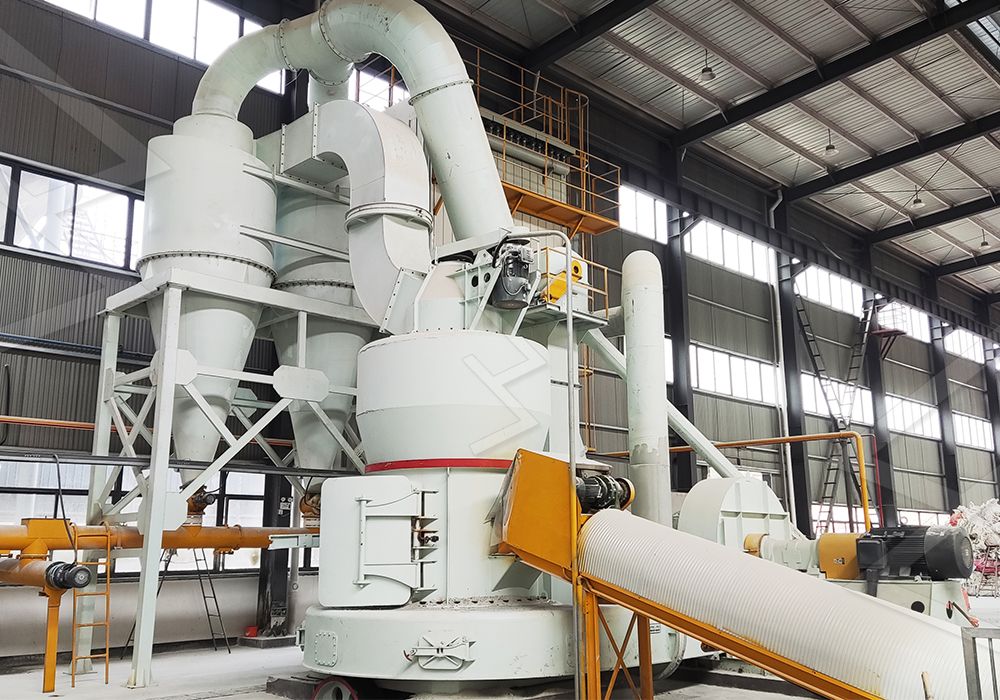
Key Technical Considerations for Mill Selection in Uganda
When investing in grinding equipment for GCC in Uganda, several local factors must be weighed:
- Power Reliability & Efficiency: Energy costs and grid stability are crucial. Mills with higher grinding efficiency and lower specific energy consumption (kWh/t) provide a faster return on investment and are less vulnerable to power fluctuations.
- Product Fineness & Flexibility: The ability to precisely adjust fineness between 325 to 2500 meshes allows a single plant to produce grades for different paper types, from standard to high-end art paper.
- Operational Simplicity & Maintenance: Robust design with minimal moving parts in the grinding chamber, easy access for maintenance, and reliable local technical support are essential to minimize downtime.
- Environmental Compliance: Integrated dust collection and low-noise operation are non-negotiable for sustainable and community-friendly industrial operations.
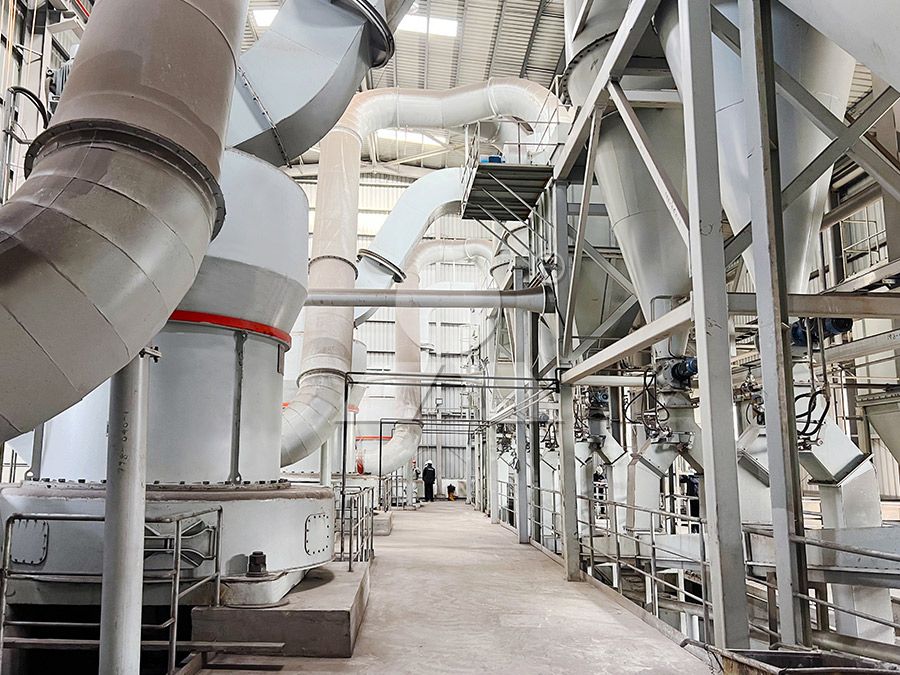
Advanced Mill Technology for Superior GCC Production
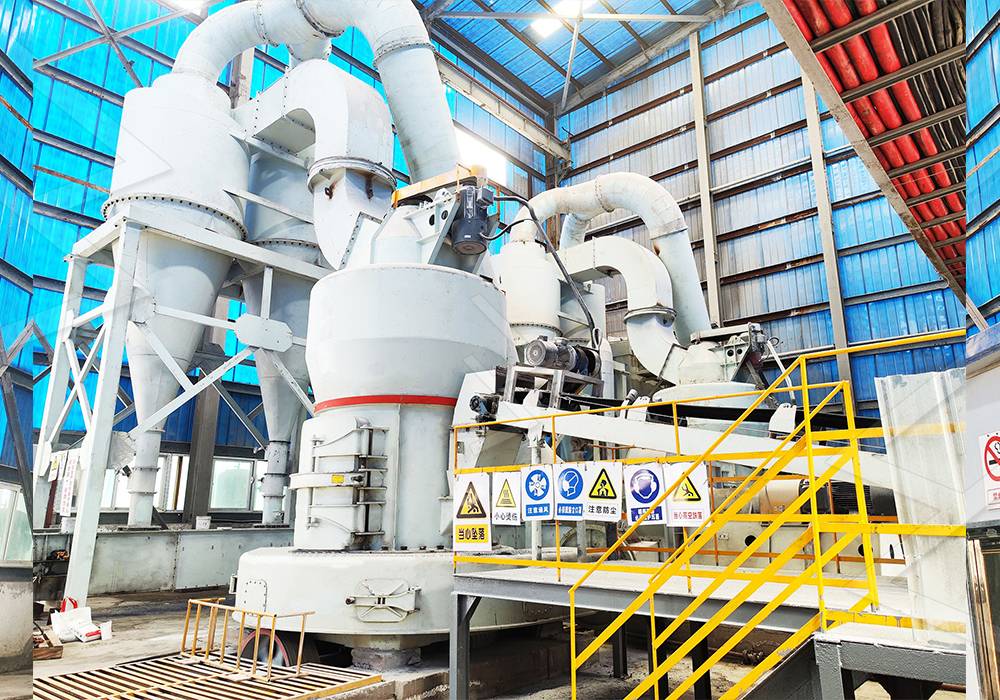
For operations targeting the high-end coating market, the MW Ultrafine Grinding Mill presents a compelling solution. Engineered for ultra-fine powder production, it addresses the core challenges of GCC processing. Its design features a cage-type powder selector based on German technology, enabling precise fineness adjustment between 325-2500 meshes with a high screening rate of d97≤5μm. Notably, its grinding chamber contains no rolling bearings or screws, eliminating common failure points and concerns about loose parts causing damage. This design, coupled with an external lubrication system, allows for continuous 24-hour operation—a significant advantage for maximizing output. Furthermore, its integrated efficient pulse dust collector and muffler ensure the production process meets stringent environmental standards, making it an ideal, future-proof choice for Ugandan manufacturers focused on quality and sustainability.
For larger scale operations or those requiring integration of drying, grinding, and classifying, the LUM Ultrafine Vertical Grinding Mill is another top-tier option. It incorporates the latest grinding roller and powder separating technologies, offering exceptional energy savings of 30%-50% compared to conventional mills. Its unique double position-limiting technology ensures operational stability, protecting the mill from vibrational damage. A standout feature is its reversible structure, which allows grinding rollers to be easily hydraulically swung out of the mill body for maintenance, drastically reducing service time and associated losses.
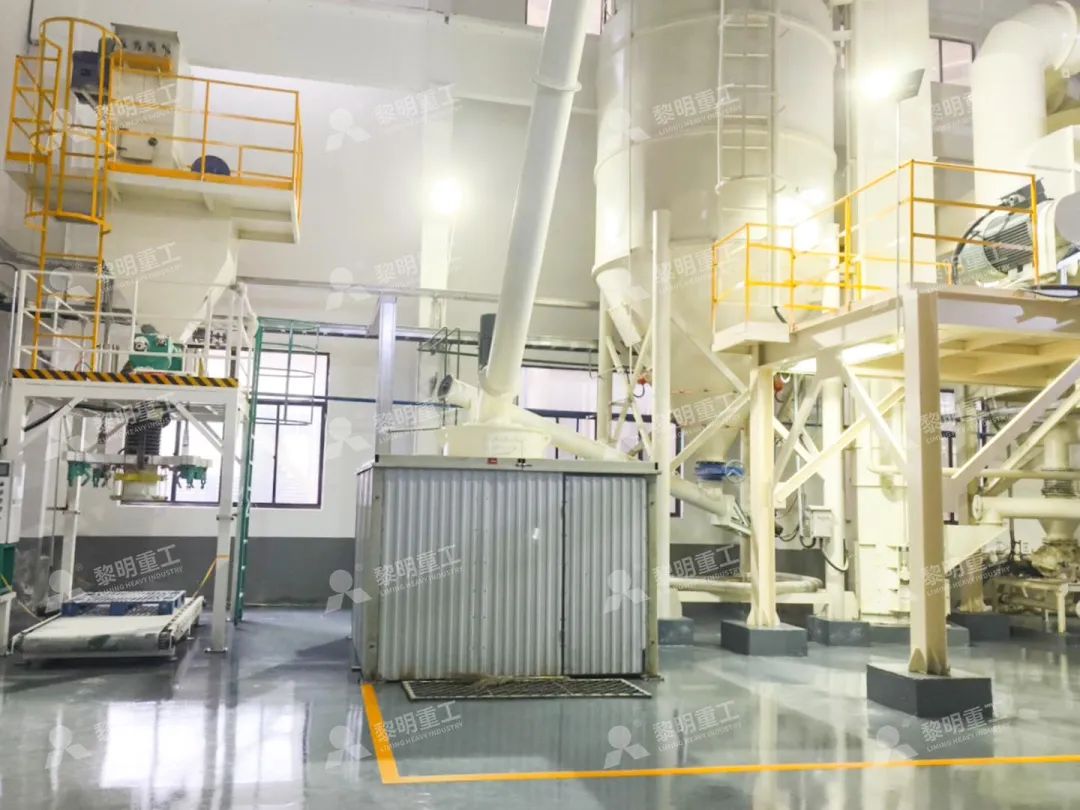
Building a Sustainable Value Chain in Uganda
The development of a local GCC production facility using advanced roller mills can significantly benefit Uganda’s economy. It reduces reliance on imported coatings, saves foreign exchange, creates skilled jobs, and adds value to domestic limestone resources. Partnering with an equipment supplier that offers comprehensive after-sales support, original spare parts, and technical training is critical for long-term success. The right milling technology is not just a piece of machinery; it is the cornerstone of a competitive, quality-driven paper coating supply chain in East Africa.
Frequently Asked Questions (FAQs)
- What is the typical feed size for limestone into a GCC roller mill?
Most advanced roller mills like the MW or LUM series can handle feed sizes of 0-20mm or 0-10mm, respectively, which is easily achievable with a primary jaw crusher. - How does the energy consumption of a modern roller mill compare to a traditional ball mill for GCC?
Modern vertical and trapezium roller mills can be 30% to 50% more energy-efficient than traditional ball mills for achieving the same or finer product fineness. - Can these mills handle moist material, or is a pre-dryer required?
Some vertical mill designs (like the LM series) integrate drying with grinding using hot air, handling materials with some moisture. For ultra-fine mills like the MW, feed material typically needs to be dry (<10% moisture) for optimal performance, which may require a separate dryer depending on the raw material condition. - What is the key advantage of having no rolling bearings in the grinding chamber?
It removes a major potential source of mechanical failure and contamination. This design enhances reliability, allows for external lubrication during operation, and simplifies maintenance. - How important is the powder separator in achieving coating-grade fineness?
It is critical. Advanced cage-type or multi-head separators (like those in the MW and LUM mills) provide precise particle size classification, ensuring the final product has the narrow size distribution required for smooth, high-opacity paper coatings. - What kind of after-sales support should I look for in Uganda?
Look for a supplier that offers installation supervision, operator training, a reliable supply of genuine spare parts, and remote or on-call technical assistance to ensure minimal operational disruption. - Is the final product from these mills suitable for food-contact paper grades?
Yes, the low iron contamination and high purity output from mills with ceramic or special alloy wear parts make the GCC suitable for sensitive applications, including food packaging paper, subject to meeting all other regulatory requirements.