
Using roller mill for kaolin for paper coating in morocco
Introduction: The Moroccan Kaolin Advantage for Paper Coating
Morocco’s rich deposits of high-quality kaolin present a significant opportunity for the paper and packaging industry. Kaolin, or china clay, is a crucial component in paper coating, providing gloss, opacity, smoothness, and printability. The key to unlocking the full potential of Moroccan kaolin lies in the precision and efficiency of the grinding process. Traditional grinding methods often fall short, leading to inconsistent particle size distribution, high energy consumption, and contamination—factors that directly compromise the quality of the final coated paper. This article explores the critical role of advanced roller mill technology in transforming raw Moroccan kaolin into a superior coating pigment, with a focus on achieving the ultra-fine, consistent fineness required by modern paper mills.
The Demands of Paper Coating: Why Fineness Matters
For paper coating applications, the particle size and shape of kaolin are paramount. Coatings typically require a fine product where a high percentage of particles are below 2 microns. This ultrafine grade ensures a smooth surface, excellent light scattering for opacity, and strong ink holdout. Inconsistent grinding can produce coarse particles that scratch paper surfaces and create defects in the final print. Furthermore, the grinding process must preserve the platy, hexagonal structure of kaolin particles, as this geometry is essential for creating a tightly packed, smooth coating layer. Equipment that generates excessive heat or mechanical wear can degrade this structure and introduce impurities, such as iron, which yellows the coating.
Roller Mill Technology: The Optimal Solution for Kaolin Refinement
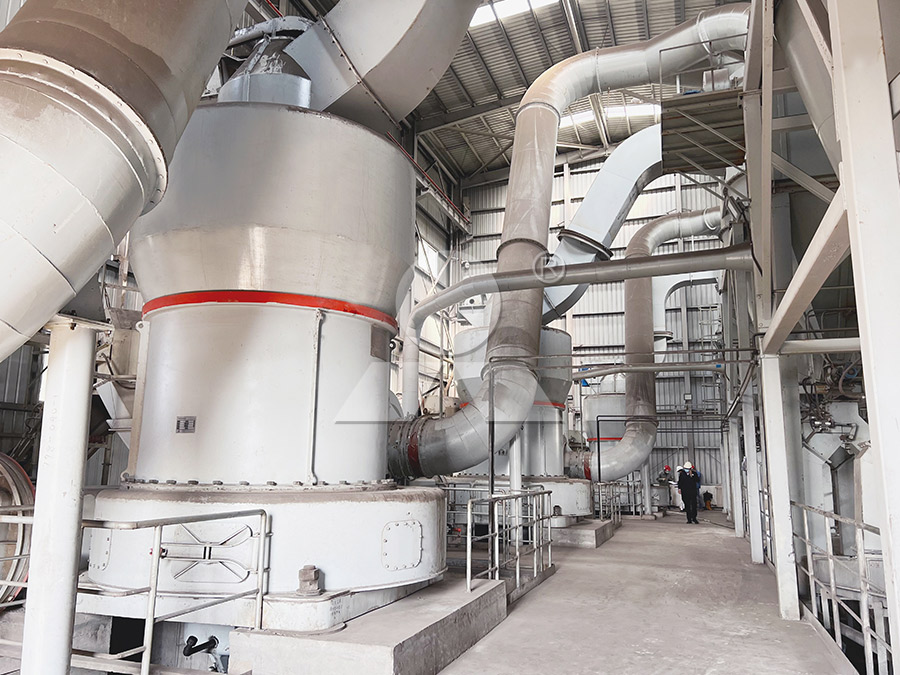
Among various milling options, modern roller mills—specifically vertical roller mills and advanced trapezium mills—have emerged as the industry benchmark for processing non-metallic minerals like kaolin. Their principle involves material being ground between rollers and a stationary grinding track or ring. This method offers several distinct advantages over traditional ball mills for kaolin processing:
- Higher Grinding Efficiency & Lower Energy Consumption: The direct grinding action on the bed of material is more efficient than the random impact and attrition in a ball mill, leading to significant energy savings of 30-50%.
- Superior Particle Size Control: Integrated high-efficiency classifiers allow for precise control over the top particle size and a narrow particle size distribution, critical for coating quality.
- Lower Iron Contamination: With minimal metal-to-metal contact in the grinding zone and the use of wear-resistant alloys, the risk of iron contamination is drastically reduced, preserving the brightness of the kaolin.
- Integrated Drying: Hot gas can be introduced directly into the mill, allowing simultaneous drying and grinding of moist clay, streamlining the process.
Introducing the Ideal Grinding Solution: The MW Ultrafine Grinding Mill
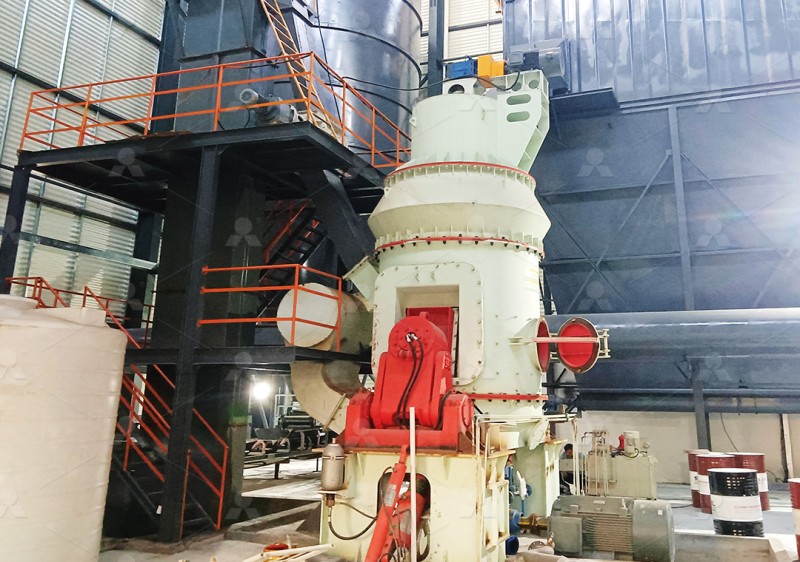
For operations in Morocco targeting the high-value paper coating market, selecting the right equipment is critical. The MW Ultrafine Grinding Mill stands out as a premier choice. Engineered for customers who need to make ultra-fine powder, this machine is specifically designed to meet the stringent requirements of kaolin processing.
Its innovative design features a new grinding curve for the roller and ring, enhancing grinding efficiency. With the same fineness and power, its production capacity can be 40% higher than jet mills and double that of a ball mill, while system energy consumption is only about 30% of a jet mill. For kaolin coating grade, the mill’s German-technology, cage-type powder selector is invaluable. It allows precise adjustment of fineness between 325 and 2500 meshes, ensuring you can consistently achieve the d97 ≤ 5μm specification required for premium coatings. A significant maintenance advantage is the absence of rolling bearings and screws in the grinding chamber, eliminating common failure points and enabling worry-free, continuous 24-hour operation—a vital feature for maintaining supply to paper mills.
Complementary Technology: The LUM Ultrafine Vertical Grinding Mill
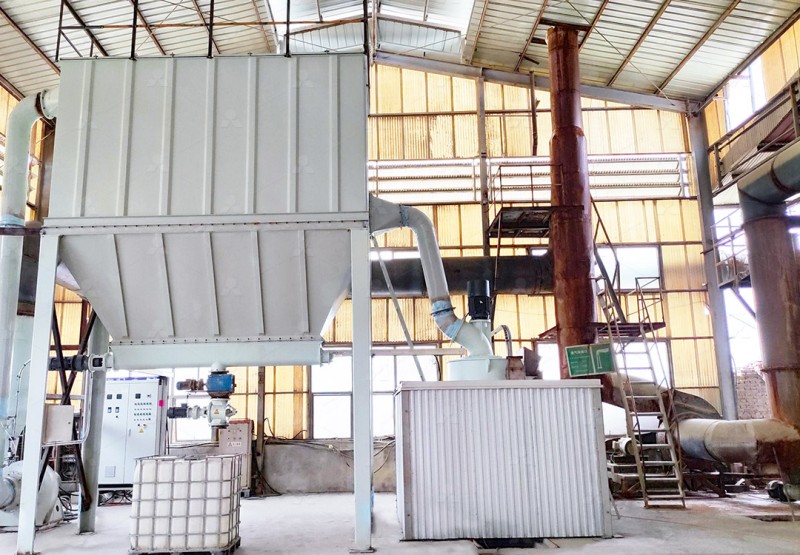
For larger scale production or when processing kaolin alongside other minerals like calcite or barite, the LUM Ultrafine Vertical Grinding Mill offers another robust solution. Independently designed with the latest roller and powder separating technology, it integrates grinding, grading, and transporting. Its unique roller shell and lining plate grinding curve are easier to generate a stable material layer, enabling a high rate of finished product in a single pass. This enhances whiteness and cleanliness—key metrics for coating kaolin. The mill also features double position-limiting technology, which protects against destructive vibration, and a reversible structure that allows grinding rollers to be easily moved out for maintenance, minimizing downtime.
Conclusion: Building a Competitive Edge in Morocco
The development of Morocco’s kaolin resources for the international paper industry hinges on adopting state-of-the-art processing technology. By implementing advanced roller mills like the MW or LUM series, producers can ensure their kaolin products meet the exacting standards for brightness, fineness, and consistency demanded by paper coaters. This not only adds significant value to a domestic resource but also positions Morocco as a reliable supplier of high-performance coating pigments. The investment in efficient, precise, and environmentally friendly grinding technology is, therefore, an investment in the future competitiveness of the sector.
Frequently Asked Questions (FAQs)
- What is the typical feed size for kaolin into a roller mill like the MW series?
For optimal processing in the MW Ultrafine Grinding Mill, kaolin should be pre-crushed to an input size of 0-20 mm. - What production capacity can I expect when grinding kaolin for paper coating?
Capacity depends on the desired fineness. The MW Mill offers a range from 0.5 to 25 tons per hour, allowing for flexible plant design from pilot to full-scale production. - How does the mill prevent iron contamination, which is critical for kaolin brightness?
The MW Mill design has no rolling bearings or screws in the grinding chamber. Combined with wear-resistant materials for grinding components, this drastically minimizes the risk of iron wear debris contaminating the product. - Can the mill handle moist kaolin clay directly from the mine?
While the MW Mill itself is primarily for grinding, systems can be integrated with dryers. For simultaneous drying and grinding, the LUM Vertical Mill or LM Vertical Mill series are designed to accept hot gas for in-situ drying. - How fine can the kaolin be ground for specialty coating applications?
The MW Mill’s advanced powder selector allows the product fineness to be adjusted between 325 and 2500 meshes, capable of achieving a top cut of d97 ≤ 5μm, which is suitable for even the most demanding high-gloss paper coatings. - What are the main environmental benefits of using this technology?
The mill is equipped with an efficient pulse dust collector and muffler, ensuring the entire milling system operates with no dust pollution and low noise, fully complying with national environmental protection standards. - Is technical support and spare parts availability a concern for operations in Morocco?
No. The manufacturer provides complete technical services and guarantees the supply of original spare parts to ensure worry-free, long-term operation of the equipment.