
Barite mineral grinding mill for chemical filler in turkey
Barite Mineral Grinding Mill for Chemical Filler in Turkey: A Technical Guide
Turkey’s strategic position as a bridge between Europe and Asia, combined with its rich mineral resources, has established it as a significant player in the global industrial minerals market. Among these resources, barite (barium sulfate) holds a prominent place, particularly for its critical role as a high-performance filler and extender in the chemical industry. The transformation of raw barite ore into the ultra-fine, high-purity powders demanded by paint, plastic, rubber, and coating manufacturers hinges on one crucial process: precision grinding. Selecting the optimal grinding mill is not merely an equipment choice; it is a strategic decision impacting product quality, operational efficiency, and environmental compliance.
The requirements for chemical-grade barite filler are stringent. The final product must exhibit consistent particle size distribution, high brightness, chemical inertness, and low abrasiveness. Achieving these properties, especially at fineness levels often exceeding 800 meshes, requires grinding technology that goes beyond simple size reduction. It demands a system capable of efficient classification, minimal iron contamination, and controlled thermal impact to preserve the mineral’s inherent qualities.
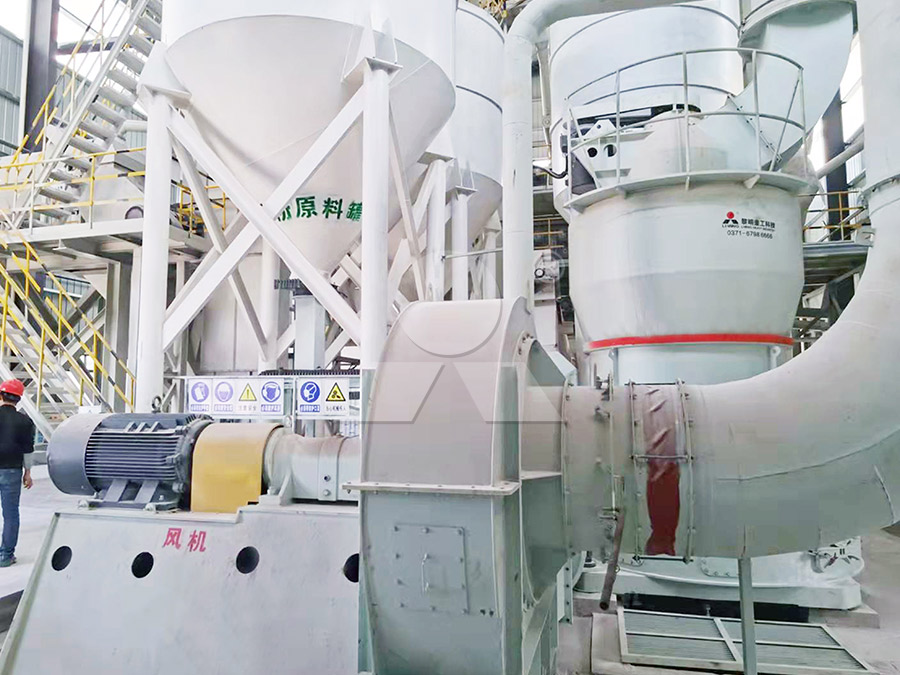
The Grinding Challenge: From Ore to High-Value Filler
Traditional grinding methods, such as ball mills, often fall short for modern filler applications. Issues like broad particle size distribution, high energy consumption, and potential for iron contamination from grinding media can compromise the final product’s performance in sensitive chemical formulations. The market increasingly demands mills that offer:
- Precise Particle Size Control: Ability to produce powders in a narrow range, typically between 325 and 2500 meshes, with high screening efficiency (e.g., d97 ≤ 5μm).
- Product Purity: Minimal iron pickup and the ability to maintain the natural whiteness of barite.
- Energy Efficiency: Lower specific energy consumption per ton of product to reduce operational costs.
- Environmental Integrity: Fully enclosed, dust-free operation with low noise emissions.
- System Reliability & Easy Maintenance: Minimal downtime for checks and part replacements.
Advanced Mill Technologies for Turkish Barite Processing
Meeting these challenges requires innovative engineering. Modern grinding systems utilize principles of centrifugal rolling pressure, efficient air classification, and intelligent system design. For barite processing aimed at the chemical filler market, two standout technologies have proven particularly effective: advanced ring-roller mills and ultra-fine vertical grinding systems.
Ring-roller mills, such as the evolved European Trapezium designs, offer excellent stability and are well-suited for high-capacity production of fine powders. Their bevel gear overall drive and curved air duct designs contribute to smooth operation and energy savings. However, for producers targeting the ultra-fine (< 10μm) and high-value segment of the filler market, where exceptional whiteness and precise top-cut control are paramount, more specialized equipment is often warranted.

Recommended Solution: MW Ultrafine Grinding Mill
For Turkish barite processors focused on maximizing value in the chemical filler sector, the MW Ultrafine Grinding Mill presents a compelling solution. This machine is engineered specifically for producing ultra-fine powders with superior characteristics.
Its design directly addresses the core needs of filler production. The newly designed grinding curves of the roller and ring enhance efficiency, yielding up to 40% higher capacity compared to some alternative fine-grinding technologies at the same power level. A key feature is its cage-type powder selector, which allows precise fineness adjustment between 325 and 2500 meshes, ensuring the exact particle distribution required by paint and plastic compounders. The mill’s internal design eliminates rolling bearings and screws in the grinding chamber, a significant innovation that prevents failures related to bearing seals and loose components, thereby enhancing reliability for continuous 24/7 operation.
Furthermore, the integrated efficient pulse dust collector and muffler system ensures the entire production process meets stringent environmental standards, a critical factor for sustainable operations. With an input size of 0-20 mm and a capacity range of 0.5-25 tph, the MW Series offers flexibility for various production scales common in the Turkish market.
Operational Excellence and Support
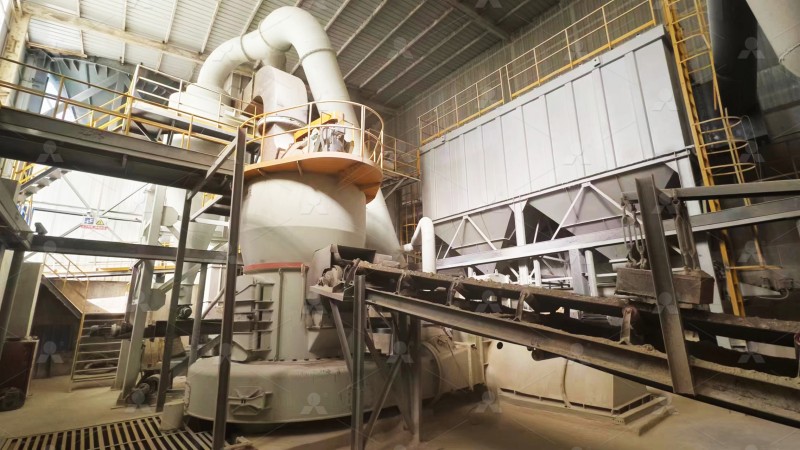
Beyond the machine itself, successful integration relies on technical support and quality assurance. A supplier that oversees both production and sales can take full responsibility for the equipment. This includes providing genuine spare parts and expert technical services, ensuring long-term, worry-free operation. The advantage of digitalized manufacturing—using numerically controlled machine tools for high-precision fabrication of core parts—cannot be overstated, as it translates directly into mill stability and consistency of the final barite product.
Conclusion
The choice of grinding technology is pivotal for Turkish barite producers aiming to compete in the high-value chemical filler industry. By investing in advanced, purpose-built mills like the MW Ultrafine Grinding Mill, processors can achieve the precise product specifications, operational efficiency, and environmental compliance demanded by global markets. This strategic equipment decision not only optimizes the value of Turkey’s domestic barite resources but also strengthens its position as a reliable supplier of high-performance industrial minerals to the world.
Frequently Asked Questions (FAQs)
- What is the typical fineness range achievable for barite filler using your recommended mills?
Our MW Ultrafine Grinding Mill can reliably produce barite powder with adjustable fineness between 325 and 2500 meshes, with high screening efficiency capable of achieving d97 ≤ 5μm. - How does the mill prevent iron contamination, which is critical for barite brightness?
The design avoids direct metal-to-metal contact in critical grinding zones where possible, and specific models have no rolling bearings or screws inside the grinding chamber. The use of wear-resistant alloys and a clean mechanical design minimizes iron pickup. - What are the key environmental features of these grinding systems?
They are equipped with efficient pulse jet dust collectors for near-zero dust emission and integrated mufflers or noise reduction rooms to keep operational noise well within regulatory limits. - What is the advantage of the cage-type powder selector?
It offers more precise particle size classification compared to traditional blade-type selectors, allowing for sharper top-cut control and higher efficiency, which is essential for consistent filler quality. - Can the mill handle the varying moisture content of barite ore from different sources?
While the MW mill is primarily for grinding, our range includes vertical mills (like LM series) that integrate drying and grinding. For ore with higher moisture, a pre-drying stage or selection of a mill with hot air intake capability is recommended. - How is maintenance handled, especially for wear parts?
We provide complete technical documentation and support. Many wear parts feature split or reversible designs to facilitate easier replacement. Original spare parts are supplied to ensure optimal fit and performance. - What kind of after-sales support can we expect in Turkey?
Our responsibility covers the entire machine lifecycle. We offer remote technical support, on-site installation guidance (if contracted), and a reliable supply chain for original spare parts to ensure continuous operation.