
Using industrial pulverizer for quicklime for calcium compound production in vietnam
Using Industrial Pulverizers for Quicklime in Calcium Compound Production: A Vietnam Market Perspective
The Vietnamese industrial landscape is undergoing a significant transformation, with the calcium compound sector emerging as a critical component of the nation’s chemical, construction, and agricultural industries. At the heart of this production chain lies a crucial raw material: quicklime (calcium oxide, CaO). The efficient processing of quicklime into fine, reactive powders is paramount for manufacturing downstream products like precipitated calcium carbonate (PCC), calcium hydroxide, and various calcium-based additives. This article explores the pivotal role of industrial pulverizers in this process, examining the technical demands and presenting advanced milling solutions tailored for the Vietnamese market.
The Critical Role of Grinding in Quicklime Processing
Quicklime, produced by calcining limestone at high temperatures, is typically obtained in lump or coarse granular form. For its subsequent use in chemical reactions—such as slaking to produce hydrated lime or carbonation to produce PCC—a high surface area is essential. This is where industrial pulverizers come into play. The grinding process directly influences the reactivity, purity, and final application properties of the calcium compounds. Inconsistent or coarse particles lead to incomplete reactions, lower product quality, and wasted raw material. Therefore, selecting the right grinding technology is not merely an operational decision but a strategic one impacting overall plant efficiency and product competitiveness.
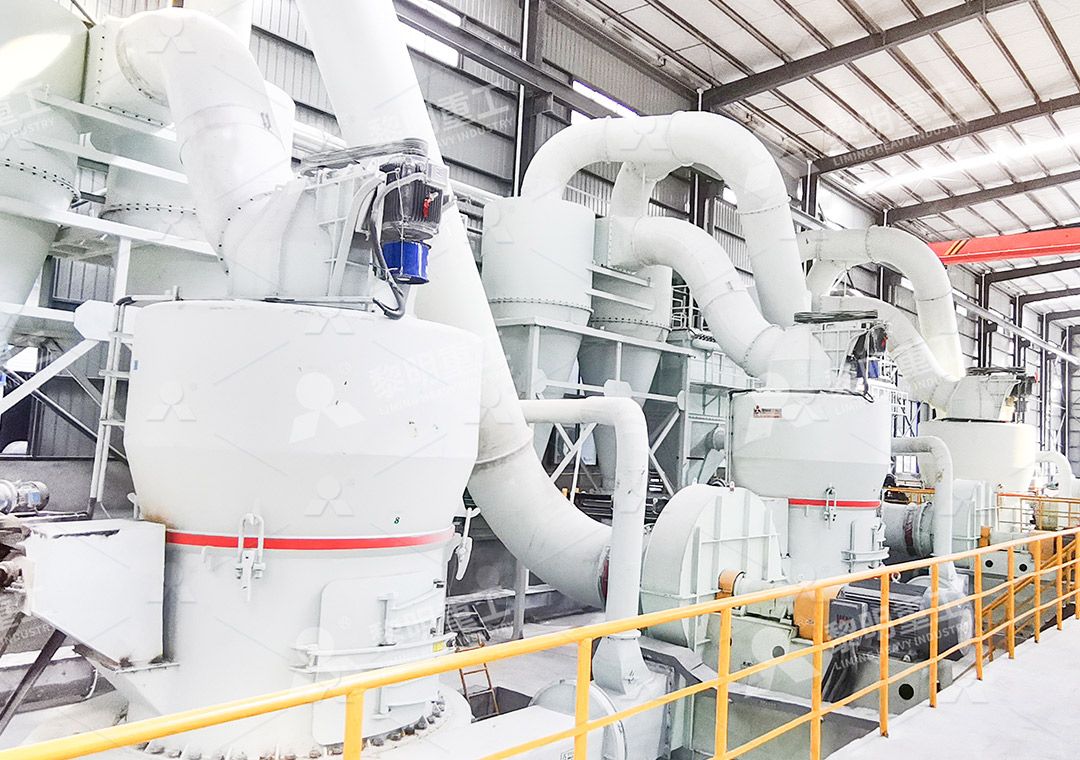
Technical Challenges in Quicklime Milling
Grinding quicklime presents unique challenges that not all milling equipment can adequately address. Firstly, quicklime is abrasive, accelerating wear on grinding components. Secondly, it is hygroscopic and can begin to hydrate if exposed to moisture during grinding, leading to clogging and reduced mill efficiency. Thirdly, the process often demands a very fine and tightly controlled particle size distribution (PSD), sometimes reaching into the micron or sub-micron range for specialty chemicals. Finally, operational costs, including energy consumption and maintenance downtime, are constant concerns for producers aiming to maintain profitability in a competitive market.
Advanced Milling Solutions for Modern Plants
To overcome these challenges, modern grinding systems offer integrated solutions that combine high efficiency, environmental controls, and operational reliability. Leading technologies move beyond traditional ball mills, focusing on mechanisms that apply grinding force more efficiently through compression and shear rather than impact alone, reducing energy waste. Furthermore, closed-system designs with advanced air classification and integrated dust collection are non-negotiable for maintaining product purity, protecting the workplace, and meeting Vietnam’s increasingly stringent environmental regulations.
Introducing the MW Ultrafine Grinding Mill: Precision for High-Value Products
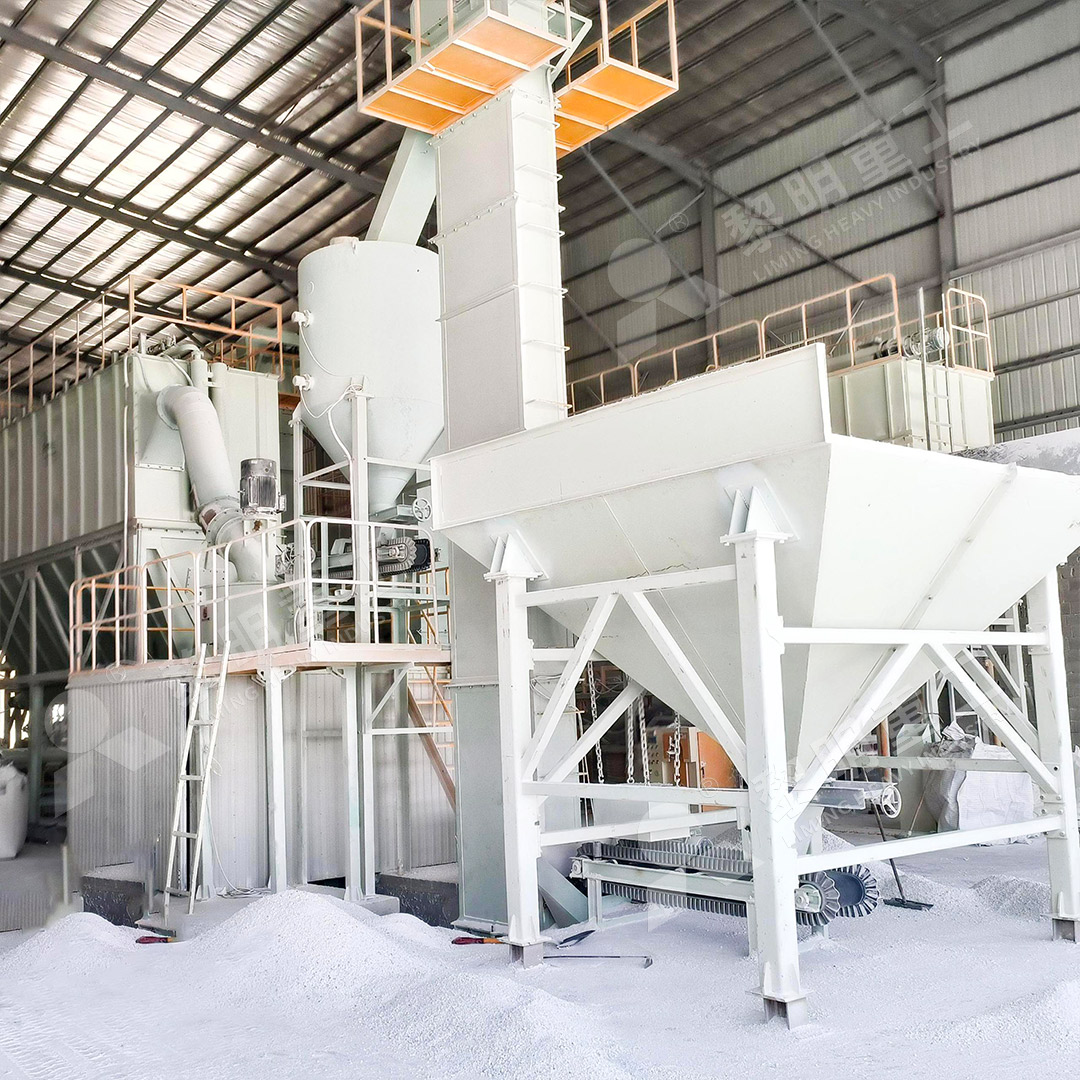
For Vietnamese producers targeting the high-value end of the calcium compound market, such as nano-sized PCC for plastics, paints, or pharmaceuticals, an ultrafine grinding solution is essential. The MW Ultrafine Grinding Mill is engineered precisely for this demanding application. Designed to produce ultra-fine powder from 325 to 2500 meshes, it is ideal for processing quicklime into the finest grades required for advanced chemical synthesis.
Its standout feature is a German-technology-derived cage-type powder selector, which ensures a precise and efficient separation, achieving a screening rate of d97≤5μm in a single pass. This results in a consistently fine and uniform product. Equally important for quicklime processing is its operational design. The grinding chamber contains no rolling bearings or screws, eliminating critical failure points and concerns about damage from abrasive dust. The lubrication system is external, allowing for maintenance without shutdown—a key advantage for continuous production lines. With a capacity range of 0.5 to 25 TPH and input size of 0-20 mm, it fits well into various production scales. The mill is also equipped with an efficient pulse dust collector and silencer, ensuring the grinding process is both dust-free and compliant with environmental standards, making it a responsible choice for Vietnam’s growing industry.
The LUM Ultrafine Vertical Grinding Mill: Efficiency and Stability
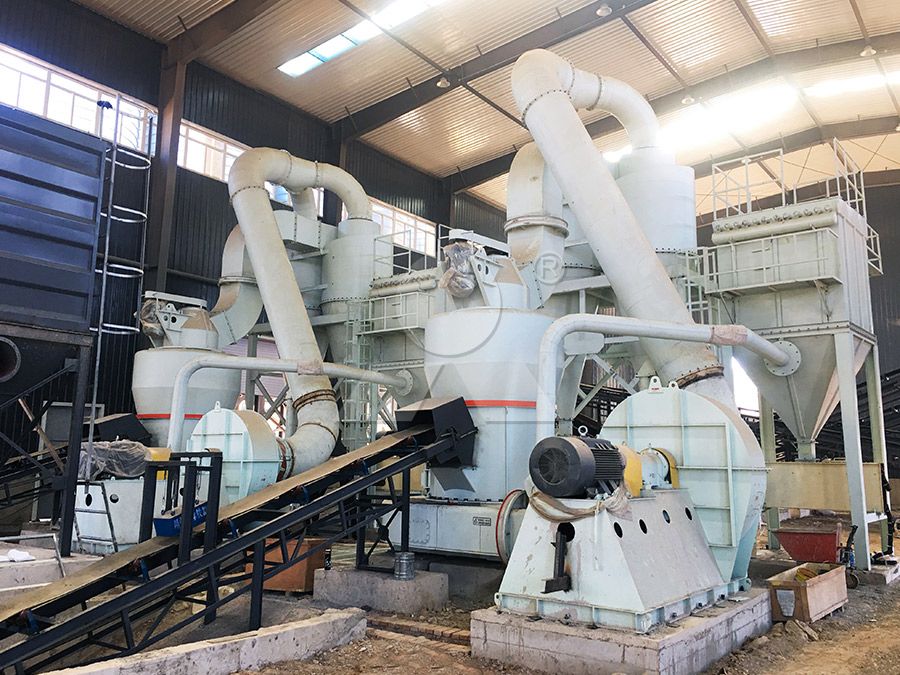
Another exemplary solution for high-efficiency quicklime milling is the LUM Ultrafine Vertical Grinding Mill. This mill integrates grinding, grading, and transportation into a single, compact unit. It incorporates the latest grinding roller and powder separating technology to address common grinding pitfalls. Its unique roller shell and lining plate design promotes stable material layer formation, enabling a high rate of finished product in a single pass. This not only boosts efficiency but also enhances the whiteness and cleanliness of the final powder—a critical quality parameter for many calcium compounds.
Operational stability is ensured through double position-limiting technology, which protects the mill from destructive vibrations. For quicklime producers, ease of maintenance is crucial to minimize downtime. The LUM mill’s reversible structure, combined with a hydraulic system, allows grinding rollers to be easily moved out of the body for inspection and part replacement. With an input size of 0-10 mm and a capacity of 5-18 TPH, it offers a robust and energy-saving solution, reportedly reducing energy consumption by 30%-50% compared to conventional mills.
Conclusion: Investing in the Right Technology
The success of Vietnam’s calcium compound production sector hinges on adopting advanced, reliable, and efficient processing technologies. The choice of an industrial pulverizer for quicklime is a foundational decision that affects product quality, operational cost, and environmental footprint. Technologies like the MW Ultrafine Grinding Mill and the LUM Ultrafine Vertical Grinding Mill represent the next generation of milling equipment, offering Vietnamese manufacturers the precision, reliability, and eco-efficiency needed to compete in both domestic and international markets. By investing in such tailored grinding solutions, producers can ensure a consistent, high-quality supply of ground quicklime, unlocking greater value and fostering sustainable growth in this vital industry.
Frequently Asked Questions (FAQs)
- What is the primary advantage of using an ultrafine mill for quicklime over a traditional ball mill?
Ultrafine mills like the MW series apply grinding force more efficiently through compression and shear, leading to significantly lower energy consumption (up to 40-50% less), a narrower and more controllable particle size distribution, and higher production yields for fine powders. - How do these mills handle the abrasive nature of quicklime to reduce maintenance?
Key designs include grinding chambers without internal rolling bearings or screws (MW Mill), the use of high-performance wear-resistant alloys for rollers and rings, and external lubrication systems that prevent abrasive ingress into critical moving parts. - Can the fineness of the final quicklime powder be adjusted during operation?
Yes. Advanced mills feature adjustable classifiers or powder selectors. For instance, the MW Ultrafine Grinding Mill’s cage-type selector allows the product fineness to be adjusted between 325 and 2500 meshes to meet different batch requirements. - Are these grinding systems suitable for Vietnam’s humid climate, given quicklime’s tendency to hydrate?
Absolutely. These are typically closed-circuit, negative-pressure systems. The grinding process uses dry air, and the integrated design minimizes moisture ingress. Proper plant air conditioning and raw material storage remain important complementary measures. - What kind of production capacity can I expect for a quicklime grinding line?
Capacity depends on the target fineness and the mill model. For example, the MW Ultrafine Grinding Mill offers a range of 0.5 to 25 TPH, while the LUM Vertical Mill ranges from 5 to 18 TPH, allowing scalability for different plant sizes. - How is dust control managed to ensure environmental compliance?
The mills are equipped with high-efficiency pulse jet dust collectors integrated into the system. This ensures that all process air is filtered before release, effectively eliminating dust pollution and meeting national environmental protection standards. - Is local technical support and spare parts availability a concern in Vietnam?
Reputable manufacturers provide comprehensive after-sales support. This includes the supply of original spare parts, remote technical assistance, and on-site service if needed, ensuring worry-free long-term operation.