
Using grinding mill for bentonite for animal feed binder in iran
Introduction: The Strategic Role of Bentonite in Iran’s Animal Feed Industry
Iran’s agricultural and livestock sectors are pillars of the national economy, with a growing emphasis on efficiency, animal health, and cost-effective production. A critical, yet often overlooked, component in modern feed formulation is the binder. Bentonite, a naturally occurring clay mineral abundant in various regions of Iran, has emerged as a superior, non-toxic binding agent. Its unique properties—high water absorption, swelling capacity, and cation exchange—improve pellet durability, reduce dust, enhance nutrient retention, and even offer detoxifying benefits for livestock. However, the efficacy of bentonite is directly tied to its particle size and purity after processing. This is where advanced grinding technology becomes indispensable.
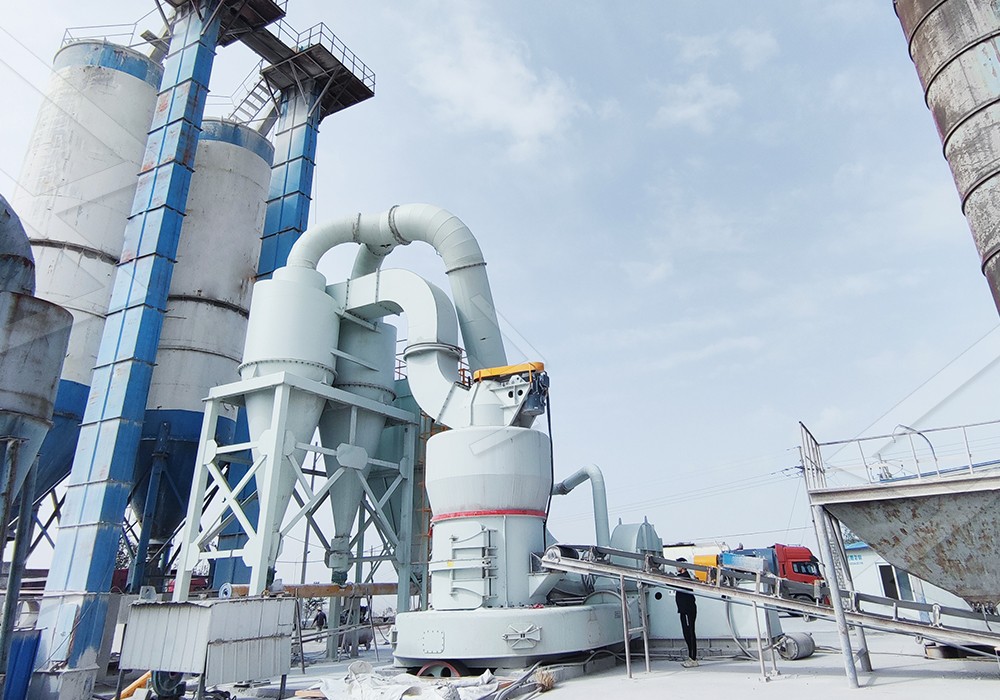
The Technical Challenge: From Raw Clay to Functional Additive
Raw bentonite clay is mined in lumps and requires precise comminution to unlock its full potential as a feed binder. The target is a fine, consistent powder with a high surface area to maximize its binding and absorption characteristics. Traditional grinding methods often fall short, leading to inconsistent particle size distribution, high energy consumption, and potential contamination from grinding media wear. For the Iranian market, where operational reliability and energy efficiency are paramount, selecting the right milling equipment is a decisive factor for feed mill operators.
Selecting the Optimal Grinding Solution for Bentonite
Not all grinding mills are created equal for processing bentonite for feed-grade applications. The ideal system must deliver controlled fineness, high throughput, operational stability, and minimal iron contamination to preserve the clay’s natural properties. Two technological pathways stand out for this specific application: advanced trapezium mills for high-capacity production and ultrafine vertical mills for premium-grade products.
High-Efficiency Solution: The MTW-Z European Trapezium Mill
For feed mills requiring robust, high-volume production of bentonite binder, the MTW-Z European Trapezium Mill presents an exceptional solution. Engineered for materials like bentonite, its design directly addresses key operational pain points. The mill’s dilute oil lubrication system for grinding rollers is a maintenance breakthrough, eliminating frequent grease additions and reducing downtime—a significant advantage in Iran’s industrial setting. Its elastic volute damping structure ensures remarkable operational stability, absorbing vibrations and protecting critical components, which translates to consistent output and longevity.
Furthermore, the absence of a shovel blade cylinder in the grinding chamber allows for larger ventilation area and lower air-conveying resistance, enhancing overall grinding efficiency. The integrated low-resistance cage-type powder concentrator enables precise particle size control with lower energy consumption. With an input size of 0-50 mm and a capacity range of 3-55 tph, the MTW-Z is perfectly scaled to integrate into the supply chains of Iran’s major feed producers, ensuring a reliable stream of high-quality bentonite binder.
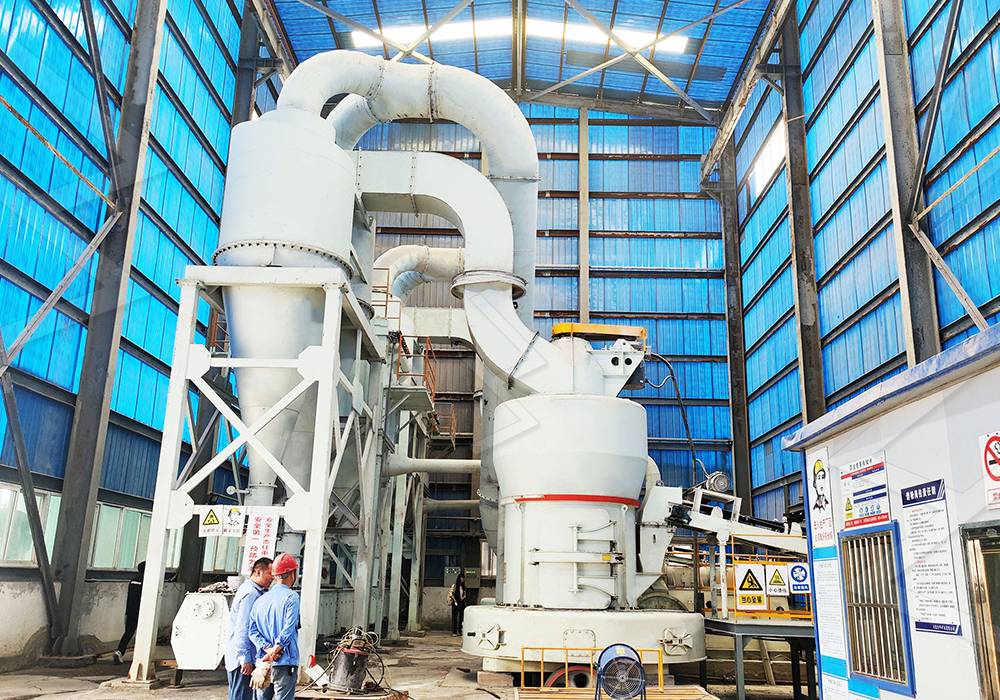
Premium-Grade Solution: The LUM Ultrafine Vertical Grinding Mill
When the application demands an ultra-fine, high-purity bentonite powder for specialized feed formulations, the LUM Ultrafine Vertical Grinding Mill is the technological choice. This mill excels in producing superfine powders with superior whiteness and cleanliness, crucial for premium feed additives. Its core innovation lies in the unique roller shell and lining plate grinding curve, which facilitates easy material layer formation and achieves a high rate of finished product in a single pass. This design minimizes over-grinding and reduces the residence time of material, effectively lowering the risk of iron contamination from mechanical wear—a critical factor for maintaining bentonite’s natural efficacy.
The LUM mill incorporates PLC control and multi-head powder separating technology, allowing operators to make precise, rapid adjustments to fineness (achieving products from 325 to 2500 meshes) to meet specific feed pelletizing requirements. Its double position-limiting technology provides an extra layer of protection against disruptive vibrations, guaranteeing stable, uninterrupted operation. With a compact footprint and energy consumption 30%-50% lower than common grinding mills, the LUM offers Iranian producers a path to high-value, efficient bentonite processing.
Integration and Economic Benefits for Iranian Producers
Implementing these advanced grinding systems within Iran’s feed industry supply chain offers multifaceted benefits. Locally sourced bentonite can be transformed into a standardized, value-added product, reducing reliance on imported binders and strengthening domestic value chains. The energy-saving designs of both recommended mills directly combat high operational costs, while their environmental features—such as efficient pulse dust collectors and low-noise operation—align with increasingly stringent national standards.
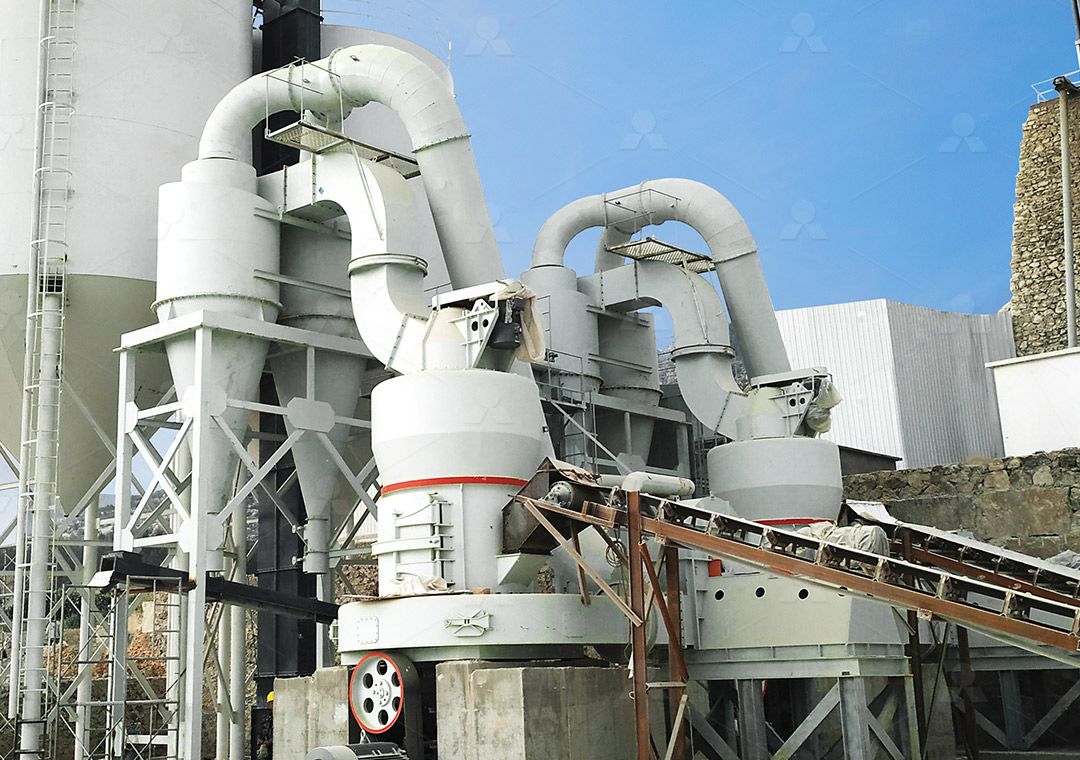
Ultimately, the choice between the high-capacity MTW-Z and the premium-focused LUM depends on the specific production goals and scale of the operation. Both are backed by comprehensive technical support and a guaranteed supply of original spare parts, ensuring worry-free, long-term operation—a key consideration for strategic industrial investments in Iran.
Conclusion
The strategic processing of bentonite for animal feed binders represents a significant opportunity for Iran’s agribusiness sector. By leveraging advanced grinding technology, such as the MTW-Z European Trapezium Mill and the LUM Ultrafine Vertical Grinding Mill, producers can optimize a domestic resource, enhance feed quality, and improve economic returns. Investing in the right milling equipment is not merely a purchase; it is a commitment to higher standards, greater efficiency, and sustained competitiveness in the vital field of animal nutrition.
Frequently Asked Questions (FAQs)
- What is the primary advantage of using bentonite as a feed binder?
Bentonite improves pellet durability and hardness, reduces feed dust, can bind toxins, and may enhance nutrient retention in the animal’s digestive tract due to its high cation exchange capacity. - Why is particle size so important for bentonite in feed applications?
A finer, more uniform particle size increases the surface area of the bentonite, maximizing its water absorption and binding properties, leading to more stable and durable feed pellets. - How does the MTW-Z mill’s lubrication system reduce maintenance?
The MTW-Z uses a sealed dilute oil lubrication system for its grinding rollers, which is maintenance-free and more reliable than traditional grease lubrication, requiring less frequent intervention and reducing downtime. - Can these mills handle the moisture content sometimes found in raw bentonite?
Yes, both the MTW-Z and LUM systems can be integrated with drying processes. The LUM vertical mill, in particular, is excellent at handling materials with some moisture due to its hot air drying capabilities within the grinding chamber. - What fineness range is typically required for bentonite feed binder?
While it varies, a fineness between 200 to 800 meshes is commonly effective for feed pelletizing. Both the MTW-Z and LUM mills offer precise control well within and beyond this range. - Is iron contamination a concern when grinding bentonite?
Yes. Iron from worn grinding media can contaminate the clay. The LUM Ultrafine Vertical Mill is specifically designed to minimize metal-to-metal contact and over-grinding, resulting in a product with very low iron content. - Are these mills suitable for the power supply conditions in Iran?
Absolutely. The mills are designed with high-efficiency drives and can be configured with appropriate motor starters and control systems to operate reliably under local grid conditions. - What kind of after-sales support is available for operations in Iran?
Comprehensive support is provided, including installation supervision, operator training, a guaranteed supply of original spare parts, and remote technical assistance to ensure continuous, worry-free operation.