
Roller mill for gypsum for plaster production in venezuela
Roller Mill Technology for Gypsum Plaster Production in Venezuela: A Technical and Economic Analysis
The Venezuelan construction sector, despite its cyclical nature, maintains a consistent demand for high-quality building materials. Gypsum plaster, a fundamental component for interior finishes, partitions, and decorative elements, relies heavily on efficient and precise grinding technology. The selection of an appropriate roller mill is not merely an equipment choice; it is a strategic decision impacting product quality, operational costs, and environmental compliance. This article explores the critical considerations for gypsum processing in the Venezuelan context and highlights advanced technological solutions.
Gypsum (CaSO4·2H2O) requires careful milling to achieve the specific particle size distribution (PSD) essential for optimal plaster performance. Key parameters include setting time, compressive strength, and surface smoothness. Traditional ball mills, while common, often struggle with high energy consumption, broad PSD, and significant heat generation, which can partially dehydrate the gypsum and alter its properties. Modern roller mill technology addresses these shortcomings directly.
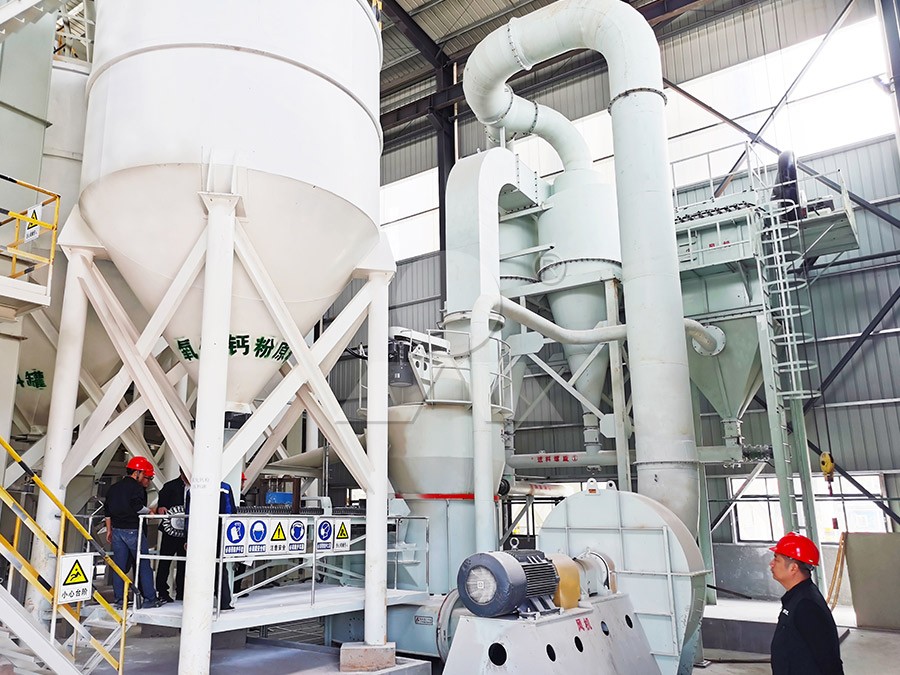
Core Technical Requirements for Gypsum Grinding
For plaster production, the grinding system must deliver:
- Controlled Fineness & Narrow PSD: A consistent powder between 100-325 mesh is typical for most plaster applications. A narrow PSD ensures uniform water demand and setting characteristics.
- Low Iron Contamination: To maintain the desired whiteness of finished plaster, the grinding process must minimize iron introduction from mechanical wear.
- Thermal Management: Operating temperatures must remain below ~120°C to prevent premature dehydration of the dihydrate gypsum into hemihydrate (Plaster of Paris) or anhydrite within the mill.
- Energy Efficiency: Given the operational cost pressures, low specific energy consumption (kWh/ton) is paramount.
- System Reliability & Ease of Maintenance: Robust design and accessible components reduce downtime, a critical factor for continuous production lines.
The Vertical Roller Mill Advantage
Vertical Roller Mills (VRMs) have become the industry benchmark for processing non-metallic minerals like gypsum. Their principle of material bed comminution—where grinding force is applied via hydraulically loaded rollers to a bed of material on a rotating table—offers distinct benefits over impact-based or ball mill systems.
For Venezuelan producers, the advantages are tangible. The integrated drying capability allows the processing of gypsum with moderate moisture content using waste heat from the calcination process or a small auxiliary heater. The compact footprint reduces civil construction costs, and the ability to operate under negative pressure ensures a dust-free workshop, aligning with increasingly important environmental and worker safety standards.
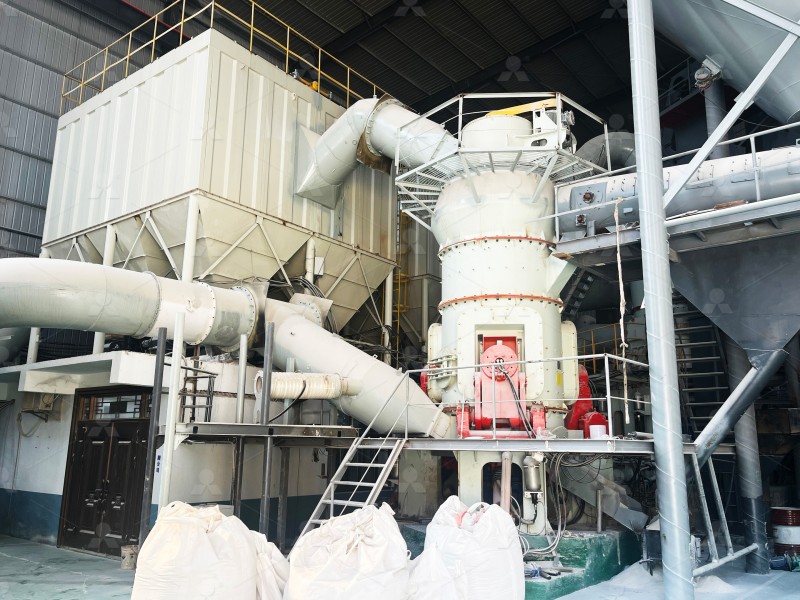
Product Spotlight: The LUM Ultrafine Vertical Grinding Mill
For operations targeting high-value, ultra-fine gypsum fillers or specialized plasters, the LUM Ultrafine Vertical Grinding Mill represents a technological leap. Independently designed by LIMING, it integrates the latest grinding roller and German powder separating technologies. Its relevance to precision gypsum processing is clear:
- Superior Product Quality: The unique roller shell and lining plate grinding curve promotes stable material layer formation, enabling high-yield, single-pass milling. This results in improved whiteness and cleanliness—critical for premium plaster products.
- Exceptional Energy Savings: Utilizing a PLC-controlled, multi-head powder separating system, the LUM mill can reduce energy consumption by 30%-50% compared to conventional mills, directly lowering production costs.
- Operational Stability: Its double position-limiting technology (electronic and mechanical) protects the mill from destructive vibration, a valuable feature for ensuring uninterrupted production.
- Simplified Maintenance: The reversible structure, combined with a hydraulic system, allows grinding rollers to be easily swung out for inspection or liner replacement, minimizing downtime for critical maintenance tasks.
With an input size of 0-10 mm and a capacity range of 5-18 tph, the LUM series is ideally scaled for specialized plaster production lines seeking to enhance product value and operational efficiency.
Integrating Environmental and Economic Sustainability
Modern roller mills are designed with a full-system approach. Ancillary components like high-efficiency pulse jet baghouse dust collectors and multi-stage silencers are no longer optional. They are integral to the machine’s design, ensuring that the entire milling process from feed to product collection meets stringent environmental standards. This holistic design prevents dust pollution and reduces noise levels, facilitating smoother community relations and regulatory compliance for plants in Venezuela.
Furthermore, the digitalized manufacturing of core components—using numerically controlled machine tools for cutting, milling, and assembly—guarantees high precision and longevity. This translates to consistent grinding performance, lower wear rates, and reliable, worry-free operation supported by the manufacturer’s direct supply of original spare parts and technical services.
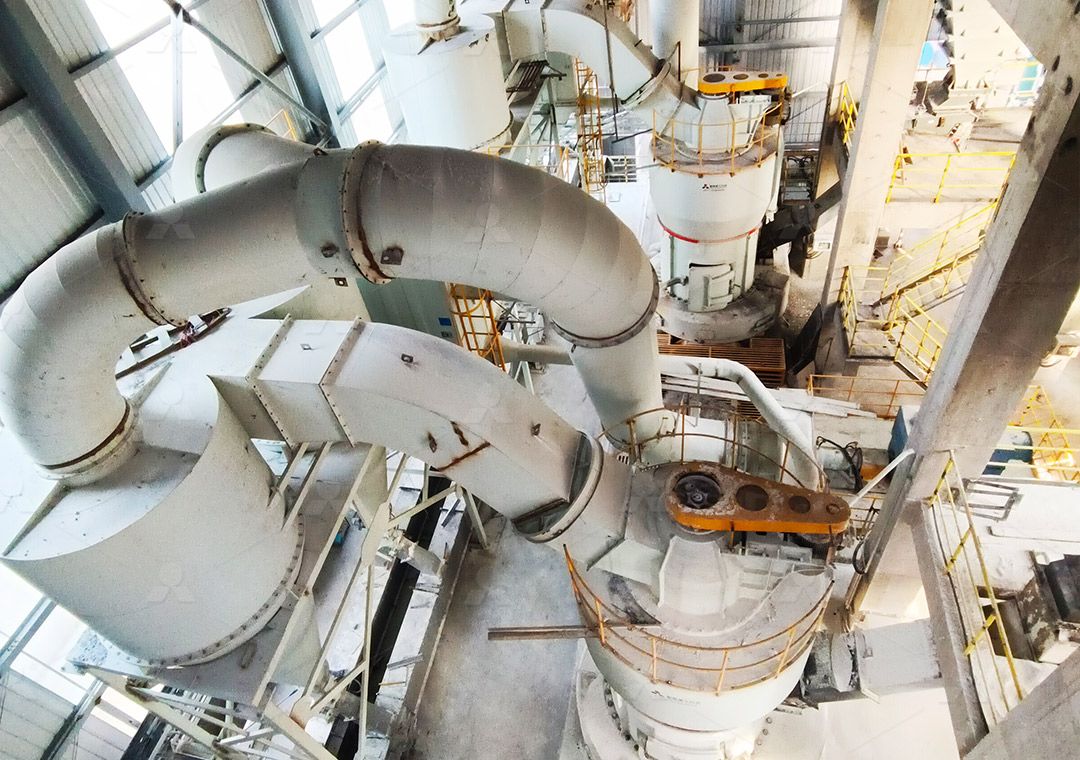
Conclusion: A Strategic Investment for the Future
For Venezuelan gypsum plaster producers, investing in advanced roller mill technology is a strategic move towards greater competitiveness. It is a decision that balances immediate operational needs—cost, quality, reliability—with long-term sustainability goals. Equipment like the LUM Ultrafine Vertical Grinding Mill provides the technological foundation to produce superior plaster products efficiently and responsibly. By partnering with an experienced manufacturer that offers comprehensive support from engineering to after-sales service, producers can secure a critical advantage in a demanding market, building a foundation for growth that is both economically sound and environmentally conscious.
Frequently Asked Questions (FAQs)
- What is the primary advantage of a vertical roller mill over a traditional ball mill for gypsum grinding?
VRMs offer significantly higher energy efficiency (30-50% savings), integrated drying, a more compact footprint, and better control over particle size distribution and product whiteness due to lower iron contamination. - How important is temperature control during gypsum milling?
It is critical. Excessive heat (>~120°C) can cause partial dehydration of the gypsum within the mill, altering its setting properties and leading to inconsistent plaster quality. VRMs generate less heat compared to ball mills. - Can these mills handle the raw gypsum rock directly from the quarry?
No. A primary crushing stage (e.g., jaw crusher) is required to reduce the raw gypsum to the mill’s specified feed size, typically under 20-50mm depending on the mill model, before it enters the grinding system. - What fineness range is needed for standard gypsum plaster?
Most construction plasters require a fineness between 100 and 325 mesh. Advanced mills with precision separators can reliably achieve and adjust within this range. - How is dust pollution controlled in a modern roller mill system?
The entire grinding circuit operates under negative pressure. All air from the mill is processed through a high-efficiency pulse jet baghouse filter, capturing over 99.9% of particulate matter before clean air is exhausted. - What are the key maintenance points for a vertical roller mill?
Primary wear parts are the grinding rollers and the table liner. Modern designs like the LUM series feature reversible rollers and hydraulic swing-out mechanisms to make inspection and replacement faster and safer, reducing downtime. - Is automation available for these grinding systems?
Yes. Advanced models come with PLC-based control systems allowing for remote monitoring and control, automatic adjustment of grinding pressure and separator speed, and integration with plant-wide SCADA systems for optimized production. - What after-sales support should I expect from the manufacturer?
A reputable manufacturer should provide comprehensive support including installation supervision, operator training, a guaranteed supply of genuine spare parts, and readily available technical service to ensure worry-free long-term operation.