
Using roller mill for cement clinker for blended cement in saudi arabia
Using Roller Mill for Cement Clinker in Blended Cement Production: A Saudi Arabian Perspective
The Kingdom of Saudi Arabia’s construction and infrastructure sector continues to demonstrate robust growth, driving sustained demand for high-quality cement. A key trend shaping the industry is the increasing production of blended cements, which incorporate supplementary cementitious materials (SCMs) like fly ash, slag, or limestone to enhance performance and sustainability. At the heart of this production shift is the critical process of grinding cement clinker and additives to the precise fineness required. This is where advanced roller mill technology becomes indispensable, offering superior efficiency, control, and environmental benefits compared to traditional ball mills.
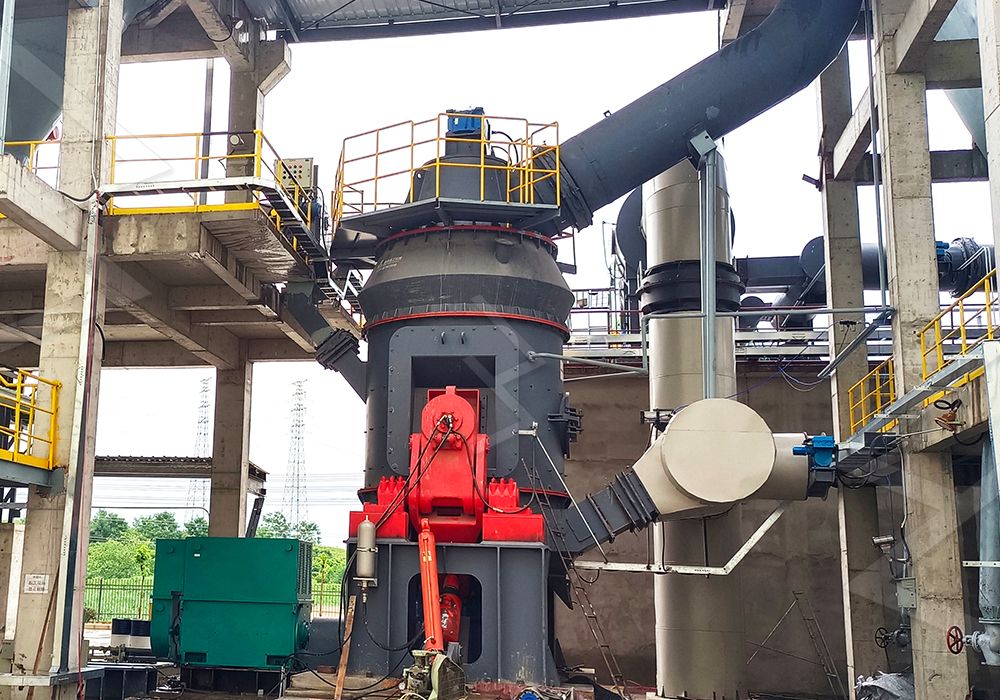
For Saudi cement producers, the choice of grinding equipment directly impacts operational costs, product quality, and environmental compliance. Roller mills, with their principle of material bed comminution, provide a significant leap forward. They operate with lower specific energy consumption, often 30-40% less than ball mills, a crucial factor given the region’s focus on energy efficiency. Furthermore, their ability to handle drier materials and integrate drying within the grinding chamber is highly advantageous in the arid Saudi climate, reducing the need for separate drying systems.
The Technical Demands of Blended Cement Grinding
Producing consistent blended cement requires more than just mixing components. The intergrinding of clinker with SCMs demands precise control over particle size distribution (PSD). The reactivity and ultimate strength contribution of SCMs are highly fineness-dependent. Roller mills excel here, offering excellent adjustability of product fineness through dynamic separators. This allows operators to tailor the PSD to optimize packing density and reduce water demand in the final concrete mix.
Another critical consideration is product temperature. Excessive heat during grinding can dehydrate gypsum (used as a set regulator) and negatively affect the cement’s performance. Roller mills, with their efficient air-swept design and lower heat generation compared to ball mills, offer better temperature control, ensuring the quality and consistency of the final blended cement product.
Beyond Clinker: The Need for Specialized Fine Grinding
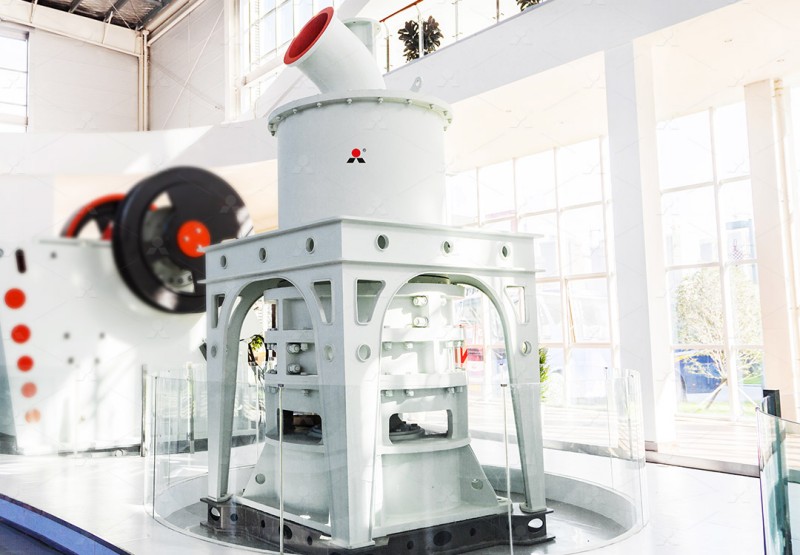
While roller mills like the LM Vertical Grinding Mill are industry workhorses for main clinker grinding, the evolution of advanced concrete formulations sometimes calls for ultra-fine additives. These materials, such as highly reactive pozzolans or specially processed limestone, require grinding to micron and sub-micron levels to unlock their full potential. This is a task for specialized ultrafine grinding technology.
For these demanding applications, where achieving a fineness between 325 to 2500 meshes is required, a different class of mill is needed. This is precisely where our MW Ultrafine Grinding Mill demonstrates exceptional capability. Designed for customers who need to make ultra-fine powder, the MW Mill is engineered for higher yield and lower energy consumption. Its newly designed grinding curves enhance efficiency, offering production capacity up to 40% higher than jet mills for the same fineness. A key feature for cement plant reliability is its design with no rolling bearings or screws in the grinding chamber, eliminating worries about bearing damage or failures from loose components. Furthermore, its efficient pulse dust collector ensures the entire milling system operates without dust pollution, aligning perfectly with stringent environmental standards.
Operational Advantages in the Saudi Context
The operational benefits of modern roller mills align perfectly with Saudi Arabia’s industrial goals. Their compact footprint reduces plant construction costs, a significant advantage. The fully automated control systems facilitate easy operation and stable product quality, reducing human error. Most importantly, their enclosed, negative-pressure operation virtually eliminates dust emissions—a critical factor for community relations and regulatory compliance. The integrated drying capability also future-proofs operations, allowing plants to efficiently utilize locally available SCMs with varying moisture content.
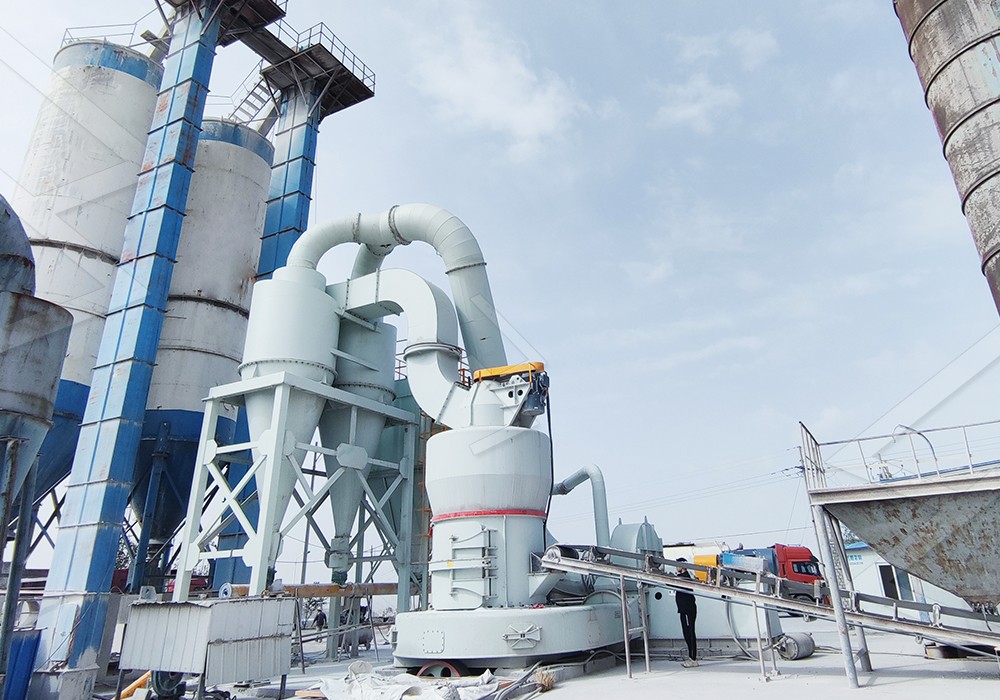
For the final stage of producing ultra-fine cementitious powders, the LUM Ultrafine Vertical Grinding Mill presents another formidable option. Integrating the latest grinding roller and powder separating technology, it is designed for higher yielding rates and better product quality. Its unique roller shell design promotes stable material layer formation, enabling a high rate of finished product in a single pass. The mill also features double position-limiting technology, which protects against destructive impacts from machine vibration, guaranteeing operational stability—a vital feature for continuous 24/7 production schedules common in Saudi cement plants.
Conclusion: A Strategic Investment for Future Growth
Adopting advanced roller mill technology is not merely an equipment upgrade; it is a strategic decision for Saudi cement manufacturers. It enables the cost-effective and high-quality production of blended cements, meeting both market demands and sustainability objectives. From the high-capacity clinker grinding with vertical mills to the specialized ultra-fine processing with mills like the MW series, selecting the right grinding solution is paramount. As the Kingdom continues its ambitious development trajectory, leveraging such efficient, clean, and precise grinding technology will be a cornerstone for a competitive and environmentally responsible cement industry.
Frequently Asked Questions (FAQs)
- What are the main advantages of using a roller mill over a traditional ball mill for cement clinker in Saudi Arabia?
Roller mills offer 30-50% lower energy consumption, integrated drying (beneficial for dry climates), superior particle size control for blended cements, lower noise, and significantly reduced dust emissions due to fully enclosed negative-pressure operation. - Can roller mills handle the grinding of slag or fly ash alongside clinker?
Yes, modern vertical roller mills and specialized mills are excellent for intergrinding clinker with supplementary materials like slag or fly ash, allowing for precise control over the final blend’s particle distribution. - How does the MW Ultrafine Grinding Mill achieve its high fineness for specialty additives?
The MW Mill utilizes a cage-type powder selector with German technology for precise separation, allowing adjustable fineness between 325-2500 meshes. Its optimized grinding curves and chamber design promote efficient micron-level grinding. - Is the maintenance of these advanced roller mills complex?
No, designs like the LUM Ultrafine Mill feature reversible structures and external lubrication systems for easier maintenance. The MW Mill’s design without internal bearings or screws in the grinding chamber also greatly simplifies upkeep and reduces failure points. - How do these mills address environmental concerns in cement production?
They are equipped with high-efficiency pulse dust collectors and silencers, operating under negative pressure to prevent dust spillage. Their lower energy consumption also directly reduces the carbon footprint associated with grinding. - What is the typical lifespan of grinding rollers and other wear parts?
Wear parts like rollers and rings are made from advanced wear-resistant alloys. In mills like the MTW series, their service life can be 1.7 to 2.5 times longer than traditional high manganese steel parts, reducing operating costs. - Can the fineness of the product be adjusted quickly to produce different cement grades?
Absolutely. The dynamic powder separators used in mills like the LUM and MW series allow for quick and accurate adjustment of product fineness by changing rotor speed, enabling flexible production scheduling.