
How to optimize kaolin processing with grinding machine for paper coating in egypt
How to Optimize Kaolin Processing with Grinding Machines for Paper Coating in Egypt
The Egyptian paper and pulp industry stands as a significant pillar of the nation’s manufacturing sector, with a growing emphasis on producing high-quality coated papers for both domestic and export markets. A critical component in this process is kaolin, or china clay, which serves as a primary coating pigment to enhance paper’s printability, smoothness, and brightness. However, the efficacy of kaolin is intrinsically tied to its particle size distribution, purity, and processing efficiency. Selecting and optimizing the right grinding technology is therefore paramount for Egyptian producers aiming to boost competitiveness, reduce operational costs, and meet stringent quality standards.
Kaolin for paper coating demands a precise balance. The particles must be fine enough to provide a smooth, opaque surface, yet not so fine that they increase viscosity and hinder runnability. Traditional grinding methods often struggle with this balance, leading to inconsistent quality, high energy consumption, and excessive wear on equipment. The quest for optimization in Egypt’s processing plants revolves around achieving a controlled, ultra-fine grind with maximum yield and minimal environmental impact.
The Critical Role of Particle Size in Coating Performance
For premium paper coatings, kaolin particles typically need to be ground to a fineness where 90% of the particles are less than 2 microns. This ultra-fine grade ensures excellent light scattering for high brightness and opacity, and a smooth surface for sharp printing. Achieving this consistently requires a grinding mill that offers not just high capacity, but precise control over the final product’s particle size distribution.
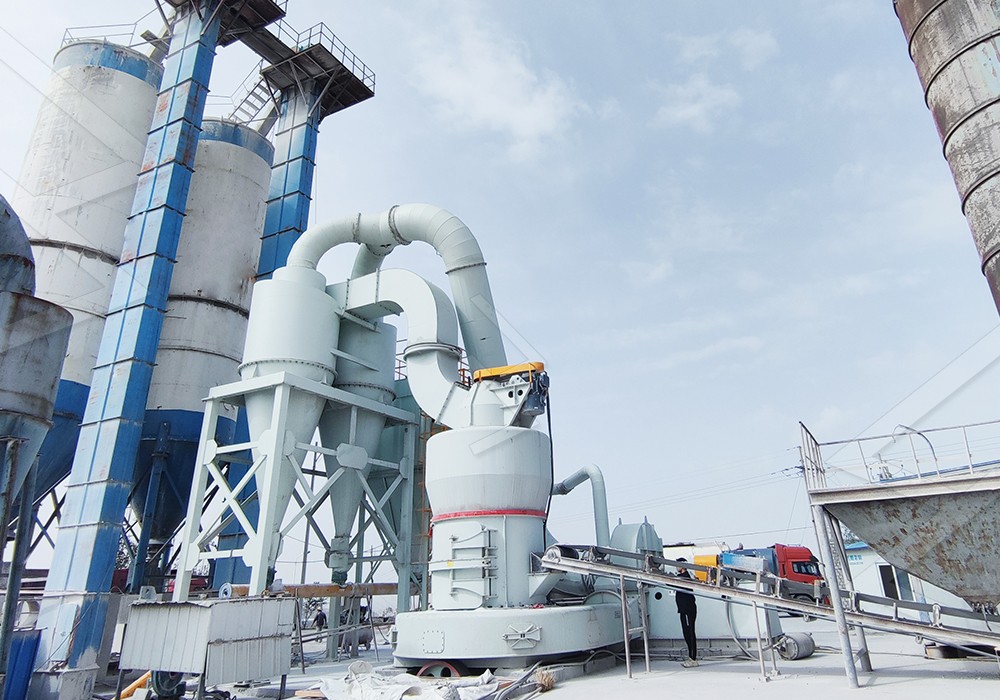
Conventional ball mills, while common, are often energy-intensive and can introduce iron contamination from grinding media wear, which adversely affects the whiteness of the kaolin—a key selling point. Modern vertical grinding mills and specialized ultra-fine mills address these shortcomings directly. They utilize a bed-grinding principle or advanced roller systems that minimize metal-to-metal contact, thereby preserving the material’s natural brightness and reducing contamination.
Key Considerations for Egyptian Kaolin Processors
When evaluating grinding solutions for a kaolin processing plant in Egypt, several local and technical factors come into play:
- Energy Efficiency: With rising energy costs, a mill’s specific energy consumption (kWh/ton) is a decisive factor. Modern designs offer significant savings over traditional technologies.
- Product Flexibility: The ability to adjust fineness between, for example, 325 to 2500 meshes allows a single plant to produce different coating grades for various paper products.
- Environmental Compliance: Egyptian environmental regulations are becoming more rigorous. A grinding system must incorporate effective dust collection and noise reduction to operate sustainably.
- Operational Reliability & Maintenance: In remote mining or industrial areas, equipment reliability and easy maintenance are crucial to minimize downtime and ensure continuous production.
- Capital and Operational Expenditure: The total cost of ownership, including installation footprint, spare parts availability, and operational simplicity, must be justified by gains in quality and throughput.
Advanced Grinding Solutions for Superior Coating Clay
Moving beyond traditional approaches, the industry is increasingly adopting mills engineered specifically for non-metallic minerals like kaolin. These machines integrate drying (if needed), grinding, classification, and conveying into a single, compact system. A standout example is the MW Ultrafine Grinding Mill. This equipment is designed for customers who need to make ultra-fine powder and is particularly well-suited for high-value applications like paper coating. It handles an input size of 0-20 mm with a capacity ranging from 0.5 to 25 tons per hour, fitting well into medium to large-scale kaolin processing lines.
The MW Mill’s advantages are multifaceted. It boasts higher yielding and lower energy consumption due to its newly designed grinding curves, offering 40% higher capacity than jet mills at the same power. For kaolin, the ability to achieve an adjustable fineness between 325-2500 meshes with a high precision cage-type powder selector is critical. This ensures the exact particle cut (d97 ≤5μm) required for premium coatings. Furthermore, its design eliminates rolling bearings and screws in the grinding chamber, a common failure point, thus enhancing reliability. Crucially for sustainable operations, its efficient pulse dust collector makes the entire process dust-free and eco-friendly, aligning perfectly with modern environmental standards.
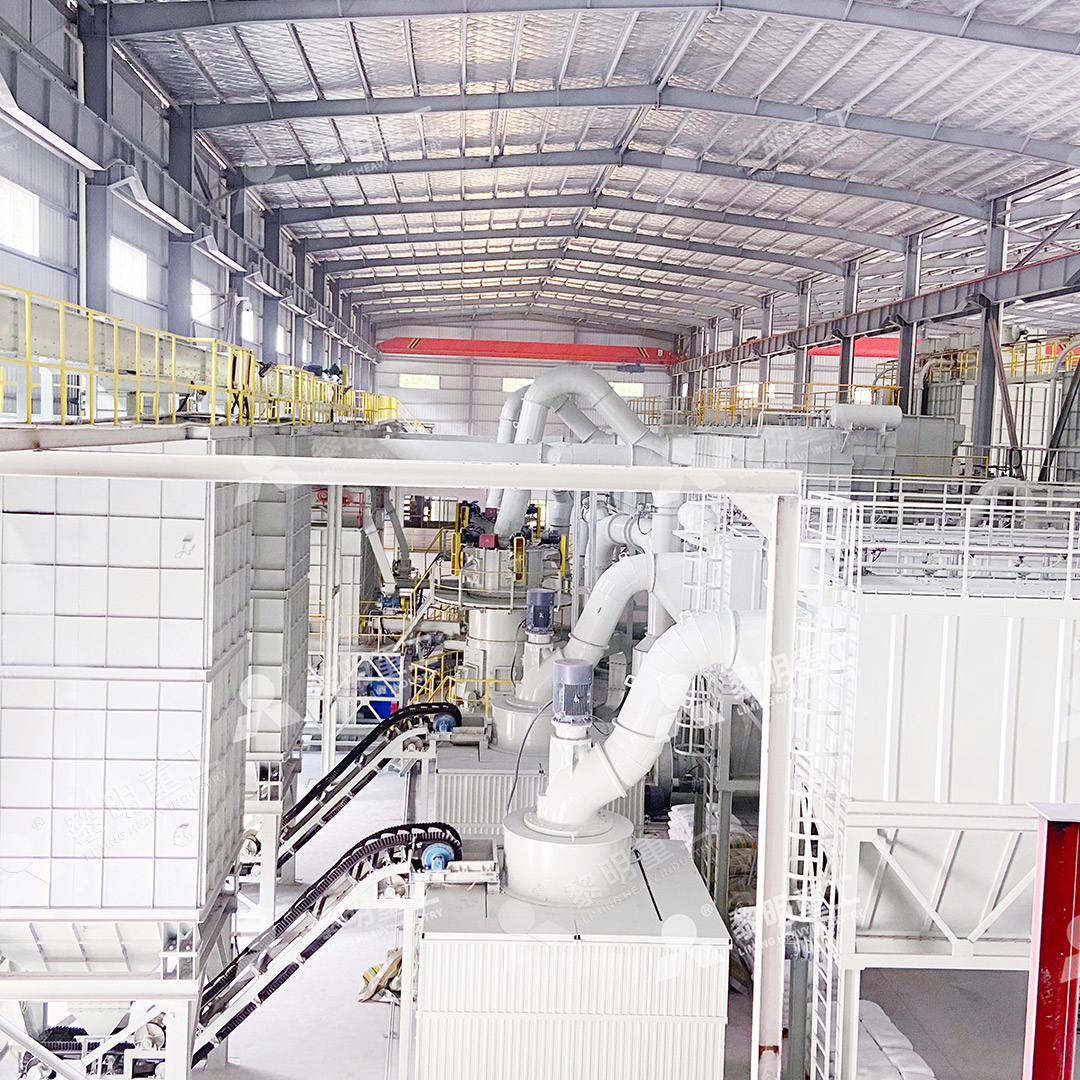
For operations requiring a different approach, the LUM Ultrafine Vertical Grinding Mill presents another robust option. With an input size of 0-10 mm and capacity of 5-18 tph, it excels in producing superfine dry powder. Its unique roller shell and lining plate grinding curve are designed to generate a stable material layer, promoting efficient inter-particle grinding that enhances the whiteness and cleanliness of the final kaolin product—a direct quality boost for paper. Its reversible structure allows grinding rollers to be easily swung out for maintenance, drastically reducing service time and associated losses.
Implementing an Optimized Grinding Circuit
Optimization extends beyond machine selection. A holistic view of the grinding circuit is essential. This includes proper feed preparation to ensure consistent size to the mill, integration of efficient and accurate classifiers to separate the product, and a reliable dust collection system. Modern mills like the MW and LUM series are designed as integrated systems, but their performance is maximized when paired with optimized upstream crushing and downstream handling.
For Egyptian plants, partnering with a supplier that offers comprehensive technical support, genuine spare parts, and a deep understanding of mineral processing is invaluable. It ensures the grinding solution is not just installed but fully optimized for the specific characteristics of Egyptian kaolin deposits, which can vary in moisture content and hardness.
Conclusion: A Strategic Investment for Quality and Efficiency
In conclusion, optimizing kaolin processing for Egypt’s paper coating industry is a strategic imperative. By transitioning to advanced, energy-efficient grinding technologies such as the MW Ultrafine Grinding Mill or the LUM Ultrafine Vertical Grinding Mill, processors can achieve a superior, consistent product that commands a premium in the market. The benefits cascade from the production floor—through lower energy bills, reduced maintenance, and cleaner operations—to the final paper product, enabling Egyptian manufacturers to produce coated paper that meets international quality standards. In a competitive global market, this technological edge is not just an advantage; it is a necessity for growth and sustainability.
Frequently Asked Questions (FAQs)
- What is the ideal fineness (mesh size) for kaolin used in paper coating?
For high-quality paper coating, kaolin is typically ground to a fineness where 90% of the particles are below 2 microns. This often corresponds to a range around 1250-2500 meshes, providing optimal smoothness, opacity, and gloss. - Why is iron contamination a concern in kaolin grinding, and how is it prevented?
Iron contamination, often from wear of grinding media in ball mills, reduces the brightness and whiteness of kaolin, degrading its value. Advanced mills like the MW series use designs that minimize metal-to-metal contact and often have no rolling bearings in the grinding chamber, significantly reducing this risk. - Can one grinding mill produce different grades of kaolin for various paper products?
Yes, modern mills with advanced, adjustable classifiers can. For instance, the MW Ultrafine Grinding Mill allows operators to adjust the product fineness between 325 and 2500 meshes, enabling flexible production of different coating grades from a single machine. - How significant are the energy savings with newer grinding technologies?
They are substantial. Compared to traditional jet mills or ball mills, technologies like the MW Mill can reduce system energy consumption by 30-50% while increasing output, offering a rapid return on investment through lower operational costs. - Is the grinding process dry or wet for paper coating kaolin?
While both methods exist, the dry grinding process is increasingly preferred for its lower energy consumption (no drying of slurry needed) and simpler plant layout. Modern vertical and ultra-fine mills are highly efficient at dry grinding kaolin to the required fineness. - What kind of after-sales support is crucial for a grinding mill in Egypt?
Access to reliable technical service, readily available genuine spare parts, and operational training are critical. Choosing a supplier with a strong local presence or commitment to support ensures minimal downtime and long-term, worry-free operation. - How does the MW Ultrafine Grinding Mill handle dust control?
The mill is equipped with an integrated, efficient pulse dust collector. This system ensures the entire milling operation is conducted under negative pressure, preventing dust spillage and creating a clean working environment that meets strict environmental standards.