
How to optimize clay processing with raymond mill for ceramics in kuwait
How to Optimize Clay Processing with Raymond Mill for Ceramics in Kuwait
The ceramics industry in Kuwait, with its rich heritage and modern ambitions, demands precision, efficiency, and sustainability in its production processes. At the heart of high-quality ceramic production lies the critical step of clay preparation. Achieving the optimal particle size, consistency, and purity of clay powder directly impacts the final product’s strength, texture, and aesthetic appeal. While traditional Raymond mills have long been a staple in mineral processing, optimizing their use for Kuwait’s specific ceramic clays requires a nuanced approach, blending operational expertise with advanced technological solutions.
Kuwaiti ceramic producers often work with a variety of clay types, each with distinct moisture content, plasticity, and mineralogical composition. The primary challenge is to grind these materials to a consistent, ultra-fine powder—often targeting a fineness between 325 to 2500 meshes—without introducing impurities or excessive iron content, which can discolor the final ceramic product. Furthermore, the harsh environmental conditions and the imperative for energy and water conservation in the region add layers of complexity to the processing workflow.
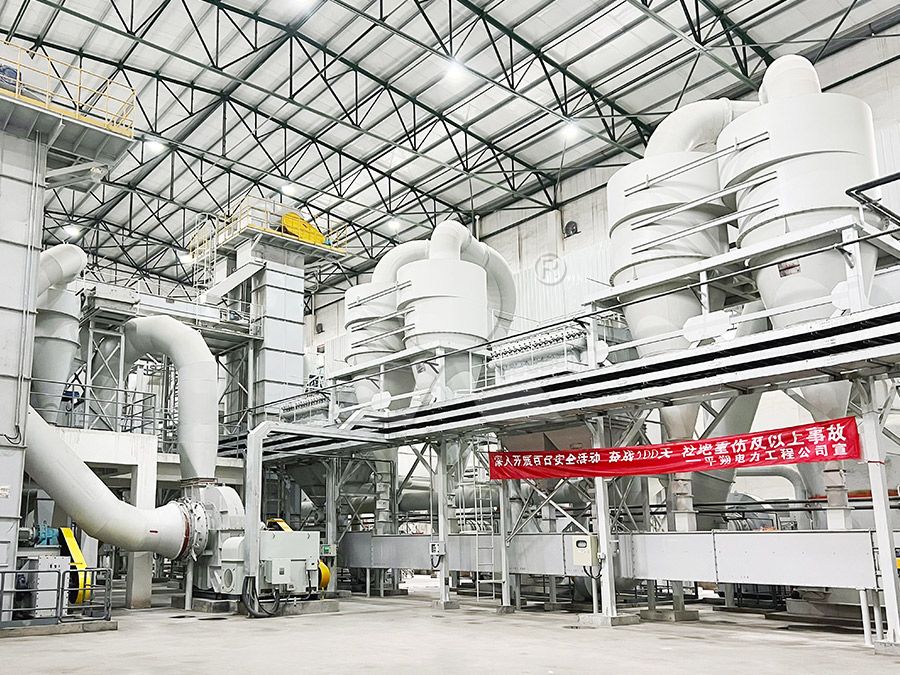
Beyond Traditional Grinding: Key Optimization Strategies
Optimization begins with a thorough analysis of the raw clay. Understanding its feed size, hardness, and desired output fineness is paramount. For a traditional Raymond mill setup, several operational adjustments can yield significant improvements:
- Pre-Drying is Crucial: High moisture content in clay can lead to clogging and reduced grinding efficiency. Implementing an efficient pre-drying stage ensures the material enters the mill at an optimal moisture level, enhancing throughput and stability.
- Precision in Feed Control: Utilizing advanced vibrating feeders to ensure a consistent and controlled feed rate prevents overloading the grinding chamber, leading to more uniform particle size distribution and reduced energy spikes.
- Advanced Air Classification: The integrated powder separator is the brain of the fineness control. Upgrading to or utilizing mills with high-precision, multi-head cage-type selectors allows for real-time, accurate adjustment of product fineness without stopping production, a vital feature for meeting diverse ceramic recipe specifications.
- Proactive Dust and Noise Management: In an environmentally conscious market, integrating high-efficiency pulse jet dust collectors and silencers is not optional. A closed, negative-pressure system ensures a clean workshop, protects worker health, and aligns with stringent regional environmental standards.
However, while optimizing a classic Raymond mill brings benefits, the future of clay processing for high-end ceramics lies in embracing next-generation grinding technology. The limitations of older designs—such as higher energy consumption per ton, potential for iron contamination from mechanical wear, and less flexible fineness control—can become bottlenecks for producers aiming for superior quality and global competitiveness.
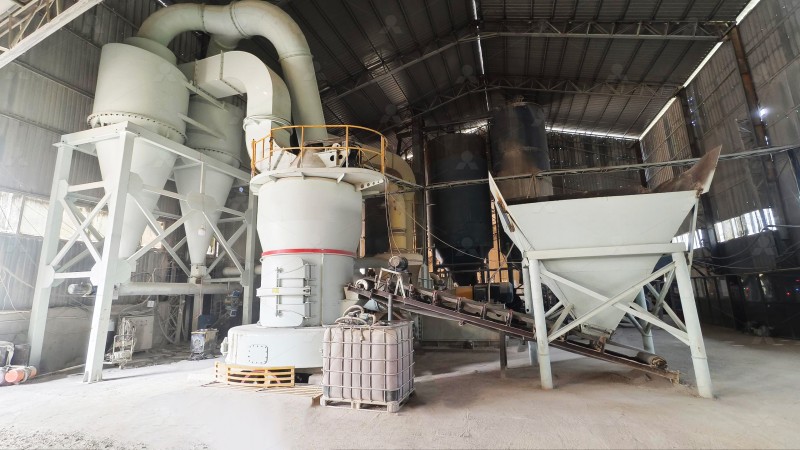
The Next Generation: Ultrafine Grinding Solutions for Superior Ceramics
For Kuwaiti manufacturers targeting the premium segment of the ceramics market, moving beyond conventional milling is a strategic decision. This is where advanced grinding systems demonstrate their unparalleled value. Consider the specific challenges of producing ultra-fine, high-purity clay powder: the need for exceptional whiteness, minimal iron content, and precise particle size distribution for enhanced sintering and final product strength.
Our MW Ultrafine Grinding Mill is engineered to address these exact demands. Designed for customers who need to make ultra-fine powder, this machine represents a leap forward in efficiency and cleanliness. Its newly designed grinding curves for the roller and ring enhance grinding efficiency dramatically. With the same fineness and power, its production capacity can be 40% higher than jet mills and double that of ball mills, while reducing system energy consumption by up to 70%. For ceramic applications, its ability to adjust fineness between 325-2500 meshes with a high precision cage-type powder selector (achieving d97≤5μm) is critical.
Moreover, its design prioritizes purity and reliability. The absence of rolling bearings and screws in the grinding chamber eliminates major sources of potential contamination and mechanical failure. Coupled with an efficient pulse dust collector and muffler, the entire production process is contained and eco-friendly, ensuring the clay powder remains uncontaminated and the workplace clean—a significant advantage for Kuwait’s industrial zones.
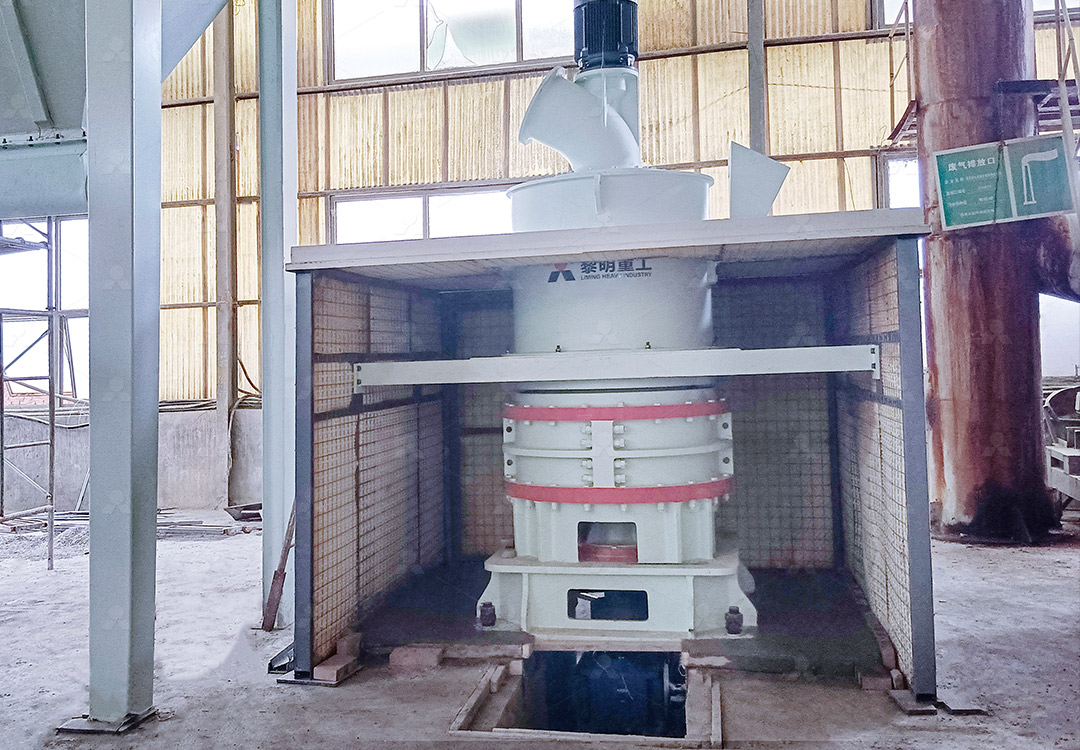
For operations requiring integration of drying and grinding, or processing slightly larger feed sizes with exceptional stability, the LUM Ultrafine Vertical Grinding Mill offers another robust solution. Independently designed with the latest grinding roller and powder separating technology, it integrates grinding, grading, and transporting. Its unique roller shell and lining plate grinding curve generate a stable material layer, enabling a high rate of finished product in a single pass. This not only improves efficiency but also enhances the whiteness and cleanliness of the clay powder—a direct contributor to superior ceramic quality. Features like double position-limiting technology and a reversible structure for easier maintenance ensure stable, worry-free operation in demanding 24/7 production environments common in Kuwait.
Conclusion: Building a Competitive Edge Through Advanced Processing
Optimizing clay processing for Kuwait’s ceramics industry is a multifaceted endeavor. While fine-tuning traditional Raymond mill operations provides a solid foundation, the path to true excellence and sustainability is paved with innovative technology. By adopting advanced ultrafine grinding solutions like the MW or LUM series mills, manufacturers can achieve unprecedented levels of product quality, operational efficiency, and environmental compliance. This strategic investment in processing technology not only optimizes the clay itself but also solidifies Kuwait’s position as a producer of world-class ceramics, blending ancient craft with modern engineering prowess.
Frequently Asked Questions (FAQs)
- What is the typical fineness range required for ceramic clay powder, and can your mills achieve it?
Ceramic body and glaze recipes often require powders in the range of 325 to 2500 meshes. Our MW Ultrafine Grinding Mill is specifically designed for this, offering adjustable fineness within this precise range using its advanced cage-type powder selector. - How does your equipment handle the high ambient temperatures and dust concerns in Kuwait?
Our mills, like the MW series, are equipped with efficient pulse dust collectors and mufflers, creating a fully enclosed, negative-pressure system that prevents dust spillage. The external lubrication design and robust construction ensure reliable performance even in challenging climatic conditions. - We are concerned about iron contamination affecting our clay’s whiteness. How is this addressed?
Both the MW and LUM mills are designed with purity in mind. The MW mill has no rolling bearings or screws in the grinding chamber, eliminating key sources of metallic wear. The LUM mill’s grinding process minimizes direct metal-to-metal contact and material retention time, significantly reducing the risk of iron contamination. - What kind of after-sales support and spare parts availability can we expect in the Middle East region?
We take full responsibility for every machine we produce. We provide comprehensive technical services and guarantee the supply of original spare parts to ensure worry-free, continuous operation for our clients in Kuwait and across the region. - Is the energy consumption of these advanced mills significantly higher than a traditional Raymond mill?
On the contrary, a key feature of our next-generation mills is their energy efficiency. For example, the MW Ultrafine Grinding Mill can have a system energy consumption as low as 30% of a comparable jet mill while offering higher yield, representing substantial long-term cost savings. - Can your mills process clay with varying moisture content?
For optimal results, we recommend a pre-drying stage for high-moisture clay. Our LUM Vertical Mill, however, integrates drying and grinding capabilities more effectively for materials with moderate moisture, offering greater flexibility in the overall process flow. - How does the maintenance downtime compare to older mill designs?
Designs like the LUM mill’s reversible structure allow the grinding roller to be easily moved out for inspection and maintenance, drastically reducing downtime. The simplified, robust design of the MW mill also minimizes points of failure, leading to higher operational availability.