
Roller mill price & cost analysis for dolomite for glass additive in brazil
Roller Mill Price & Cost Analysis for Dolomite for Glass Additive in Brazil
The Brazilian glass manufacturing sector is a significant consumer of high-purity dolomite as a stabilizing additive. Selecting the right grinding equipment is a critical capital expenditure decision that directly impacts product quality, operational efficiency, and long-term profitability. This analysis delves into the key cost factors for roller mills processing dolomite for glass applications in the Brazilian market, moving beyond simple purchase price to a holistic view of total cost of ownership (TCO).
Understanding the Brazilian Market and Dolomite Specifications
Brazil’s glass industry demands dolomite powder with strict chemical consistency (low iron content is paramount) and a controlled, ultra-fine particle size distribution. The milling process must achieve high whiteness and purity to avoid discoloration or weakening of the final glass product. Local factors such as energy costs, which can be volatile, spare parts availability, and environmental regulations significantly influence the optimal equipment choice. A mill that is merely inexpensive to purchase can become a financial burden if it consumes excessive power, requires frequent downtime for maintenance, or fails to meet the precise fineness requirements, leading to batch rejections.
Beyond Purchase Price: The Components of Total Cost of Ownership
A savvy investment analysis separates the initial capital expenditure (CAPEX) from the ongoing operational expenditure (OPEX). The true cost of a roller mill is the sum of these over its operational lifetime.
1. Capital Expenditure (CAPEX)
This is the upfront cost, including the mill itself, auxiliary equipment (feeders, collectors, classifiers), installation, and commissioning. While a lower initial quote is attractive, it’s essential to ensure the package is complete and the technology is robust. Compromising on core components to save CAPEX often leads to higher OPEX.
2. Operational Expenditure (OPEX)
This is where the real financial differentiation between mills occurs. Key OPEX factors include:
- Energy Consumption: This is typically the largest ongoing cost. Mills with advanced grinding mechanics and efficient classifiers can reduce specific energy consumption by 30-50% compared to older designs.
- Wear Parts & Maintenance: The cost and frequency of replacing grinding rollers, rings, and liners. Mills designed for easy access and with durable, specialized alloys extend service intervals and reduce part costs per ton.
- Labor & Downtime: Automated, reliable mills with easy maintenance features require less operational labor and minimize costly production stoppages.
- Yield & Product Quality: A mill that produces a higher percentage of in-spec powder on the first pass increases effective capacity and reduces waste. Consistent quality prevents expensive rejections from glass manufacturers.
Technology Spotlight: Matching Mill Features to Dolomite Grinding Needs
For producing the fine, low-iron dolomite powder required by glassmakers, modern vertical roller mills and ultra-fine grinding mills offer distinct advantages over traditional ball mills or Raymond mills. Their efficiency and precision directly address the core cost drivers.
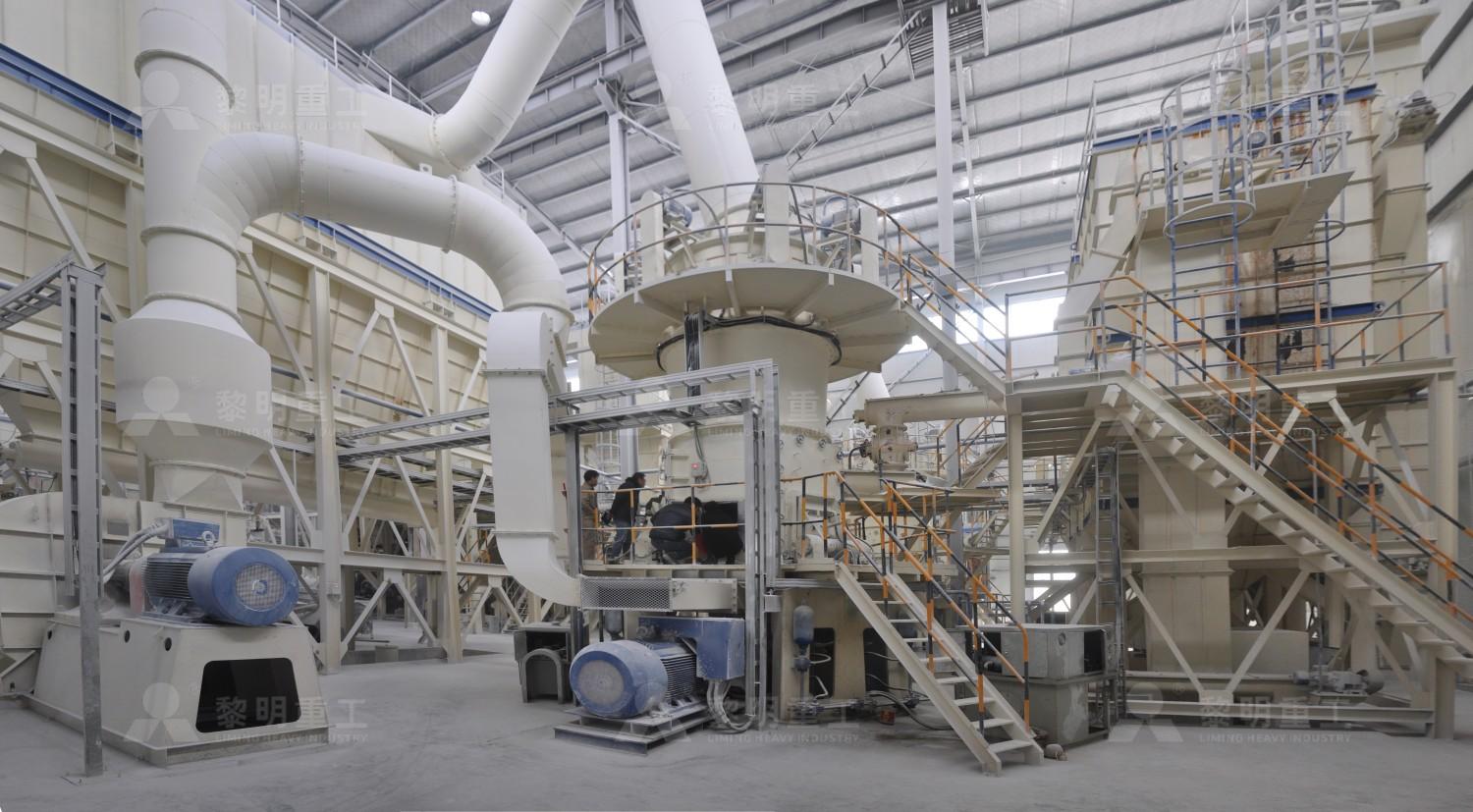
For high-volume production where the feed size may vary, the LM Vertical Grinding Mill presents a compelling solution. It integrates crushing, drying, grinding, and classifying in a single unit, reducing the footprint and auxiliary equipment costs. Its significant advantage lies in its lower energy consumption—30%-40% less than a ball mill system. The short material residence time minimizes repeated grinding and helps maintain low iron content, which is crucial for glass additive purity.
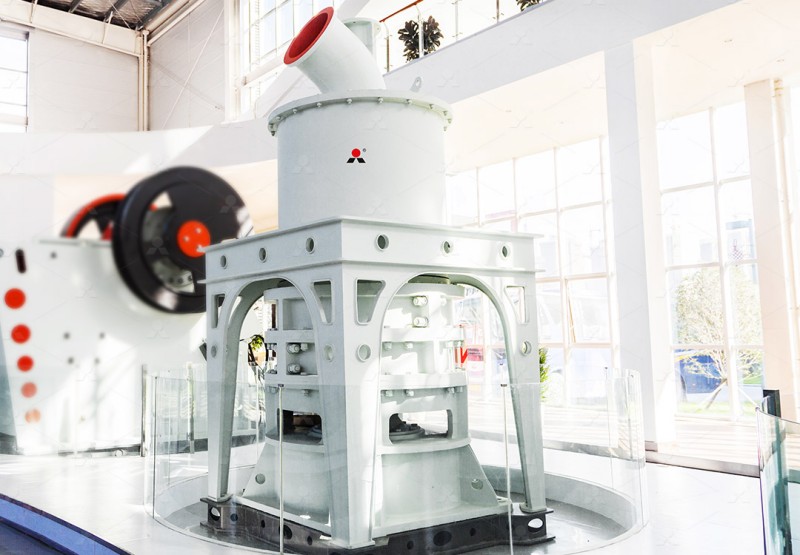
When the application demands exceptionally fine and consistent powder in the range of 325 to 2500 meshes, the MW Ultrafine Grinding Mill is engineered for this precise task. Its design is particularly relevant for premium glass additives. A key feature for cost-conscious operations is its 40% higher production capacity compared to jet mills at the same power and fineness, dramatically improving yield per energy unit consumed. Furthermore, its innovative design eliminates rolling bearings and screws inside the grinding chamber, a common point of failure. This drastically reduces unscheduled maintenance risks and associated downtime costs. The integrated high-efficiency pulse dust collector ensures the operation meets stringent environmental standards without additional investment in filtration.
Strategic Recommendations for Brazilian Buyers
When conducting your cost analysis, adopt a TCO framework over a 5-10 year horizon. Request detailed energy consumption data from suppliers for a specific dolomite output (e.g., kWh/ton at 800 mesh). Investigate the local availability and cost of recommended wear parts. Prioritize mills with proven automation and stability features that ensure consistent product quality, as this protects your reputation with glass plant clients. Finally, partner with a manufacturer that offers comprehensive after-sales support, including technical services and genuine spare parts supply within South America, to guarantee worry-free operation and protect your productivity investment.
Conclusion
The most cost-effective roller mill for dolomite processing in Brazil is not the one with the lowest sticker price, but the one that optimizes the balance between CAPEX and OPEX while reliably meeting product specifications. Investing in advanced, energy-efficient technology like modern vertical or ultra-fine grinding mills translates directly into lower cost per ton, higher product value, and greater competitiveness in the supply chain for Brazil’s glass industry. A thorough analysis focused on total cost of ownership will reveal the true value of the equipment and guide a profitable long-term decision.
Frequently Asked Questions (FAQs)
- What is the most critical factor affecting the operating cost of a dolomite roller mill in Brazil?
Energy consumption is typically the largest and most variable operational cost. Selecting a mill with high grinding efficiency can reduce energy costs by 30-50%, offering the fastest return on investment despite a potentially higher initial price. - Why is low iron content so important for dolomite used as a glass additive?
Iron impurities can cause discoloration (a green or brown tint) in the final glass product, significantly reducing its quality and market value. Mills that minimize mechanical wear and use clean grinding principles are essential. - How does the MW Ultrafine Grinding Mill achieve lower maintenance costs?
Its design removes rolling bearings and screws from the high-wear grinding chamber interior. This eliminates common failure points, prevents issues like loose screws causing damage, and allows for external lubrication without shutdown. - Can these mills handle the varying moisture content of raw dolomite from Brazilian quarries?
Yes, integrated mills like the LM Vertical Grinding Mill combine drying and grinding functions. They can efficiently process materials with a certain moisture content by using hot air introduced into the system, ensuring stable grinding conditions. - What fineness range is required for dolomite in glass manufacturing, and which mill is suitable?
Requirements often range from 200 to 1250 mesh depending on the glass type. The MW Ultrafine Grinding Mill is specifically designed for this range, offering adjustable fineness between 325-2500 meshes with high precision separation. - How important is after-sales support and spare parts availability in Brazil?
It is crucial. Local technical support and a reliable spare parts inventory prevent extended downtime. Choosing a supplier with a strong commitment to the region ensures long-term operational continuity and protects your investment. - Is the higher initial investment for an energy-efficient mill justified?
Absolutely. The payback period is often short (1-3 years) when calculating the savings on electricity bills. Over the machine’s lifespan, the total savings far outweigh the initial price difference, making it the more economical choice.