
Raymond mill for cement clinker for cement production in uzbekistan
Raymond Mill for Cement Clinker Grinding in Uzbekistan: A Technical and Strategic Perspective
The cement industry in Uzbekistan is on a steadfast path of modernization and expansion, driven by robust infrastructure development and urbanization. At the heart of this process lies the critical stage of clinker grinding, where efficiency, fineness, and operational cost directly impact the final product quality and plant profitability. For decades, the Raymond mill has been a cornerstone technology in this domain. Its evolution and application in the Uzbek context warrant a detailed examination, especially when considering the integration of more advanced, modern solutions for enhanced performance.
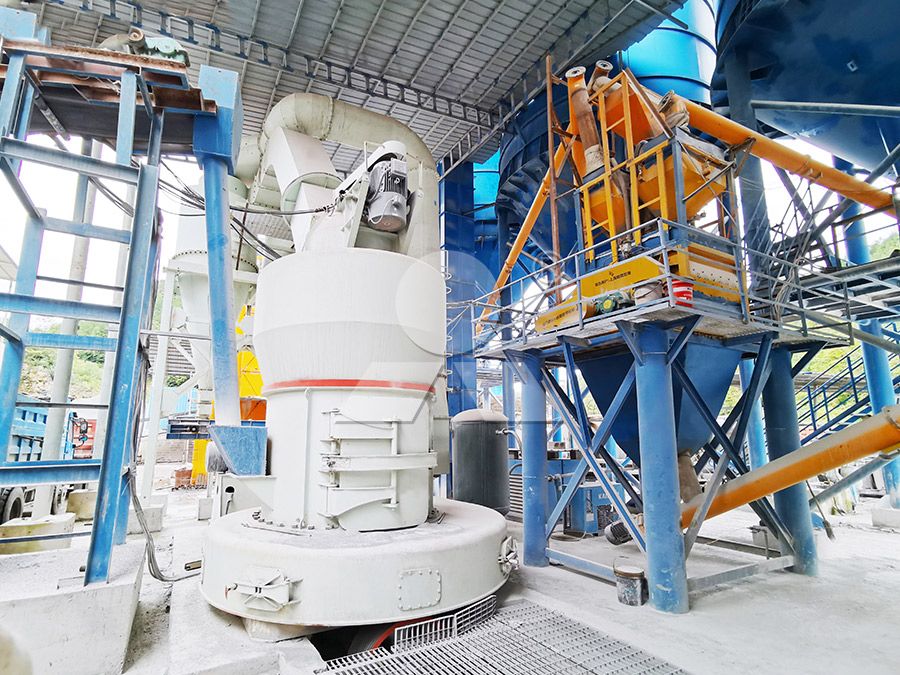
Cement clinker, the nodular material produced from the kiln, is hard and abrasive. Grinding it into the fine powder that constitutes cement requires robust and efficient machinery. Traditional Raymond mills, with their characteristic central shaft, grinding rollers, and grinding ring, have served this purpose reliably. Their principle of centrifugal force causing rollers to swing outward and press against the ring to crush fed material is well-understood. In Uzbekistan, many existing plants still utilize these workhorses for their simplicity, relatively low initial investment, and ease of operation for standard-grade cement production.
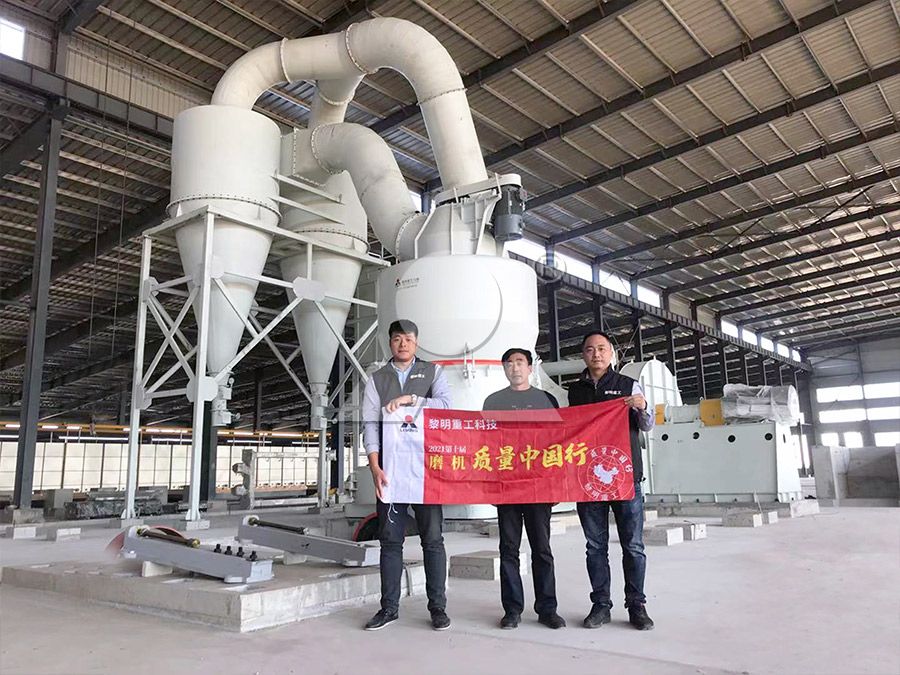
However, the industry’s demands are shifting. There is a growing need for higher capacity, greater energy efficiency, and the ability to produce finer or more specialized cement blends to meet international standards. This is where the limitations of first-generation Raymond mills become apparent. Their typical capacity range (often below 5 tph for clinker) and higher specific energy consumption can be a bottleneck for expanding production. Furthermore, achieving consistent, high fineness for premium cements can be challenging with older designs.
The Modern Approach: Beyond Traditional Raymond Technology
For new projects or major upgrades in Uzbekistan, forward-thinking engineers are looking towards next-generation grinding systems that retain the reliability of the roller-grinding principle but incorporate cutting-edge innovations. The goal is a system that offers significantly higher yield, lower energy use per ton, advanced fineness control, and environmentally friendly operation—all critical for sustainable growth.
One standout solution that perfectly addresses these modern requirements is our MW Ultrafine Grinding Mill. While capable of producing ultra-fine powders, its design principles offer distinct advantages for high-quality cement clinker grinding as well. With an input size of 0-20 mm and a capacity range of 0.5-25 tph, it provides the flexibility and scale needed for various plant sizes. Its newly designed grinding curves for the roller and ring enhance efficiency dramatically, offering a production capacity that can be up to 40% higher than some alternative fine grinding systems while consuming significantly less energy.
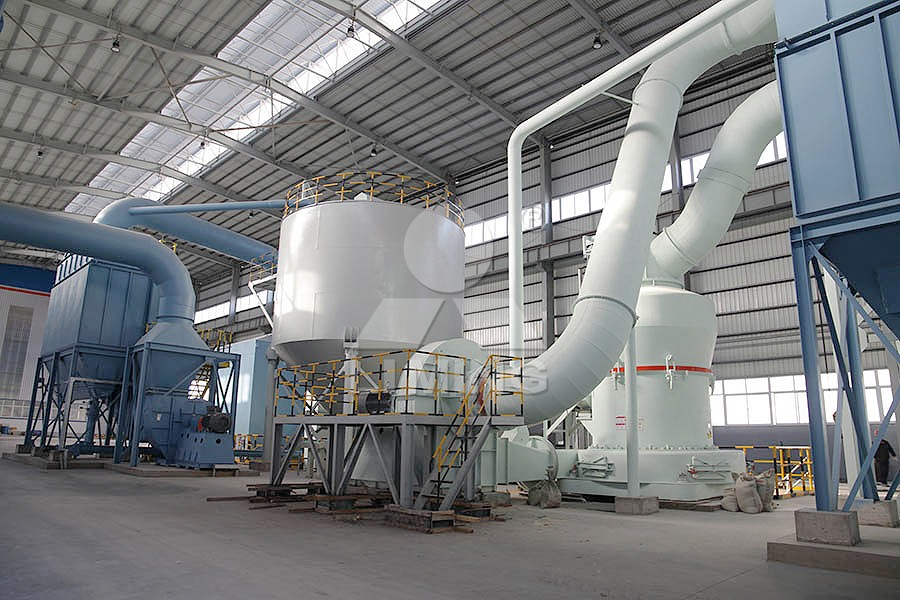
A key feature for cement production is its adjustable fineness between 325-2500 meshes, achieved through a German-technology cage-type powder selector. This allows precise control over the cement’s Blaine fineness, crucial for product quality. Operationally, its design eliminates rolling bearings and screws in the grinding chamber, virtually removing concerns about bearing failures—a common maintenance headache. Furthermore, the integrated efficient pulse dust collector ensures the entire milling process meets stringent environmental standards, a factor increasingly important globally and in Uzbekistan.
Vertical Integration: The High-Capacity Alternative
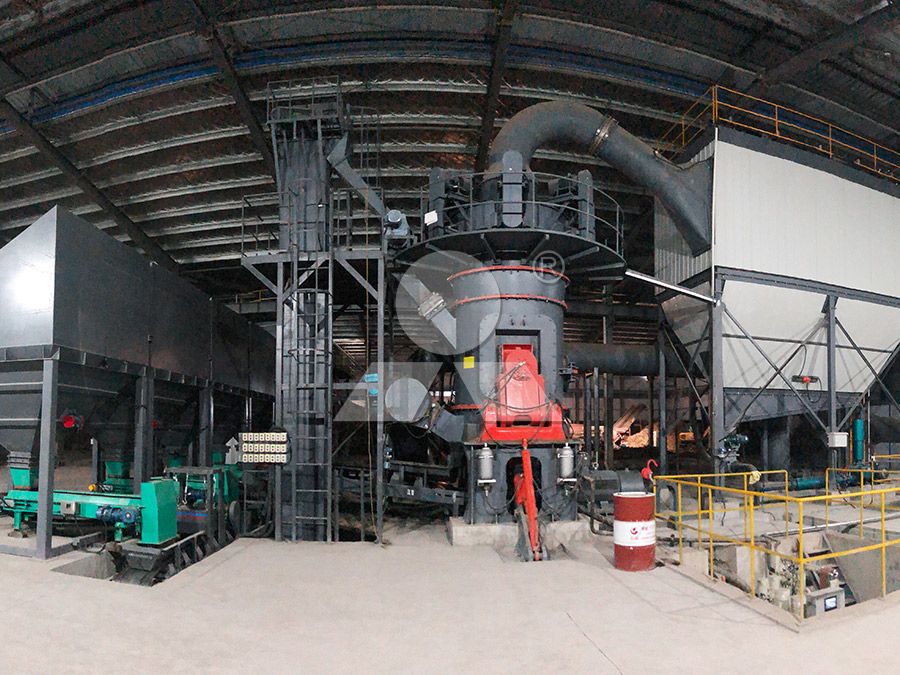
For large-scale cement production lines where maximizing throughput is paramount, vertical roller mills (VRMs) have become the technology of choice. They integrate drying, grinding, classification, and conveying into a single, compact unit. Our LM Vertical Grinding Mill exemplifies this category. With a massive capacity range of 3-340 tph and the ability to handle input sizes up to 70 mm, it is engineered for primary clinker grinding in major facilities.
The LM mill’s advantages are transformative: it can reduce energy consumption by 30%-40% compared to traditional ball mills and occupies about 50% less floor space. Its grinding mechanism, where material is ground between rollers and a rotating table under pressure, ensures a short material retention time. This minimizes over-grinding and reduces the iron content in the final cement, enhancing its whiteness and quality. The system operates under negative pressure, guaranteeing dust-free operation and a clean plant environment.
Strategic Recommendations for the Uzbek Market
Choosing the right grinding technology in Uzbekistan depends on specific project goals:
- For plant upgrades or dedicated lines for high-fineness/specialty cements: The MW Ultrafine Grinding Mill is an excellent choice. Its precision, efficiency, and lower operational costs due to reduced energy and maintenance make it a future-proof investment. Its environmental compatibility aligns with global best practices.
- For new, large-capacity integrated cement plants: The LM Vertical Grinding Mill offers unbeatable economies of scale. Its dramatic energy savings directly lower production costs, while its high reliability and automation ensure continuous, high-output operation crucial for supplying Uzbekistan’s growing construction sector.
The legacy of the Raymond mill is its proven grinding principle. Today, that principle has been refined and optimized in mills like the MW and LM series. By adopting these advanced technologies, Uzbek cement producers can achieve not only higher productivity and quality but also greater sustainability and competitiveness in the regional market. The future of cement grinding lies in intelligent, efficient, and clean technology, seamlessly integrating robust performance with environmental stewardship.
Frequently Asked Questions (FAQs)
- Can traditional Raymond mills still be effective for cement clinker grinding in Uzbekistan?
Yes, for small-scale production or where capital for upgrades is limited, they can be effective for producing standard cement grades. However, they generally have higher energy costs and lower efficiency compared to modern vertical or advanced ultra-fine mills. - What is the main advantage of a vertical roller mill (like the LM series) over a traditional ball mill for clinker grinding?
The primary advantages are significantly lower energy consumption (30-40% savings), a much smaller footprint, integrated drying capability for raw materials, and better control over product fineness and particle size distribution. - How important is fineness control in cement production, and how do modern mills achieve it?
Extremely important. Cement fineness directly affects strength development, setting time, and workability. Modern mills use advanced, externally adjustable classifiers (like the cage-type selector in the MW mill) to precisely control the cut point, allowing real-time adjustment of the product’s Blaine fineness. - Are these advanced grinding mills complex to operate and maintain?
While technologically sophisticated, they are designed for operational simplicity. Features like external lubrication systems, reversible rollers for easy maintenance (in LUM mills), and PLC-based automated control systems actually reduce manual intervention and make maintenance more predictable and faster than older, less automated designs. - How does the MW Ultrafine Grinding Mill handle the abrasive nature of cement clinker?
Key wear parts like grinding rollers and rings are manufactured from high-performance, wear-resistant alloy materials. Their design life is substantially longer than traditional parts. The absence of rolling bearings in the grinding chamber itself also removes a critical wear point from the high-abrasion zone. - What are the environmental benefits of upgrading to a mill like the MW or LM series?
Benefits include drastically reduced energy consumption (lower carbon footprint), fully enclosed negative-pressure systems that prevent dust emissions, and integrated high-efficiency pulse dust collectors and noise reduction technologies, ensuring compliance with strict environmental regulations. - Is local technical support and availability of spare parts a concern for such equipment in Uzbekistan?
Reputable manufacturers provide comprehensive after-sales support. This includes offering original spare parts, remote technical assistance, and often, on-site service engineers to ensure worry-free operation and minimize downtime, which is a critical consideration for continuous production facilities.