
Industrial pulverizer for cement clinker for infrastructure projects in kenya
Industrial Pulverizer for Cement Clinker: Powering Kenya’s Infrastructure Ambitions
Kenya’s ambitious infrastructure development agenda, encompassing flagship projects like the Standard Gauge Railway (SGR), the Lamu Port-South Sudan-Ethiopia-Transport (LAPSSET) corridor, and numerous road networks and urban housing developments, has placed unprecedented demand on high-quality construction materials. At the heart of this construction boom lies cement, the fundamental binder for concrete. The quality, consistency, and production efficiency of cement are directly influenced by the final grinding stage of its key ingredient: cement clinker. Selecting the right industrial pulverizer is therefore not merely an equipment purchase; it is a strategic investment in the nation’s growth trajectory.
The process of transforming hard, nodular clinker into the fine powder we know as cement is a critical and energy-intensive operation. Traditional grinding solutions, while functional, often struggle with high operational costs, significant energy consumption, and environmental compliance challenges. For Kenyan projects requiring consistent, high-volume output to meet tight construction schedules, these limitations can translate into delays and budget overruns.
The Critical Role of Advanced Grinding Technology
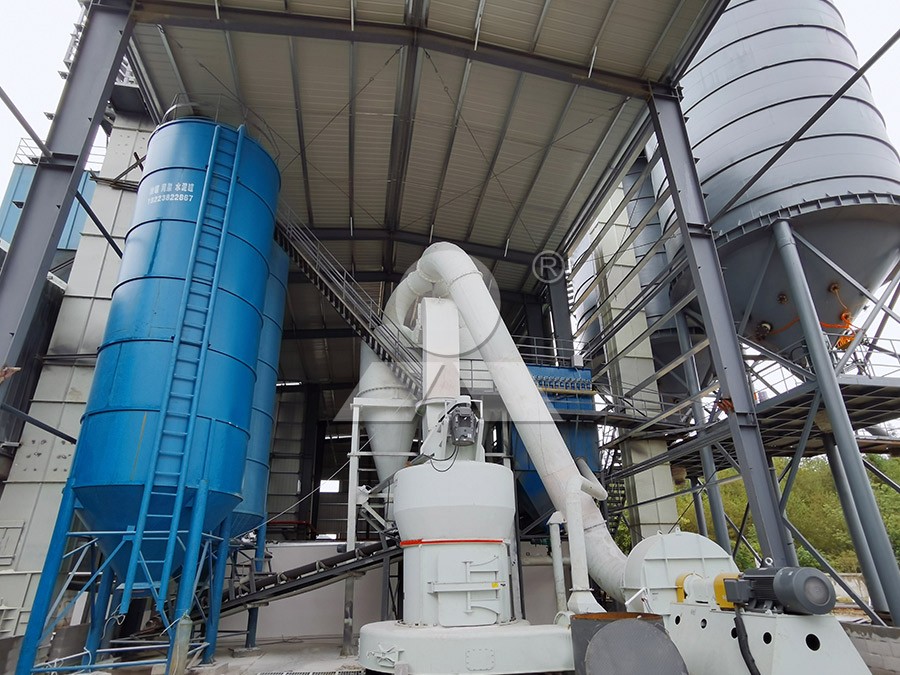
Modern infrastructure projects demand cement with specific properties—high early strength, optimal setting times, and superior workability. Achieving these characteristics consistently requires precise control over the fineness and particle size distribution (PSD) of the ground clinker. Advanced pulverizers go beyond simple size reduction; they integrate drying (if using slag or wet additives), grinding, classifying, and conveying into a single, efficient system. This integration is crucial for Kenya’s cement producers who need to optimize plant footprint, reduce manpower dependency, and ensure a seamless, continuous production flow to keep pace with project demands.
Key considerations for pulverizer selection in the Kenyan context include:
- Energy Efficiency: With rising energy costs, mills that deliver higher yield per kilowatt-hour directly boost profitability and sustainability.
- Product Fineness & Flexibility: The ability to reliably produce cement within a specific Blaine surface area range (e.g., 3200-4500 cm²/g) and to adjust for different cement types (OPC, PPC, PSC) is essential.
- Operational Reliability & Ease of Maintenance: Robust design that minimizes unplanned downtime and allows for easy wear-part inspection and replacement is critical for continuous operation.
- Environmental Compliance: Systems must incorporate effective dust collection and noise suppression to meet Kenya’s environmental standards, protecting workers and surrounding communities.
Engineered Solutions for High-Capacity Projects
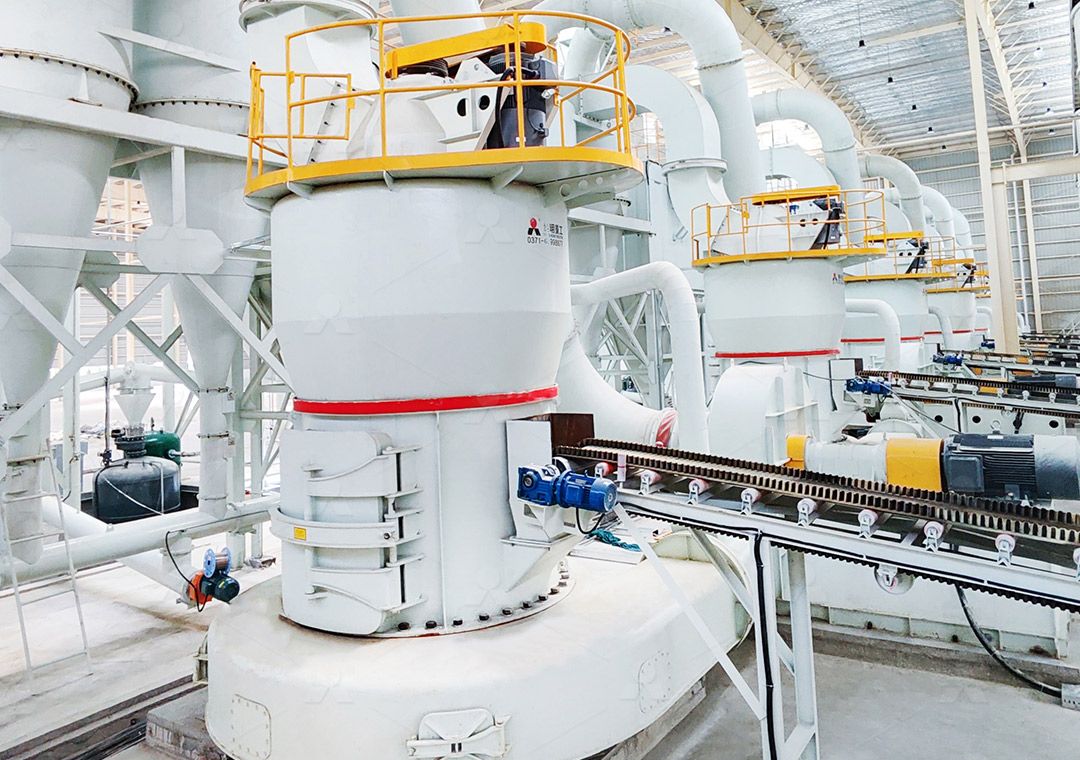
For large-scale infrastructure projects requiring substantial and steady cement supply, vertical roller mills (VRMs) have become the technology of choice. Their inherent design offers significant advantages in the Kenyan market. A prime example is our LM Vertical Grinding Mill. This mill is a powerhouse engineered for materials like cement clinker. It integrates crushing, drying, grinding, classifying, and conveying in one unit, reducing the overall plant footprint by approximately 50% compared to a traditional ball mill system—a significant benefit for optimizing site layout. More importantly, it achieves energy savings of 30%-40%, a decisive factor in controlling production costs. Its operational stability, sealed negative-pressure system ensuring dust-free operation, and automated controls make it an ideal, future-proof solution for Kenyan cement plants feeding major national projects.
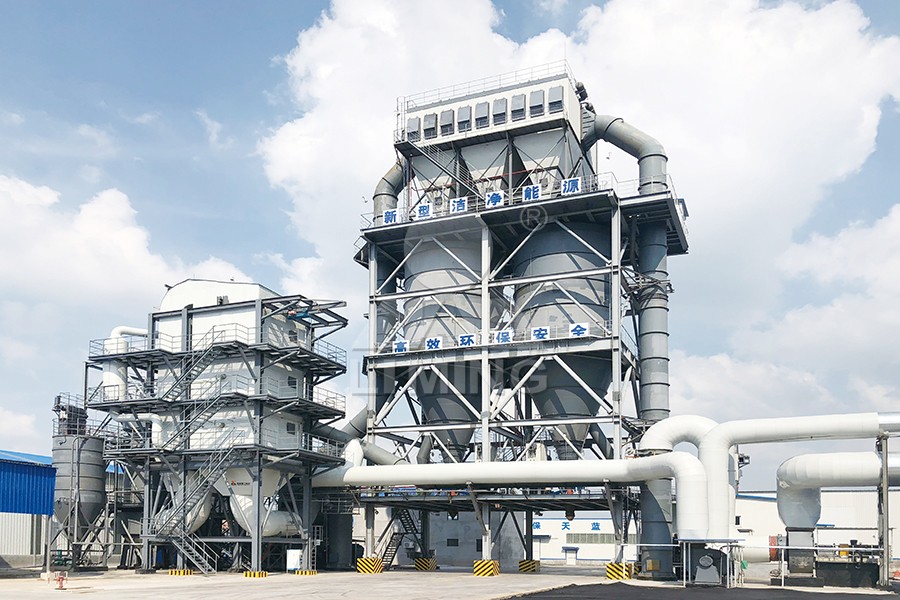
For applications requiring ultra-fine grinding or when processing clinker blended with other supplementary cementitious materials (SCMs) like limestone or pozzolana, advanced ring-roller mills offer exceptional precision. Our MW Ultrafine Grinding Mill exemplifies this capability. Designed for high-yield, low-energy production of fine powders, it features a German-technology cage-type powder selector that allows precise fineness adjustment—highly valuable for producing specialized cement blends. Its innovative design eliminates rolling bearings and screws in the grinding chamber, virtually eliminating failures related to these components and enabling worry-free, continuous 24/7 operation. Equipped with an efficient pulse dust collector and silencer, it ensures an environmentally friendly production process, aligning with sustainable development goals for Kenya’s infrastructure sector.
Driving Kenya’s Development with Reliable Technology
The choice of grinding technology has a ripple effect across the entire construction value chain. Efficient, reliable pulverizers enable cement manufacturers to produce higher-quality product at a lower cost and with a smaller environmental footprint. This, in turn, provides the Kenyan construction industry with a stable, affordable supply of a essential material, directly contributing to the timely and cost-effective completion of roads, bridges, railways, and buildings.
Investing in modern grinding technology is an investment in Kenya’s infrastructural resilience. It moves the industry away from maintenance-intensive, energy-wasteful processes towards automated, efficient, and clean production. As Kenya continues to position itself as an East African economic hub, the backbone of its success will be built on durable, well-constructed infrastructure, supported by advanced industrial manufacturing solutions.
Frequently Asked Questions (FAQs)
1. What is the main advantage of a vertical roller mill (like the LM model) over a traditional ball mill for clinker grinding?
The primary advantages are significantly higher energy efficiency (30-40% savings), a much smaller physical footprint (~50% less space), and integrated drying/grinding/classifying functions. This leads to lower operating costs and simpler plant layout.
2. Can these mills handle the varying hardness of clinker from different sources?
Yes. Modern mills like the LM Vertical Grinding Mill are designed with adjustable grinding pressure (often via hydraulic systems) and roller speeds to accommodate variations in material hardness and ensure consistent product fineness.
3. How is dust pollution controlled during the grinding process?
Advanced mills operate under negative pressure and are equipped with high-efficiency pulse jet dust collectors (bag filters). This system, as featured in both the LM and MW mills, ensures that all airborne particles are captured before the air is exhausted, meeting strict environmental standards.
4. What is the typical lifespan of grinding rollers and tables, and how easy is maintenance?
Wear parts are made from high-chromium or other wear-resistant alloys. Lifespan varies with abrasiveness but can reach thousands of operating hours. Designs like the reversible roller structure in the LUM series or external lubrication access in the MW series are specifically engineered to simplify maintenance and reduce downtime.
5. Are these grinding systems suitable for producing different types of cement (e.g., OPC, PPC)?
Absolutely. The key is the precision of the integrated classifier or powder selector. Mills with advanced separators (like the cage-type selector in the MW mill) allow operators to accurately control product fineness and particle size distribution, which is crucial for optimizing different cement formulations.
6. What kind of after-sales support is crucial for a mill operating in Kenya?
Access to genuine spare parts, remote technical support, and on-site service expertise are vital. A supplier with a strong commitment to after-sales, offering original spare parts and dedicated technical services, ensures long-term, worry-free operation—a principle central to our product support philosophy.
7. How does the energy consumption of the MW Ultrafine Grinding Mill compare to other fine grinding technologies?
The MW mill is engineered for efficiency. With its optimized grinding curve and efficient classifier, its system energy consumption is reported to be only about 30% of that of a jet mill and offers higher yield compared to stirred media mills for similar product fineness.