
Raymond mill price & cost analysis for limestone for water treatment in singapore
Raymond Mill Price & Cost Analysis for Limestone in Singapore Water Treatment
Singapore’s advanced water treatment infrastructure, particularly its NEWater and desalination plants, relies heavily on high-purity limestone powder. This material is essential for pH adjustment, coagulation, and remineralization processes. Selecting the right grinding equipment is therefore a critical capital decision, balancing initial investment with long-term operational efficiency. This analysis delves into the cost factors of using Raymond mills and explores why modern alternatives often provide a superior total cost of ownership for such demanding applications.
The Role of Limestone Grinding in Water Treatment
In Singapore’s context, where water security is paramount, the consistency and purity of chemical additives are non-negotiable. Limestone used in treatment must be ground to a specific, uniform fineness (typically ranging from 200 to 800 meshes) to ensure rapid dissolution and predictable chemical reactions. Any contamination from the grinding process itself, such as increased iron content from metal wear, can compromise water quality. Furthermore, Singapore’s strict environmental and noise regulations necessitate equipment that operates cleanly and quietly.
Understanding Raymond Mill Costs: Beyond the Price Tag
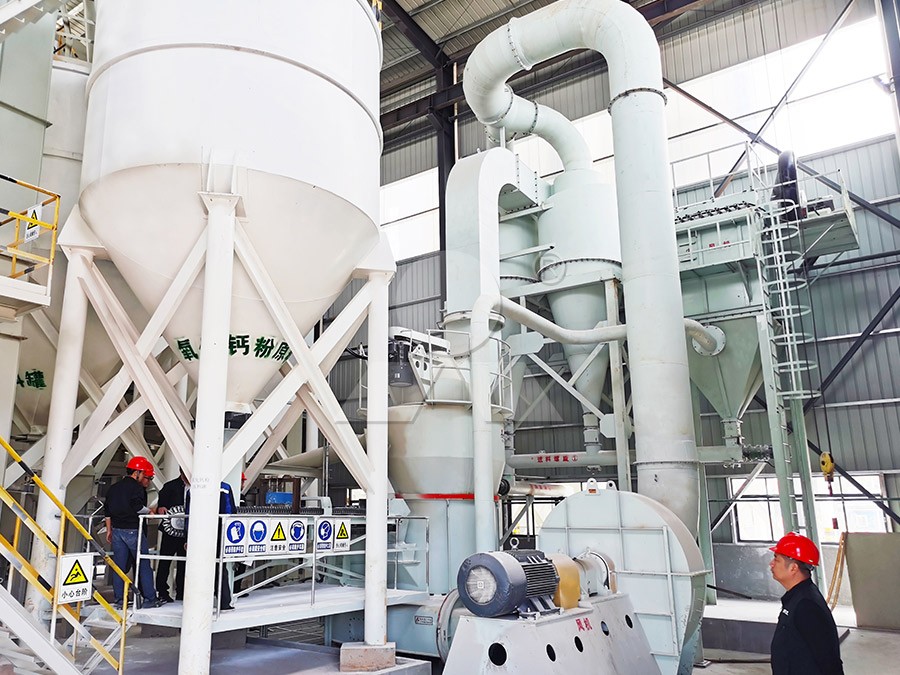
The traditional Raymond mill has been a workhorse for mineral processing for decades. Its initial purchase price is often attractive, which can be a key factor for budget-conscious projects. However, a comprehensive cost analysis must extend far beyond the invoice.
- Initial Capital Outlay: This includes the base price of the mill, auxiliary equipment (feeder, collector, classifier), installation, and commissioning.
- Energy Consumption: This is the most significant operational cost. Older mill designs, including standard Raymond mills, have higher specific energy consumption (kWh per ton of product), leading to substantial electricity bills over the machine’s lifespan.
- Maintenance & Downtime: Costs for replacing grinding rollers, rings, and other vulnerable parts, coupled with production losses during maintenance shutdowns, directly impact profitability. Mills with complex internal bearing systems or many internal fasteners typically require more frequent and intensive maintenance.
- Product Quality & Yield: Inefficient classification can lead to a high percentage of off-spec powder that must be re-circulated, wasting energy. The ability to precisely control fineness and achieve a high single-pass yield is crucial for efficiency.
- Environmental Compliance: Costs associated with dust collection systems, noise abatement, and potential emissions control must be factored in. Non-compliance can result in fines and operational halts.
The Modern Solution: Achieving Lower Total Cost with Advanced Technology
For a critical application like water treatment in a high-standard market like Singapore, the focus must shift from the lowest purchase price to the lowest lifetime cost. Modern grinding technology addresses the shortcomings of traditional designs head-on.
A prime example is our MW Ultrafine Grinding Mill. Engineered for precision and efficiency, it is exceptionally well-suited for producing the high-quality limestone powder required by Singapore’s water sector. Its design philosophy directly targets the major cost centers in grinding operations.
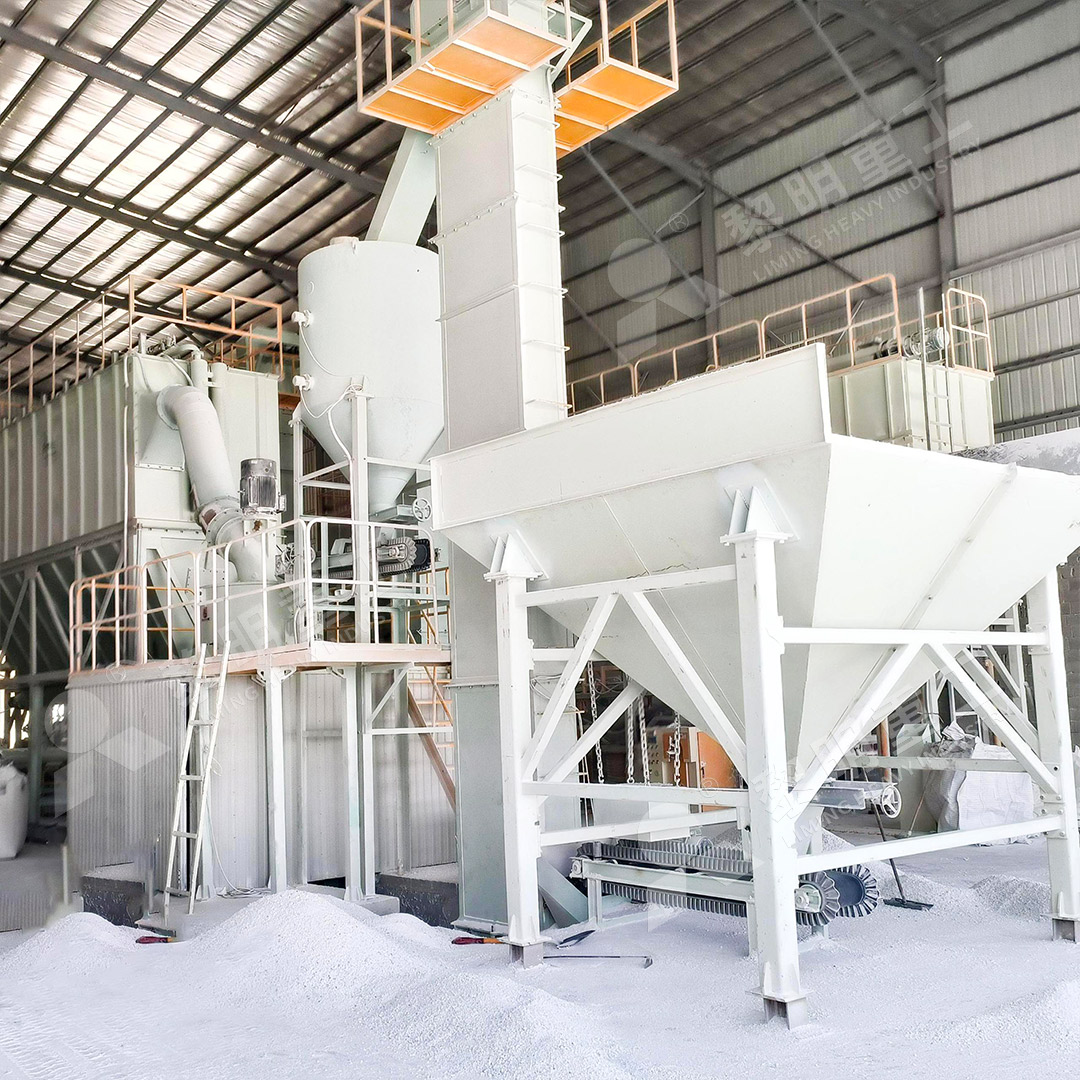
The MW Mill delivers higher yielding at lower energy consumption. Its optimized grinding curves and efficient powder selector can increase capacity by up to 40% compared to some conventional mills while reducing system energy use dramatically. For a facility running 24/7, this translates to massive annual savings on power bills. Furthermore, its adjustable fineness between 325-2500 meshes offers unparalleled flexibility to meet exacting product specifications for different treatment stages.
Maintenance costs are curtailed through innovative design. The grinding chamber has no rolling bearings or screws, eliminating common failure points and concerns about loose parts causing damage. External lubrication allows for servicing without shutdowns, supporting continuous 24-hour operation—a critical requirement for public utility support. From an environmental standpoint, the integrated high-efficiency pulse dust collector and muffler ensure the production process meets stringent Singaporean standards for dust and noise emissions without requiring costly additional retrofits.
Case for Vertical Grinding Mills in High-Capacity Scenarios
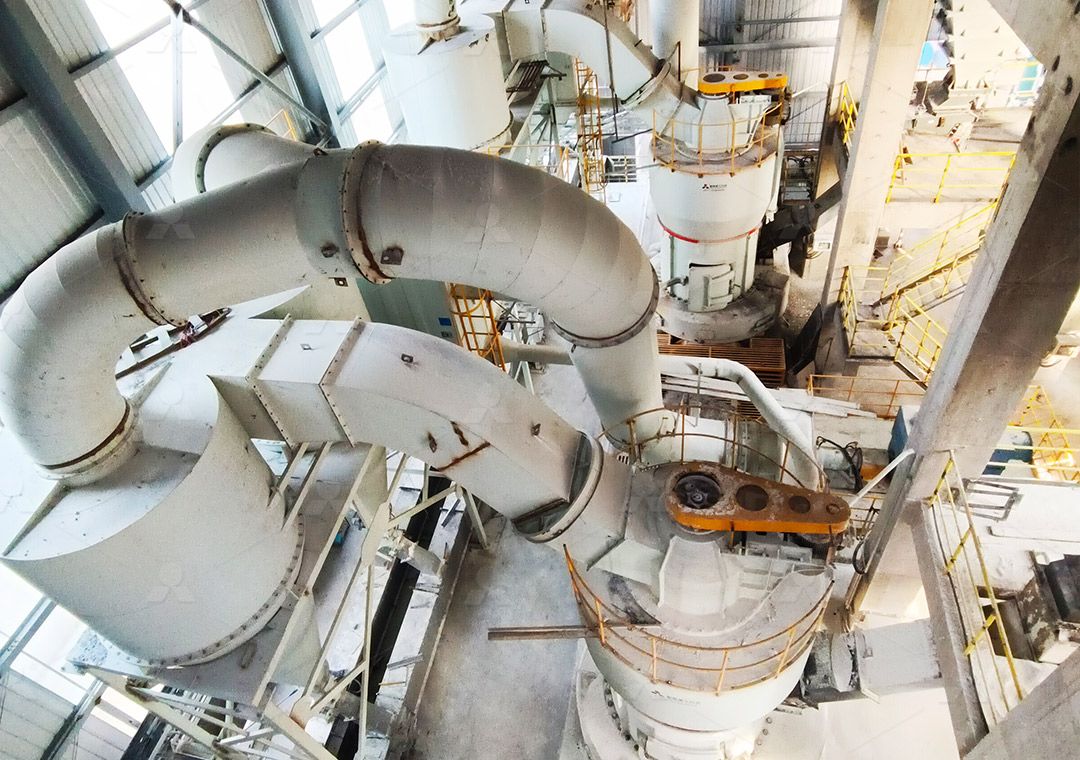
For larger treatment plants or centralized processing facilities requiring higher throughput, vertical roller mills present another technologically advanced option. Our LUM Ultrafine Vertical Grinding Mill is a standout in this category. It integrates grinding, drying, classifying, and conveying, offering a remarkably compact footprint—a valuable advantage in space-constrained Singapore.
The LUM Mill’s multi-head powder separating technology and PLC control system enable precise, energy-efficient cuts in particle size distribution. Its reversible structure allows grinding rollers to be easily swung out for maintenance, drastically reducing downtime and associated labor costs. Like the MW Mill, it is built with digital precision and supported by a reliable supply of original spare parts, ensuring worry-free long-term operation.
Conclusion: Investing in Operational Excellence
The choice of grinding equipment for limestone in Singapore’s water treatment industry is a strategic one. While a basic Raymond mill may appear cost-effective initially, its higher operational costs, greater environmental footprint, and potential quality limitations can erode that advantage over time. For a nation dedicated to excellence in water management, investing in advanced grinding technology like the MW Ultrafine Grinding Mill or the LUM Ultrafine Vertical Mill is an investment in reliability, purity, and long-term economic efficiency. The superior energy efficiency, lower maintenance needs, and guaranteed product quality these mills provide result in a significantly lower total cost of ownership and align perfectly with Singapore’s goals of sustainability and operational excellence in its critical water infrastructure.
Frequently Asked Questions (FAQs)
- What is the typical fineness range required for limestone in water treatment, and can your mills achieve it?
Most water treatment processes require limestone powder between 200 and 800 meshes. Our MW Ultrafine Grinding Mill can precisely adjust fineness from 325 to 2500 meshes, easily covering and exceeding this range with high consistency. - How significant are the energy savings with the MW Mill compared to a traditional Raymond mill?
Savings are substantial. The MW Mill’s system energy consumption can be as low as 30% of some older jet or impact mill designs, and it offers significantly higher yield per kilowatt-hour than traditional ball or Raymond mills, leading to major reductions in operational electricity costs. - We are concerned about metal contamination (iron) in the powder. How do your mills address this?
Both the MW and LUM mills are designed to minimize iron pollution. The MW Mill has no rolling bearings in the grinding chamber, and both mills use advanced material handling and grinding principles that reduce mechanical wear and the associated iron introduction, ensuring higher whiteness and purity of the final product. - Does the equipment comply with Singapore’s strict environmental regulations?
Yes. Our mills are designed with environmental protection as a core feature. They come equipped with efficient pulse dust collectors for near-zero dust emission and integrated mufflers or noise reduction technologies to keep operational noise well within acceptable limits. - What is the expected maintenance schedule, and how does it affect continuous operation?
Maintenance is simplified. Key features like the external lubrication system on the MW Mill allow for routine servicing without shutdowns. The reversible roller structure in the LUM Mill enables quick part inspection and replacement. This design philosophy maximizes uptime and supports 24/7 continuous production cycles. - Can the mill handle the humidity levels present in Singapore’s climate?
Yes. While limestone feedstock should be dry, our milling systems, particularly vertical mills like the LUM, can integrate mild drying functionality using process air. For very humid conditions, we can advise on necessary pre-drying solutions or system configurations to ensure optimal grinding performance. - Do you provide local technical support and spare parts availability in Southeast Asia?
We operate a comprehensive global supply and service network. We are committed to providing timely technical support and ensuring a sufficient supply of original spare parts to our clients in Singapore and across Southeast Asia to guarantee worry-free, long-term operation.