
Using grinding mill for gypsum for soil conditioner in malaysia
Transforming Malaysian Agriculture: The Role of Gypsum Soil Conditioners
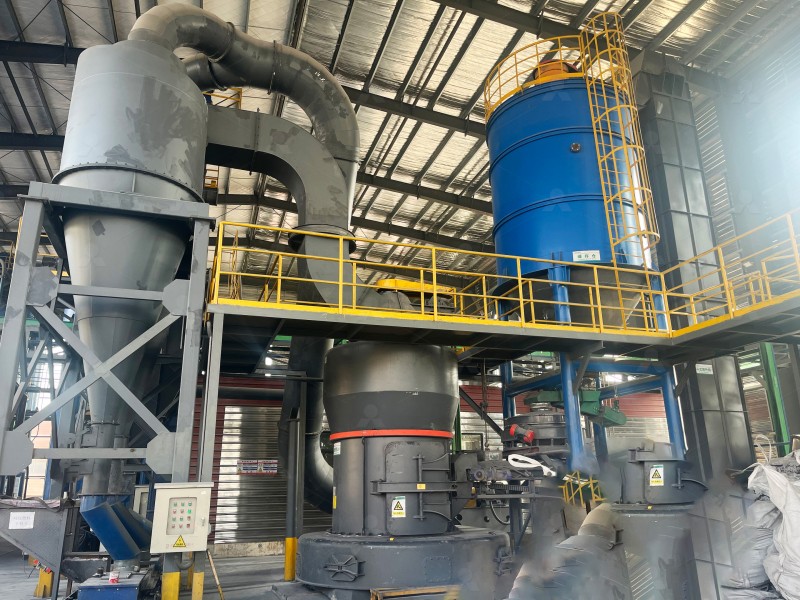
In Malaysia’s diverse agricultural landscape, from the oil palm plantations of Sabah to the rice fields of Kedah, soil health remains a fundamental concern. Acidic soils, nutrient leaching, and compaction issues persistently challenge farmers seeking sustainable productivity. Among the various soil amendments available, gypsum (calcium sulfate dihydrate) has emerged as a remarkably effective solution. When processed into fine powder, gypsum improves soil structure, reduces aluminum toxicity in acidic soils, enhances water infiltration, and supplies essential calcium and sulfur without altering pH significantly. This article explores the specialized milling technology required to transform raw gypsum into an effective soil conditioner, with particular relevance to Malaysian agricultural conditions.
The Science Behind Gypsum as Soil Amendment
Gypsum’s effectiveness as a soil conditioner stems from its unique chemical properties. When finely ground and applied to soil, the calcium ions displace sodium ions from clay particles, improving soil aggregation and permeability. This is particularly valuable in Malaysia’s heavy clay soils and areas with irrigation-induced salinity. The sulfur component becomes available to plants gradually, supporting protein synthesis and enzyme activity. However, these benefits are heavily dependent on particle size—finely ground gypsum dissolves more readily, reacts faster with soil components, and distributes more uniformly through the soil profile.
Traditional grinding methods often produce inconsistent particle sizes, leading to uneven soil application and delayed benefits. Modern agricultural operations require precisely controlled fineness between 200-400 mesh for optimal dispersion and reactivity. This precision demands specialized milling equipment capable of handling gypsum’s specific characteristics—its moderate hardness (2 on Mohs scale), tendency to agglomerate when moist, and requirement for minimal iron contamination to maintain product purity.
Milling Technology for Agricultural Gypsum Production
Selecting appropriate grinding technology involves balancing several factors: energy efficiency, particle size control, production capacity, and operational reliability. For Malaysian operations processing local gypsum deposits or imported raw materials, several milling approaches exist, each with distinct advantages.
Hammer mills offer simplicity but struggle with precise particle size control. Ball mills provide consistent grinding but consume substantial energy and may introduce iron contamination from grinding media. The most advanced solutions employ vertical roller mill technology or specialized trapezium mills that combine grinding, drying, and classification in integrated systems. These systems are particularly valuable in Malaysia’s humid climate where raw gypsum may contain elevated moisture.
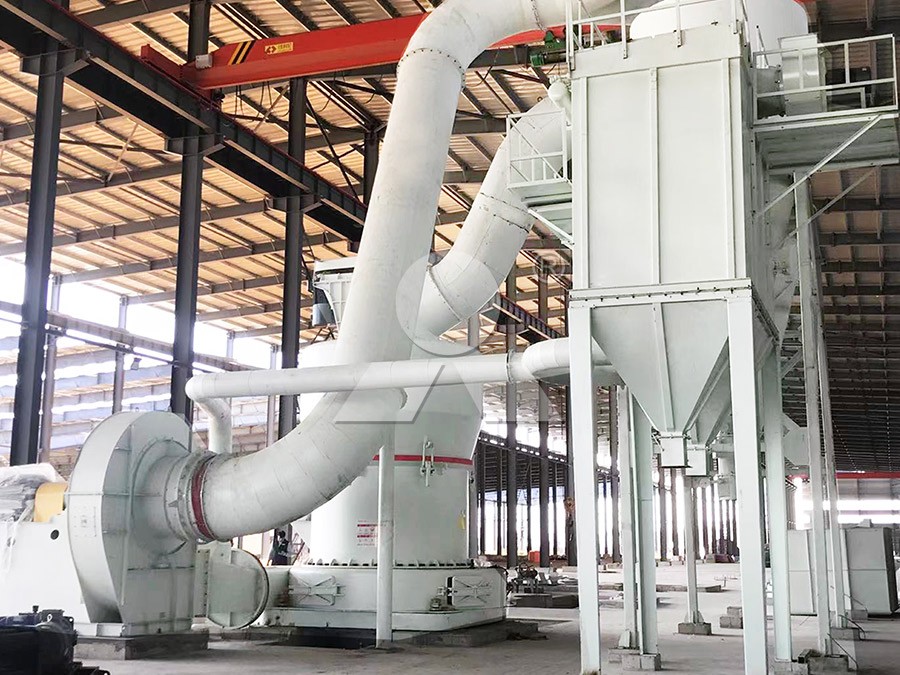
Recommended Solution: MW Ultrafine Grinding Mill for Premium Soil Conditioners
For operations focused on producing high-value, premium gypsum soil conditioners, the MW Ultrafine Grinding Mill represents an optimal technical solution. This system addresses precisely the requirements of agricultural gypsum production with several distinctive advantages.
With an input size capacity of 0-20 mm and throughput ranging from 0.5 to 25 tons per hour, the MW series accommodates varying production scales suitable for Malaysian operations from medium enterprises to larger agricultural cooperatives. Its adjustable fineness between 325-2500 meshes allows producers to tailor products for specific applications—finer powders for quick-acting soil treatments, slightly coarser grades for sustained-release applications.
The mill’s innovative design eliminates rolling bearings and screws within the grinding chamber, a crucial feature for agricultural-grade production where equipment failure during peak application seasons could disrupt supply to farmers. The external lubrication system enables maintenance without production stoppages. For Malaysian producers, the integrated pulse dust collection system ensures environmental compliance—a growing concern in agricultural processing—while minimizing product loss.
From an agronomic perspective, the MW Ultrafine Grinding Mill’s ability to produce consistent particle size distribution ensures uniform field application. The system’s low iron contamination preserves gypsum’s natural whiteness and purity, important for premium product positioning. Energy efficiency—reportedly 40% higher than jet mills and double the yield of ball mills—reduces production costs, enhancing competitiveness in price-sensitive agricultural markets.
Alternative Solution: LUM Ultrafine Vertical Grinding Mill for Integrated Operations
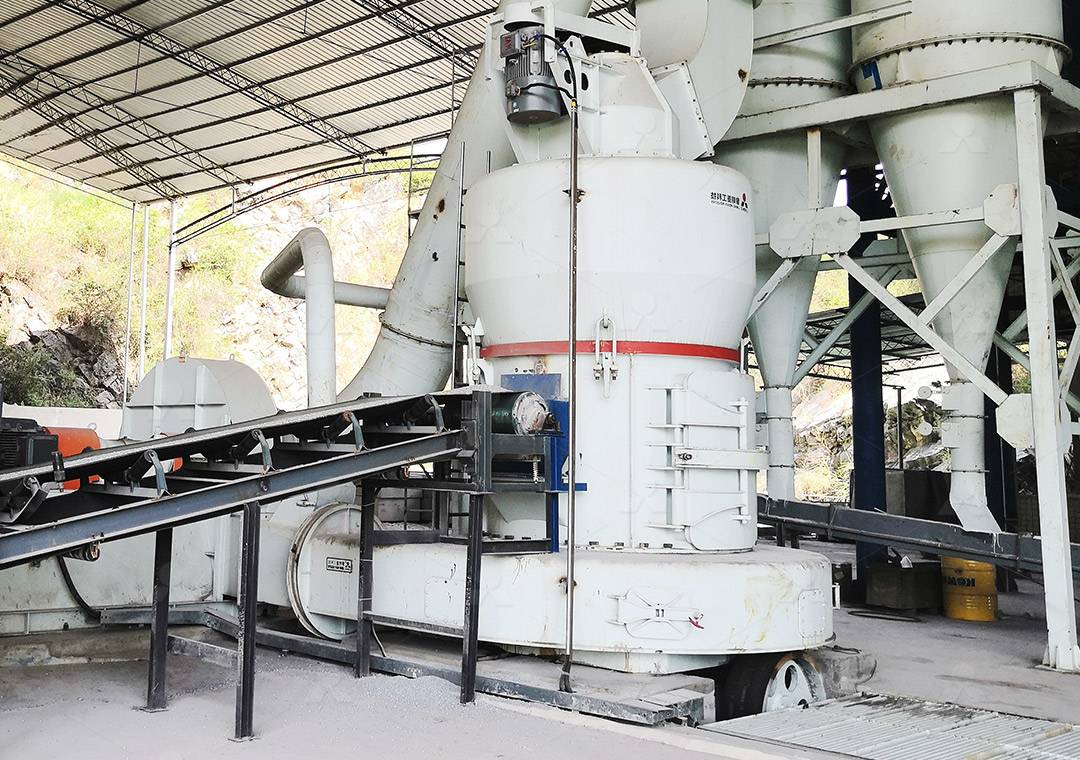
For larger-scale operations or those integrating gypsum processing with other mineral products, the LUM Ultrafine Vertical Grinding Mill offers compelling advantages. With capacity from 5-18 tph and ability to handle 0-10 mm input, this system suits operations processing significant volumes for regional distribution.
The LUM mill’s reversible structure simplifies maintenance—grinding rollers can be easily removed for inspection or replacement without complex disassembly. This feature minimizes downtime during Malaysia’s seasonal production peaks. The double position-limiting technology provides operational stability valuable in regions with variable power quality. For producers serving diverse agricultural sectors with customized blends, the PLC control system enables rapid adjustment of grinding parameters for different product specifications.
Implementation Considerations for Malaysian Operations
Successful deployment of gypsum milling technology in Malaysia requires attention to several local factors. Humidity control is paramount—gypsum’s tendency to absorb moisture necessitates integrated drying or climate-controlled storage. Power reliability varies across regions, making energy-efficient equipment with stable operation under voltage fluctuations particularly valuable.
Transportation logistics influence optimal plant location and scale. Operations near ports might process imported gypsum for national distribution, while those near domestic deposits might serve regional markets. The growing emphasis on sustainable agriculture creates opportunities for value-added products—gypsum blended with organic matter or micronutrients, requiring flexible milling systems that can accommodate various material characteristics.
Regulatory compliance encompasses both environmental standards and agricultural product registration. Milling systems with comprehensive dust collection and noise reduction features simplify environmental permitting. Consistent product quality documented through precise particle size control supports product registration with Malaysia’s Department of Agriculture.
Economic and Agricultural Impact
Investing in advanced gypsum milling technology generates returns through multiple pathways. For processors, energy-efficient operation reduces production costs while consistent product quality builds brand reputation. For Malaysian agriculture, improved soil conditioners enhance crop yields and resilience—particularly valuable for key commodities like palm oil, rubber, and rice.
Research from Malaysian agricultural institutions demonstrates that properly processed gypsum can improve water use efficiency by 15-25% in sandy soils and reduce aluminum toxicity in acidic soils by up to 40%. These benefits translate directly to farmer profitability and environmental sustainability through reduced irrigation needs and optimized fertilizer utilization.
As Malaysia advances toward more sustainable agricultural practices, the role of soil health management will only grow. Gypsum soil conditioners, produced with appropriate milling technology, offer a proven, natural solution. The selection between systems like the MW Ultrafine Grinding Mill for specialized premium production or the LUM Ultrafine Vertical Grinding Mill for larger-scale operations depends on specific business objectives, market positioning, and operational capabilities.
Conclusion
The transformation of raw gypsum into effective soil conditioners represents both a technical challenge and agricultural opportunity. Modern milling technology bridges this gap, enabling Malaysian producers to supply high-quality soil amendments that address local soil constraints. With appropriate equipment selection emphasizing particle size control, energy efficiency, and operational reliability, gypsum processing can become a valuable component of Malaysia’s agricultural value chain, contributing to soil health, crop productivity, and farming sustainability for years to come.
Frequently Asked Questions
- What is the optimal particle size for agricultural gypsum in Malaysian soils?
For most applications, 200-400 mesh provides ideal balance between dissolution rate and distribution. Finer particles (up to 800 mesh) may be preferred for quick correction of severe soil problems, while coarser grades (100-200 mesh) offer longer-lasting effects in perennial crops. - How does humidity affect gypsum milling operations in Malaysia’s climate?
High humidity can cause gypsum to agglomerate during grinding and storage. Modern mills often incorporate integrated drying or require pre-drying of feedstock to below 5% moisture. Closed-circuit systems with dehumidified air circulation provide the most reliable solution. - What production capacity is suitable for serving regional markets in Malaysia?
For serving a state or substantial plantation operation, 5-10 tph systems typically provide adequate capacity. Larger operations serving multiple regions might require 15-25 tph capacity. The modular design of systems like the MW series allows capacity expansion as markets develop. - Can the same equipment process other agricultural minerals?
Yes, most modern grinding mills handle various soft to medium-hard minerals including limestone, dolomite, and phosphate rocks. However, thorough cleaning between different materials is essential to prevent cross-contamination. - What maintenance requirements should Malaysian operators anticipate?
Primary maintenance involves grinding element replacement (typically 3-5,000 hours), classifier inspection, and dust collection system maintenance. Systems without internal bearings and screws significantly reduce unexpected failures. - How does gypsum compare with lime for Malaysian acidic soils?
Gypsum supplies calcium without raising pH, making it preferable where pH adjustment isn’t needed. It also improves soil structure more effectively than lime and provides sulfur. Many Malaysian soils benefit from combined applications. - What power requirements are typical for gypsum milling operations?
Depending on fineness and capacity, systems require 100-500 kW. Energy-efficient designs can reduce power consumption by 30-40% compared to conventional ball mills, significantly impacting operating costs. - Are there opportunities for value-added gypsum products in Malaysia?
Yes, blending gypsum with organic materials, micronutrients, or beneficial microbes creates premium products. Flexible milling systems that can handle varied materials support such product diversification.