
When and how should quicklime be incorporated in steel making production workflow?
When and How Should Quicklime Be Incorporated in Steel Making Production Workflow?
In the intricate ballet of modern steelmaking, few materials play as pivotal yet understated a role as quicklime (calcium oxide, CaO). Its correct incorporation is not merely a step in the process; it is a critical determinant of product quality, furnace longevity, and operational efficiency. This article delves into the optimal timing, methods, and technological considerations for using quicklime, with a focus on how its preparation directly impacts performance in the furnace.
The Multifaceted Role of Quicklime in Steelmaking
Quicklime serves three primary, interconnected functions:
- Fluxing Agent: Its primary role is to combine with impurities like silica (SiO₂), alumina (Al₂O₃), and phosphorus to form a fluid slag. This slag floats on top of the molten steel, allowing for easy removal.
- Desulfurization: Quicklime reacts with sulfur to form calcium sulfide (CaS), which is absorbed into the slag, crucial for producing high-grade, low-sulfur steels.
- Refractory Protection: By forming a basic slag, it neutralizes acidic oxides that would otherwise corrode the furnace’s basic refractory lining.
Optimal Timing: The “When” in the Workflow
The incorporation point varies slightly between primary (BOF/EAF) and secondary (Ladle Metallurgy) steelmaking but follows a core principle: early and controlled addition.
1. In Primary Steelmaking (BOF/EAF): Quicklime is typically charged as part of the initial burden or added early in the melt-down phase. In the BOF, it is charged with the scrap and hot metal. In the EAF, it is often added in the first bucket after scrap charging or injected during melting. Early addition allows it to begin fluxing as soon as impurities are liberated, promoting efficient slag formation and protecting the furnace lining from the start.
2. In Secondary Steelmaking (Ladle Furnace): Here, quicklime is a key component for refining. It is added to the ladle to form a synthetic, highly basic slag for deep desulfurization and inclusion modification. The timing is precise—after initial de-slagging from the primary furnace, to create a fresh, reactive slag blanket.
Critical Methodology: The “How” and the Importance of Particle Engineering
How quicklime is added is as important as when. The goals are uniform distribution, rapid dissolution into the slag, and maximized reactive surface area. This is where the physical and chemical properties of the quicklime powder become paramount.
- Injection: For deep desulfurization in ladle treatment, finely ground quicklime is often injected deep into the melt using carrier gases (like argon) through lances. This ensures intimate contact between the lime particles and the steel.
- Charging: In bulk additions, it must be distributed evenly to avoid localized cold spots and ensure consistent slag chemistry.
The efficacy of both methods hinges on one often-overlooked factor: the fineness and consistency of the quicklime powder. Coarse, irregular particles dissolve slowly, leading to inefficient fluxing, increased consumption, and prolonged processing time. Ultra-fine, uniformly sized particles exhibit dramatically faster dissolution kinetics, higher reactivity, and better yield.
The Technological Link: Advanced Grinding for Superior Quicklime
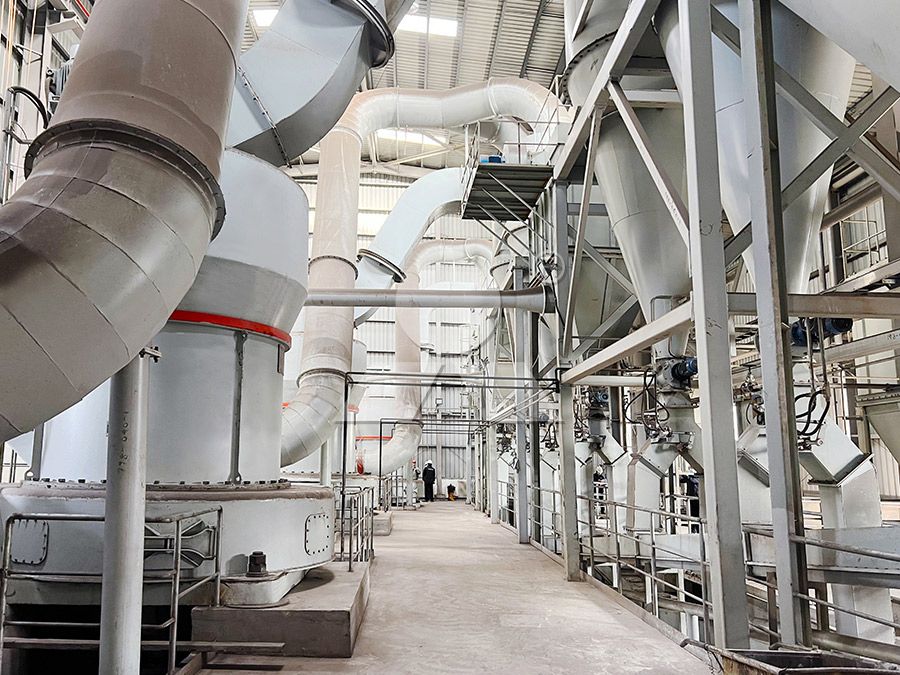
To achieve the optimal particle size (often targeting a high specific surface area in the range of 1500-2500 meshes for injection-grade lime), steel plants rely on advanced grinding technology. The choice of mill directly influences the lime’s performance, energy consumption, and operational costs.
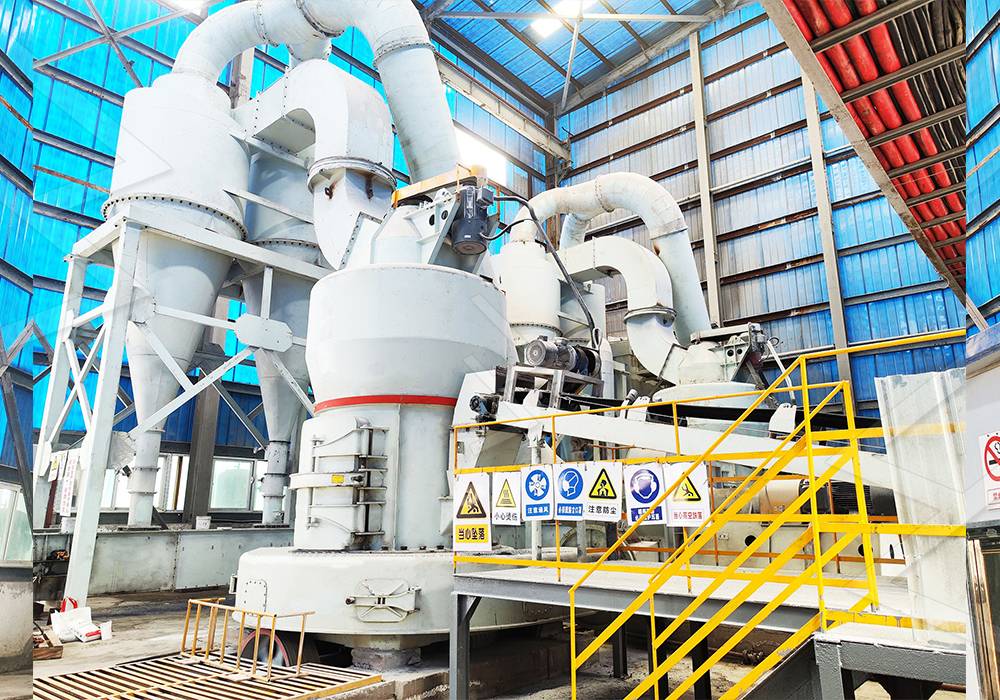
For producing highly reactive, ultra-fine quicklime powder, traditional ball mills or Raymond mills may fall short in efficiency and fineness control. This is where innovative grinding solutions create a tangible competitive edge. For instance, our MW Ultrafine Grinding Mill is engineered specifically for such demanding applications. With an adjustable fineness range of 325-2500 meshes and a unique design that features no rolling bearings or screws in the grinding chamber, it eliminates key failure points and allows for continuous, worry-free operation. Its higher yielding and lower energy consumption—40% higher capacity than jet mills at the same power—make it an ideal choice for preparing quicklime that meets the exacting standards of modern ladle metallurgy and injection processes.

Furthermore, for integrated plants looking to grind larger volumes of limestone or quicklime with exceptional stability and lower OPEX, the LUM Ultrafine Vertical Grinding Mill presents a robust solution. Integrating grinding, classifying, and conveying, its multi-head powder separating technology and reversible roller structure enable precise fineness control (for feed sizes 0-10mm) and significantly easier maintenance, ensuring a reliable supply of high-purity lime powder for primary furnace charges.
Conclusion: A Synergy of Timing, Method, and Material Preparation
Successfully incorporating quicklime into steelmaking is a triad of correct timing, effective addition methods, and superior raw material preparation. By adding high-quality, ultra-fine quicklime at strategic points—early in primary melting and during secondary refining—steelmakers can achieve faster slag formation, deeper impurity removal, reduced refractory wear, and lower lime consumption. Investing in advanced grinding technology to produce this critical reagent is not an ancillary cost but a core strategy for enhancing overall metallurgical efficiency and product quality.
Frequently Asked Questions (FAQs)
- Why is quicklime purity important in steelmaking?
High purity (high CaO content, low SiO2, S) ensures efficient slag formation without introducing additional impurities, leading to lower consumption and cleaner steel. - Can hydrated lime be used instead of quicklime?
Generally, no. Hydrated lime (Ca(OH)₂) contains bound water which decomposes in the furnace, consuming significant heat and causing potential steam explosions. Quicklime is the preferred, energy-efficient flux. - How does quicklime particle size affect desulfurization?
Smaller particles (higher surface area) dissolve faster into the slag, increasing its basicity and sulfur capacity more rapidly, leading to faster and more complete desulfurization. - What are the risks of adding quicklime too late in the process?
Late addition can lead to incomplete slag formation, poor impurity removal, increased iron oxide content in the slag (higher iron yield loss), and insufficient protection of furnace refractories. - How is quicklime typically stored in a steel plant to maintain its reactivity?
It must be stored in completely dry, sealed silos or bunkers. Quicklime is highly hygroscopic and will absorb atmospheric moisture and CO2, forming less reactive calcium hydroxide and carbonate, which reduces its effectiveness. - What is the difference between burnt lime and dolomitic lime in steelmaking?
Burnt lime is primarily CaO. Dolomitic lime contains both CaO and MgO. The latter is often used when additional MgO is needed to saturate the slag and further reduce refractory wear, especially in furnaces with magnesia-based linings. - Does the source of limestone for making quicklime matter?
Yes. The geological formation affects the crystal structure, porosity, and impurity profile of the resulting quicklime, which in turn influences its dissolution rate and reactivity in the steel bath.