
Using grinding machine for kaolin for ceramics production in pakistan
Optimizing Kaolin Processing for Pakistan’s Ceramics Industry: A Guide to Advanced Grinding Solutions
The ceramics industry in Pakistan stands as a pillar of both cultural heritage and modern economic development. From the intricate blue pottery of Multan to the high-volume production of sanitaryware and tiles, the quality of the final product is intrinsically linked to the quality of its primary raw material: kaolin. This fine, white clay is the backbone of ceramic bodies and glazes, and its processing—specifically, the grinding stage—is a critical determinant of product whiteness, plasticity, strength, and firing characteristics. Selecting the right grinding technology is not merely an operational decision; it is a strategic investment in product quality, production efficiency, and market competitiveness.
The Critical Role of Fine Grinding in Ceramic Kaolin Preparation
Raw kaolin, once mined and beneficiated, requires precise size reduction to unlock its ceramic potential. The grinding process directly influences several key parameters:
- Particle Size Distribution (PSD): A uniform, ultra-fine PSD ensures tighter particle packing in the ceramic body, leading to higher green strength, reduced porosity, and superior surface finish after firing. For high-grade tableware and technical ceramics, achieving a fineness of d97 ≤ 10µm is often essential.
- Whiteness and Purity: Contamination from grinding media (like iron from traditional ball mills) can introduce discoloring impurities, severely impacting the brightness of whiteware. The grinding system must minimize iron pick-up.
- Energy Efficiency: Grinding is an energy-intensive operation. Modern mills must deliver high yields per kilowatt-hour to keep production costs manageable, especially important in markets with fluctuating energy prices.
- Environmental Compliance: Dust generation and noise are significant concerns. A closed, efficient system with integrated dust collection is non-negotiable for sustainable and responsible manufacturing.
Traditional grinding methods, such as Raymond mills or basic ball mills, often struggle to meet these combined demands efficiently. They may lack the precision for ultra-fine grades, risk contamination, or consume excessive power.

Advanced Grinding Technologies: Tailoring the Solution to Kaolin
The evolution of grinding machinery has led to systems specifically engineered for non-metallic minerals like kaolin. Two standout technologies offer compelling advantages for Pakistani ceramic producers looking to upgrade their processing lines.
For operations requiring the very finest powders and utmost purity, the MW Ultrafine Grinding Mill presents a formidable solution. Engineered for customers who need to make ultra-fine powder, this mill excels in producing kaolin with adjustable fineness between 325-2500 meshes. Its design is particularly relevant for high-value ceramic glazes and engineered ceramic compounds where extreme fineness and cleanliness are paramount. A key feature is the absence of rolling bearings and screws in the grinding chamber, eliminating concerns about damage from these components and the associated risk of metallic contamination. Furthermore, the mill is equipped with an efficient pulse dust collector and muffler, ensuring the production process meets stringent environmental standards—a crucial consideration for modern factories.
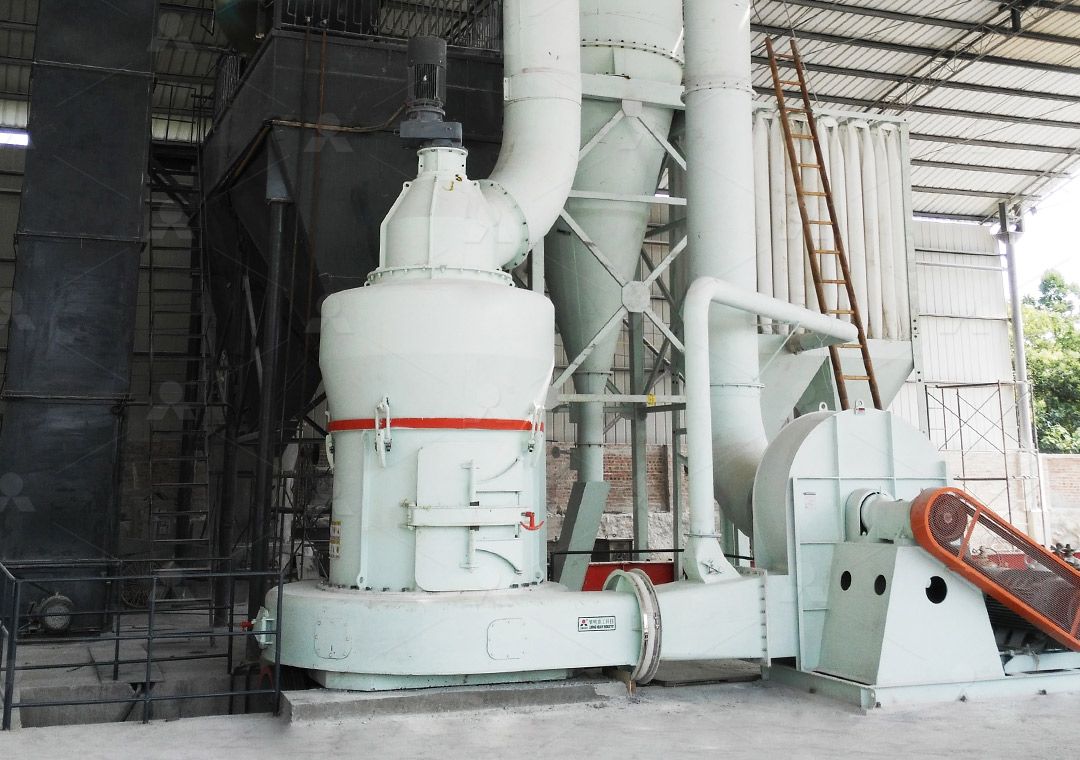
For larger-scale production of kaolin body mixes and fillers, where efficiency, stability, and ease of maintenance are prioritized, the LUM Ultrafine Vertical Grinding Mill is an excellent choice. Independently designed with the latest grinding roller and powder separating technology, it integrates grinding, grading, and transporting. Its unique roller shell and lining plate grinding curve are easier to generate a material layer, promoting inter-particle grinding and achieving a high rate of finished product in a single pass. This enhances whiteness and cleanliness. A significant benefit for plant managers is its reversible structure. Using a hydraulic system, grinding rollers can be easily moved out of the mill body for inspection and maintenance, drastically reducing downtime—a vital feature for continuous production cycles in the ceramics sector.
Integrating Advanced Grinding into the Pakistani Ceramics Workflow
Implementing a modern grinding solution requires a holistic view of the production chain. After primary crushing, kaolin is fed into the selected grinding mill. The ground material is then classified; oversize particles are recirculated, while the on-spec powder is conveyed to storage or directly to the mixing and forming stages. The choice between the MW and LUM models, or other options like the MTW-Z European Trapezium Mill which is also well-suited for kaolin, hinges on specific factory goals: maximum fineness (MW), large-volume efficiency with easy upkeep (LUM), or a robust, cost-effective all-rounder (MTW-Z).
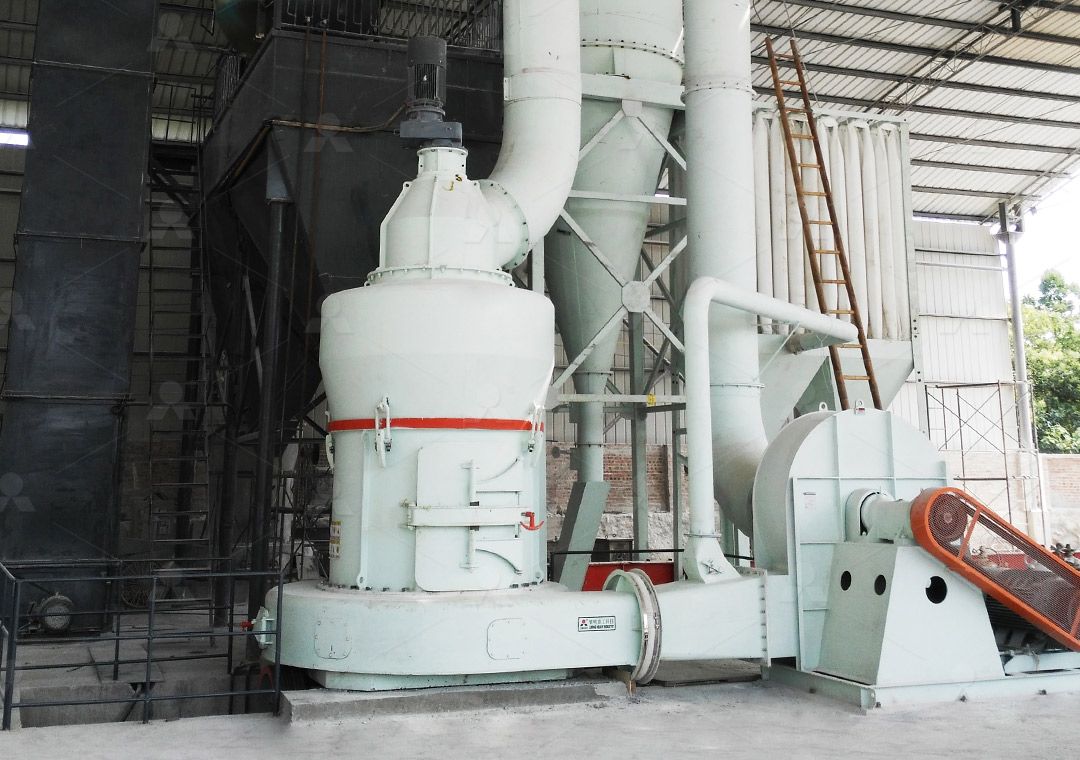
For Pakistani manufacturers, this technological upgrade translates to tangible benefits: the ability to produce higher-grade ceramics that can compete in export markets, significant reductions in energy consumption per ton of processed kaolin, lower maintenance costs through more durable and service-friendly designs, and a cleaner, safer working environment. By moving beyond conventional milling, Pakistan’s ceramics industry can enhance its quality narrative, improve its cost structure, and solidify its position as a regional manufacturing hub.
Conclusion
The journey from raw kaolin to a finished ceramic masterpiece is complex, but its foundation lies in precise, efficient, and clean grinding. As global standards rise and competition intensifies, investing in advanced grinding technology is no longer optional for forward-thinking Pakistani ceramic producers. Solutions like the MW Ultrafine Grinding Mill for ultra-pure applications and the LUM Ultrafine Vertical Grinding Mill for high-volume production offer the performance, reliability, and environmental compliance needed to build a brighter, more competitive future for Pakistan’s esteemed ceramics industry.
Frequently Asked Questions (FAQs)
- What is the typical fineness range required for kaolin in ceramic bodies versus glazes?
Ceramic bodies often require kaolin ground to between 200-500 mesh (d90 ~ 30-75µm). Glazes demand much finer particles, typically in the range of 1250-2500 mesh (d97 ≤ 10-5µm) to ensure a smooth, defect-free surface. - How significant is iron contamination from the grinding process, and how is it prevented?
Iron contamination is highly detrimental, causing yellowing or specking in fired whiteware. Advanced mills prevent this by using wear-resistant alloys that shed less material and by designs that eliminate metal-to-metal contact in the grinding zone (e.g., no rolling bearings in the chamber). - Can these grinding mills handle the variation in moisture content sometimes found in Pakistani kaolin?
Yes, many modern mills, particularly vertical roller types like the LUM, integrate a drying function. Hot air can be introduced into the grinding chamber concurrently to dry and grind the material, handling moisture contents typically up to 10-15%. - What is the expected energy saving when switching from a traditional ball mill to a modern vertical or ultra-fine mill?
Savings of 30% to 50% in specific energy consumption (kWh/ton) are commonly achievable, as modern mills utilize more efficient grinding principles like bed compression and have advanced, low-resistance classifiers. - How does the particle shape from these advanced mills affect ceramic properties?
Mills that utilize compression and inter-particle grinding (like vertical roller mills) tend to produce more isometric (rounded) particles compared to the platy particles from some traditional methods. This can improve packing density and flow characteristics of the ceramic slip or powder. - Is the installation footprint of these new mills larger than old equipment?
Quite the opposite. Systems like the LUM Vertical Mill have a very compact design, often occupying 50% or less of the space required by a traditional ball mill system with equivalent output. - What kind of after-sales support and spare parts availability is crucial for operations in Pakistan?
Reliable local technical support, ready availability of genuine wear parts (like grinding rollers and rings), and comprehensive operation training are critical for minimizing downtime and ensuring long-term, worry-free operation.