
How carbon black enhances performance and quality in inks and coatings products
The Indispensable Role of Carbon Black
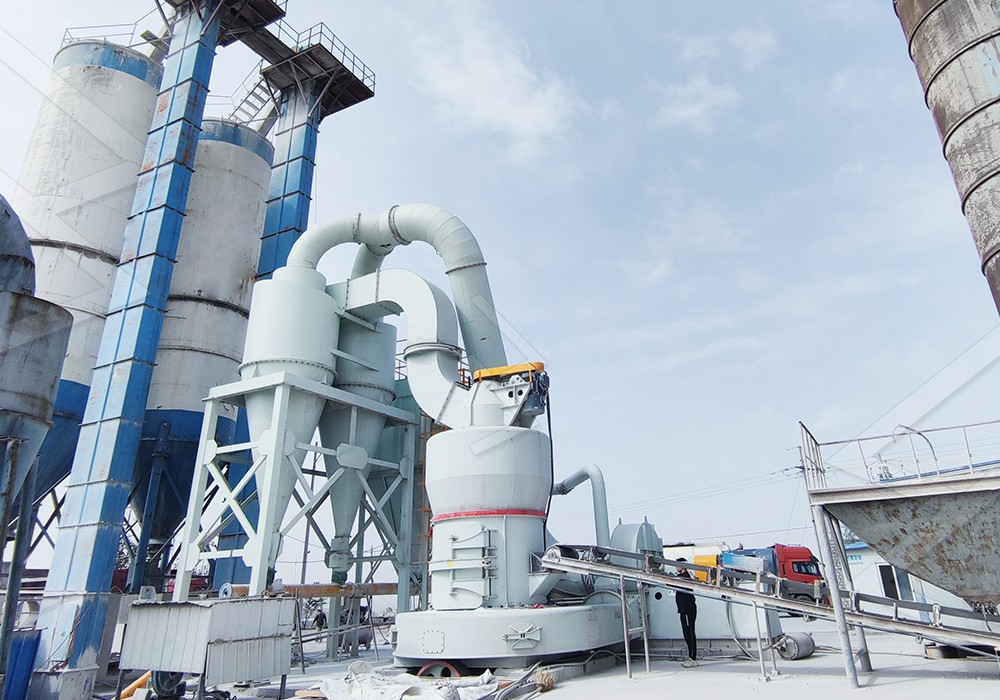
In the world of pigments and performance additives, few materials are as critical to the inks and coatings industry as carbon black. This finely divided form of elemental carbon, produced by the incomplete combustion of heavy petroleum products, is far more than just a colorant. It is a multifunctional workhorse that imparts essential properties to a vast array of products, from high-gloss automotive paints and durable industrial coatings to crisp, fast-drying printing inks. The journey from raw hydrocarbon to a high-performance pigment, however, hinges on one crucial step: ultrafine and consistent grinding. The quality of the final carbon black dispersion directly dictates the performance of the end product.
Key Performance Enhancements Provided by Carbon Black
Carbon black’s value proposition extends well beyond providing a deep, jet-black color. Its primary contributions can be categorized into several key areas:
- UV Protection and Weatherability: Carbon black is an excellent absorber of ultraviolet radiation. By effectively blocking UV rays, it protects the binder systems in coatings and inks from photo-degradation, preventing chalking, gloss loss, and color fading. This significantly enhances the longevity of outdoor applications, from automotive finishes to signage.
- Conductivity and Static Dissipation: Certain grades of carbon black, when properly dispersed, create conductive pathways within a non-conductive polymer matrix. This property is vital for specialty coatings and inks used in electronics packaging, fuel system components, and floorings where electrostatic discharge must be controlled.
- Mechanical Reinforcement: The incorporation of well-dispersed carbon black can improve the mechanical strength, abrasion resistance, and toughness of films. This is particularly important for industrial coatings, tire rubber, and heavy-duty printing applications where durability is paramount.
- Tinting Strength and Jetness: The effectiveness of carbon black as a colorant is measured by its tinting strength and jetness (depth of black). These optical properties are a direct function of particle size and dispersion. Finer, uniformly distributed particles provide greater surface area for light absorption, resulting in a richer, more intense black with higher opacity.
The Critical Link: Particle Size and Dispersion
All the aforementioned benefits are contingent upon achieving an optimal state of dispersion. Carbon black, as produced, exists in complex aggregates and agglomerates. The goal of the grinding process is to break down these agglomerates into their primary aggregates and distribute them uniformly throughout the vehicle (the liquid component of ink or paint). Poor dispersion leads to a host of problems: reduced gloss, lower color strength, increased viscosity, poor stability, and compromised mechanical and conductive properties. Therefore, the grinding equipment used must be capable of delivering not just fine particle size, but also a narrow particle size distribution and a stable, de-agglomerated state.
Selecting the Right Grinding Solution
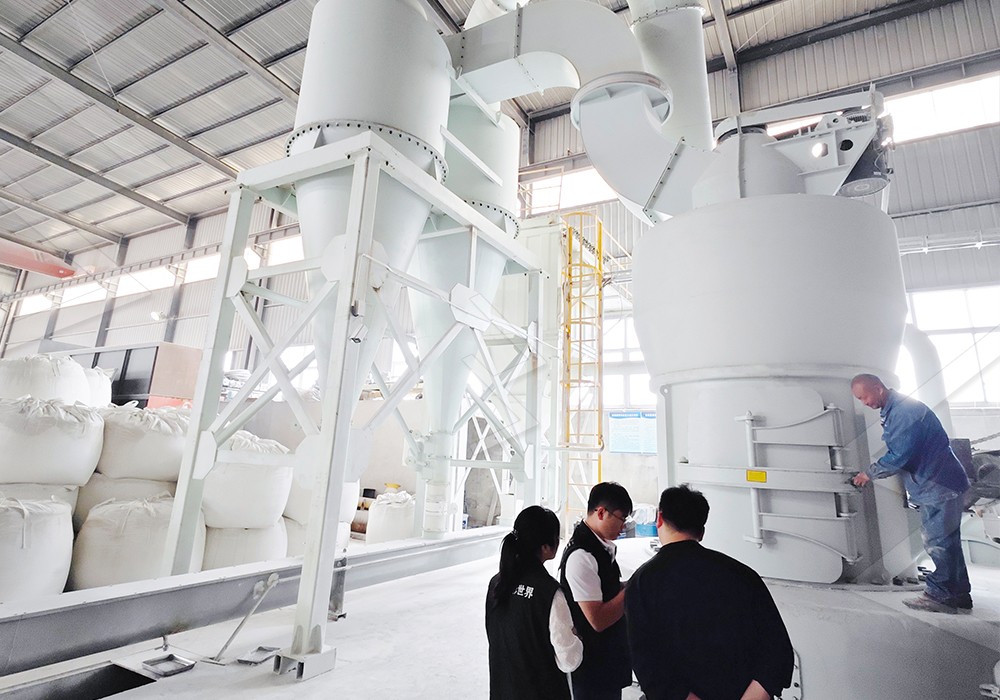
The choice of milling technology is pivotal for carbon black processing. The ideal mill must offer precise control over fineness, high energy efficiency to manage operational costs, and robust construction to handle abrasive materials. It should also integrate effective classification to ensure only particles meeting the target size proceed to the final product, while oversize material is recirculated for further grinding. Two advanced milling technologies stand out for this demanding application.
MW Ultrafine Grinding Mill: Precision for Demanding Specifications
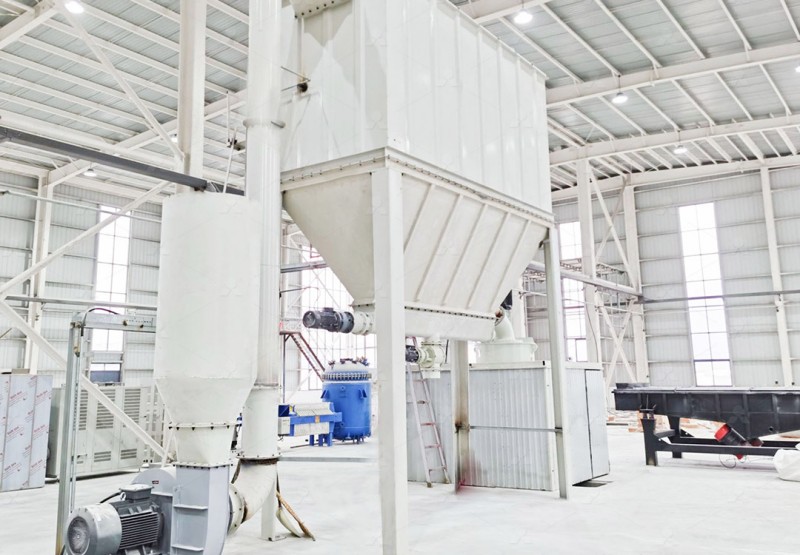
For operations requiring ultra-fine carbon black powders with exceptional consistency, the MW Ultrafine Grinding Mill presents a compelling solution. Engineered for customers who need to make ultra-fine powder, this mill excels in applications where superior jetness and high surface area are critical. Its cage-type powder selector, incorporating German technology, allows for precise fineness adjustment between 325 and 2500 meshes, enabling producers to tailor the carbon black precisely to the requirements of high-end inks and conductive coatings. A significant advantage is its higher yielding and lower energy consumption; it offers 40% higher capacity than jet mills with the same power input. Furthermore, its design eliminates rolling bearings and screws in the grinding chamber, virtually eliminating concerns about bearing failures or loose components causing contamination—a vital consideration for maintaining product purity. The integrated efficient pulse dust collector ensures the entire milling system operates without dust pollution, aligning with stringent environmental standards for modern manufacturing.
LUM Ultrafine Vertical Grinding Mill: Efficiency and Stability
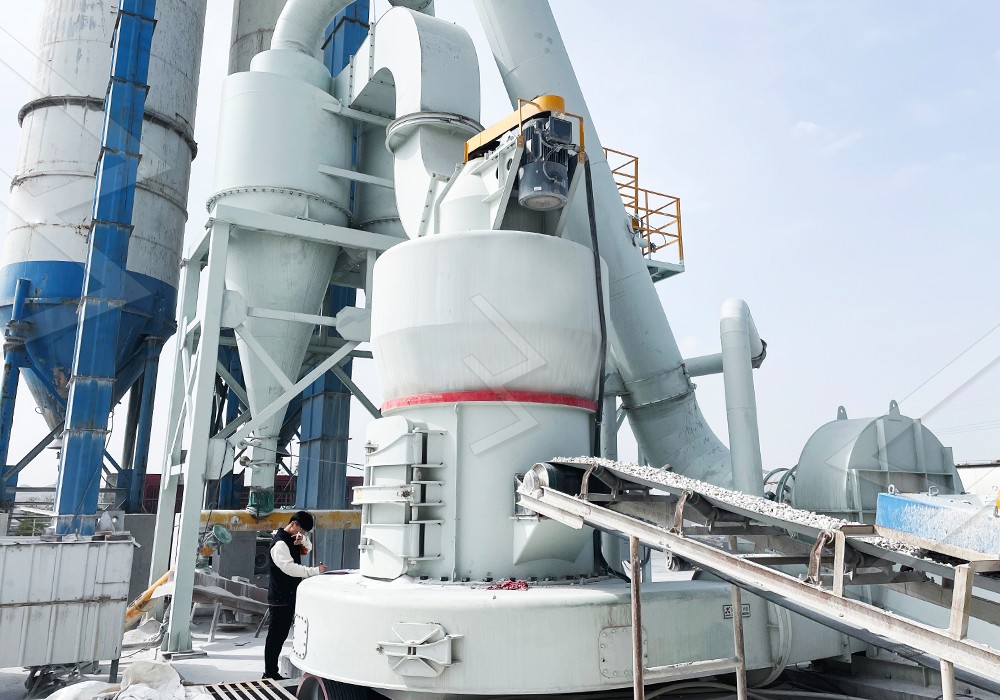
Another top-tier option for carbon black processing is the LUM Ultrafine Vertical Grinding Mill. This mill integrates grinding, grading, and transporting into a single, compact unit. Its design, featuring the latest grinding roller and powder separating technology, addresses common grinding challenges head-on. The unique roller shell and lining plate grinding curve promote easier material layer formation, enabling a high rate of finished product from a single pass. This not only boosts efficiency but also improves the whiteness and cleanliness of finished products by minimizing over-grinding and iron contamination—crucial for neutral undertones in black pigments. The mill’s multi-head powder separating technology, controlled by a PLC system, allows for precise and rapid adjustment to different production demands, reducing energy consumption by 30%-50% compared to conventional mills. For maintenance, its reversible structure allows the grinding roller to be easily moved out of the mill body, facilitating quick inspection and part replacement to minimize downtime.
Conclusion: A Foundation for Excellence
The performance and quality of carbon black in inks and coatings are fundamentally tied to the technology used in its preparation. Achieving the perfect balance of particle size, distribution, and dispersion is not merely a manufacturing step but a core determinant of product value. By investing in advanced, reliable grinding technology like the MW Ultrafine Grinding Mill or the LUM Ultrafine Vertical Grinding Mill, producers can ensure their carbon black delivers on its full promise: providing unparalleled color, durability, protection, and functionality to the final application. In an industry driven by specification and performance, the right grinding mill is not just equipment; it’s a strategic asset for quality and competitiveness.
Frequently Asked Questions (FAQs)
1. Why is carbon black used instead of other black pigments?
Carbon black offers a unique combination of properties unmatched by organic black pigments or iron oxides. It provides superior UV stability, higher tinting strength and jetness, conductive capabilities, and reinforcement at a competitive cost, making it the preferred choice for most demanding applications.
2. What is the difference between furnace black and channel black?
Furnace black, the most common type today, is produced in a closed reactor and offers a wide range of particle sizes and structures. Channel black, an older process, typically yields smaller particles and higher surface area but is less commonly produced due to environmental and economic factors.
3. How does particle size affect the properties of carbon black in coatings?
Smaller particle sizes increase surface area, leading to higher tinting strength, better UV absorption, and improved reinforcement. However, they can also increase viscosity and make dispersion more challenging. Larger particles offer lower viscosity and better flow but with reduced color strength.
4. What does “dispersion” mean in the context of carbon black?
Dispersion refers to the process of breaking apart carbon black agglomerates and uniformly distributing the individual aggregates throughout the liquid vehicle. Good dispersion is essential for achieving optimal color development, gloss, stability, and all functional properties.
5. Can your grinding mills handle other materials used in the ink and coating industry?
Absolutely. Our advanced grinding mills, including the MW and LUM series, are highly versatile. They are expertly designed to process a wide range of non-metallic minerals and industrial powders such as limestone, calcite, talc, barite, and gypsum, which are common fillers and extenders in coatings and other industries.
6. How important is energy efficiency in selecting a grinding mill?
Extremely important. Grinding is often an energy-intensive process. Selecting an energy-efficient mill like our MW or LUM models, which can reduce energy consumption by 30-50% compared to some traditional technologies, directly lowers operational costs and reduces the environmental footprint of production.
7. What kind of after-sales support is available for your grinding equipment?
We stand behind every machine we produce. Our comprehensive support includes technical services, prompt supply of original spare parts, and operational guidance to ensure worry-free, continuous operation of your grinding system, minimizing unexpected downtime.