
Grinding mill for quicklime for steel flux in morocco
Grinding Mill for Quicklime for Steel Flux in Morocco: A Technical and Operational Perspective
The Moroccan steel industry, a cornerstone of the nation’s industrial and infrastructural development, relies on a consistent supply of high-quality raw materials. Among these, quicklime (calcium oxide, CaO) plays a pivotal role as a fluxing agent. Its primary function is to remove impurities like silica, phosphorus, and sulfur during the steelmaking process, forming a slag that can be easily separated from the molten metal. The efficacy of this process is heavily dependent on the physical and chemical properties of the quicklime powder, specifically its fineness, purity, and reactivity. This is where the selection of an appropriate grinding mill becomes a critical operational decision.
Producing quicklime for steel flux involves calcining limestone (calcium carbonate) at high temperatures, followed by the precise grinding of the resulting quicklime into a fine, uniform powder. The grinding stage is not merely about size reduction; it directly influences the material’s surface area and, consequently, its reaction speed within the steel furnace. An inefficient or inconsistent grind can lead to prolonged processing times, increased energy consumption in the furnace, and variable slag quality, ultimately impacting the final steel grade and production costs.
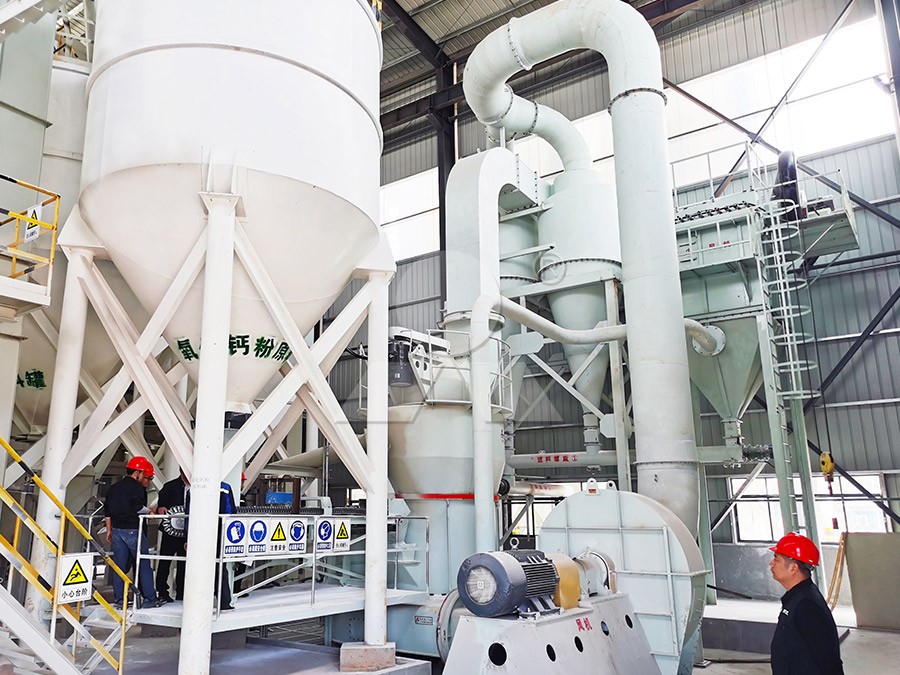
Key Considerations for Quicklime Grinding in Steel Applications
When selecting a grinding solution for quicklime destined for steel flux, several non-negotiable criteria emerge:
- Precise and Adjustable Fineness: The powder must achieve a specific mesh size (typically ranging from fine to ultra-fine) to ensure rapid dissolution and reaction in the molten metal. The ability to adjust and consistently maintain this fineness is paramount.
- High Product Purity (Low Iron Contamination): Introducing additional iron through mechanical wear of the mill’s grinding components is unacceptable. The grinding process must minimize metallic contamination to preserve the chemical integrity of the flux.
- Operational Stability and High Availability: Steel production is a continuous or batch-intensive process. Downtime for mill maintenance translates directly into production losses. Reliability and easy maintenance are crucial.
- Energy Efficiency: Grinding can be energy-intensive. A mill that delivers higher yield per kilowatt-hour significantly reduces operational expenses over its lifetime.
- Environmental Compliance: Modern operations must control dust emissions and noise pollution. An integrated, closed-system mill with effective dust collection is essential for sustainable and compliant production.
Advanced Milling Technology for Demanding Applications
Traditional grinding methods often struggle to meet all these requirements simultaneously. However, advancements in grinding technology offer robust solutions. For operations requiring ultra-fine powders with exceptional purity, the MW Ultrafine Grinding Mill presents a compelling option. This machine is engineered for customers who need to make ultra-fine powder with minimal environmental impact. A key advantage for quicklime processing is its design: there is no rolling bearing and screw in the grinding chamber. This eliminates a primary source of potential bearing seal failure and associated lubrication contamination, directly addressing the concern for iron pollution. Furthermore, its cage-type powder selector, adopting German technology, allows precise fineness adjustment between 325-2500 meshes, ensuring the quicklime powder meets exacting specifications for steel flux reactivity.

For larger-scale production where integrating drying (if needed) and grinding into a single, compact footprint is advantageous, vertical roller mills have become the industry benchmark. The LUM Ultrafine Vertical Grinding Mill is a standout in this category. Independently designed with the latest grinding roller and powder separating technologies, it excels in applications requiring high whiteness and cleanliness—critical for quicklime. Its unique roller shell and lining plate grinding curve promote efficient material layer formation, enabling a high rate of finished product in a single pass. This design, coupled with a PLC control system, reduces energy consumption by 30%-50% compared to common grinding mills. For Moroccan plants prioritizing yield, energy savings, and product quality, the LUM series offers a significant technological edge.
The Moroccan Context: Partnering for Success
Implementing such technology in Morocco requires more than just shipping equipment. It demands a partnership with a supplier that understands local operational conditions, regulatory frameworks, and provides unwavering after-sales support. A supplier’s commitment is reflected in their capability to ensure sufficient supply of original spare parts and worry-free operation. The ability to offer local technical services and maintain a parts inventory is invaluable for minimizing downtime and protecting the investment.

In conclusion, the choice of grinding mill for quicklime production is a strategic decision that reverberates through the entire steelmaking value chain in Morocco. By moving beyond conventional options and adopting advanced, purpose-built technologies like the MW Ultrafine Grinding Mill for ultra-fine, high-purity requirements or the high-efficiency LUM Ultrafine Vertical Grinding Mill for large-scale production, Moroccan steel and lime producers can achieve greater process control, enhanced product quality, reduced environmental footprint, and improved overall economic efficiency. This technological upgrade is a key step in strengthening the competitiveness and sustainability of Morocco’s vital steel industry.
Frequently Asked Questions (FAQs)
- What is the typical fineness range required for quicklime used as a steel flux?
It varies by specific process, but it often falls within a range of 200 to 1000 mesh. The ability to precisely control and adjust this fineness is crucial for optimal reactivity. - Why is low iron contamination so important in this application?
Iron introduced from mill wear contaminates the flux, which can alter the chemical composition of the slag and potentially affect the final steel quality. Mills designed to minimize metal-to-metal contact in the grinding zone are preferred. - Can the same mill handle both limestone and the resulting quicklime?
While possible, it is not generally recommended due to differences in material hardness, abrasiveness, and moisture content. Quicklime is more caustic and requires a mill designed with appropriate sealing and material compatibility. - How significant are energy savings with modern grinding mills?
Very significant. Advanced designs like vertical roller mills or ultra-fine mills with efficient classifiers can reduce specific energy consumption by 30% to 50% compared to older technologies like ball mills or traditional Raymond mills. - What are the key environmental considerations for a grinding plant in Morocco?
Dust control is paramount. A modern mill should be a closed system operating under negative pressure, equipped with a high-efficiency pulse dust collector to ensure emissions meet local and international standards. Noise reduction is also an important factor. - How is maintenance handled, and what is the availability of spare parts?
Choose a supplier with a proven local support network. Look for mills with features like reversible roller assemblies for easy maintenance and a supplier committed to stocking original spare parts to ensure long-term, worry-free operation. - Is remote monitoring and control available for these milling systems?
Yes, many advanced mills come with PLC-based control systems that allow for remote monitoring of key parameters (pressure, temperature, fineness) and can facilitate adjustments and troubleshooting, enhancing operational efficiency.