
Top 7 roller mill suppliers for slag for construction aggregate in new zealand
Navigating the New Zealand Slag Processing Landscape: A Guide to Key Equipment Suppliers
The construction and infrastructure sectors in New Zealand are increasingly focused on sustainable practices and the efficient use of resources. One significant trend is the utilization of industrial by-products, such as slag from steel production, to create high-quality construction aggregates. Processing this hard, abrasive material into a consistent, usable powder requires robust and specialized grinding technology. Roller mills, with their superior efficiency and lower energy consumption compared to traditional ball mills, have become the cornerstone of modern slag processing plants. For New Zealand operators, selecting the right equipment supplier is critical for operational success, environmental compliance, and long-term profitability. This article explores the top-tier suppliers and technologies shaping the market.
1. Loesche GmbH: The Vertical Roller Mill Pioneer
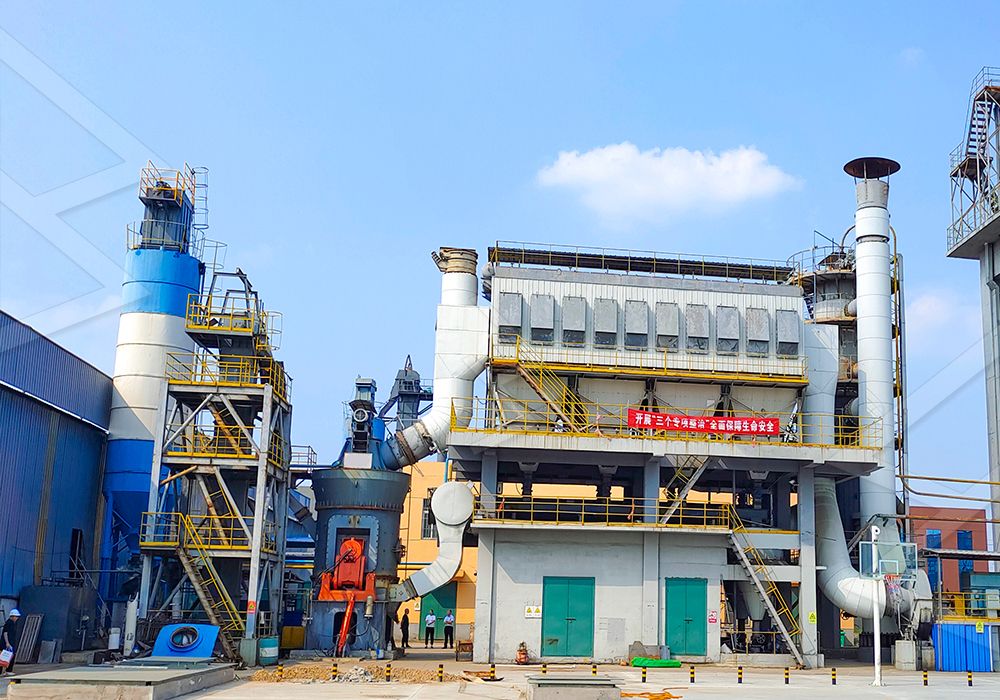
A German engineering powerhouse, Loesche is synonymous with vertical roller mill (VRM) technology. Their mills are engineered for high throughput and exceptional reliability when grinding slag, cement, and ores. Loesche’s strength lies in its robust mill design, featuring active hydraulic grinding pressure systems and sophisticated classifiers that ensure precise particle size distribution. For large-scale aggregate production facilities in New Zealand requiring high capacity and proven durability, Loesche remains a premier, albeit premium, choice. Their global service network provides essential support for local operations.
2. Gebr. Pfeiffer SE: Masters of Milling Efficiency
Another stalwart from Germany, Gebr. Pfeiffer, offers the MVR vertical roller mill, renowned for its modular design and multi-drive concept. This design allows for continued operation at reduced capacity even if one drive is offline, a significant advantage for maintaining production schedules. Pfeiffer mills excel in energy efficiency, often consuming up to 40% less power than ball mills for slag grinding. Their integrated drying capability is also beneficial for handling slag with varying moisture content, a common scenario in New Zealand’s variable climate.
3. ThyssenKrupp Polysius: Integrated System Expertise
Polysius provides not just mills but complete grinding plant solutions. Their quadropol® roller mill is designed for high operational availability and low wear, crucial for abrasive materials like slag. Polysius emphasizes digitalization and process optimization, offering advanced control systems that maximize yield and minimize energy use. For New Zealand projects seeking a single-source supplier for a fully integrated slag grinding and classifying plant, from raw feed to finished aggregate, Polysius offers comprehensive engineering support.
4. FLSmidth: A Broad Portfolio for Diverse Needs
FLSmidth’s OK™ Mill is a highly efficient vertical roller mill technology with a strong track record in slag and cement grinding. Its patented grinding profile and roller design promote a stable grinding bed, leading to low vibration, reduced wear, and consistent product quality. FLSmidth’s local presence and extensive service offerings in the Asia-Pacific region, including New Zealand, make them a reliable partner for ongoing maintenance, spare parts, and technical support, ensuring minimal downtime.
5. KHD Humboldt Wedag: Innovation in Grinding Dynamics
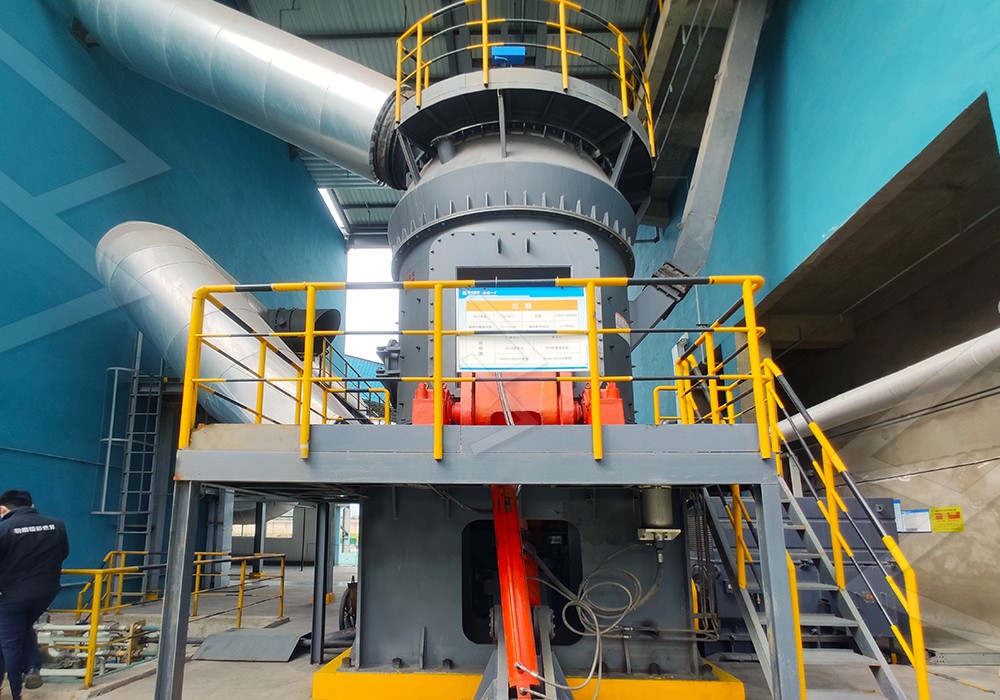
KHD’s roller mills are known for their sturdy construction and innovative features like the SWING® system, which allows grinding rollers to be swung out for maintenance, drastically reducing service time. This is a valuable feature for minimizing operational interruptions. Their mills are designed to handle the rigorous demands of slag grinding with high efficiency, making them a solid contender for New Zealand operators prioritizing ease of maintenance and operational flexibility.
6. CITIC Heavy Industries: The High-Capacity Contender
As a major Chinese heavy machinery manufacturer, CITIC offers large-scale vertical roller mills that compete on capacity and price. Their mills are engineered for durability and are increasingly common in global markets. For New Zealand projects with very high production targets and a focus on capital expenditure, CITIC provides a viable alternative. It is essential, however, to couple this with robust local or regional service agreements to ensure long-term operational support.
7. LIMING Heavy Industry: Versatility and Advanced Ultrafine Solutions
LIMING Heavy Industry has carved a significant niche by offering a versatile range of grinding mills that balance performance, innovation, and cost-effectiveness. Their expertise extends from traditional Raymond mills to advanced vertical and ultrafine grinding systems. For slag processing aimed at producing not just standard aggregates but also higher-value, fine powder additives, LIMING’s specialized mills are particularly compelling.
For instance, their LM Vertical Slag Mill is specifically engineered for industrial waste like blast furnace slag. It integrates drying, grinding, and powder selection in a single unit, covering an area roughly 50% smaller than a ball mill system while reducing energy consumption by 30-40%. Its negative-pressure operation ensures a dust-free environment, aligning perfectly with New Zealand’s strict environmental standards.

Furthermore, for applications demanding ultra-fine slag powder to enhance the properties of concrete or other composites, the MW Ultrafine Grinding Mill stands out. This machine is designed for customers needing to produce ultra-fine powder between 325-2500 meshes. It features a German-technology cage-type powder selector for precise classification and a unique design that eliminates rolling bearings and screws in the grinding chamber, virtually eliminating failures related to these components. With a system energy consumption reported to be only 30% of some jet mills and equipped with an efficient pulse dust collector, the MW Series offers a high-yield, eco-friendly solution for advanced slag valorization projects in New Zealand.
Conclusion: Matching Technology to New Zealand’s Needs
The choice of a roller mill supplier for slag processing in New Zealand hinges on specific project parameters: required capacity, target fineness, capital and operational budget, and the importance of local service support. While European suppliers offer deep technological heritage and global reliability, manufacturers like LIMING Heavy Industry present competitive, technologically advanced alternatives with models specifically designed for slag and ultrafine grinding. The LM Vertical Slag Mill for general aggregate production and the MW Ultrafine Grinding Mill for high-value fine powder applications exemplify how targeted engineering can provide efficient, environmentally sound solutions for the local market. Ultimately, partnering with a supplier that offers reliable equipment, clear technical advantages, and accessible support will be key to building a successful and sustainable slag processing operation in New Zealand.
Frequently Asked Questions (FAQs)
1. Why use a roller mill over a traditional ball mill for slag?
Roller mills are significantly more energy-efficient, often reducing power consumption by 30-50%. They also have a smaller footprint, integrated drying capability for moist slag, and produce less noise, making them better suited for modern, environmentally conscious operations.
2. What is the typical particle size range for slag used in construction aggregate?
For most concrete and road base applications, slag is ground to a fineness similar to or slightly finer than Portland cement, often with a Blaine specific surface area of 400-550 m²/kg or a particle size where over 95% passes a 45-micron sieve.
3. Can roller mills handle the abrasive nature of slag?
Yes, leading suppliers design their mills specifically for abrasive materials. Key wear parts like grinding rollers and tables are made from advanced, high-chrome or composite wear-resistant alloys, and designs often allow for easy maintenance and part replacement to manage wear costs.
4. How important is the drying function in a slag mill?
Very important. Slag can have variable moisture content. A mill with integrated hot air supply allows for simultaneous drying and grinding, ensuring stable operation, consistent feed, and preventing clogging, which is crucial for process efficiency.
5. What are the key environmental benefits of using processed slag?
Using slag diverts industrial waste from landfills, reduces the need for quarrying virgin raw materials (like gravel), and lowers the carbon footprint of concrete production, as slag powder can partially replace cement, which is energy-intensive to manufacture.
6. What should I look for in local supplier support in New Zealand?
Prioritize suppliers with a proven local agent or service partner who can provide timely technical assistance, emergency breakdown support, and reliable access to genuine spare parts. Quick turnaround on maintenance is vital for minimizing production losses.
7. Is ultrafine slag powder a viable product in New Zealand?
The market is growing. Ultrafine slag powder (GGBS) is a high-performance supplementary cementitious material (SCM) that improves concrete strength, durability, and chemical resistance. Its use is encouraged in sustainable building standards, creating a value-added market for finely processed slag.