
Using grinding mill for slag for metal recovery in sri lanka
Unlocking Value from Industrial Byproducts: The Strategic Role of Slag Grinding in Sri Lanka
Sri Lanka’s industrial and construction sectors are witnessing a paradigm shift towards sustainable resource management. A key frontier in this evolution is the processing of metallurgical slag—a byproduct from steel production and metal smelting. Traditionally viewed as waste, slag contains significant recoverable metals and valuable minerals. The process of efficiently grinding this hard, abrasive material is the critical first step towards profitable metal recovery and the production of supplementary cementitious materials (SCMs). This article explores the technical and economic landscape of slag processing in Sri Lanka, focusing on the pivotal role of advanced grinding technology.

The Slag Opportunity: From Waste to Resource
Sri Lanka generates substantial quantities of slag from its limited but vital metal processing industries. This material, if landfilled, represents lost economic value and occupies precious space. When properly processed, however, it yields ferrous and non-ferrous metal fragments and produces a finely ground powder that is highly sought after in the construction industry. The grinding process liberates encapsulated metal particles for magnetic or other separation techniques, while the remaining mineral matrix, when milled to a specific fineness (often between 325 and 2500 meshes), becomes a high-quality pozzolanic material. This dual-value output makes investing in a dedicated slag grinding operation a compelling proposition for forward-thinking businesses.
Technical Challenges in Slag Comminution
Slag is not a uniform material. Its hardness, abrasiveness, and composition vary significantly. Effective grinding requires equipment that can handle high-wear conditions, maintain consistent product fineness, and operate with high energy efficiency. Conventional ball mills, while common, often suffer from high energy consumption, significant wear on grinding media, and limited control over particle size distribution. The market demands more sophisticated solutions that offer lower operating costs, higher metal liberation efficiency, and the flexibility to produce various grades of mineral powder for different applications.
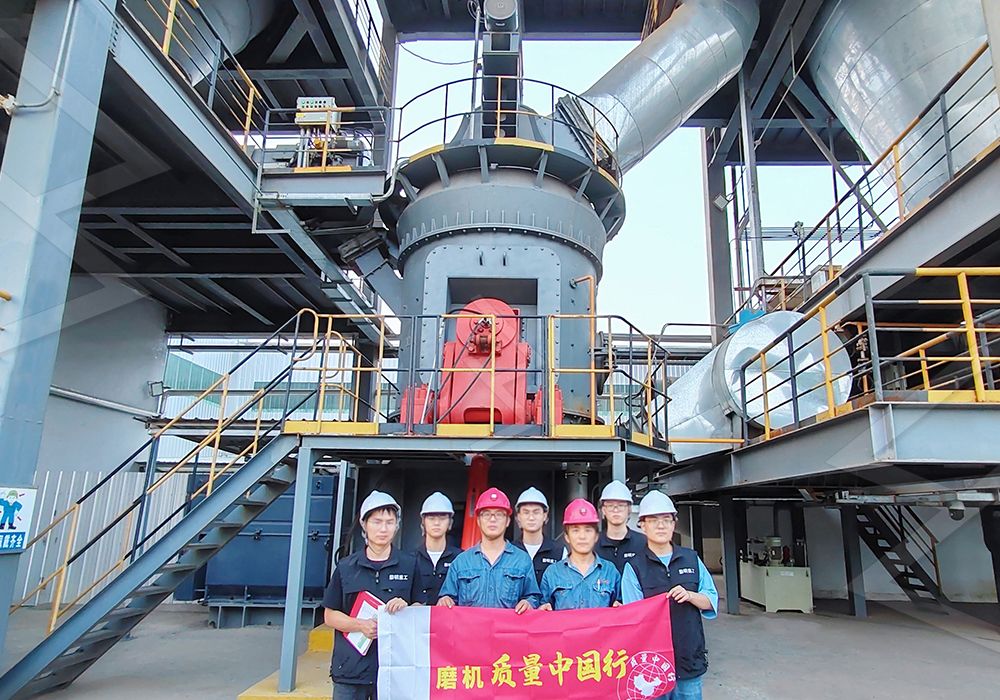
Advanced Milling Solutions for the Sri Lankan Context
For operators in Sri Lanka looking to establish or upgrade a slag processing plant, selecting the right grinding mill is the most crucial decision. The ideal machine must balance robustness, efficiency, and precision. A standout solution for this application is the LM Vertical Slag Mill. This mill is specifically engineered for industrial waste like slag, integrating drying, grinding, powder selection, and conveying into a single, compact unit. Its vertical structure reduces the plant’s footprint by approximately 50% compared to a ball mill system, a significant advantage where space is at a premium. More importantly, it reduces energy consumption by 30-40%, directly lowering the cost per ton of processed slag. Its ability to handle input sizes up to 65mm and its high-wear-resistant construction make it exceptionally suitable for the tough, variable nature of slag.
For operations requiring ultra-fine grinding of the mineral component after metal extraction, the MW Ultrafine Grinding Mill presents an excellent secondary processing option. This mill excels in producing precise, high-value powders. It features a cage-type powder selector that allows adjustable fineness between 325-2500 meshes, enabling producers to tailor their product for specific cement or concrete blend requirements. Its design, with no rolling bearings or screws in the grinding chamber, minimizes failure points and maintenance downtime—a critical feature for ensuring continuous operation. Furthermore, its efficient pulse dust collector ensures the entire milling process is environmentally compliant, a growing concern for industries worldwide.
Economic and Environmental Impact
Implementing modern grinding technology for slag processing creates a circular economy model within Sri Lanka. It reduces reliance on raw material imports for construction, decreases industrial waste, and creates new revenue streams from what was previously a cost center. The environmental benefits are equally compelling: reduced landfill use, lower carbon footprint compared to clinker production (when slag powder is used in cement), and dust-free, noise-controlled operations as seen in mills equipped with advanced pulse collectors and silencers like the MW series.

Conclusion: Building a Sustainable Future
The strategic processing of slag through advanced grinding is more than an industrial activity; it’s a commitment to sustainable development. For Sri Lankan enterprises, investing in the right grinding technology—such as the robust LM Vertical Slag Mill for primary reduction and the precise MW Ultrafine Grinding Mill for value-added products—is an investment in operational resilience, environmental stewardship, and long-term profitability. By transforming industrial byproducts into resources, Sri Lanka can fortify its construction sector, support its metal industries, and take a definitive step towards a greener, more self-sufficient industrial future.
Frequently Asked Questions (FAQs)
- What is the primary benefit of grinding slag?
Grinding slag serves two main purposes: it liberates trapped metal particles for recovery and recycling, and it processes the remaining mineral content into a fine powder that can be used as a high-quality, eco-friendly additive in cement and concrete. - Why is a vertical mill like the LM model recommended for slag over a traditional ball mill?
Vertical slag mills like the LM series integrate multiple processes, have a significantly smaller footprint, and are 30-40% more energy-efficient. They are also specifically designed with wear-resistant materials to handle the abrasive nature of slag. - What fineness can be achieved for the slag powder, and why does it matter?
With mills like the MW Ultrafine Grinding Mill, fineness can be precisely adjusted from 325 to 2500 meshes. The fineness directly affects the pozzolanic activity of the slag powder; finer particles react more efficiently in concrete, leading to higher strength and durability. - How does the grinding process impact the environment?
Modern mills are designed with environmental protection as a core feature. They incorporate pulse dust collectors to eliminate dust pollution and silencers to reduce noise, ensuring operations meet stringent national and international environmental standards. - What are the key maintenance concerns for a slag grinding mill?
The main concerns are wear on grinding components and system reliability. Solutions like the LM Vertical Slag Mill use high-performance wear-resistant materials, and designs like the MW Ultrafine Mill, which has no internal bearings or screws in the grinding chamber, drastically reduce maintenance needs and unexpected downtime. - Can the same mill process different types of slag?
Yes, but the grindability and abrasiveness will vary. Advanced mills with adjustable parameters like grinding pressure, rotor speed, and classifier settings (features found in both LM and MW series) provide the flexibility to optimize the process for different slag feedstocks. - Is local technical support and spare parts availability important?
Absolutely. Consistent operation depends on reliable after-sales support. Choosing a supplier like LIMING, which takes full responsibility for its machines and guarantees the supply of original spare parts and technical services, is essential for worry-free, long-term operation in Sri Lanka.