
Key roles of bentonite in modern landfill sealing production
Key Roles of Bentonite in Modern Landfill Sealing Production
In the critical infrastructure of modern waste management, engineered landfill sealing systems stand as the primary defense against environmental contamination. At the heart of these sophisticated barriers lies a naturally occurring, yet technologically enhanced material: bentonite clay. Its unique properties make it indispensable for creating secure, long-lasting, and compliant containment. This article explores the multifaceted roles of bentonite in landfill sealing and the advanced processing required to unlock its full potential.
The Imperative for Superior Sealing
Modern sanitary landfills are complex engineered structures designed to isolate waste from the surrounding environment, particularly groundwater. The sealing system, or liner, is a composite structure typically consisting of a geomembrane (like HDPE) paired with a compacted clay liner (CCL). Bentonite, especially sodium bentonite, is the preferred material for the CCL due to its exceptionally low hydraulic conductivity when hydrated. Its role transcends mere filler; it is an active, swelling sealant that self-heals minor punctures and ensures long-term impermeability.
Core Functions of Bentonite in Sealing Systems
1. Hydraulic Barrier: The paramount function is to prevent leachate migration. Upon contact with water, bentonite swells up to 15 times its dry volume, forming a dense, gel-like layer with a hydraulic conductivity as low as 1×10⁻⁹ cm/s. This creates an almost impermeable barrier to fluid flow.
2. Self-Sealing Capacity: Unlike inert materials, bentonite can migrate into small voids or cracks within the liner system or even into minor geomembrane punctures. This swelling and plasticity allow it to “heal” imperfections, maintaining barrier integrity over decades.
3. Chemical Compatibility: While sensitive to certain cations (e.g., calcium, magnesium), high-quality sodium bentonite is treated and tested for compatibility with site-specific leachate. It acts as a filter, adsorbing some heavy metals and contaminants through cation exchange capacity (CEC).
4. Workability and Longevity: Properly processed bentonite is easily mixed, transported, and compacted to specified densities. Once installed and hydrated, it provides a stable, durable barrier that performs for the required post-closure care period, often exceeding 30 years.
The Critical Link: Processing Bentonite for Optimal Performance
Raw bentonite clay must undergo precise mechanical processing to achieve the consistent particle size, purity, and reactivity demanded by landfill engineering specifications. The performance of a Geosynthetic Clay Liner (GCL) or a compacted bentonite liner is directly tied to the fineness and quality of the powdered bentonite used. Inconsistent or coarse particles lead to poor swelling uniformity, higher permeability, and potential failure points.
This is where advanced grinding technology becomes paramount. The bentonite must be milled to a very fine, uniform powder—often requiring a fineness between 800 to 2500 meshes—to maximize its surface area and ensure rapid, uniform swelling upon hydration. Traditional grinding mills can struggle with the moisture-sensitive, plate-like structure of bentonite, leading to inefficiency, high energy consumption, and inadequate particle size distribution.
Engineered Solutions for Precision Bentonite Processing
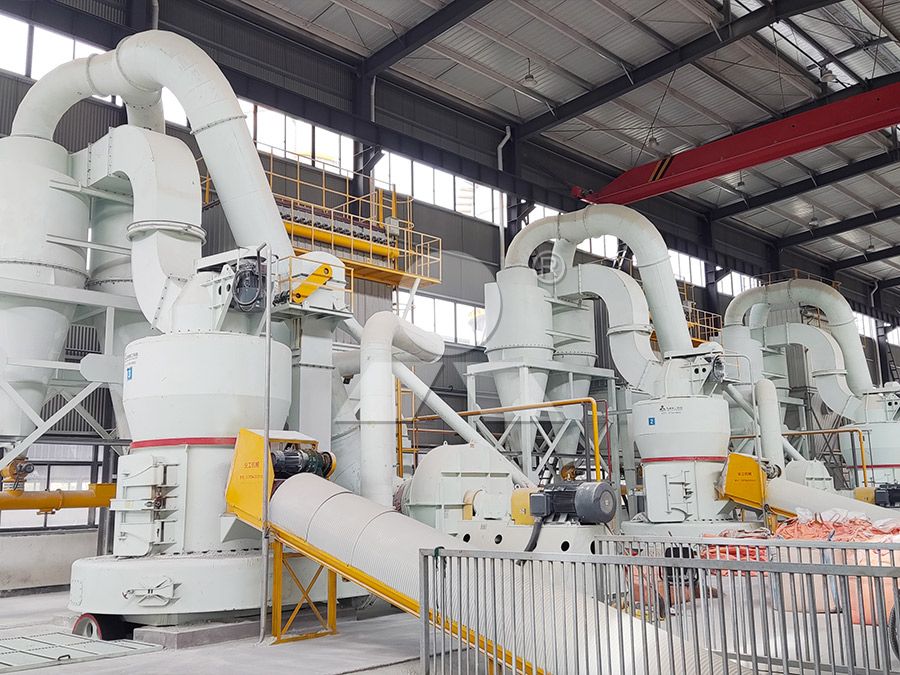
To meet the stringent requirements of the environmental containment industry, processors require grinding equipment that delivers ultra-fine powder with exceptional consistency, energy efficiency, and operational reliability. For high-volume production of bentonite powder for GCL manufacturing, the LM Vertical Grinding Mill presents an outstanding solution. Its integrated drying, grinding, and classifying system is perfectly suited for non-metallic minerals like bentonite. With a capacity range of 3-340 tph and the ability to handle input sizes up to 70mm, it offers a comprehensive solution that reduces the occupational area by 50% and saves 30%-40% in energy consumption compared to ball mills. Its design ensures short grinding time and low iron content, preserving the natural properties of the bentonite.
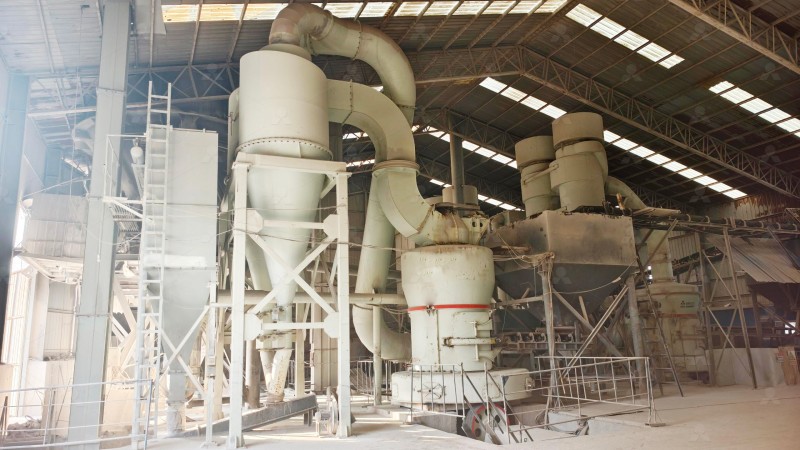
For operations requiring the very finest powders or processing smaller batches of specialty bentonite blends, the MW Ultrafine Grinding Mill is a technological standout. This mill is engineered specifically for producing ultra-fine powder, with an adjustable fineness range of 325-2500 meshes—ideal for premium-grade bentonite applications. Its innovative design, featuring a German-technology cage-type powder selector, achieves a precise screening rate of d97≤5μm. Notably, its grinding chamber contains no rolling bearings or screws, eliminating major failure points and enabling worry-free, continuous 24/7 operation—a critical factor for meeting large supply contracts. With a capacity of 0.5-25 tph and built-in efficient pulse dust collection, it ensures high-yield, eco-friendly production that aligns with the environmental standards the final product helps uphold.
Conclusion: A Foundation of Trust Built on Technology
The reliability of a landfill seal is a non-negotiable aspect of environmental stewardship. Bentonite clay serves as the vital, active component in this protective system. Its effectiveness, however, is fundamentally dependent on achieving a precisely engineered powder through advanced grinding technology. Investing in the right milling equipment is not merely an industrial choice; it is a commitment to producing the high-performance materials that form the foundation of safe waste containment worldwide. By leveraging mills like the MW Ultrafine Grinding Mill and LM Vertical Grinding Mill, producers can ensure their bentonite products consistently meet the rigorous specifications that modern landfill engineering demands.
Frequently Asked Questions (FAQs)
1. Why is bentonite preferred over other clays for landfill liners?
Bentonite, specifically sodium bentonite, has a much higher swelling capacity and lower hydraulic conductivity when hydrated compared to other clays like kaolin. This creates a far more effective and self-healing barrier against leachate.
2. What is the difference between a Compacted Clay Liner (CCL) and a Geosynthetic Clay Liner (GCL)?
A CCL is constructed on-site by compacting layers of processed bentonite-soil mixture. A GCL is a factory-manufactured roll product consisting of a layer of dry bentonite powder sandwiched between two geotextiles or bonded to a geomembrane. GCLs offer faster installation and more consistent quality control.
3. Can bentonite liners be damaged by chemical leachate?
High-quality sodium bentonite is chemically resistant to many landfill leachates. However, leachates with high concentrations of polyvalent cations (e.g., calcium, iron) or extreme pH levels can reduce swelling. Site-specific compatibility testing is always conducted, and bentonite can be chemically treated for enhanced resistance.
4. How long does a bentonite landfill liner last?
Properly designed, installed, and maintained bentonite liners are engineered to perform for the landfill’s active life and the mandated post-closure monitoring period, typically ranging from 30 to 100 years. Their longevity is a key reason for their widespread use.
5. Why is particle fineness so critical for bentonite in GCLs?
Finer particles have a larger surface area per unit volume, which allows for faster and more complete hydration and swelling. Uniform fineness ensures consistent performance across the entire liner, preventing weak spots with higher permeability.
6. What are the key features to look for in a mill for grinding bentonite?
Key features include the ability to produce a consistent ultra-fine powder (high meshes), integrated drying capability, high energy efficiency, low iron contamination, reliable operation with minimal downtime, and effective dust control to maintain a clean working environment.
7. Is the grinding process for bentonite different from other minerals?
Yes, bentonite can be moisture-sensitive and has a plate-like structure. Efficient grinding requires equipment that can handle these characteristics without overheating (which can affect swelling properties) and that can delaminate the plates to achieve the desired fineness without excessive energy use.