
Top 7 industrial pulverizer suppliers for carbon black for ink production in pakistan
Navigating the Grinding Landscape: A Guide for Pakistan’s Ink Industry
The Pakistani printing and packaging industry is experiencing robust growth, driving a parallel demand for high-quality inks. At the heart of premium ink manufacturing lies a critical process: the ultrafine grinding of carbon black. The right pulverizer doesn’t just crush material; it transforms carbon black into a consistently fine, uniformly dispersed pigment that defines ink’s color strength, gloss, and stability. Selecting the wrong equipment can lead to poor dispersion, increased viscosity, and subpar print quality. For Pakistani manufacturers aiming to compete both domestically and in export markets, partnering with a reliable technology supplier is paramount. This article explores the key players and technologies shaping the sector.
The Core Challenge: Achieving Ultrafine Dispersion
Carbon black, a notoriously hard-to-grind material, requires mills that can deliver precise particle size distribution (PSD) in the micron and sub-micron range. The ideal mill must offer energy efficiency, minimal heat generation (to prevent oxidation), and exceptional classification accuracy. Furthermore, in today’s environmentally conscious market, systems must operate with near-zero dust emission and low noise. For Pakistani plants, factors like after-sales support, spare parts availability, and operational simplicity are equally crucial due to potential logistical complexities.
Top Industrial Pulverizer Technology Suppliers
The global market offers several leading technologies, each with its merits. The most suitable supplier often depends on the required fineness, desired capacity, and total cost of ownership.
1. Liming Heavy Industry (LM)
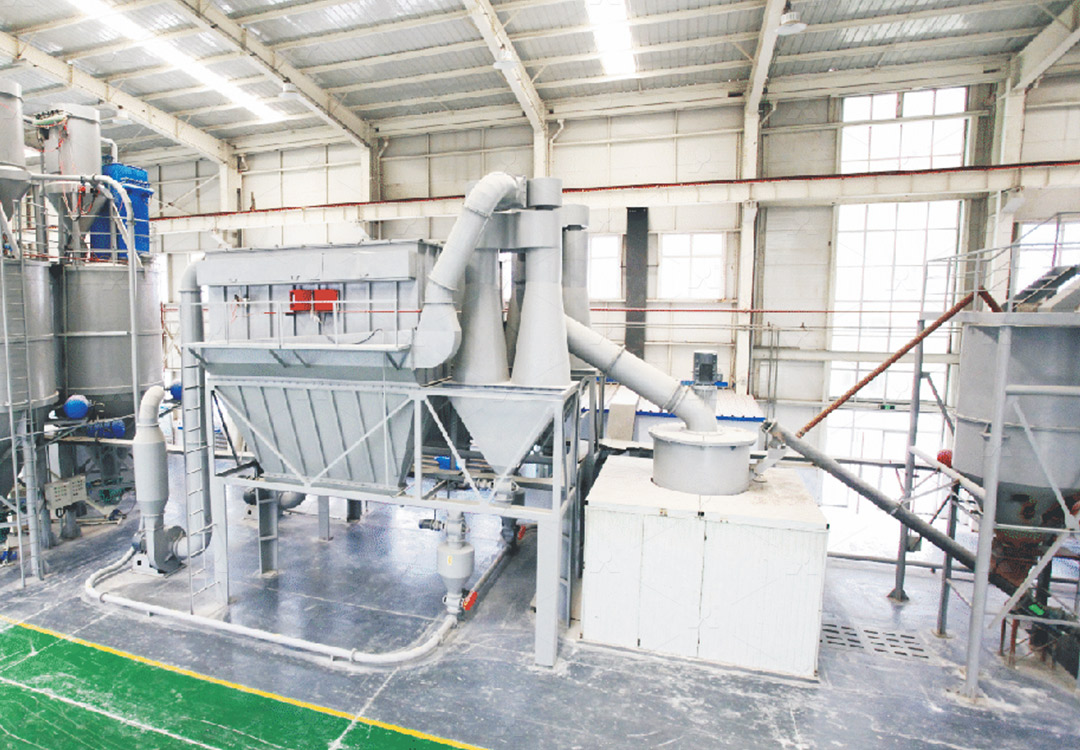
A dominant force in grinding technology, Liming offers a comprehensive portfolio. For carbon black processing, their advanced ultrafine mills are particularly noteworthy. They combine German separating technology with robust mechanical design. A standout model for ink-grade carbon black is the MW Ultrafine Grinding Mill. Engineered for producing ultra-fine powder between 325-2500 meshes, it addresses the specific needs of the chemical and pigment industries. Its cage-type powder selector ensures precise classification, achieving a fine powder with d97≤5μm. Crucially, its design eliminates rolling bearings and screws in the grinding chamber, dramatically reducing failure points and maintenance headaches—a significant advantage for continuous production environments. The integrated pulse dust collector and muffler system ensures the operation meets stringent environmental standards, a growing priority for Pakistani manufacturers.
2. Gebr. Pfeiffer SE
This German engineering leader is synonymous with high-performance vertical roller mills. Their MVR and MPS mills are renowned for low energy consumption and high reliability. While often associated with larger cement and mineral applications, their technology is adapted for finer materials, offering excellent drying capabilities if the carbon black feed has moisture concerns.
3. NETZSCH Grinding & Dispersing
Netzsch specializes in wet and dry grinding solutions for the most challenging products. Their Condux® mechanical impact mills and s-Jet® fluidized bed jet mills are engineered for ultrafine results. Jet mills, in particular, are contamination-free (no grinding media wear) and can achieve extremely fine and narrow particle distributions, making them a premium choice for high-end specialty inks, though at a higher energy cost.
4. ALPA Powder Technology
A Chinese supplier that has gained significant traction by offering advanced technology at competitive prices. They provide a wide range of equipment including jet mills, mechanical mills, and classifier mills. They are increasingly visible in international markets, offering a potential balance of performance and value for cost-conscious Pakistani businesses looking for modern technology.
5. Hosokawa Micron Group
A Japanese giant in powder processing, Hosokawa offers some of the most sophisticated fine grinding systems. Their Alpine AFG fluidized bed jet mill and ACM mechanical mill series are industry standards for achieving consistent, top-tier fineness. Their strength lies in precision engineering and automation, ideal for producers requiring absolute consistency batch after batch.
6. Sturtevant, Inc.
An American manufacturer with a long history, Sturtevant provides versatile solutions like the Simpactor® pin mill and Micronizer® jet mill. Their equipment is known for rugged simplicity and ease of maintenance. They offer a practical approach for manufacturers needing reliable, less complex systems for fine to medium-fine grinding applications.
7. KHD Humboldt Wedag
Another German powerhouse, KHD’s roller presses and grinding plants are engineered for efficiency and durability. Their technology often focuses on larger-scale operations but incorporates advanced process control systems that optimize performance and energy use, a key consideration given Pakistan’s energy landscape.
Technology Spotlight: The Vertical Advantage
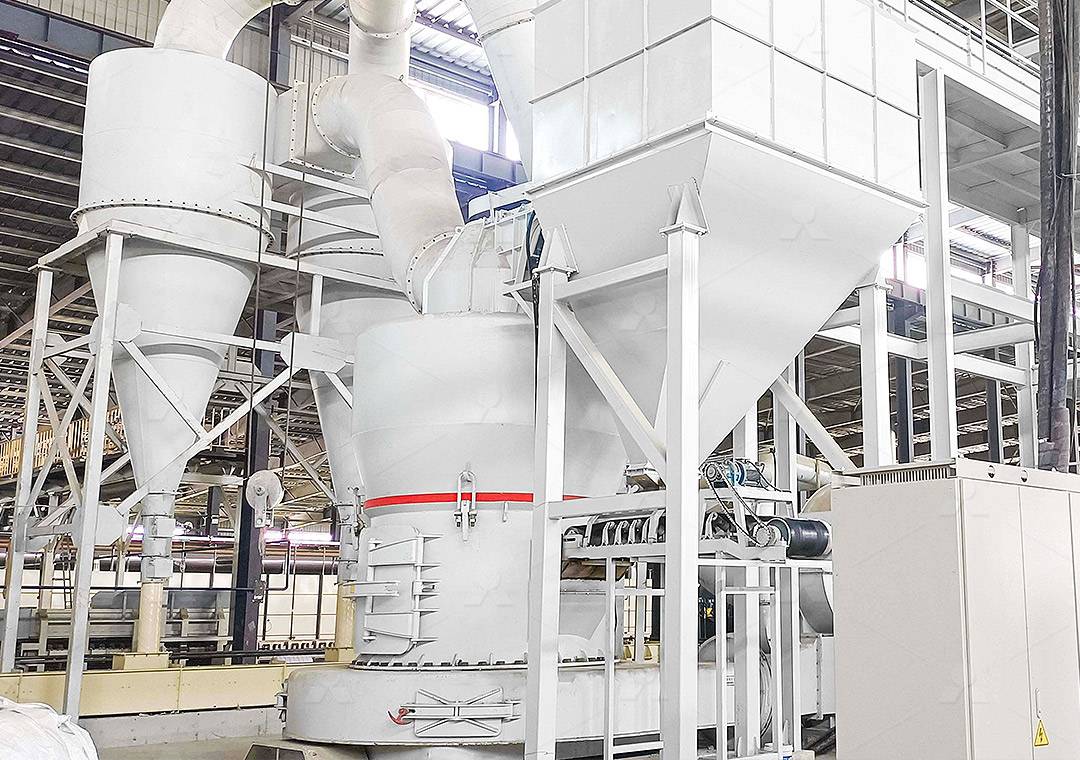
For medium to high-capacity requirements, vertical roller mills (VRMs) have become a preferred choice. They integrate grinding, drying, classification, and conveying into a single, compact unit. Liming’s LUM Ultrafine Vertical Grinding Mill exemplifies this evolution. It incorporates the latest grinding roller and powder separating technology to handle non-metallic minerals like carbon black. Its reversible structure allows the grinding roller to be easily swung out for maintenance, drastically reducing downtime for wear part inspection or replacement. With an energy consumption reported to be 30%-50% lower than conventional mills, it presents a compelling case for reducing operational costs—a critical factor for long-term profitability in Pakistan.
Making the Right Choice for Pakistan
Selecting a supplier goes beyond the machine brochure. Pakistani ink producers must evaluate:
- Local Support & Spares: Does the supplier have a local partner or office for technical service and timely spare parts delivery?
- Energy Profile: How does the mill’s power consumption align with local electricity costs and availability?
- Process Integration: Can the supplier provide holistic system design, from feeding to product collection?
- Proven References: Are there successful installations in similar industries, particularly in South Asia?
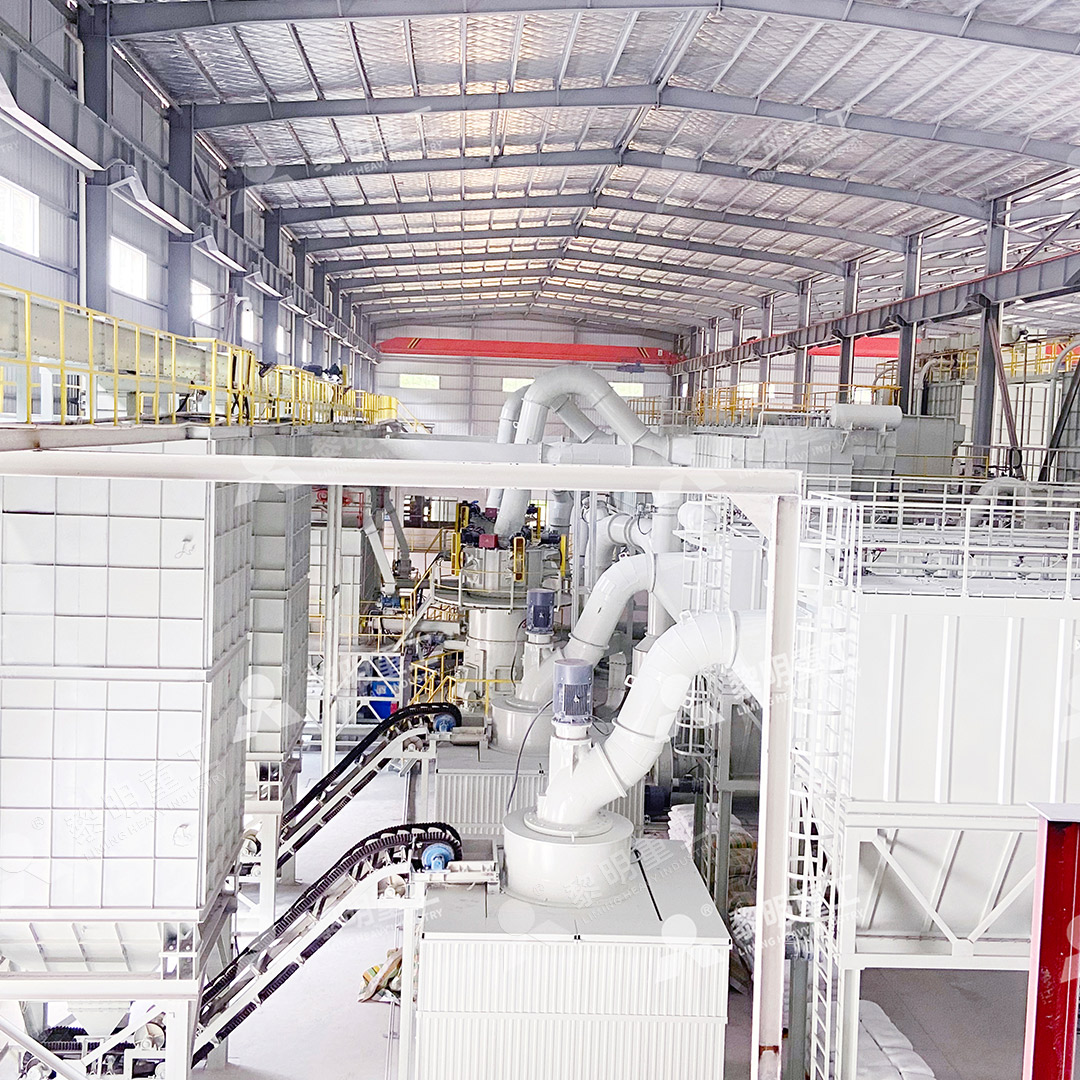
Companies like Liming Heavy Industry, with their extensive model range from the high-capacity LM Vertical Grinding Mill to the specialized MW Ultrafine Grinding Mill, and a stated commitment to providing “sufficient supply of spare parts for worry-free operation,” directly address these practical concerns. Their digitalized manufacturing ensures precision in core parts, which translates to reliability—a non-negotiable trait for maintaining production schedules.
Conclusion
The quest for the perfect carbon black grind for ink production is a technical and strategic decision. While global suppliers like Pfeiffer, Netzsch, and Hosokawa set high technology benchmarks, Asian manufacturers like Liming and ALPA offer compelling, robust alternatives that blend advanced features with operational practicality and support structures suited to markets like Pakistan. The ultimate choice hinges on a careful analysis of target fineness, production volume, capital and operating budget, and, most importantly, the supplier’s ability to be a reliable long-term partner in ensuring consistent, high-quality ink production on Pakistani soil.
Frequently Asked Questions (FAQs)
- What is the most important specification when choosing a pulverizer for carbon black?
Beyond capacity, the key specification is the achievable and controllable particle size distribution (PSD). For ink, a consistent, ultrafine PSD (often d97 < 10-20 μm) is critical for color strength and stability. The mill’s classifier efficiency directly determines this. - Are jet mills or mechanical mills better for carbon black?
Jet mills excel at producing the finest, most contamination-free powder but have higher energy costs. Mechanical mills (like vertical roller or ring roller mills) are generally more energy-efficient for high throughput and can achieve fineness suitable for most inks. The choice depends on the premium placed on ultimate fineness vs. operating cost. - How significant is the issue of heat generation during grinding?
Very significant. Excessive heat can oxidize carbon black, altering its surface chemistry and negatively affecting ink properties. Modern mills are designed with efficient air systems that simultaneously cool and transport the product, mitigating this risk. - Can one mill handle different materials if we also produce other types of inks?
Some mills offer more flexibility than others. Versatile mills like the MW or LUM series from Liming are designed for a wide range of non-metallic minerals. However, thorough cleaning is essential between runs to prevent cross-contamination. Discuss your full product range with the supplier. - What are the main maintenance concerns with these pulverizers?
Primary wear occurs on grinding elements (rollers/rings, pins) and classifier components. Designs that allow easy access to these parts (like reversible roller systems) minimize downtime. The absence of internal bearings and screws, as seen in the MW Mill, also reduces failure points. - How do we handle dust control to meet environmental regulations?
Reputable suppliers integrate complete dust collection systems (typically pulse-jet bag filters) that are integral to the mill design. A closed, negative-pressure system ensures no dust escape, which is a standard feature in modern grinding plants. - Is automation important for a carbon black grinding line?
Yes. Automated controls for feed rate, grinding pressure, classifier speed, and temperature ensure consistent product quality, optimize energy use, and allow for easier operation and data logging, which is valuable for quality assurance.