
Roller mill for cement clinker for ready-mix factories in nigeria
Roller Mill for Cement Clinker: A Strategic Investment for Ready-Mix Factories in Nigeria
The Nigerian construction sector is experiencing sustained growth, driven by urbanization, infrastructure development, and a booming real estate market. At the heart of this expansion lies the ready-mix concrete industry, a critical supplier for consistent, high-quality concrete. For factory owners and managers, operational efficiency, product quality, and cost control are paramount. A pivotal component in achieving these goals is the technology used for grinding cement clinker—the primary binder in concrete. This article explores the advantages of modern roller mill technology over traditional ball mills for clinker grinding, specifically within the demanding context of Nigerian ready-mix operations.
The Clinker Grinding Challenge in Ready-Mix Production
Ready-mix concrete factories require a steady, reliable supply of finely ground cement with consistent properties. The grinding process directly influences key concrete characteristics such as setting time, strength development, and workability. Traditional ball mills, while familiar, present several challenges: high specific energy consumption (often 40-50 kWh/t), significant heat generation affecting gypsum dehydration, large physical footprint, and considerable wear on grinding media leading to high maintenance costs and iron contamination.
In Nigeria, where operational costs, power reliability, and maintenance logistics are critical concerns, these drawbacks are magnified. Modern vertical roller mills (VRMs) and advanced trapezium mills offer a compelling alternative, designed to address these very issues.
Why Roller Mill Technology is the Superior Choice
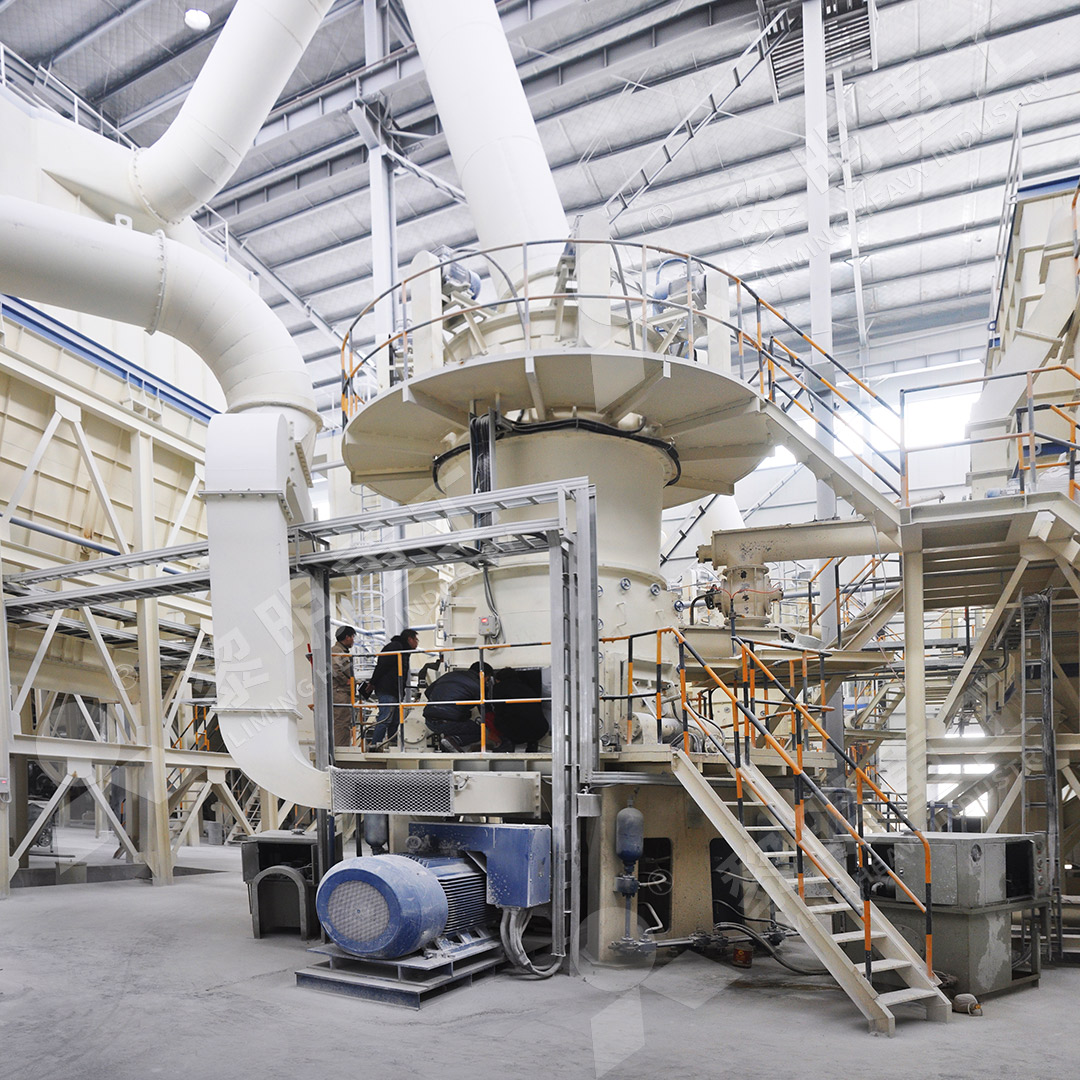
Roller mills operate on the principle of bed compression grinding, where material is ground between a rotating table and rollers under hydraulic pressure. This method is inherently more efficient than the impact and attrition of tumbling balls. The benefits for a Nigerian ready-mix factory are substantial:
- Dramatic Energy Savings: Roller mills typically consume 30-40% less energy than ball mills for the same output. In a market with high and fluctuating electricity costs, this translates directly to a lower cost per ton of cement and improved profitability.
- Integrated Drying: Hot gases can be introduced directly into the grinding chamber, allowing simultaneous drying of moist additives like slag or fly ash. This is a significant advantage, eliminating the need for separate, energy-intensive drying equipment.
- Superior Product Quality: The grinding mechanism produces a cement with a steeper particle size distribution (PSD). This often leads to better particle packing and can enhance early strength development in concrete—a valued property in fast-paced construction projects.
- Compact Design & Lower Noise: VRMs have a significantly smaller footprint than ball mill circuits, an important consideration for urban or space-constrained sites. Their operation is also notably quieter, contributing to better community and worker relations.
- Reduced Iron Contamination: With no metal-to-metal contact between grinding parts and minimal use of grinding media, the iron content in the final cement is lower, preserving its color and chemical properties.
Tailoring the Solution: Equipment Selection for Nigerian Operations
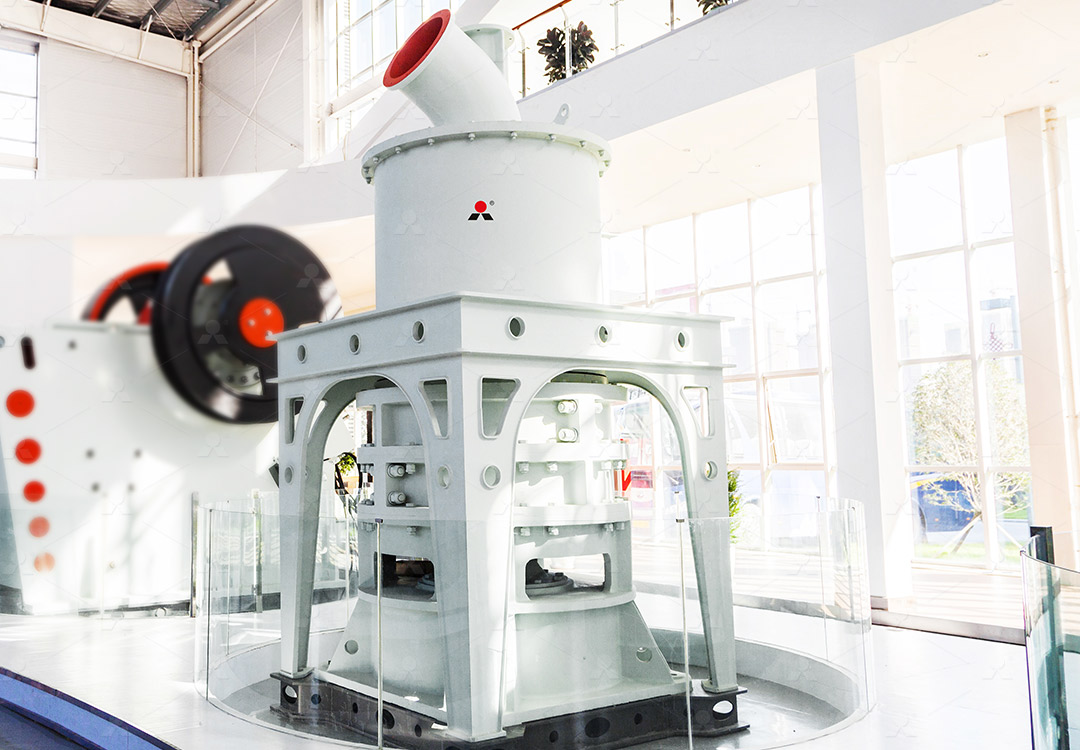
Selecting the right mill requires matching machine capabilities with production goals, clinker characteristics, and local conditions. For medium to large-scale ready-mix plants aiming for high efficiency and product flexibility, the LUM Ultrafine Vertical Grinding Mill stands out as a premier choice.
Engineered with the latest grinding roller and German powder separating technology, the LUM series is not just for ultrafine powders; its design principles offer distinct advantages for cement grinding. Its unique roller shell and lining plate curve promote stable material layer formation, enabling high single-pass efficiency. The multi-head powder separating technology, controlled by a PLC system, allows for precise and rapid adjustment of product fineness—crucial for producing different cement grades (e.g., 32.5, 42.5) from the same mill. Perhaps most critically for operations where technical support must be strategic, its reversible structure allows heavy grinding rollers to be easily swung out of the mill body for maintenance. This design drastically reduces downtime for wear part inspection and replacement, a feature that ensures continuous production and minimizes operational risk.
For operations with broader feedstock or those also processing raw materials, the LM Vertical Grinding Mill presents a robust, all-in-one solution. It integrates crushing, drying, grinding, classifying, and conveying in a single unit. Its ability to handle feed sizes up to 70mm and capacities scaling to 340 tph makes it incredibly versatile. The LM mill’s shorter material retention time minimizes over-grinding and makes product quality control more responsive. Its fully sealed, negative-pressure operation guarantees no dust spillage, aligning with increasingly important environmental standards and worker safety protocols.
Overcoming Local Implementation Hurdles
Adopting advanced milling technology in Nigeria requires thoughtful planning. Key considerations include:
- Power Supply & Backup: While energy-efficient, roller mills require stable electrical control systems. Investment in voltage stabilizers and backup generators is recommended to protect sensitive PLCs and drives.
- Technical Training & Support: Partnering with a supplier that offers comprehensive commissioning, operator training, and reliable after-sales service is non-negotiable. Look for providers with a proven local presence or commitment.
- Spare Parts Inventory: Strategic stocking of critical wear parts (roller tires, table liners, seals) based on predicted wear rates prevents extended shutdowns. A supplier’s commitment to spare parts availability is a key selection criterion.
- Adaptation to Local Clinker: Clinker grindability and chemistry can vary. A reputable supplier will design mill parameters (grinding pressure, speed, airflow) to optimize performance for your specific clinker source.
Conclusion: Building a Competitive Edge
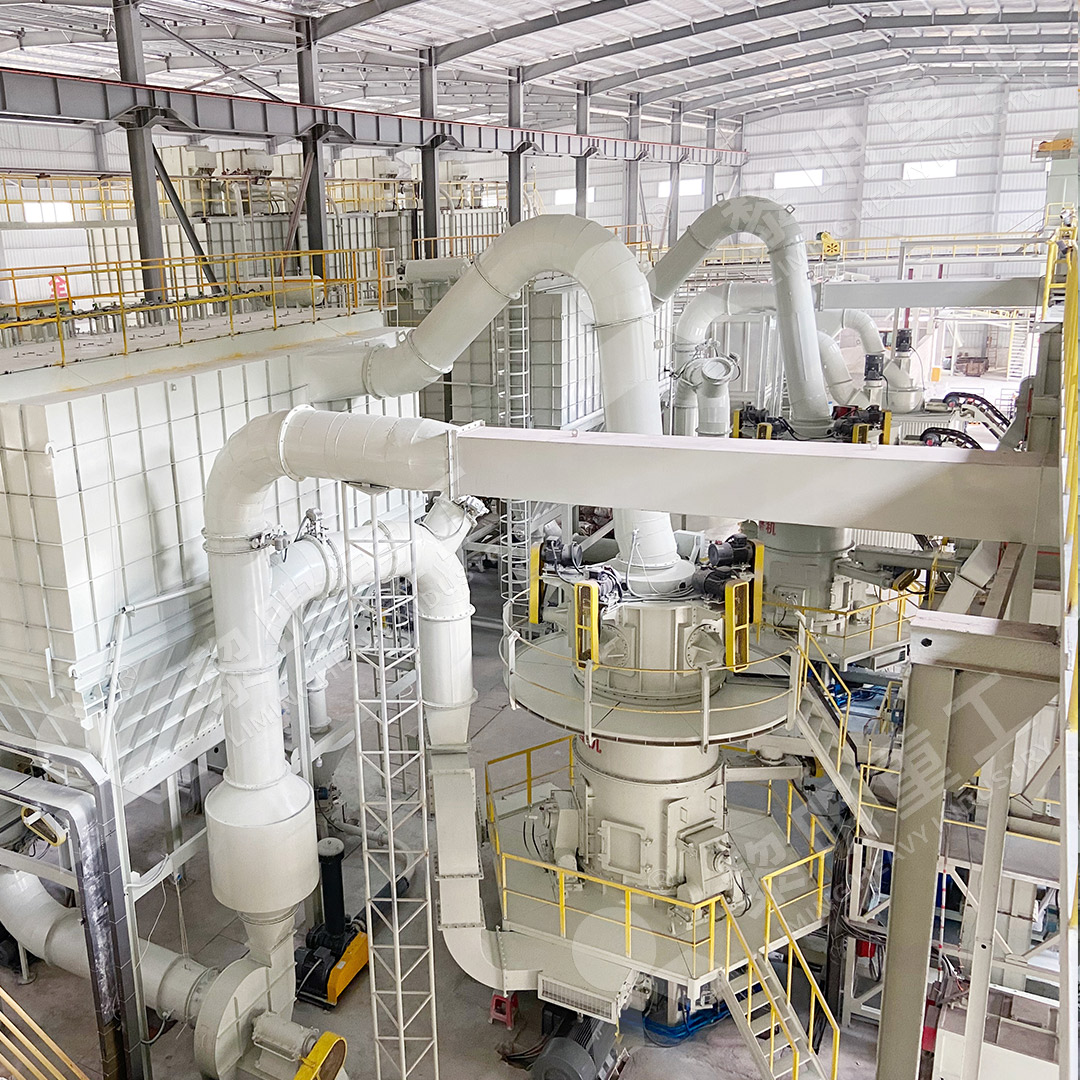
For Nigerian ready-mix concrete factory owners, the decision to invest in modern roller mill technology is a strategic move toward greater competitiveness. The transition from outdated ball milling systems to efficient, reliable, and intelligent solutions like the LUM Ultrafine Vertical Mill or the LM Vertical Grinding Mill delivers tangible benefits: slashed energy bills, higher and more consistent product quality, reduced maintenance headaches, and a smaller environmental footprint. In a fast-growing and cost-sensitive market, this operational excellence translates directly into stronger margins, enhanced reputation, and the capacity to reliably support Nigeria’s ongoing infrastructure revolution. The future of efficient cement production is vertical, and the time for Nigerian industry to embrace it is now.
Frequently Asked Questions (FAQs)
- What is the typical payback period for replacing a ball mill with a modern vertical roller mill in a Nigerian plant?
While variable, payback periods often range from 2 to 4 years, primarily driven by the 30-50% reduction in grinding energy costs, lower maintenance expenses, and increased production availability. - Can roller mills handle the variations in power quality sometimes experienced in Nigeria?
Modern mills are equipped with advanced motor drives and PLCs. For reliable operation, it is strongly advised to install complementary power conditioning equipment (stabilizers, filters) and backup generation to protect this sensitive electronics from voltage spikes and outages. - How does the product fineness from a roller mill compare to that from a ball mill for the same cement grade?
Roller mills typically produce cement with a narrower, more optimized particle size distribution. This can lead to equal or superior strength performance, often with a slight reduction in the amount of ultra-fine particles, which improves workability and water demand. - Are wear parts for roller mills readily available in West Africa?
Availability depends on the manufacturer’s logistics network. It is critical to choose a supplier with a documented commitment to spare parts supply and the ability to expedite shipments. Discuss and plan a strategic local inventory of high-wear items during the purchase negotiation. - Can these mills grind materials other than clinker, like limestone or slag?
Yes, a key advantage of mills like the LM Vertical Grinding Mill is their versatility. They are designed to efficiently grind clinker, granulated blast furnace slag, fly ash, limestone, and other blended cement components, often with integrated drying capability. - What is the major maintenance requirement for a vertical roller mill?
The primary periodic maintenance involves replacing the grinding rollers and table liners (wear parts). Designs like the reversible roller system in the LUM mill greatly simplify this process, reducing typical downtime for such operations from weeks to days. - Is the operational noise level significantly different from a ball mill?
Yes. Vertical roller mills operate at considerably lower noise levels because the grinding process is one of compression rather than impact of steel balls. This creates a better working environment and reduces noise pollution.