
Industrial pulverizer price & cost analysis for talc for cosmetics in australia
Industrial Pulverizer Price & Cost Analysis for Talc in Cosmetics: An Australian Market Perspective
The Australian cosmetics industry demands talc powders of exceptional purity, whiteness, and fineness. Achieving these specifications consistently requires advanced industrial pulverizing technology. For manufacturers and processors, selecting the right grinding mill is a critical capital expenditure decision that directly impacts product quality, operational efficiency, and long-term profitability. This analysis delves into the key cost factors and performance considerations for talc pulverization in Australia, moving beyond the initial price tag to examine total cost of ownership.
Understanding the Cost Components: More Than Just Purchase Price
The initial purchase price of a grinding mill is merely the entry point. A comprehensive cost analysis for talc processing must account for several interconnected factors:
- Capital Expenditure (CAPEX): The upfront cost of the mill, auxiliary equipment (crushers, classifiers, dust collectors), installation, and commissioning.
- Operational Expenditure (OPEX): The ongoing costs of energy consumption, wear parts (rollers, rings, liners), maintenance labor, and spare parts inventory.
- Product Quality & Yield: The mill’s ability to achieve target fineness (often 800-2500 mesh for premium cosmetics) with high yield and minimal contamination directly affects revenue.
- Environmental Compliance: Costs associated with dust control, noise reduction, and meeting Australia’s stringent environmental regulations (e.g., NSW EPA guidelines).
- Operational Downtime: Lost production revenue during maintenance, part replacement, or unplanned breakdowns.
For talc, a soft yet abrasive mineral, the OPEX related to energy use and component wear often outweighs the CAPEX over a 5-year period. Therefore, investing in a mill designed for efficiency and durability is paramount.
Critical Performance Factors for Cosmetic-Grade Talc Milling
Not all grinding mills are created equal for this sensitive application. The ideal system must deliver:
- Ultra-Fine & Consistent Particle Size: Cosmetic talc requires a tight particle size distribution for smooth texture and optimal coverage. Inconsistent grinding leads to poor product feel.
- High Whiteness & Purity: The milling process must not introduce iron or other contaminants. Equipment with minimal metal-to-metal contact in the grinding zone is essential to preserve talc’s natural brightness.
- Energy Efficiency: Grinding to sub-10-micron levels is energy-intensive. Mills with advanced grinding mechanics and efficient classifiers can reduce power consumption by 30-50% compared to older technologies like ball mills or Raymond mills.
- Hygienic & Contamination-Free Operation: A fully sealed system with effective pulse-jet dust collection prevents product loss and ensures a clean working environment.
Technology Spotlight: The MW Ultrafine Grinding Mill for Premium Talc
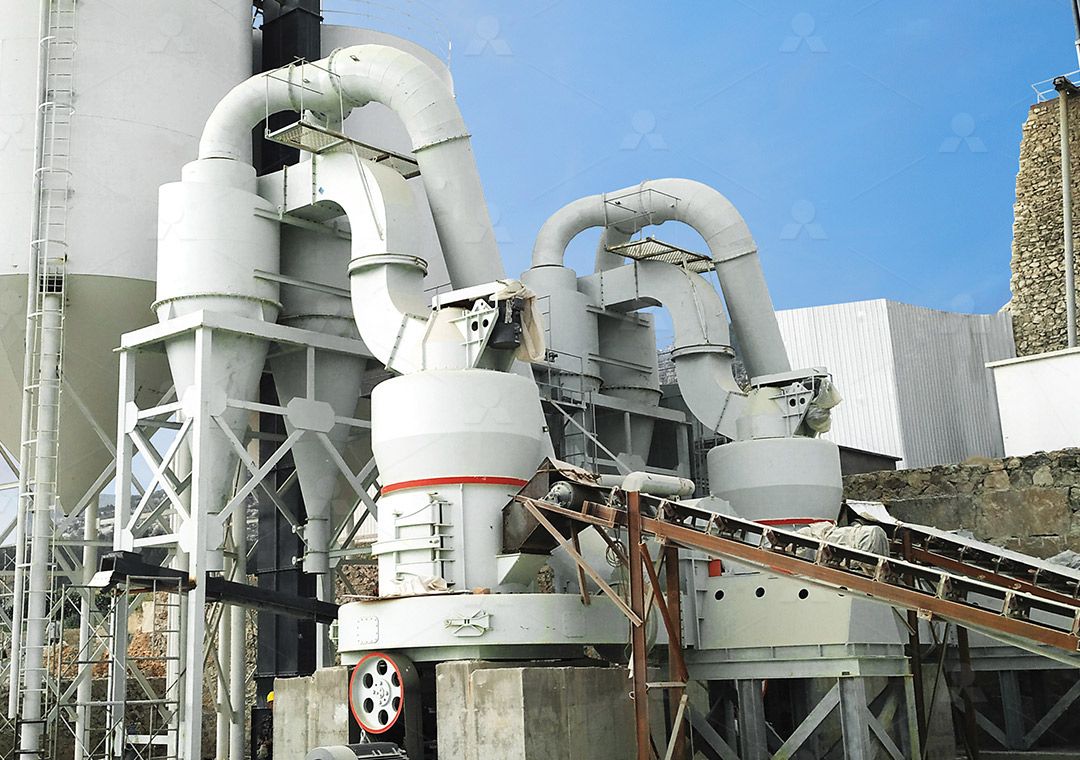
When evaluating solutions that balance performance with long-term cost-effectiveness, the MW Ultrafine Grinding Mill presents a compelling option for Australian processors. Specifically engineered for ultra-fine powder production, it addresses the core challenges of cosmetic talc milling.
Its design philosophy centers on reducing total operating costs. The newly designed grinding curves of the roller and ring enhance efficiency, reportedly offering 40% higher capacity at the same power and fineness compared to jet mills. For a talc plant running multiple shifts, this directly translates to higher output and lower energy cost per tonne. The mill’s ability to adjust fineness between 325-2500 meshes with a precision cage-type selector (achieving d97≤5μm) provides the flexibility needed for different cosmetic grades.
A significant OPEX advantage lies in its maintenance-friendly design. The absence of rolling bearings and screws in the grinding chamber eliminates frequent failure points and concerns about loose parts causing damage. Furthermore, its integrated pulse dust collector and muffler system ensures the production process meets environmental standards without requiring additional, costly filtration investments. For Australian operators, this means lower lifetime maintenance costs, reduced downtime, and guaranteed compliance.
Vertical Integration: The LUM Ultrafine Vertical Grinding Mill Alternative
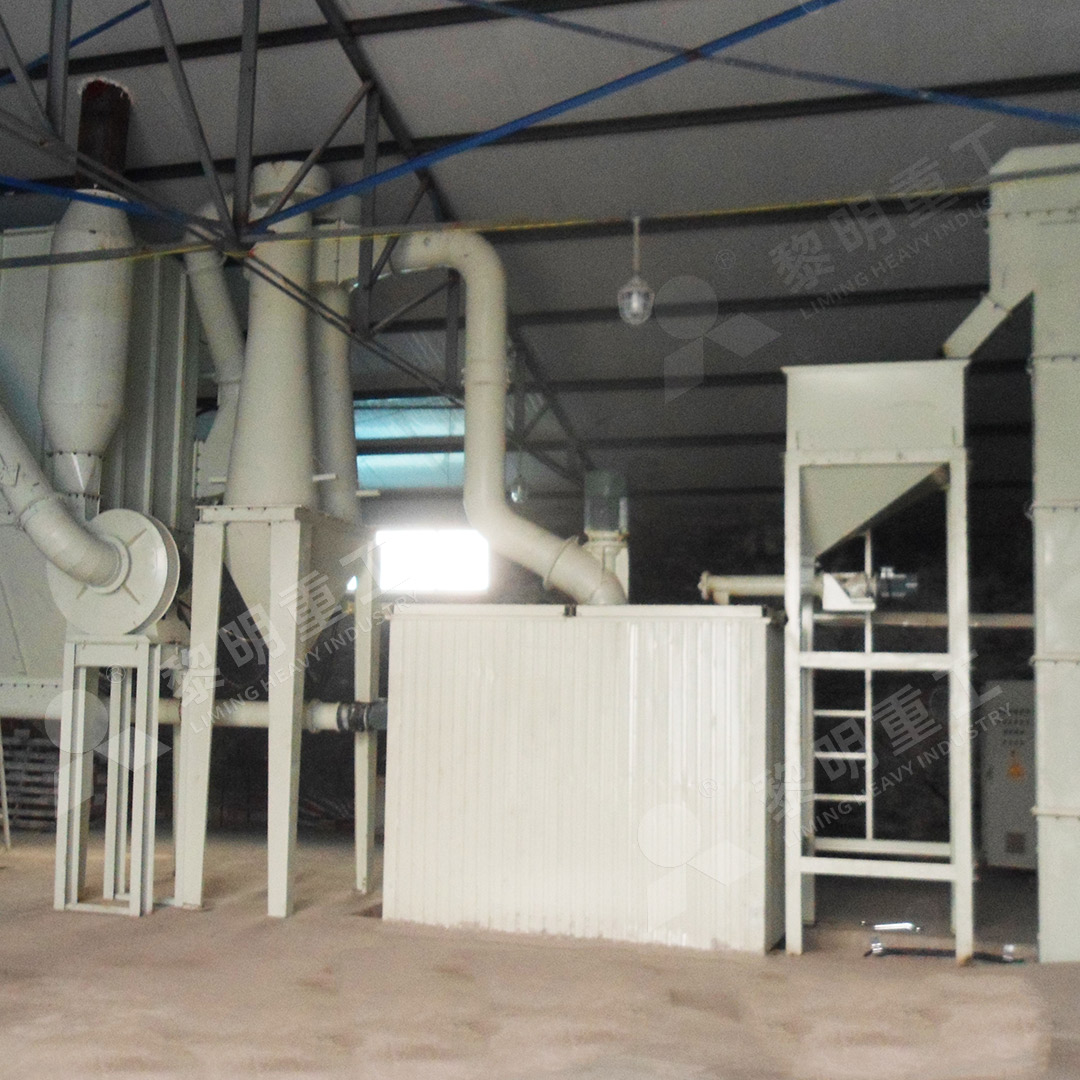
For operations requiring even more advanced process control, the LUM Ultrafine Vertical Grinding Mill is another top-tier solution. It integrates grinding, grading, and transporting into a single, compact unit. Its unique roller shell and lining plate curve are designed to generate a stable material layer, promoting efficient inter-particle grinding—ideal for talc. This results in a high rate of finished product in a single pass, enhancing whiteness and cleanliness.
The LUM mill’s adoption of PLC control and multi-head powder separating technology allows for precise control over grinding parameters and fast switching between product specifications. Its double position-limiting technology protects against destructive vibration, while the reversible structure of the grinding roller drastically simplifies maintenance, allowing quick roll-out for inspection. This design significantly reduces the labor cost and time associated with wear part replacement.
Making the Strategic Investment Decision in Australia
The Australian market, with its high energy costs and strong regulatory framework, favors grinding technologies that prioritize efficiency, reliability, and environmental stewardship. While traditional mills like Raymond or ball mills may have a lower initial price, their higher energy consumption, greater wear rates, and potential for product contamination lead to a higher total cost of ownership.
Investing in advanced mills like the MW or LUM series represents a strategic move. The higher initial CAPEX is amortized over years of lower OPEX through energy savings, reduced spare part consumption, minimal downtime, and the ability to command premium prices for consistently high-quality talc powder. When requesting quotes, Australian buyers should insist on a detailed lifecycle cost analysis that projects these factors over 5-10 years.
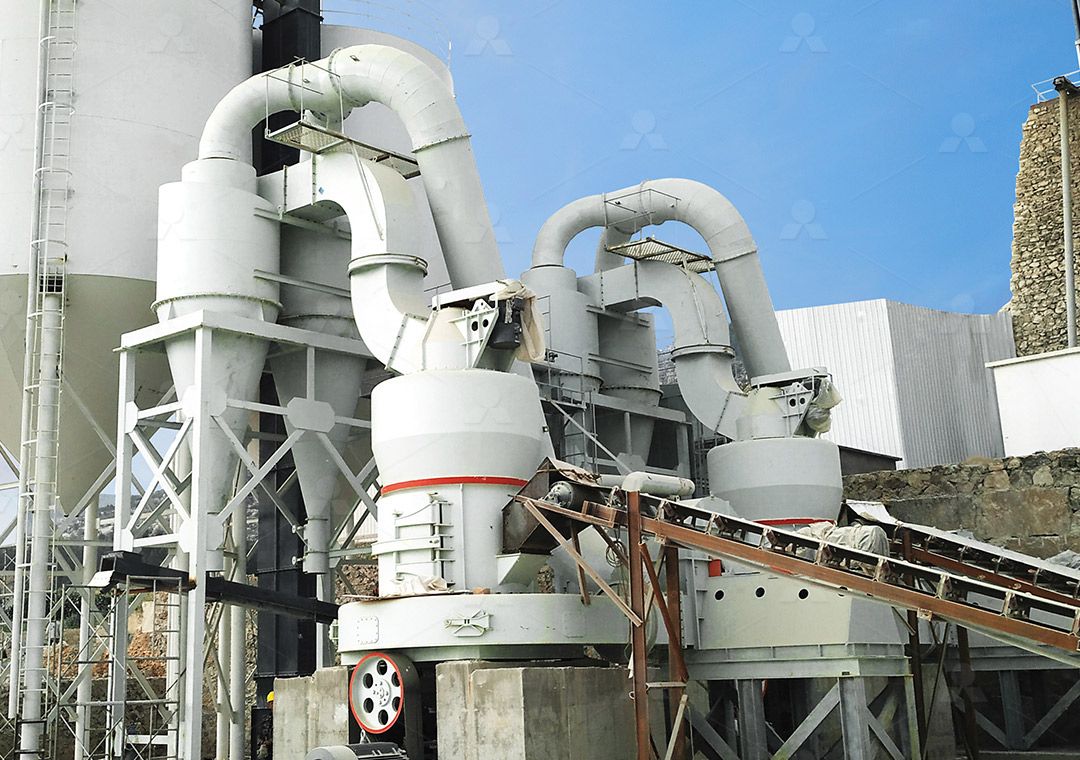
Ultimately, the “cost” of a pulverizer is the total amount spent to produce a tonne of saleable, specification-grade talc powder over the equipment’s lifespan. By choosing technology engineered for ultra-fine processing, low contamination, and operational resilience, Australian cosmetic talc producers can secure a durable competitive advantage in a quality-driven global market.
Frequently Asked Questions (FAQ)
- What is the typical fineness range required for talc in cosmetics?
Cosmetic-grade talc typically ranges from 800 to 2500 mesh (approximately 18 to 5 microns). Face powders often require the finest grades for a smooth, imperceptible finish. - Why is iron contamination a major concern in talc milling?
Iron contamination can degrade the bright white color of talc, causing yellowish or grayish tones. It is also strictly regulated in cosmetic ingredients for safety and stability reasons. - How significant are energy costs in the total operating budget for talc pulverization?
Energy is often the single largest operational cost, frequently accounting for 40-60% of the total grinding cost per tonne. Efficient mill design is therefore critical for profitability. - What are the key Australian standards relevant to industrial milling operations?
Operations must comply with Work Health and Safety (WHS) regulations for noise and dust exposure, and environmental protection laws (state-based EPA regulations) governing emissions and waste. - Can one mill handle different mineral powders besides talc?
Many advanced mills are versatile. For instance, the MW and LUM mills are designed to process a range of non-metallic minerals like calcite, dolomite, and barite, allowing for production flexibility. - How does the particle size distribution affect the final cosmetic product?
A narrow, consistent distribution ensures even application, smooth texture, and optimal oil absorption. Wide distribution can lead to a gritty feel and uneven coverage. - What is the expected delivery and installation timeline for a new grinding system in Australia?
Timelines vary but typically range from 4 to 8 months from order to commissioning, depending on system complexity, customization, and shipping logistics from the manufacturer. - Is remote technical support and local spare parts availability crucial?
Absolutely. Reliable local or regional support and spare parts inventory are essential to minimize downtime, which is far more costly than the part itself.