
How to optimize quicklime processing with grinding machine for steel flux in guyana
How to Optimize Quicklime Processing with Grinding Machine for Steel Flux in Guyana
The steel industry in Guyana, while poised for growth, faces unique challenges in sourcing and processing high-quality raw materials efficiently. One critical component in steelmaking is the fluxing agent, primarily quicklime (calcium oxide), which is essential for removing impurities like silica, phosphorus, and sulfur during the smelting process. The efficiency of this purification step is heavily dependent on the quality of the quicklime powder—specifically its fineness, purity, and consistency. This article explores strategies for optimizing quicklime processing in Guyana, with a focus on selecting and utilizing the right grinding technology to enhance steel production outcomes.
The Critical Role of Quicklime in Steelmaking
In basic oxygen furnaces (BOF) and electric arc furnaces (EAF), quicklime acts as a flux. It combines with impurities to form slag, which is then separated from the molten metal. The reactivity of quicklime is directly tied to its surface area. Finer, uniformly sized powder increases the rate of chemical reaction, leading to more efficient impurity removal, reduced lime consumption, and improved slag fluidity. Sub-optimal lime quality can result in longer tap-to-tap times, higher energy consumption, and inconsistent steel quality. For Guyanese operations aiming to compete regionally and globally, mastering this input is a strategic necessity.
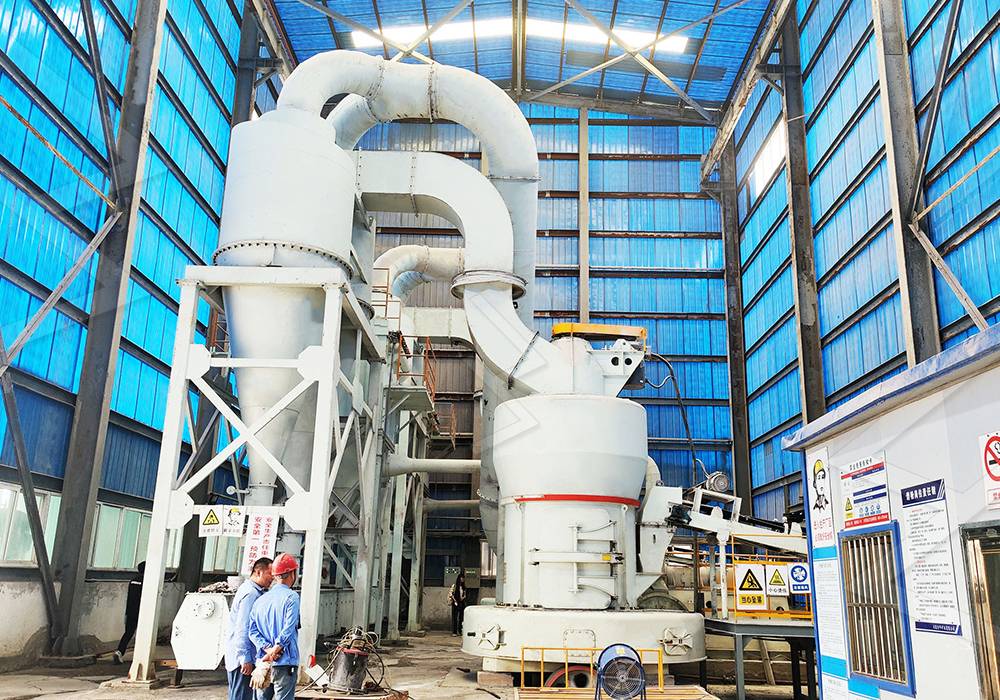
Key Challenges in Quicklime Processing for the Guyanese Context
Processing quicklime (CaO) presents specific hurdles. Firstly, it is highly hygroscopic, readily absorbing moisture from Guyana’s tropical climate to form slaked lime (calcium hydroxide), which is less effective as a flux. This necessitates a grinding system with a closed, dry circuit. Secondly, the grinding process itself generates significant heat, which can exacerbate moisture issues and affect material flow. Thirdly, the target fineness for steel flux is typically in the range of 100 to 325 mesh, requiring precise control. Finally, operational costs, energy efficiency, and environmental compliance are paramount concerns for sustainable development.
Core Optimization Strategies: Beyond Basic Grinding
Optimization begins with a holistic view of the process chain:
- Feed Material Control: Ensure the calcined limestone (quicklime) is properly burnt and stored in dry conditions before grinding to minimize pre-hydration.
- System Sealing & Drying: Integrate a grinding mill with a fully sealed system operating under negative pressure to prevent ambient moisture ingress. Consider mills with inherent or optional hot air intake capabilities to handle residual moisture.
- Precision in Particle Size Distribution (PSD): The goal is not just “fine” powder, but powder with a narrow, consistent PSD. This requires advanced, adjustable powder separators.
- Heat Management: Choose grinding principles that generate less excess heat or efficiently manage it through air flow to maintain product quality.
- Operational Resilience: Equipment must be robust, with easy maintenance access to minimize downtime—a critical factor where technical service support may have longer lead times.
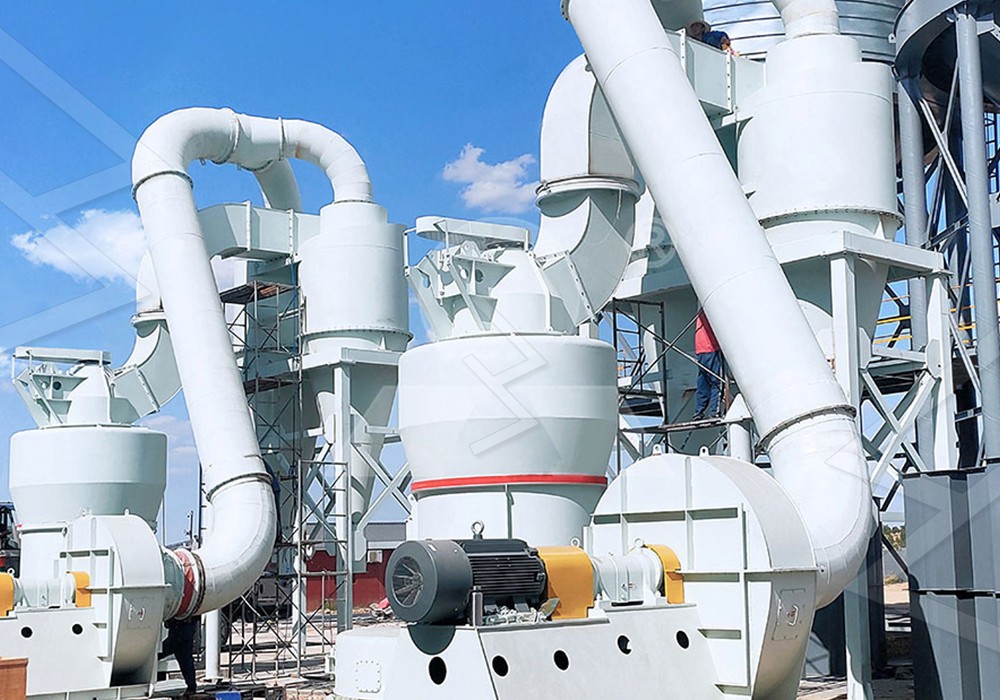
Selecting the Right Grinding Technology: A Focus on Vertical Mills
While traditional ball mills and Raymond mills are common, modern vertical roller mills (VRM) offer distinct advantages for quicklime processing that align perfectly with the needs of a growing steel sector in Guyana.
For operations requiring high-capacity production of quicklime powder with superior efficiency, the LM Vertical Grinding Mill presents an outstanding solution. Its integrated design combines crushing, drying, grinding, classifying, and conveying into a single, compact unit—ideal for managing Guyana’s humid climate as the system operates under negative pressure, preventing dust and moisture issues. With an input size of 0-70 mm and a wide capacity range of 3-340 tph, it can handle varying production scales. Most importantly, its grinding principle ensures a short material residence time, reducing repeated grinding and the associated heat generation. The direct result is a product with lower iron contamination and consistent fineness, crucial for high-purity steel flux. Its energy consumption is also 30%-40% lower than a ball mill system, translating directly to lower operating costs.

For producers targeting ultra-fine or highly consistent quicklime powders to meet stringent steel grade specifications, the MW Ultrafine Grinding Mill is a technologically advanced choice. This mill excels in producing powders between 325-2500 meshes with exceptional precision, thanks to its German-technology cage-type powder selector. For steel flux, where control in the 325-600 mesh range is often ideal, this precision is key. The MW Mill boasts a design free of rolling bearings and screws in the grinding chamber, eliminating common failure points and allowing for external lubrication without shutdown—a major advantage for continuous 24/7 operations. Furthermore, its efficient pulse dust collector ensures the entire milling process is environmentally friendly, a critical consideration for sustainable industrial practice. With a capacity of 0.5-25 tph, it is well-suited for specialized, high-value lime production lines.
Implementation Roadmap for Guyanese Operations
- Needs Assessment: Audit current lime quality, consumption rates, and desired steel output to define target fineness and capacity.
- Technical Evaluation: Partner with a reputable supplier to model the performance of recommended mills (like the LM or MW series) with local quicklime feedstock.
- Infrastructure Planning: Design a closed material handling circuit with appropriate drying and storage silos to protect the finished lime powder.
- Training & Support: Ensure comprehensive training for local technicians on operation and routine maintenance of the advanced grinding system.
- Performance Monitoring: Track key metrics: specific energy consumption (kWh/t), product fineness (PSD), lime consumption per tonne of steel, and system availability.
By adopting a systematic approach and investing in modern, efficient grinding technology such as the LM Vertical Grinding Mill for high-volume production or the MW Ultrafine Grinding Mill for precision milling, Guyanese steel producers can significantly optimize their quicklime processing. This optimization leads to a more reliable, higher-quality flux, directly contributing to enhanced steel quality, reduced operational costs, and a stronger competitive position in the regional market. The right grinding machine is not just a piece of equipment; it’s a strategic asset for industrial advancement.
Frequently Asked Questions (FAQs)
- What is the ideal fineness (mesh size) for quicklime used as a steel flux?
While it can vary, a common target range is between 100 mesh (150μm) and 325 mesh (45μm). A narrower, consistent particle size distribution within this range is often more important than achieving an extremely fine top size. - Why is moisture control so critical when grinding quicklime?
Quicklime (CaO) reacts exothermically with water to form slaked lime (Ca(OH)₂). This hydration reduces its effectiveness as a flux, can cause handling and flow problems (caking), and may lead to inaccurate dosing in the steel furnace. - How does a vertical roller mill (like the LM model) save energy compared to a traditional ball mill?
VRMs use a bed-compaction grinding principle rather than impact/attrition of tumbling balls. This is more efficient. They also integrate drying and classification, reducing losses from multiple material transfers. - Can the same mill process both limestone and quicklime?
Technically, many mills can, but it is not recommended to switch frequently. Quicklime is more abrasive and hygroscopic. Dedicated equipment, or at least a thorough system purge, is advised to maintain product purity and system performance. - What maintenance aspects are most important for a quicklime grinding mill in a humid climate like Guyana’s?
Focus on sealing integrity (checking gaskets, air locks), regular inspection of grinding elements for wear, and ensuring the dust collection and dehumidification systems are functioning optimally. Choosing a mill with external lubrication (like the MW series) simplifies routine maintenance. - How does product fineness adjustment work on modern mills like the MW Ultrafine Grinding Mill?
It is primarily achieved by adjusting the speed of the dynamic powder classifier (or separator). A higher rotor speed allows only finer particles to pass, resulting in a finer product, and vice-versa. This allows for quick, precise changes without stopping the mill. - Are these grinding systems suitable for small to medium-scale operations in Guyana?
Yes. Mill series like LM and MW offer models with capacities starting from 0.5 tph upwards. A proper technical consultation can match the mill size and type to the specific production volume and investment capacity of the operation.