
Talc raymond mill for paint in malaysia
Talc Raymond Mill for Paint in Malaysia: A Professional Guide to High-Performance Powder Processing
For paint manufacturers across Malaysia, from the industrial hubs of Selangor to the growing markets in Johor Bahru, achieving the perfect mineral foundation is non-negotiable. Talc, a hydrated magnesium silicate, remains a cornerstone extender and filler in paint formulations. Its plate-like structure improves suspension, enhances brushability, reduces cracking, and provides excellent sheen control. However, the efficacy of talc is intrinsically tied to its particle size distribution, purity, and whiteness—attributes directly controlled by the grinding technology employed.
While the term “Raymond Mill” has become a generic descriptor for pendulum roller mills, the technology has evolved far beyond its original design. Modern paint-grade talc production demands precision that balances ultra-fine grinding with energy efficiency, operational stability, and environmental compliance. The wrong mill can lead to inconsistent batches, high iron contamination (affecting color), excessive energy costs, and significant downtime.
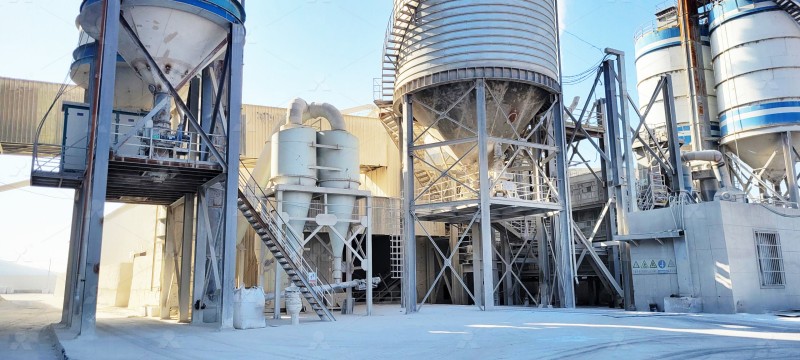
Beyond Traditional Grinding: The Demands of Modern Paint Production
The Malaysian paint industry, supplying both domestic and ASEAN markets, requires talc powders typically in the range of 325 to 2500 meshes. Achieving this fineness consistently is just the starting point. Key challenges include:
- Color Integrity: Any metallic wear from the grinding chamber introduces iron, which can yellow white paints and alter tinted shades.
- Production Uptime: Frequent maintenance for bearing replacement or screw tightening halts production lines.
- Energy Consumption: Traditional ball mills and early-generation Raymond mills are notoriously energy-intensive, directly impacting operational margins.
- Environmental Standards: Dust emissions and noise must be controlled to meet Malaysia’s environmental regulations and ensure worker safety.
This is where selecting a mill based on advanced engineering principles, not just historical name recognition, becomes critical. The goal is a closed, automated system that delivers chemically inert, ultra-fine talc with minimal human intervention and maximum reliability.
Introducing the MW Ultrafine Grinding Mill: Engineered for Precision Talc
For operations focused on the highest quality talc for paints, coatings, and advanced cosmetics, the MW Ultrafine Grinding Mill represents a significant technological leap. Designed specifically for customers needing to make ultra-fine powder, this system addresses the core pain points of Malaysian processors head-on.
Its standout feature is the German-technology cage-type powder selector, which allows precise fineness adjustment between 325 and 2500 meshes. For paint formulators, this means unparalleled control over particle size to influence opacity, sheen, and texture. The system achieves a high screening rate of d97≤5μm in a single pass, ensuring a consistent and narrow particle distribution—vital for smooth paint finishes.
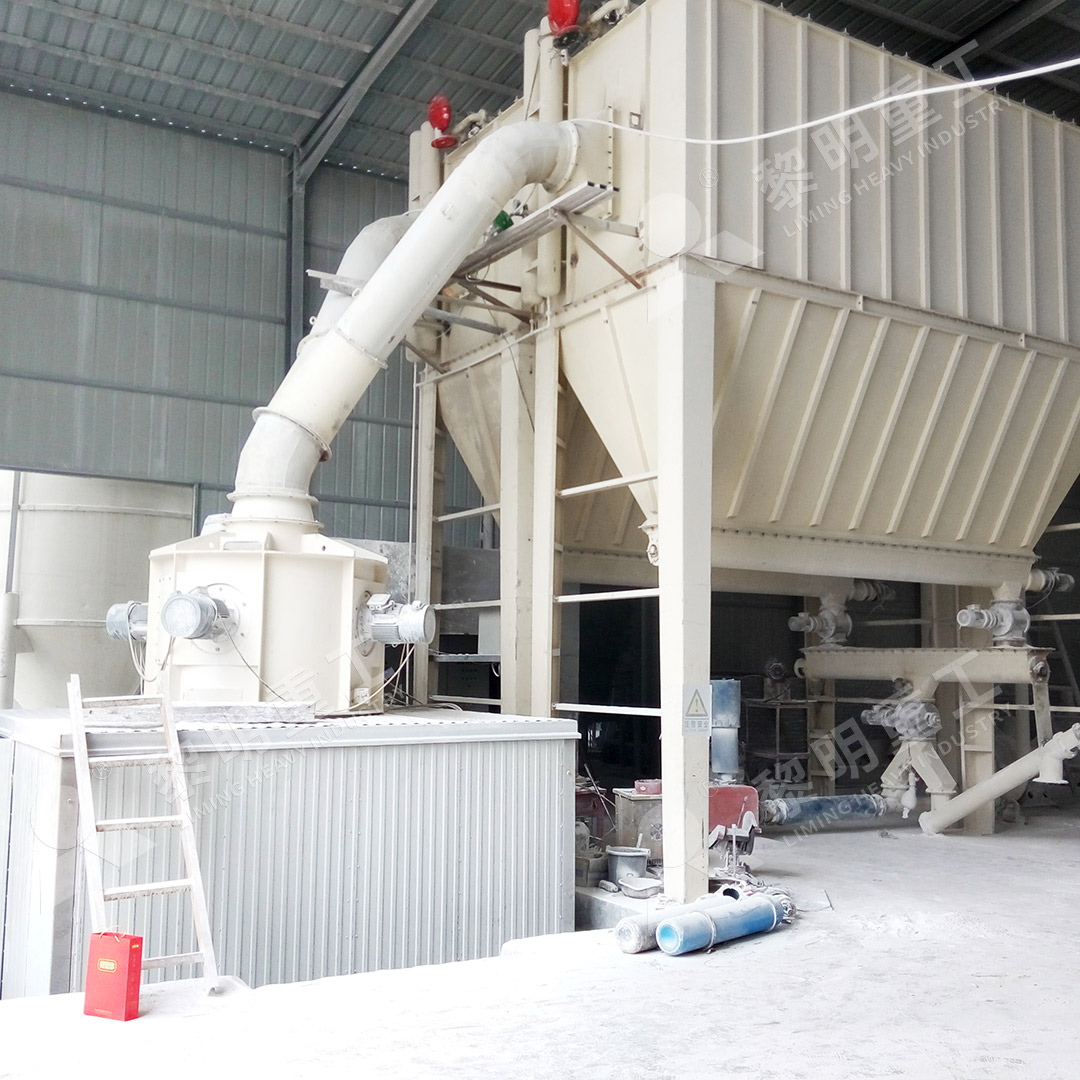
Perhaps most crucially for product purity, the grinding chamber of the MW Mill contains no rolling bearings or screws. This revolutionary design eliminates the primary source of iron contamination from mechanical wear. Operators are freed from worries about bearing seal failures or machine damage from loose screws. Furthermore, the external lubrication system allows for maintenance without shutdown, supporting continuous 24/7 production cycles that are essential for meeting large supply contracts.
With an input size of 0-20 mm and a capacity range of 0.5-25 tph, the MW Mill is scalable for various production needs. It is also a model of environmental stewardship. The integrated efficient pulse dust collector ensures no dust pollution, while silencers and noise elimination rooms keep operations quiet and compliant. This makes it an ideal solution for plants located near urban areas or with strict internal ESG (Environmental, Social, and Governance) targets.
Considering High-Volume Production? The LUM Ultrafine Vertical Grinding Mill
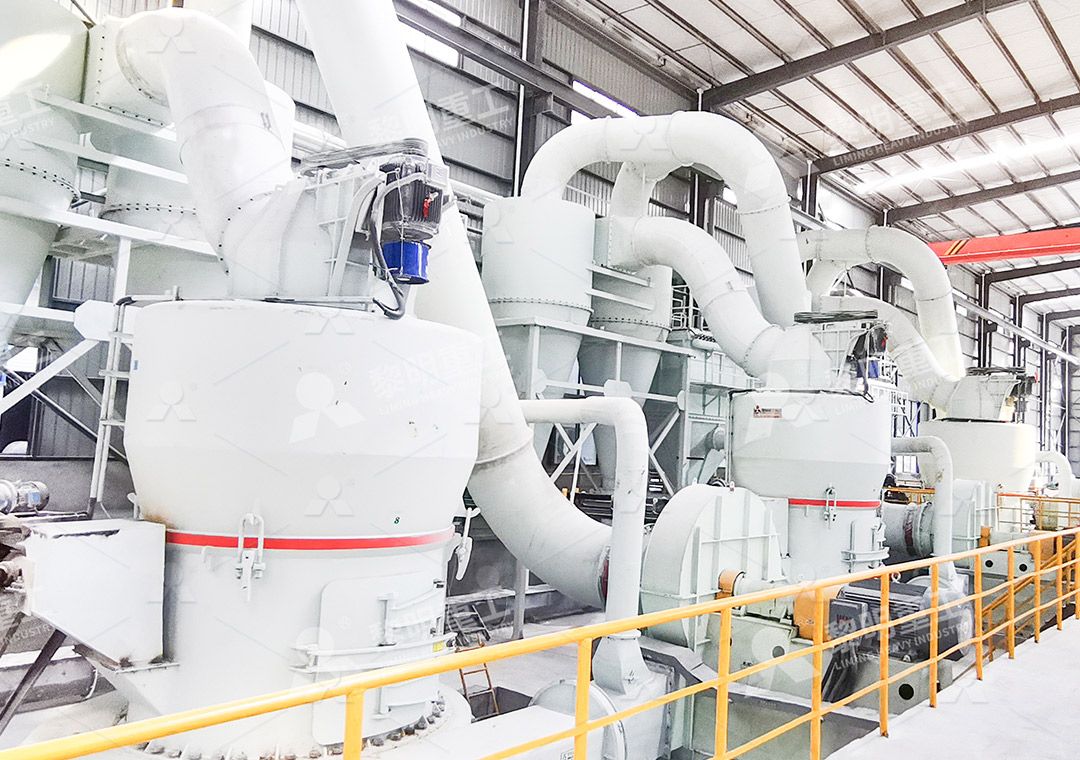
For larger-scale operations or those processing a broader range of non-metallic minerals alongside talc, the LUM Ultrafine Vertical Grinding Mill offers a compelling alternative. This mill integrates grinding, grading, and transporting into a single, compact footprint—a significant advantage where factory floor space is at a premium.
Its design focuses on high yield and quality. A unique roller shell and lining plate grinding curve promotes efficient material layer formation, enabling a high rate of finished product from a single pass. This not only boosts efficiency but also improves the whiteness and cleanliness of the talc, a key selling point. The mill’s double position-limiting technology provides exceptional operational stability, preventing destructive impacts from vibration, while its reversible structure makes maintenance on heavy grinding rollers surprisingly straightforward.
Making the Strategic Choice for Your Malaysian Operation
Selecting between advanced mills like the MW and LUM comes down to your specific production focus. For dedicated, ultra-fine talc lines where absolute purity and fineness control are paramount, the MW Ultrafine Grinding Mill is the specialist tool. For high-volume, multi-mineral processing with an emphasis on operational ease and space savings, the LUM Vertical Grinding Mill excels.
Both systems share the hallmarks of modern, responsible manufacturing: digitalized processing for high precision, comprehensive after-sales support with genuine spare parts, and a design philosophy that prioritizes energy savings and environmental protection. By investing in such technology, Malaysian paint suppliers can secure a consistent, high-quality talc supply chain, reduce total cost of ownership, and strengthen their competitive position in a quality-driven market.
Frequently Asked Questions (FAQs)
1. What is the typical fineness range required for talc in paint manufacturing?
Most paint formulations require talc powder between 325 mesh (45 microns) and 2500 mesh (5 microns). Finer talc (above 1250 mesh) is used for high-gloss, smooth finishes, while coarser grades are suitable for primers and textured paints.
2. How does the MW Mill prevent iron contamination in the talc powder?
The MW Ultrafine Grinding Mill uses a revolutionary design that eliminates rolling bearings and screws inside the grinding chamber—the primary sources of metallic wear. This ensures the final product maintains high whiteness and is free from discoloration caused by iron oxides.
3. Can these mills handle the humidity levels present in Malaysia?
Yes. Both the MW and LUM mills can integrate with drying systems. The closed, negative-pressure design prevents moisture absorption during grinding, and for feed materials with higher moisture content, optional hot air generators can be integrated into the system.
4. What kind of after-sales support is available locally in Malaysia?
We provide comprehensive technical services, including installation supervision, operator training, and a guaranteed supply of original spare parts. Our local partners ensure prompt response for maintenance and support to guarantee worry-free operation.
5. How significant are the energy savings compared to a traditional ball mill?
The MW Ultrafine Grinding Mill can reduce system energy consumption by up to 40-50% compared to traditional ball mills and older Raymond mill designs, thanks to its efficient grinding curve and advanced powder selector.
6. Is the particle size distribution consistent from batch to batch?
Absolutely. The advanced cage-type powder selector (in the MW Mill) and multi-head powder separating technology (in the LUM Mill) provide extremely precise classification, resulting in a consistent, narrow particle size distribution (PSD) crucial for uniform paint quality.
7. What are the noise and dust emission levels?
Both mills are designed as environmentally friendly systems. They are equipped with high-efficiency pulse dust collectors that eliminate visible dust emissions and integrated silencers or noise reduction rooms that keep operational noise well within industrial zone standards.