
How to optimize calcium carbonate processing with grinding mill for paper coating in mexico
How to Optimize Calcium Carbonate Processing with Grinding Mill for Paper Coating in Mexico
The Mexican paper and packaging industry is a dynamic and growing sector, demanding high-performance materials to meet both domestic and international standards. A critical component in paper manufacturing, especially for producing high-quality coated papers, is finely ground calcium carbonate (GCC). The quality of the coating, which directly impacts printability, gloss, opacity, and smoothness, hinges on the particle size distribution, purity, and morphology of the GCC powder. Selecting and optimizing the right grinding mill is therefore not just an operational decision but a strategic one that affects product quality, production costs, and environmental compliance.
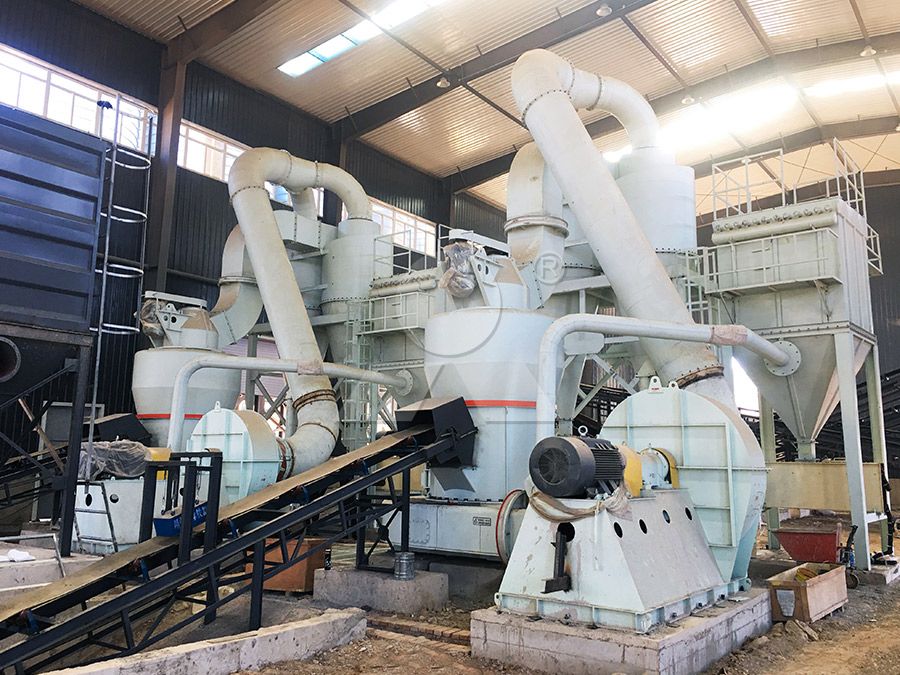
The Critical Role of GCC in Paper Coating
In paper coating, GCC acts as a filler and pigment. Its primary functions are to fill the pores between paper fibers, creating a smooth, uniform surface for printing, and to enhance optical properties like brightness and opacity. For premium coated papers, the GCC must have a very fine and tightly controlled particle size, typically with a top cut (d97) of 2 microns or less. Achieving this fineness consistently, while maintaining low energy consumption and high throughput, is the central challenge for processors. Traditional ball mills often struggle with efficiency and product contamination, while older Raymond mills may not achieve the necessary ultra-fine spectrum or consistent particle shape.
Key Optimization Parameters for GCC Milling
Optimizing a grinding circuit for paper-grade GCC involves several interconnected factors:
- Particle Size Distribution (PSD): A narrow PSD is crucial. Broad distributions can lead to poor packing density on the paper surface, affecting gloss and ink absorption. Modern mills with advanced, high-precision classifiers are essential.
- Energy Efficiency: Grinding to sub-2-micron levels is energy-intensive. Mills that offer higher yield per kilowatt-hour directly lower operational costs and improve sustainability metrics.
- Product Purity and Low Iron Content: Contamination from mechanical wear (iron from grinding media) can yellow the paper over time. Mills designed to minimize metal-to-metal contact in the grinding zone are preferred.
- System Stability and Automation: Consistent product quality requires a stable milling process with minimal vibration and automated controls for parameters like feed rate, grinding pressure, and classifier speed.
- Environmental Footprint: Dust control and noise levels are subject to stringent regulations. A closed, negative-pressure system with integrated pulse-jet dust collection is no longer a luxury but a necessity.
Advanced Milling Solutions for the Mexican Market
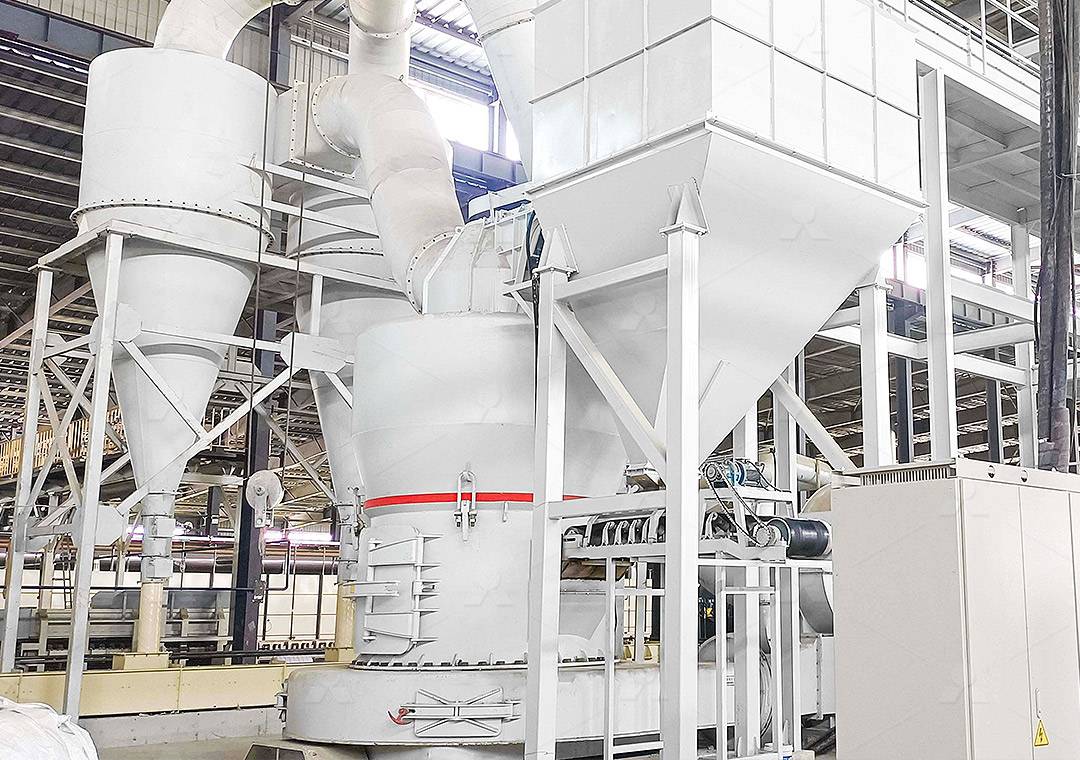
For Mexican processors aiming to supply the high-end paper market, moving beyond conventional milling technology is key. Two standout solutions that address all the above optimization parameters are the LUM Ultrafine Vertical Grinding Mill and the MW Ultrafine Grinding Mill.
The LUM Ultrafine Vertical Grinding Mill represents a leap forward in design. Its unique grinding curve for the roller and lining plate promotes easier material bed formation, enabling efficient single-pass grinding that enhances whiteness—a critical factor for paper. The integration of PLC control and multi-head powder separating technology allows for precise control over fineness, with energy consumption reportedly 30%-50% lower than common grinding mills. For Mexican plants dealing with variable ore feed or needing to switch between different product specifications quickly, this flexibility is invaluable. Its reversible structure also simplifies maintenance, a significant advantage for minimizing costly downtime.
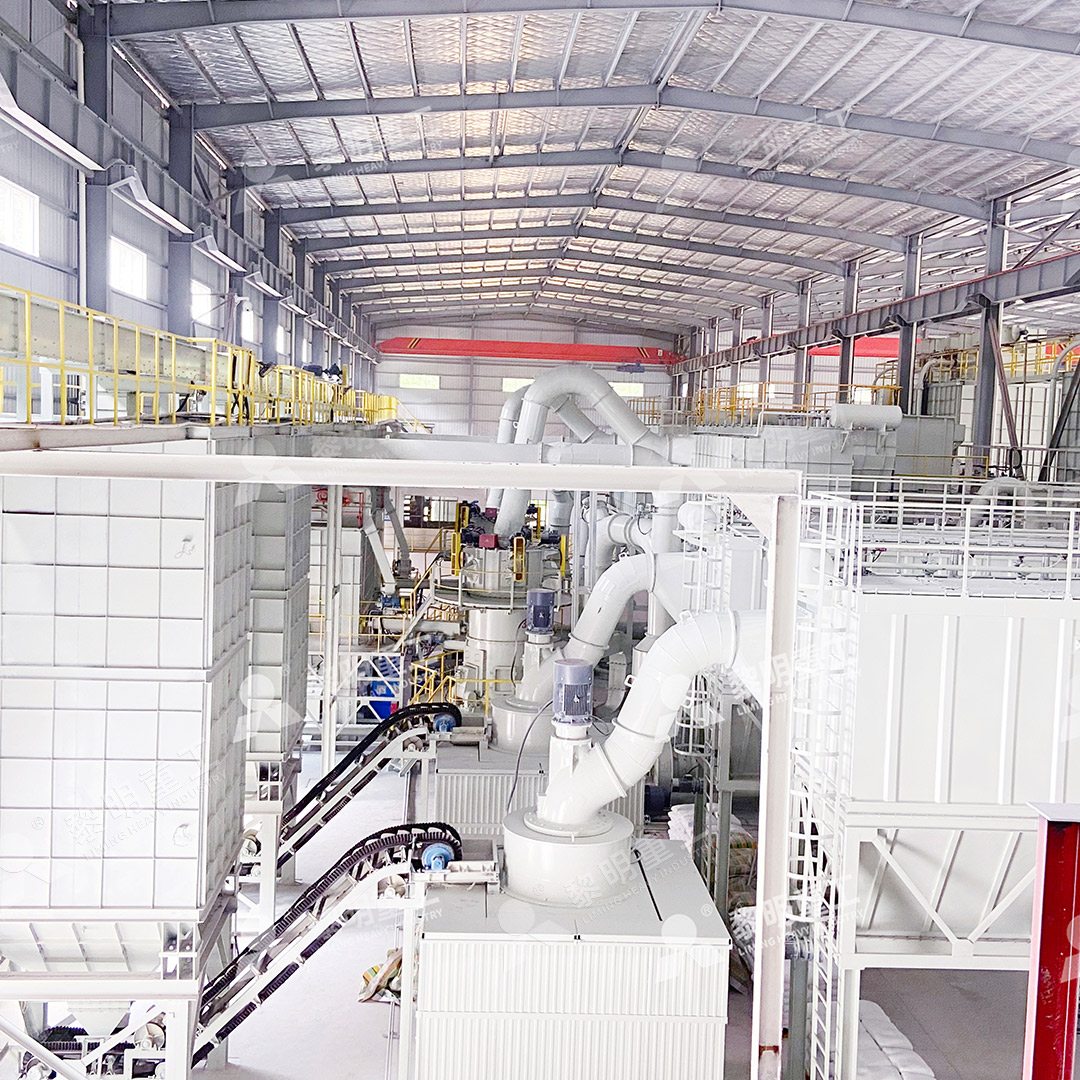
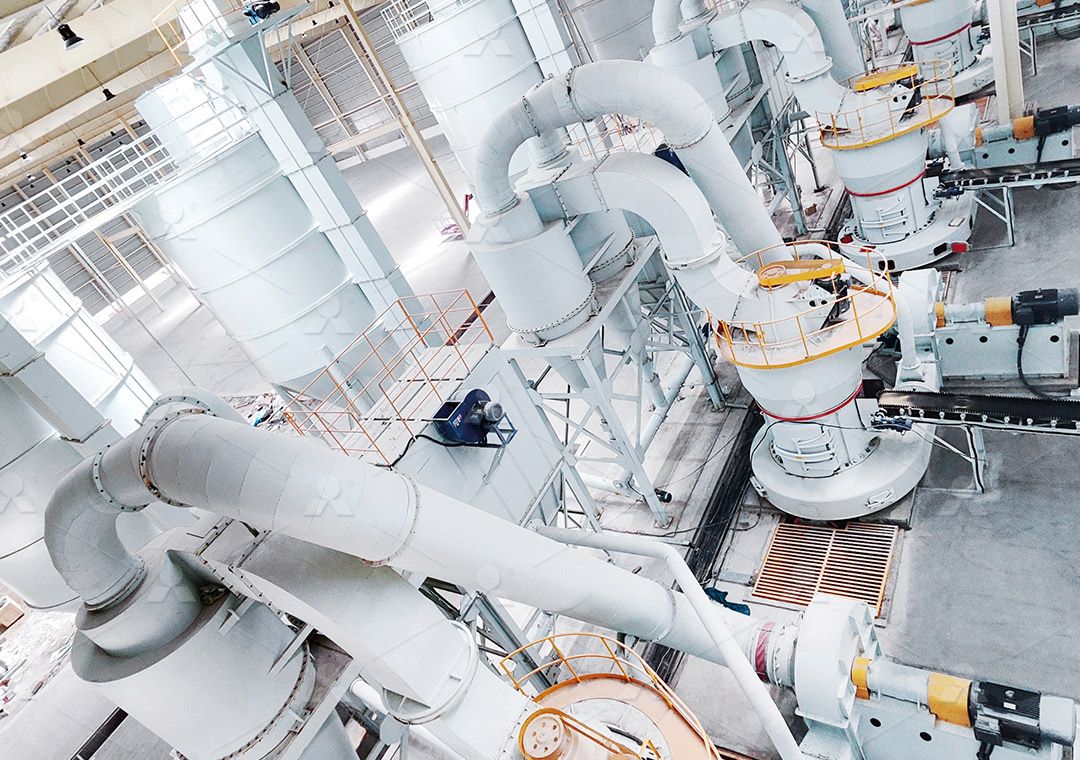
For operations requiring exceptional fineness control within the 325 to 2500 mesh range, the MW Ultrafine Grinding Mill is a formidable choice. Its German-technology cage-type powder selector ensures high precision in particle separation, capable of achieving a d97 ≤5μm in a single pass. A remarkable feature for reliability is the absence of rolling bearings and screws in the grinding chamber, eliminating common failure points and concerns about loose parts causing damage. Furthermore, its design prioritizes environmental stewardship. The mill is equipped with an efficient pulse dust collector and noise reduction systems, ensuring the entire production process meets strict environmental standards, which is increasingly important for Mexican industrial operations seeking sustainable certifications.
Implementing an Optimized Grinding Strategy
Success in Mexico requires more than just installing advanced equipment. A holistic strategy includes:
- Raw Material Analysis: Consistent feed material from a reliable quarry is the foundation. Partnering with mills that can handle slight variations in feed size (0-20mm for the MW Mill, 0-10mm for the LUM) provides operational buffer.
- Integrated System Design: The mill should be part of a seamlessly integrated system including feeding, grinding, classifying, and collecting. Look for suppliers who offer complete system responsibility.
- Local Technical Support and Spare Parts: Ensuring a sufficient, locally available supply of original spare parts and accessible technical service is critical for worry-free, long-term operation. This mitigates the risk of extended production halts.
- Training and Digital Integration: Leveraging the digital control systems of modern mills requires proper operator training. The high-precision, numerically controlled manufacturing of these mills translates to more predictable performance and easier integration into plant-wide control systems.
By focusing on these technological and strategic elements, calcium carbonate processors in Mexico can significantly enhance their product quality for the paper coating industry, reduce their total cost of ownership, and strengthen their competitive position in a quality-driven market.
Frequently Asked Questions (FAQs)
- What is the typical target fineness (d97) for GCC used in high-quality paper coating?
For premium coated papers, the target top cut (d97) is typically 2 microns or less. Some applications may require even finer grinds down to 1 micron or below to achieve maximum gloss and smoothness. - Why is low iron content so important in GCC for paper?
Iron impurities, often introduced through mechanical wear of grinding media, can catalyze oxidation reactions in the paper over time, leading to yellowing or discoloration. This degrades the visual quality and longevity of the printed product. - How does the MW Ultrafine Grinding Mill achieve such precise particle size control?
The MW Mill utilizes a cage-type powder selector based on German technology. This design allows for highly accurate centrifugal classification of particles. The fineness can be precisely adjusted between 325 and 2500 meshes by controlling the selector’s speed and configuration. - What are the main advantages of a vertical roller mill (like the LUM) over a traditional ball mill for GCC processing?
Key advantages include significantly higher energy efficiency (30-50% savings), a much smaller footprint, integrated drying capability, shorter material retention time (reducing over-grinding), and superior control over particle size distribution and product whiteness. - Can these advanced grinding mills handle the humidity sometimes present in raw materials in certain regions?
Yes, both the LUM and LM series vertical mills integrate a drying function. Hot air can be introduced into the grinding chamber, allowing them to simultaneously dry and grind materials with moderate moisture content, which is a valuable feature for ensuring consistent feed to the grinding process. - What kind of after-sales support is crucial for operating such equipment in Mexico?
Reliable access to genuine spare parts, readily available technical documentation, and prompt service from trained engineers—either locally based or through a responsive support channel—are essential to maximize uptime and ensure the long-term performance of the grinding system. - How does the “no rolling bearing in the chamber” design of the MW Mill improve reliability?
This design removes a major potential failure point. Bearings inside the grinding chamber are subjected to extreme dust, vibration, and temperature. By eliminating them, the risk of bearing seizure or seal failure is removed, leading to higher operational reliability and lower maintenance costs.