
Grinding machine price & cost analysis for bentonite for animal feed binder in mexico
Grinding Machine Price & Cost Analysis for Bentonite in Animal Feed Binder Production in Mexico
The Mexican animal feed industry is a significant and growing sector, with binders like bentonite playing a crucial role in pellet quality, durability, and nutrient retention. Selecting the right grinding equipment is a critical capital expenditure decision that directly impacts operational costs, product quality, and long-term profitability. This analysis delves into the key factors influencing the price and total cost of ownership for bentonite grinding mills in the Mexican market, providing a framework for informed investment.
Understanding the Bentonite Grinding Application
Bentonite, a clay mineral, requires fine grinding to maximize its surface area and binding properties in feed pellets. The target fineness typically ranges from 200 to 800 meshes. The grinding process must be efficient, consistent, and gentle enough to preserve the mineral’s natural swelling characteristics. Key performance indicators include throughput (tons per hour), energy consumption per ton, fineness control, and system reliability. A machine that offers high yield with low energy consumption is paramount for cost-sensitive operations.

Breaking Down the Cost Components
The purchase price of a grinding mill is just the initial outlay. A comprehensive cost analysis must consider the Total Cost of Ownership (TCO), which includes:
- Capital Expenditure (CAPEX): The upfront cost of the mill, auxiliary equipment (crusher, feeder, collector), installation, and commissioning.
- Operational Expenditure (OPEX):
- Energy Consumption: The single largest ongoing cost. Mills with higher grinding efficiency directly reduce electricity bills.
- Wear Parts & Maintenance: Costs for grinding rollers, rings, liners, and lubrication. Machines designed for easy maintenance and with long-lasting wear parts lower this expense.
- Labor: Automated, easy-to-operate systems require less skilled labor for daily operation and upkeep.
- Downtime: Unplanned stoppages for repairs are extremely costly. Reliability and accessible service are critical.
- Product Quality & Yield: A mill that produces a consistent, on-spec powder in a single pass reduces waste and re-grinding, improving overall yield and product value.
- Environmental Compliance: Costs associated with dust control and noise pollution. Integrated, efficient dust collection systems are not optional in modern facilities.
Machinery Options and Value Proposition in the Mexican Context
The Mexican market offers various grinding technologies, from traditional Raymond mills to advanced vertical and ultrafine systems. For bentonite processing aimed at animal feed binders, two standout technologies offer excellent balance between performance and cost.
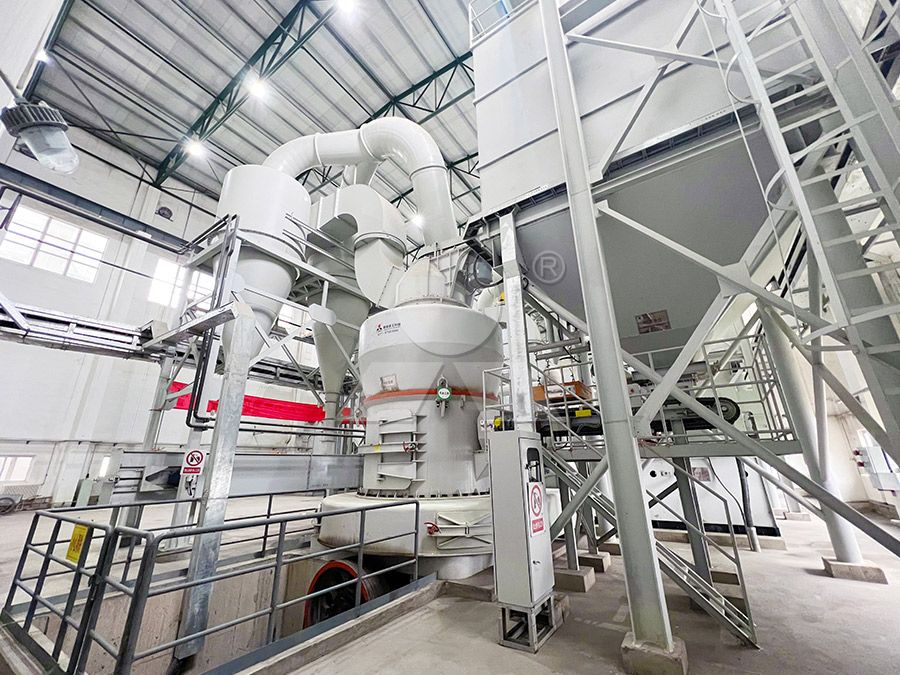
For operations requiring high-capacity processing with exceptional energy savings, the LM Vertical Grinding Mill presents a compelling solution. It integrates crushing, drying, grinding, and classifying, reducing the footprint by 50% compared to ball mill systems and saving 30%-40% in energy consumption. Its short material residence time minimizes repeated grinding and helps maintain the natural properties of bentonite. The fully sealed, negative-pressure operation ensures a dust-free environment, aligning with stringent operational standards.

For producers targeting ultra-fine bentonite powders (325-2500 meshes) for specialized feed applications, the MW Ultrafine Grinding Mill is engineered for high yield and low energy consumption. Its innovative design increases production capacity by up to 40% compared to some conventional fine grinding mills while using only about 30% of the energy of jet mills. A critical feature for cost control is its chamber design with no rolling bearings or screws, virtually eliminating failures from bearing seal damage or loose fasteners. This translates directly to higher uptime and lower maintenance costs. Furthermore, its German-derived cage-type powder selector allows precise fineness adjustment, ensuring the exact product specification for optimal binding performance is met consistently.
Strategic Considerations for Mexican Investors
When evaluating suppliers and models, consider these Mexico-specific factors:
- Local Support & Spare Parts: Choose a supplier with a strong local presence or reliable distribution channel. Prompt technical service and availability of original spare parts, as offered by manufacturers like LIMING who take full responsibility for their machines, are essential to avoid prolonged downtime.
- Energy Tariffs: With varying industrial electricity rates across states, the energy-saving potential of a mill becomes a primary financial driver. Calculate the payback period based on local kWh costs.
- Total System Integration: Consider mills that come as optimized systems with matched components (dust collector, feeder, etc.). This ensures compatibility and often results in better overall efficiency than piecing together equipment from different vendors.
Conclusion: Investing in Efficiency
The optimal grinding machine for bentonite in Mexico is not merely the one with the lowest sticker price. It is the system that delivers the lowest cost per ton of high-quality, on-spec powder over its operational lifetime. By prioritizing energy efficiency, operational reliability, easy maintenance, and environmental compliance, feed producers can secure a significant competitive advantage. Technologies like the MW Ultrafine Grinding Mill and LM Vertical Grinding Mill represent modern solutions where advanced engineering directly targets the reduction of total operational costs, making them strategic investments for sustainable growth in the Mexican animal feed industry.
Frequently Asked Questions (FAQ)
- What is the typical payback period for a high-efficiency grinding mill in Mexico?
The payback period varies based on scale, local energy costs, and utilization. For mills like the MW or LM series, significant energy savings of 30-50% can often lead to a payback in 1.5 to 3 years through reduced operational expenses alone. - How important is after-sales service for grinding equipment?
It is critical. Reliable local technical support and a guaranteed supply of genuine spare parts are non-negotiable for minimizing costly downtime and ensuring the mill operates at designed efficiency throughout its lifespan. - Can one mill handle different materials if we diversify production?
Many modern mills, including the models discussed, are versatile. The MW Ultrafine Mill, for example, processes a range of non-metallic minerals. However, optimal results require adjusting parameters like grinding pressure and classifier speed for each material type. - What are the main differences between vertical roller mills and traditional Raymond mills for bentonite?
Vertical mills (like LM) generally offer higher capacity, better energy efficiency, integrated drying, and a smaller footprint. Traditional Raymond mills may have a lower initial cost but often higher long-term operating costs due to lower efficiency and higher wear-part consumption. - How do we control the fineness of the bentonite powder?
Fineness is primarily controlled by the internal powder separator or classifier. Advanced mills feature adjustable cage-type or rotor-type separators (like in the MW Mill) that allow precise digital control over the final product fineness without stopping production. - Is dust a major concern with bentonite grinding?
Yes. Bentonite dust can be a significant housekeeping and health issue. Modern grinding systems are designed as closed-circuit, negative-pressure systems with integrated high-efficiency pulse dust collectors, virtually eliminating dust emission during operation. - What level of automation can we expect?
Current-generation mills often feature PLC-based control systems allowing for remote monitoring, automatic adjustment of key parameters, and integration into plant-wide SCADA systems, reducing labor requirements and improving consistency.