
Grinding machine price & cost analysis for phosphate for food additive in indonesia
Grinding Machine Price & Cost Analysis for Phosphate for Food Additive in Indonesia
Indonesia’s burgeoning food processing industry, coupled with its strategic position as a major agricultural and resource hub, has created significant demand for high-quality food-grade additives. Among these, finely ground phosphate plays a crucial role as a leavening agent, stabilizer, and nutrient fortifier. For manufacturers and processors entering or expanding in this sector, selecting the right grinding equipment is a critical capital decision. This analysis delves into the key cost factors and price considerations for grinding machines tailored to food-grade phosphate production in the Indonesian market.
Understanding the Application: Food-Grade Phosphate Milling
Processing phosphate rock or intermediate products into food-grade powder demands more than just size reduction. The grinding system must guarantee product purity, consistent fineness (often in the superfine to ultrafine range), and comply with stringent hygiene and safety standards. Contamination from grinding media, excessive iron content, or inconsistent particle size can render the final product unsuitable for food applications. Therefore, the total cost of ownership extends far beyond the initial machine price, encompassing energy consumption, maintenance downtime, spare parts availability, and final product quality.
Key Cost Factors in Grinding Machine Selection
When analyzing the price of a grinding mill, it is essential to deconstruct the total investment into several operational cost centers:
1. Initial Capital Investment (CAPEX)
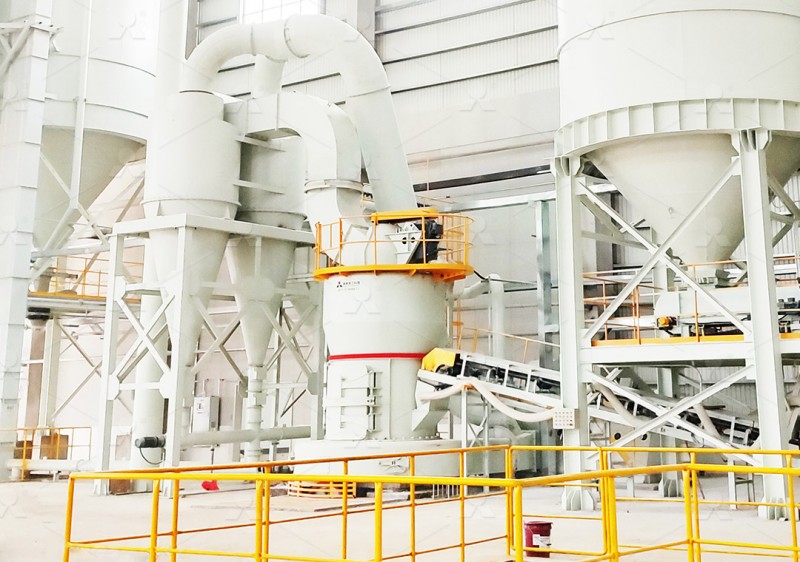
This is the upfront price of the grinding mill and its auxiliary systems (feeder, classifier, dust collector, electrical controls). Prices vary dramatically based on capacity, technology level, and degree of automation. For food-grade phosphate, mills capable of producing powders between 325 to 2500 meshes are typically required. A basic Raymond mill might represent a lower initial cost, while advanced vertical roller mills or ultrafine grinding mills command a higher price due to their superior efficiency and precision engineering.
2. Operational Expenditure (OPEX)
- Energy Consumption: This is often the single largest ongoing cost. Mills with inefficient grinding mechanisms or high internal resistance can double or triple your electricity bill. Advanced designs focus on optimizing the grinding curve and reducing system pressure drop.
- Wear Parts Consumption: The cost and frequency of replacing grinding rollers, rings, and liners directly impact profitability. Machines using high-performance wear-resistant alloys and intelligent design to reduce metal-to-metal contact offer significant long-term savings.
- Maintenance Labor & Downtime: Complex maintenance procedures that require specialized skills and prolonged shutdowns are costly. Machines designed with features like external lubrication systems, reversible rollers, and easy-access components drastically reduce maintenance time and associated losses.
3. Quality & Compliance Costs
A machine that introduces iron contamination or cannot achieve a stable, narrow particle size distribution will lead to product rejection and lost revenue. Furthermore, environmental compliance is non-negotiable. Mills must be equipped with high-efficiency pulse dust collectors and noise reduction systems to meet Indonesian environmental regulations, avoiding potential fines and operational stoppages.
Machinery Solutions for the Indonesian Market
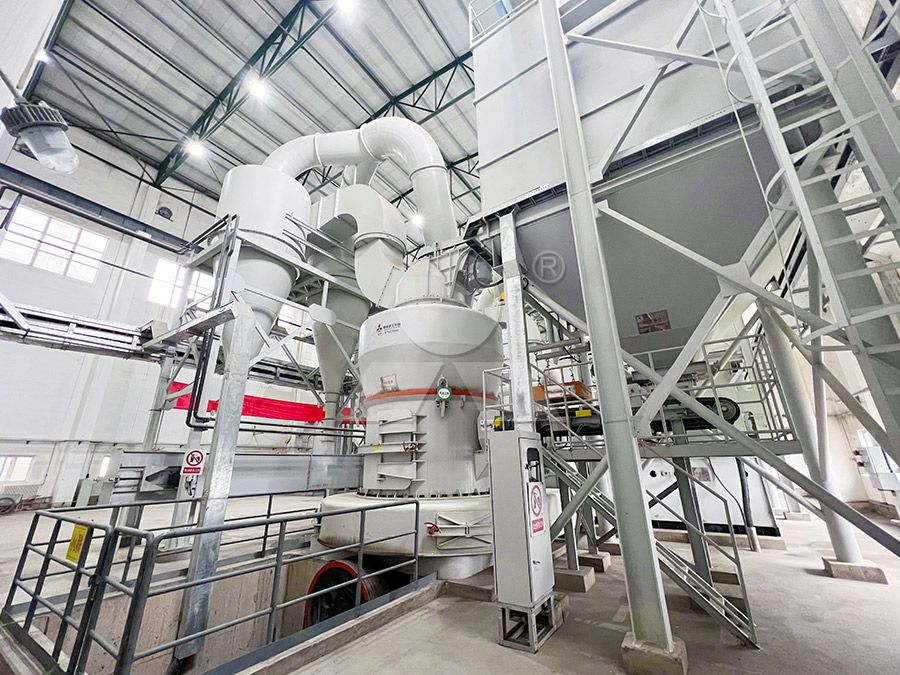
Given the specific requirements for food-grade phosphate—ultrafine fineness, high purity, and cost-effective operation—certain grinding technologies stand out. Traditional ball mills, while low in initial cost, are often energy-intensive and can cause contamination. Modern vertical roller mills and specialized ultrafine mills present a more balanced total cost profile.
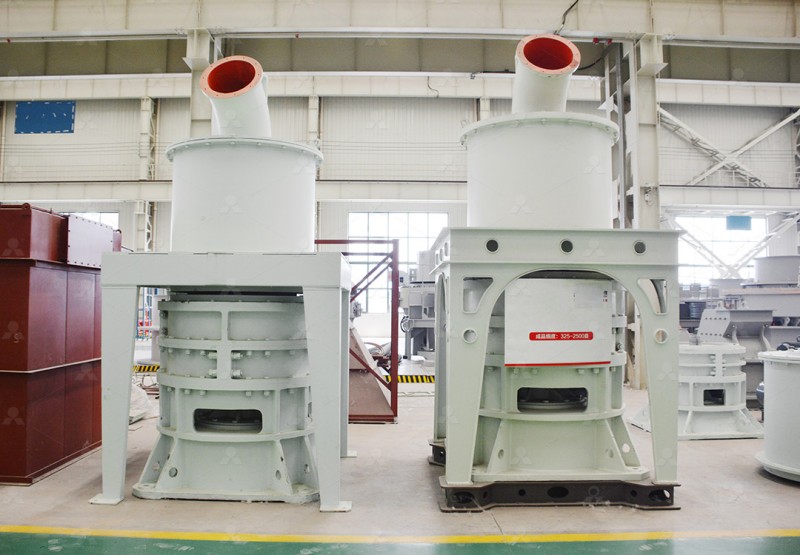
For operations prioritizing ultra-fine powder (d97 ≤ 5μm) with exceptional whiteness and low iron content, the MW Ultrafine Grinding Mill is a compelling solution. Engineered for precision, it accepts a feed size of 0-20 mm and offers a capacity range of 0.5-25 tph, suitable for various production scales. Its defining feature is a German-technology cage-type powder selector that allows precise fineness adjustment between 325-2500 meshes in a single pass. Crucially for food-grade production, its design eliminates rolling bearings and screws inside the grinding chamber, virtually removing risks of lubricant contamination and mechanical failure from loose parts. Coupled with a high-efficiency pulse dust collector, it ensures a clean, environmentally compliant operation, protecting both product integrity and the workplace.
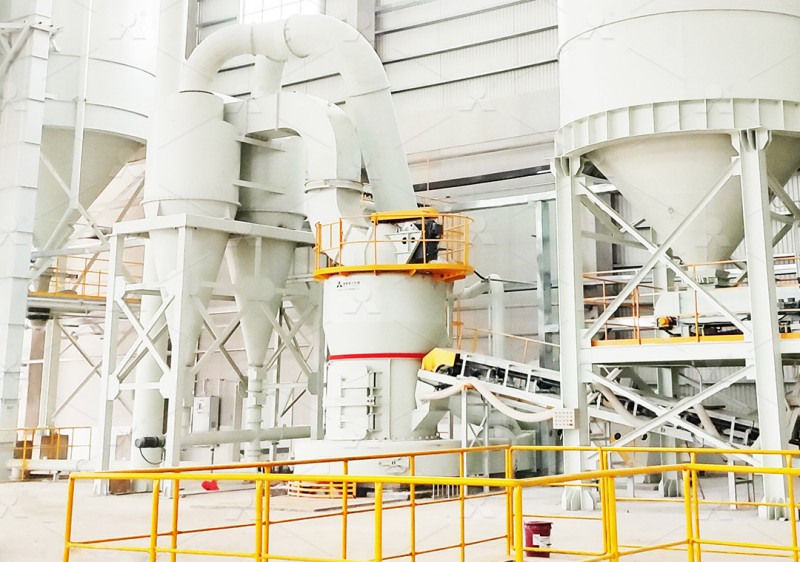
For larger-scale production where integrating drying, grinding, and classifying into a single footprint is advantageous, the LUM Ultrafine Vertical Grinding Mill offers remarkable efficiency. With an input size of 0-10 mm and capacity of 5-18 tph, it incorporates the latest grinding roller and powder separating technologies. Its unique roller shell design promotes stable material layer formation, enabling high-yield, single-pass milling that enhances product whiteness. The mill’s double position-limiting technology provides exceptional operational stability, while its reversible structure allows grinding rollers to be easily moved out for maintenance, minimizing downtime—a critical factor for continuous food additive production lines.
Navigating the Indonesian Procurement Landscape
When sourcing equipment in Indonesia, consider these points:
- Local Support & Spare Parts: Opt for suppliers with a strong local presence or authorized distributors who can provide timely technical service and guarantee the availability of original spare parts. This is vital for maintaining warranty and ensuring worry-free operation.
- Total Package Evaluation: Scrutinize what is included in the quoted price. Does it cover installation supervision, commissioning, and operator training? A slightly higher initial quote that includes comprehensive support often leads to lower total lifecycle costs.
- Energy Tariffs: Factor in Indonesia’s specific industrial electricity costs. A mill that is 30-40% more energy-efficient can justify a higher purchase price through rapid operational savings.
Conclusion: A Strategic Investment
Selecting a grinding machine for food-grade phosphate in Indonesia is not merely a purchase; it is a strategic investment in your production line’s future efficiency and product quality. A narrow focus on the lowest initial machine price can lead to exorbitant energy bills, frequent breakdowns, and inconsistent product quality. A thorough cost analysis that prioritizes advanced technology, energy savings, low maintenance design, and reliable local support will identify the equipment that delivers the lowest total cost of ownership and the highest return on investment, ensuring your operation remains competitive in the dynamic Indonesian food additive market.
Frequently Asked Questions (FAQs)
- What is the typical price range for a grinding mill suitable for food-grade phosphate in Indonesia?
Prices vary widely from approximately $50,000 for smaller, basic systems to over $500,000 for large-capacity, fully automated ultrafine grinding lines. The final cost depends on capacity, desired fineness, level of automation, and included ancillary equipment. - How significant is energy cost in the total operating expense?
Energy consumption typically constitutes 40-50% of the total operating cost for a grinding mill. Therefore, investing in an energy-efficient model can lead to substantial savings, often paying back the price differential within 1-2 years. - Why is iron content a critical concern for food-grade phosphate milling?
Excessive iron can discolor the final product, catalyze oxidation (reducing shelf life), and, most importantly, exceed food safety regulations for heavy metal content. Grinding mills designed to minimize metal wear and contact are essential. - Can one machine handle both grinding and drying if my phosphate feedstock has moisture?
Yes, certain vertical roller mills like the LUM or LM series integrate a hot air inlet, allowing simultaneous drying and grinding. This eliminates the need for a separate dryer, saving space and energy. - What after-sales support should I expect from the supplier in Indonesia?
You should expect comprehensive support including installation guidance, commissioning, operator training, a reliable supply of genuine spare parts, and access to technical troubleshooting. Ensure this is clearly defined in the purchase agreement. - How often do the grinding rollers and rings need replacement?
The lifespan depends on material abrasiveness, operating hours, and the wear-resistant material used. High-performance alloys can last 1.5 to 2.5 times longer than standard materials, with replacement intervals ranging from 6 months to several years under continuous operation. - Is remote monitoring and control available for these grinding systems?
Most modern mills come with PLC-based control systems that can be equipped for remote monitoring and adjustment, allowing for better process optimization and quicker response to alarms, which is beneficial for managing plants across different sites.