
Industrial pulverizer for calcium carbonate for plastic filler in tunisia
Industrial Pulverizer for Calcium Carbonate for Plastic Filler in Tunisia: A Technical and Strategic Guide
The Tunisian plastics industry is a dynamic and growing sector, with a constant demand for high-quality, cost-effective fillers to enhance product properties and reduce manufacturing costs. Among these, calcium carbonate (CaCO3) stands out as a premier functional filler, prized for its ability to improve stiffness, impact resistance, dimensional stability, and surface finish while significantly lowering raw material expenses. However, the efficacy of calcium carbonate in plastic composites is intrinsically linked to its particle size distribution, purity, and morphology. This is where the selection of the right industrial pulverizer becomes a critical, strategic decision for processors in Tunisia.
Producing the ultra-fine, consistent powder required for high-performance plastic masterbatches and compounds demands grinding technology that transcends basic crushing. The ideal mill must deliver precise fineness control, high throughput, exceptional energy efficiency, and operational reliability—all while maintaining stringent environmental standards. For Tunisian operations, factors such as local power costs, spare parts availability, and technical support are equally paramount.
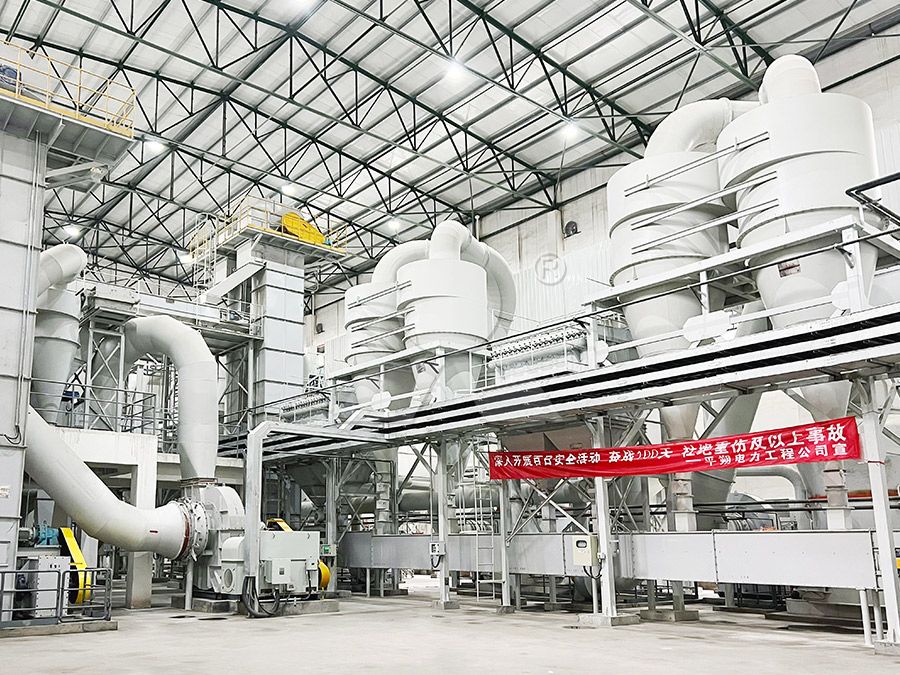
The Critical Role of Particle Size in Plastic Filler Performance
In plastic applications, particularly in film, pipes, profiles, and injection-molded parts, the particle size of calcium carbonate directly influences key outcomes. Coarse particles can act as stress concentrators, weakening the final product and causing surface defects. Conversely, ultra-fine particles (typically in the range of 5-20 microns, or d97 ≤ 10μm) disperse uniformly within the polymer matrix, creating a reinforcing effect. This enhances mechanical properties like tensile strength and impact resistance without compromising processability. Achieving this optimal particle size distribution consistently is the primary challenge, one that not all grinding systems are equipped to handle efficiently.
Navigating the Grinding Technology Landscape
Traditional grinding solutions like ball mills or basic Raymond mills often fall short for modern plastic filler production. They may struggle with achieving the necessary ultra-fine mesh sizes (consistently beyond 600 mesh), suffer from high energy consumption per ton, or introduce excessive iron contamination from mechanical wear—a critical issue that can yellow plastics or affect their aging properties.
Advanced grinding technologies have evolved to address these precise needs. Leading the charge are vertical roller mills and ultra-fine grinding mills, which employ principles of bed compression grinding and precise air classification. These systems offer a transformative combination of high efficiency, precise particle size cuts, and lower operational costs. For a Tunisian plant manager, investing in such technology is not merely an equipment purchase but a long-term strategic move to improve product quality and competitive edge.
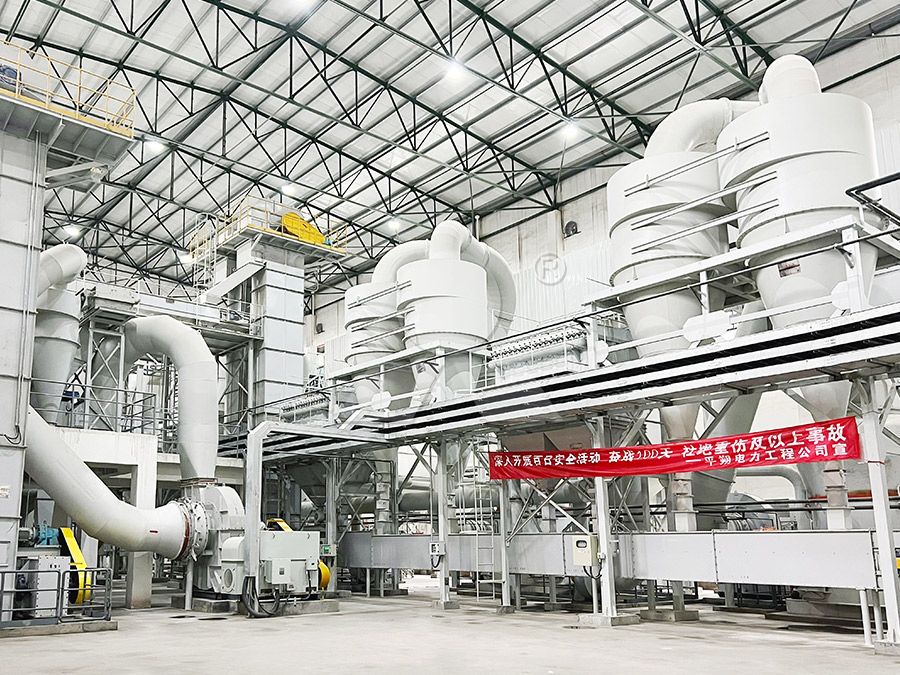
Tailored Solutions for Tunisian Market Requirements
When evaluating pulverizers for calcium carbonate in Tunisia, several region-specific factors must be considered. The availability of stable electrical power makes energy efficiency a major cost driver. Mills that can deliver higher yield per kilowatt-hour directly improve profitability. Furthermore, the often-harsh operating environment necessitates robust machine construction and designs that minimize maintenance complexity. Easy access to wear parts and reliable local technical support are non-negotiable for minimizing costly downtime.
Environmental compliance is also increasingly important. Modern mills must integrate effective dust collection and noise suppression systems to protect workers and meet local regulations, ensuring sustainable and community-friendly operations.
Recommended Technology: MW Ultrafine Grinding Mill
For operations focused on producing the highest quality calcium carbonate filler for plastics, the MW Ultrafine Grinding Mill presents an exceptional solution. This machine is engineered specifically for customers who need to make ultra-fine powder with superior consistency. Its design directly addresses the core challenges of filler production.
Key advantages for Tunisian processors include its Higher Yielding and Lower Energy Consumption. The newly designed grinding curves of the roller and ring enhance efficiency dramatically. Compared to jet mills or stirred mills at the same fineness and power, its production capacity can be up to 40% higher, while system energy consumption may be as low as 30% of that of a jet mill. This translates directly into lower operating costs.
Perhaps most crucially for plastic filler, it offers Adjustable Fineness Between 325-2500 meshes through an advanced German-technology cage-type powder selector. This allows precise control over the final product’s particle size distribution, enabling the production of d97≤5μm powder in a single pass—a specification highly valued in premium plastic compounds. The mill’s innovative design, with No Rolling Bearing & Screw in the Grinding Chamber, eliminates common failure points, enhancing reliability and reducing maintenance worries. Combined with its efficient pulse dust collector for eco-friendly operation, the MW Series is a robust, high-precision tool for building a superior filler supply chain.
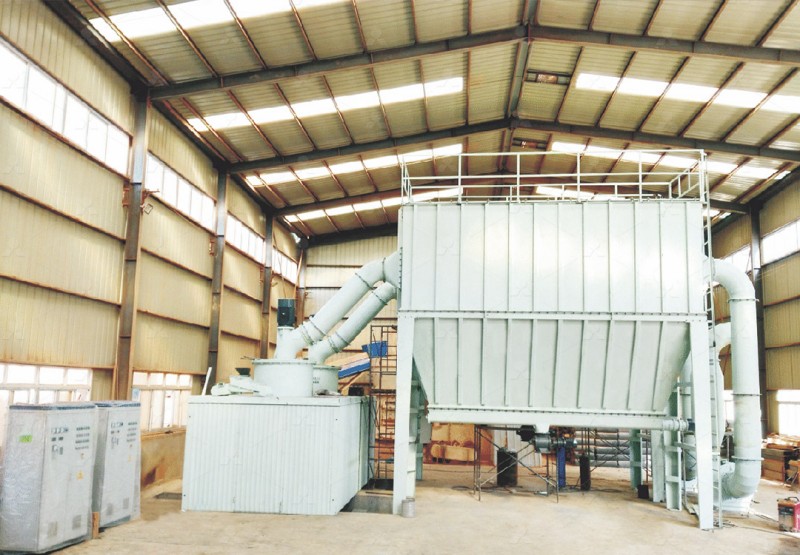
Complementary Solution: LUM Ultrafine Vertical Grinding Mill
For projects requiring large-scale production of superfine calcium carbonate with integrated drying capabilities, the LUM Ultrafine Vertical Grinding Mill is another formidable choice. It integrates grinding, grading, and transporting into a single, compact unit. Its unique roller shell and lining plate grinding curve are designed to generate a stable material layer, promoting efficient inter-particle comminution. This results in a high rate of finished product in a single pass, which improves the whiteness and cleanliness of the output—a vital characteristic for plastic fillers.
The LUM mill’s Double Position-Limiting Technology ensures exceptional operational stability, protecting the mill from disruptive vibrations. Its Reversible Structure is a maintenance breakthrough, allowing grinding rollers to be easily moved out of the body for inspection or part replacement, drastically reducing service time and associated losses. With energy consumption 30%-50% lower than common grinding mills, it represents a future-proof investment for high-volume producers in Tunisia.
Conclusion: Investing in Precision for Market Leadership
The choice of an industrial pulverizer is a defining factor in the success of a calcium carbonate filler operation serving Tunisia’s plastics industry. Moving beyond conventional milling to adopt advanced, ultra-fine grinding technology like the MW or LUM series is an investment in product quality, operational efficiency, and environmental stewardship. By prioritizing precision engineering, energy savings, and reliable performance, Tunisian manufacturers can secure a strong supply of high-value filler material, empowering the local plastics sector to produce higher-quality goods for both domestic and export markets. The right grinding partner provides not just a machine, but a foundation for growth and innovation.
Frequently Asked Questions (FAQs)
- What is the typical fineness range required for calcium carbonate used as a plastic filler?
For most high-performance applications in films, pipes, and injection molding, a fineness of d97 ≤ 10μm (approx. 1250 mesh) or finer is desirable. The MW Ultrafine Grinding Mill can reliably produce powder in the range of 325 to 2500 meshes, allowing precise tailoring for different polymer systems. - How does the energy consumption of the MW Mill compare to a traditional ball mill for this application?
The MW Mill is significantly more energy-efficient. Due to its advanced grinding mechanism and efficient classifier, it can achieve the same or finer fineness at a system energy consumption that is a fraction of that required by a traditional ball mill, leading to substantial cost savings over time. - Is iron contamination a concern with these mills, and how is it addressed?
Iron contamination is a critical concern as it can degrade plastic quality. Both the MW and LUM mills are designed to minimize mechanical wear and the resulting iron introduction. Their grinding chambers avoid direct metal-to-metal contact in critical areas, and the LUM mill’s design allows for easy removal of any heavy impurities that enter with the feed material. - Can these mills handle the moisture sometimes present in raw calcium carbonate?
While the MW Mill is primarily for grinding, the LUM Ultrafine Vertical Grinding Mill integrates a drying function. It can effectively handle materials with some moisture by using hot air introduced into the grinding chamber, making it suitable for a wider range of raw material conditions. - What kind of after-sales support and spare parts availability can be expected in Tunisia?
Reputable manufacturers operate with a global support network. They maintain sufficient stocks of original spare parts and offer remote technical services. It is advisable to confirm local agent support or regional warehouse availability for critical wear parts like grinding rings and rollers to ensure worry-free operation. - How important is the dust collection system for an industrial pulverizer?
It is paramount for operational safety, environmental compliance, and product yield. Both recommended mills come equipped with high-efficiency pulse jet dust collectors that ensure a clean working environment, recover valuable product, and allow the plant to meet strict Tunisian environmental standards. - What is the expected maintenance downtime for these advanced grinding mills?
Designed for reliability, these mills feature constructions that simplify maintenance. The absence of internal bearings and screws in the MW’s chamber and the reversible roller structure of the LUM mill drastically reduce the frequency and duration of maintenance shutdowns compared to older mill designs.