
Top 7 grinding machine suppliers for talc for ceramic tiles in brazil
Navigating the Brazilian Market: A Guide to Talc Grinding for Superior Ceramic Tiles
The Brazilian ceramic tile industry stands as a global powerhouse, renowned for its innovation, quality, and vibrant designs. At the heart of producing the flawless, smooth finishes and consistent material properties demanded by this sector lies a critical process: the ultrafine grinding of talc. Talc acts as a crucial functional filler and flux in tile bodies and glazes, enhancing plasticity during forming, reducing firing temperatures, and improving the final product’s mechanical strength and surface quality. However, achieving the precise particle size distribution (PSD) and high purity required is no simple feat. It demands grinding technology that balances raw material flexibility, energy efficiency, production capacity, and environmental compliance. For plant managers and procurement specialists across Brazil, selecting the right equipment partner is a strategic decision impacting both product quality and operational bottom line.
The Critical Role of Precision Grinding in Tile Manufacturing
Inconsistent or coarse talc powder can lead to a host of production issues, including increased porosity, warping during firing, and surface defects in the final tile. Therefore, the grinding mill is not just a piece of machinery; it’s a quality control gatekeeper. The ideal supplier for the Brazilian market must offer more than just hardware. They need to provide robust, reliable solutions capable of handling local talc variations, adapt to specific plant layouts and capacity needs (from small artisan operations to large-scale industrial lines), and ensure minimal downtime through accessible technical support and spare parts. The following analysis highlights key suppliers and technologies shaping the landscape, focusing on their applicability to talc processing for ceramics.
1. The Vertical Grinding Specialists
Leading the pack are manufacturers specializing in vertical roller mill (VRM) technology. These systems integrate drying, grinding, classification, and conveying into a single, compact footprint—a significant advantage for optimizing plant space. For processing talc, which often requires slight drying, VRMs are exceptionally efficient. Their ability to grind with a bed of material between rollers and table minimizes metal-to-metal contact, reducing wear and iron contamination, a paramount concern for maintaining the whiteness of talc-based bodies and glazes. Suppliers in this category typically offer mills with capacities ranging from modest 5 tph setups to large systems exceeding 100 tph, making them suitable for nearly any scale of Brazilian tile production.
2. Advanced Ultrafine Powder Engineers
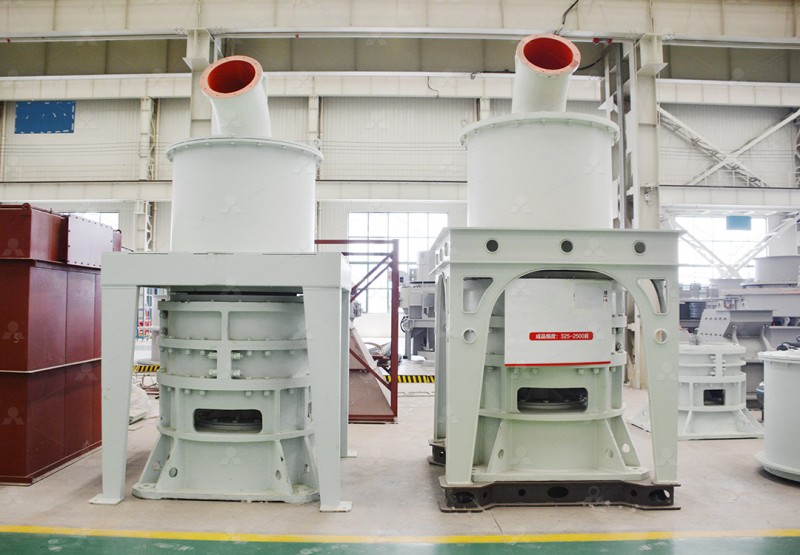
For producers focusing on high-value, specialty tiles or seeking the absolute finest talc powders (consistently below 10μm), suppliers of dedicated ultrafine grinding mills are indispensable. These mills, such as advanced ring roller mills or stirred media mills, are engineered for extreme fineness and tight PSD control. They often incorporate state-of-the-art, multi-head classifier technology that allows real-time adjustment of the product cut point. This is crucial for ceramic engineers who need to fine-tune talc’s behavior in a recipe. While sometimes having a lower single-line capacity than large VRMs, their precision is unmatched. A standout example in this niche is the MW Ultrafine Grinding Mill. Designed for customers requiring ultra-fine powder, it excels in talc processing with an adjustable fineness between 325-2500 meshes. Its innovative design eliminates rolling bearings and screws in the grinding chamber, drastically reducing maintenance worries and the risk of mechanical contamination. Furthermore, its higher yield and lower energy consumption—reportedly 40% higher output than jet mills with only 30% of the system energy consumption—make it a compelling, cost-effective solution for Brazilian tile manufacturers aiming for premium product quality without prohibitive operating costs.
3. The European Trapezium Mill Providers
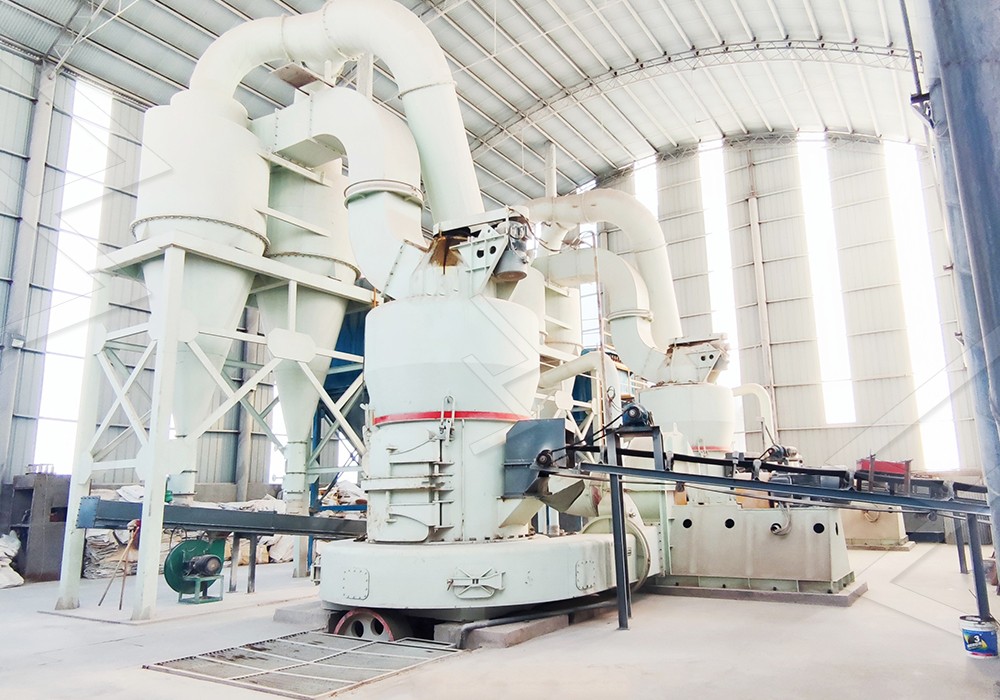
Renowned for reliability and continuous evolution, suppliers of the European-style trapezium grinding mills hold a strong position. This technology is a workhorse for medium to fine grinding of non-metallic minerals like talc. Modern iterations feature intelligent lubrication systems, curved air ducts for reduced energy loss, and wear-resistant alloy rollers and rings. Their strength lies in robust construction, stable operation over long periods, and relatively straightforward maintenance. For Brazilian tile plants with consistent, high-volume talc grinding needs where extreme ultrafineness is not the primary goal, these mills offer an excellent balance of performance, durability, and total cost of ownership.
4. The Vertical Roller Mill Innovators for Slag & Coal (With Talc Adaptability)
Some suppliers have built their reputation on vertical mills designed initially for slag or coal grinding. However, the core principles of these mills—efficient bed grinding, integrated drying, and low wear—translate very effectively to talc processing. These mills often boast incredibly robust construction and simple, reliable operating principles. Their key advantage for some Brazilian applications might be their exceptional durability and ability to handle slightly moist feed without pre-drying systems. When evaluating these suppliers, it’s essential to verify their specific experience and reference projects in talc and similar soft mineral applications to ensure optimal classifier and grinding curve configuration.
5. Traditional Ball Mill Manufacturers with Modern Upgrades
While newer technologies often offer efficiency benefits, well-established suppliers of ball mills remain relevant, especially for certain integrated plant designs or for grinding talc alongside other raw materials in a combined process. Modern ball mills are not the energy-intensive units of the past; they now come with high-efficiency drives, advanced lining materials, and sophisticated control systems. For some ceramic tile producers, particularly those with existing ball mill circuits or who require a certain particle shape characteristic, these suppliers provide proven, predictable technology. Their widespread use also means local technical expertise for maintenance is often readily available across Brazil.
6. The Comprehensive Plant Solution Partners
Beyond just selling a grinding mill, some suppliers differentiate themselves by offering complete system engineering. They design and supply the entire circuit: from crushers and feed systems to the mill, classifier, product collection cyclones, baghouse filters, silos, and pneumatic conveying. For a Brazilian tile company building a new production line or undertaking a major expansion, this single-point responsibility can streamline project management, ensure system compatibility, and simplify after-sales support. These partners often have strong process engineering teams that can optimize the entire grinding circuit for the specific talc deposit being used.
7. The High-Precision, Technology-Focused New Entrants
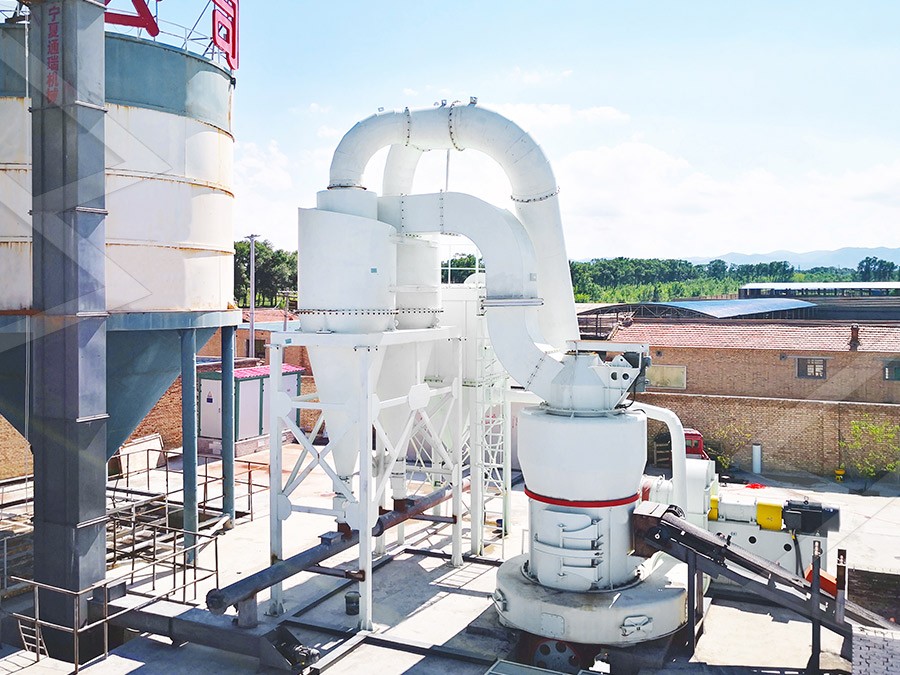
The market also sees suppliers who focus on cutting-edge, often modular, grinding systems. They may leverage proprietary classifier technology, novel grinding mechanics, or exceptional automation and data-logging capabilities. For innovative Brazilian tile manufacturers investing in Industry 4.0 and seeking ultimate process control and consistency, these technology leaders offer compelling solutions. Their equipment might allow for digital tweaking of fineness based on real-time glaze batch data or provide predictive maintenance analytics to prevent unplanned stops. Evaluating these suppliers involves a close look at the long-term support network and part availability within South America.
Making the Strategic Choice for Your Operation
Selecting among these supplier types requires a clear assessment of your plant’s specific needs: desired talc fineness (D97 target), required hourly capacity, moisture content of feed material, available footprint, electrical power costs, and long-term maintenance strategy. For operations where space is at a premium and energy efficiency is a top priority, vertical mills from established international suppliers are often the default choice. For those pushing the boundaries of ultrafine talc for specialty applications, technology like the LUM Ultrafine Vertical Grinding Mill presents a formidable option. The LUM mill integrates the latest grinding roller and powder separating technology, offering higher yielding rates and better product quality. Its reversible structure allows the grinding roller to be easily moved out for maintenance, and the double position-limiting technology ensures remarkable operational stability—key factors for maintaining continuous production in a busy tile factory. Ultimately, the best supplier is one whose technology aligns with your technical requirements and whose commitment to local support in Brazil ensures your grinding operations contribute reliably to producing the world-class ceramic tiles the country is known for.
Frequently Asked Questions (FAQs)
- What is the most important specification to look for in a talc grinding mill for ceramic tiles?
Beyond capacity, the key specification is the ability to consistently achieve a target particle size distribution (PSD), often measured as D97 or D50. A narrow PSD ensures uniform behavior in the tile body. Also, low iron contamination is critical to preserve whiteness. - How significant is energy consumption when comparing different grinding technologies?
Extremely significant. Grinding can be a major cost center. Vertical roller mills and advanced ultrafine mills typically offer 30-50% energy savings over traditional ball mills for similar fineness, dramatically impacting operational expenses. - We have variable moisture in our talc supply. Can one mill handle this?
Yes, but you must specify this requirement. Vertical roller mills (VRMs) and some trapezium mills have integrated drying capabilities using hot air, making them ideal for materials with moisture content typically up to 10-15%. - What are the main maintenance concerns with these mills?
Primary wear parts are grinding rollers/tires and tables/rings. Suppliers offering long-life wear materials, easy access for replacement, and local spare parts inventory are crucial. Also, consider maintenance of classifiers and dust collection systems. - Is “over-grinding” talc a concern, and how is it prevented?
Yes, over-grinding can increase surface energy, affect rheology, and waste energy. Modern mills with efficient, high-precision internal classifiers (like cage-type or rotor-type) quickly remove fine product from the grinding zone, minimizing over-grinding. - How do I ensure the mill will work with my specific Brazilian talc deposit?
Reputable suppliers should offer or arrange for grinding tests using a sample of your actual talc. This test determines grindability, energy use, wear rates, and final product characteristics, providing essential data for mill sizing and configuration. - What level of automation is standard?
Most modern mills offer PLC-based control systems allowing automatic start/stop sequences, monitoring of key parameters (pressure, temperature, motor load), and sometimes remote monitoring. The level can often be customized based on your plant’s needs.