
Using industrial pulverizer for carbon black for battery electrodes in mexico
Unlocking Mexico’s Potential in Advanced Battery Manufacturing
As Mexico positions itself as a key player in the North American electric vehicle (EV) and renewable energy storage supply chain, the demand for high-performance battery components is surging. At the heart of this technological shift lies a critical, yet often overlooked, process: the ultrafine grinding of carbon black. This conductive additive is indispensable for lithium-ion battery electrodes, enhancing conductivity and structural integrity. The efficiency and precision of the pulverization process directly influence battery capacity, charge cycles, and overall performance. For Mexican manufacturers aiming to compete globally, selecting the right industrial grinding technology is not just an operational decision—it’s a strategic one.
The Carbon Black Challenge: Precision, Purity, and Consistency
Carbon black for battery applications is not merely about reducing particle size; it’s about achieving a specific, tightly controlled particle size distribution (PSD). Agglomerates must be broken down to their primary particle structure (typically aiming for a d97 ≤ 5μm or finer) to create an optimal conductive network within the electrode slurry. Inconsistent or coarse particles lead to “dead zones,” reducing energy density and causing uneven current distribution. Furthermore, the grinding process must be contaminant-free. Metallic wear from the mill’s internal components can introduce iron or other impurities, which are catastrophic for battery chemistry, leading to self-discharge, gassing, and potential thermal runaway.
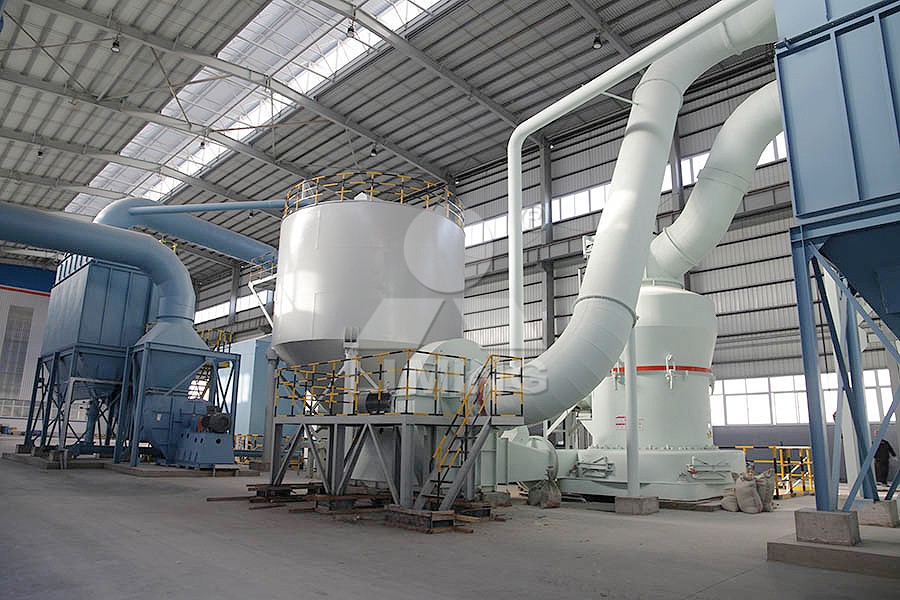
Traditional grinding methods, such as ball mills, often fall short. They can be energy-intensive, generate excessive heat (which can alter carbon structure), and pose significant risks of contamination from grinding media wear. This is where advanced, purpose-built pulverizer technology becomes a game-changer for Mexican facilities.
Engineering Excellence for Electrode-Grade Powder
The ideal mill for battery-grade carbon black must excel in three areas: ultra-fine grinding capability, impeccable cleanliness, and operational economy. It must transform feedstock with an input size of 0-20 mm into a perfectly calibrated powder at capacities matching industrial-scale production, typically between 0.5 and 25 tons per hour.
For this specific application, our MW Ultrafine Grinding Mill stands out as a premier solution. Engineered for customers who need to make ultra-fine powder, its design directly addresses the pain points of battery material production. A key feature is the absence of rolling bearings and screws inside the grinding chamber. This innovative design eliminates a primary source of metallic contamination, ensuring the iron content in the processed carbon black remains exceptionally low—a non-negotiable requirement for battery manufacturers. The external lubrication system allows for maintenance without shutdowns, supporting the continuous 24/7 production cycles that modern battery gigafactories demand.
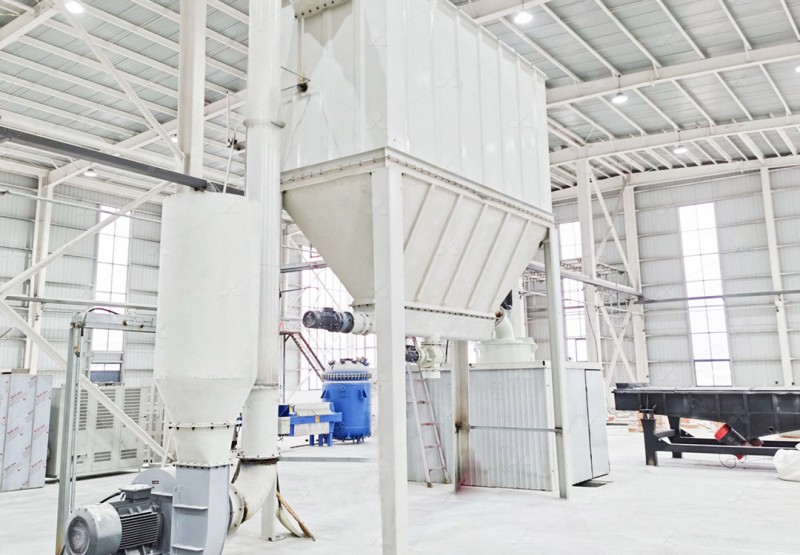
Furthermore, the MW Mill incorporates a German-technology, cage-type powder selector that enables precise fineness adjustment between 325 and 2500 meshes. For carbon black, this means operators can dial in the exact PSD required for different cathode or anode formulations. The system achieves a high screening rate of d97≤5μm in a single pass, ensuring uniformity. Coupled with its higher yield and 40% greater production capacity compared to jet mills at the same power, the MW Mill offers a compelling blend of precision and productivity.
Sustainability and Operational Integrity in the Mexican Context
Mexico’s evolving environmental regulations and the global push for green manufacturing make the ancillary features of modern pulverizers critically important. The MW Ultrafine Grinding Mill is equipped with an efficient pulse dust collector and muffler, ensuring the entire milling process generates no dust pollution and operates at low noise levels. This fully enclosed, negative-pressure system keeps the workspace clean and aligns with stringent national and international environmental protection standards, facilitating smoother compliance for plants in states like Nuevo León, Coahuila, or Jalisco.
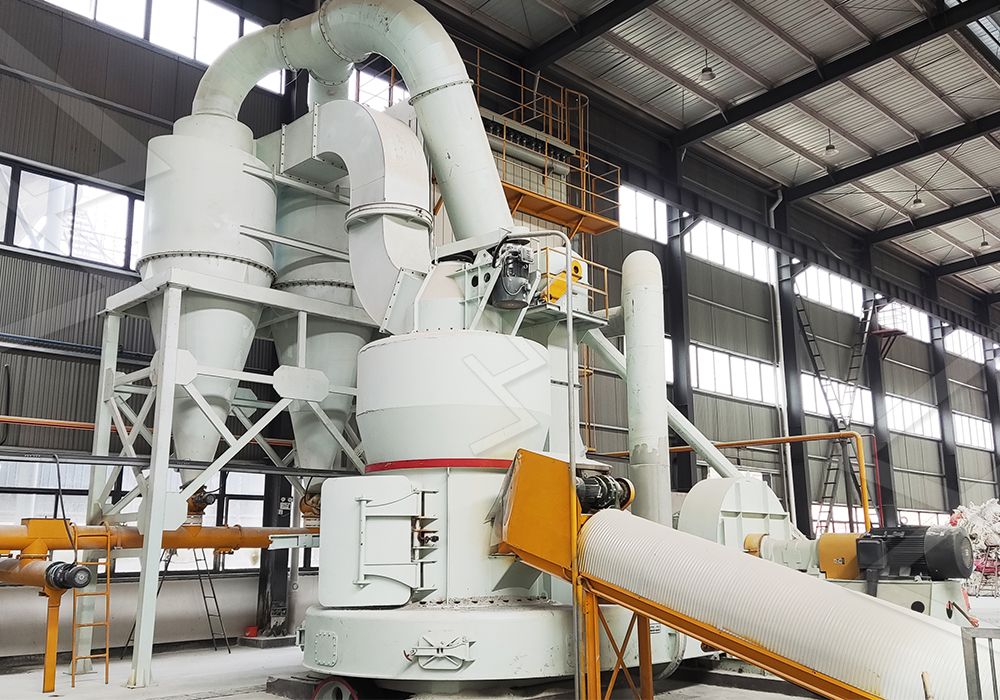
When considering higher-volume processing lines or applications involving other mineral precursors, our LUM Ultrafine Vertical Grinding Mill presents another robust option. Integrating the latest grinding roller and powder separating technology, the LUM mill is designed for high yield and superior product quality. Its reversible structure, facilitated by a hydraulic system, allows grinding rollers to be easily moved out of the body for quick inspection and part replacement. This drastically reduces downtime—a crucial factor in minimizing production losses. The double position-limiting technology also guarantees operational stability, preventing mechanical shock and ensuring consistent grind quality batch after batch.
A Foundation for a Competitive Future
Investing in advanced pulverization technology like the MW or LUM mills is an investment in the foundational quality of Mexico’s battery ecosystem. It moves beyond basic processing to precision powder engineering. By guaranteeing the purity, fineness, and consistency of conductive additives, Mexican manufacturers can produce electrodes that meet or exceed international benchmarks. This technical capability, combined with digitalized processing for high precision and comprehensive after-sales support with original spare parts, provides the operational confidence needed for long-term, worry-free production.
The path to establishing a resilient and technologically advanced battery supply chain in Mexico is complex. It begins with mastering fundamental processes like the ultrafine grinding of critical materials. By deploying industrial pulverizers that are designed for the exacting standards of the electrochemistry industry, Mexican companies can secure a vital competitive edge, turning raw carbon black into the conductive lifeblood of the next generation of energy storage.
Frequently Asked Questions (FAQs)
- What is the most critical specification when choosing a mill for battery-grade carbon black?
Beyond capacity, the key specifications are the achievable fineness (aim for d97 ≤ 5μm) and the guarantee of low iron contamination. The mill’s internal design must prevent metallic wear from contacting the product. - Can the same mill process other battery raw materials, like graphite or cathode precursors?
Yes, advanced mills like the MW or LUM series are versatile and can process a range of non-metallic minerals. However, the process parameters (pressure, speed, classifier setting) must be carefully adjusted for each material’s hardness and abrasiveness. - How significant is energy consumption in the pulverization process for overall plant costs?
It is a major operational cost driver. Technologies that offer higher yield with lower specific energy consumption (e.g., 30-50% savings vs. traditional mills) directly improve the cost-competitiveness of the final battery component. - What kind of maintenance footprint should we expect with these advanced mills?
Designs with external lubrication and reversible roller systems significantly reduce routine maintenance complexity and time. Look for features that allow part inspection and replacement without major disassembly to minimize downtime. - How does the mill handle the need for different fineness levels for various battery formulations?
Modern mills use advanced, adjustable powder separators (like cage-type classifiers). By changing the rotor speed or selector configuration, the fineness can be precisely adjusted without stopping production, offering great flexibility. - Are these milling systems suitable for the humidity levels sometimes present in Mexican coastal regions?
Yes, integrated drying capabilities can be addressed. While the basic process is for dry grinding, system design can incorporate hot air intake to handle feed materials with slight moisture, ensuring consistent grinding efficiency. - What is the typical lead time for installing and commissioning such a milling system in Mexico?
Lead times vary based on model and customization. Working with a supplier that has a strong local technical support network is crucial for timely installation, commissioning, and ongoing operational training.