
How to optimize talc processing with raymond mill for paint filler in colombia
How to Optimize Talc Processing with Raymond Mill for Paint Filler in Colombia
The Colombian paint and coatings industry is experiencing robust growth, driven by construction, automotive, and industrial manufacturing sectors. A critical component in high-quality paint formulations is the filler, with talc being a preferred mineral due to its ability to improve durability, sheen control, and corrosion resistance. However, achieving the precise particle size distribution, brightness, and chemical purity required for premium paints demands optimized milling technology. While traditional Raymond mills have been a staple, modern processing challenges call for advanced solutions to enhance yield, energy efficiency, and final product quality.
The Critical Role of Talc in Paint Formulations
In paint manufacturing, talc acts as more than just a volume extender. Its platy, lamellar structure improves the barrier properties of the coating, enhancing resistance to moisture and corrosion. It controls gloss, prevents sagging, and improves sandability in primers. For these functional benefits to be fully realized, the talc must be ground to a consistent, ultra-fine powder, typically ranging from 325 to 1250 meshes. The grinding process must also preserve the mineral’s natural whiteness and avoid metallic contamination, which can lead to discoloration or reduced performance.
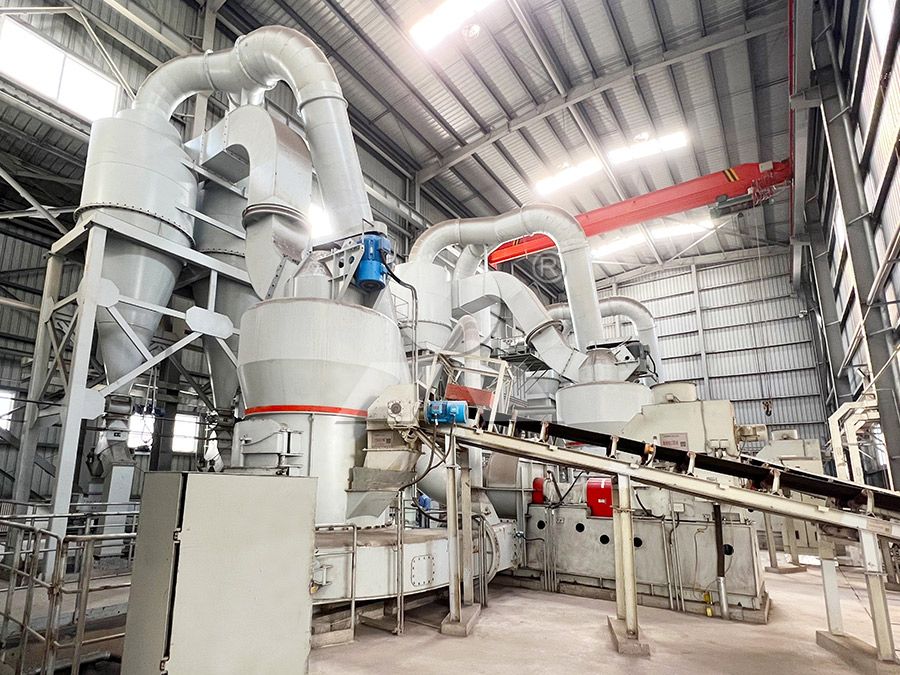
Limitations of Conventional Raymond Mills in Modern Processing
Classic Raymond mill designs, while reliable, can present challenges for high-end filler production. Key issues include relatively higher energy consumption per ton, limited ability to achieve ultra-fine finishes without significant capacity loss, and potential for increased iron contamination from mechanical wear of grinding elements. Furthermore, dust control and noise levels may not meet the stringent environmental and workplace standards increasingly adopted by Colombian industries. These factors directly impact production costs, product consistency, and operational sustainability.
Advanced Milling Solutions for Superior Talc Filler
To overcome these limitations, the industry is moving towards next-generation grinding systems that build upon the Raymond mill principle while integrating cutting-edge technology. The focus is on mills that offer higher efficiency, precise particle classification, and cleaner operation.
For producers seeking to upgrade their talc processing for paint fillers, the MW Ultrafine Grinding Mill presents a compelling solution. Specifically engineered for ultra-fine powder production, it addresses the core needs of the modern paint industry. Its newly designed grinding curves for the roller and ring enhance grinding efficiency significantly. Compared to traditional jet mills or ball mills, the MW Mill can increase production capacity by up to 40% while reducing system energy consumption by approximately 70%. This translates directly to lower operating costs for Colombian processors.
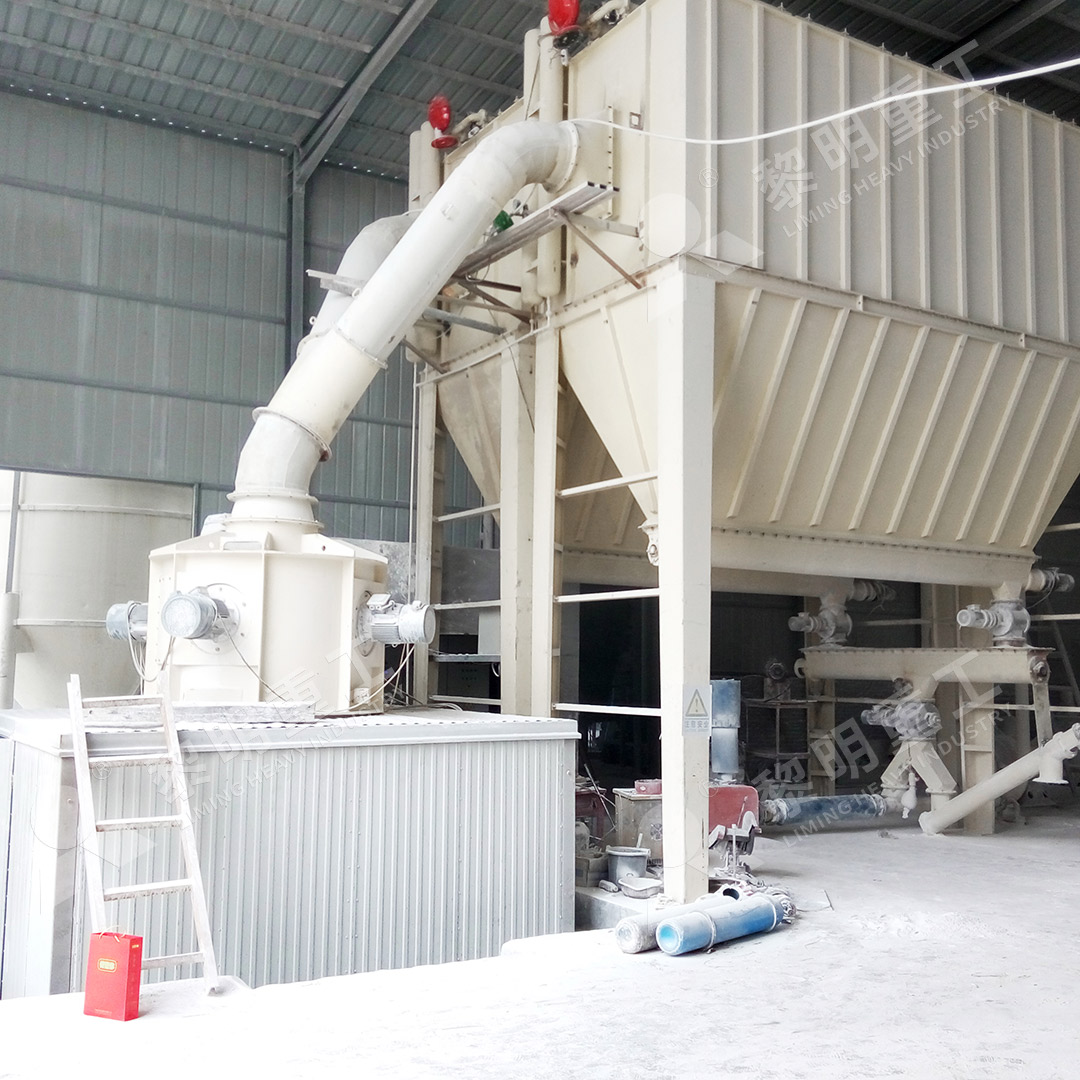
A standout feature for paint-grade talc is its adjustable fineness range of 325-2500 meshes, achieved through a German-technology cage-type powder selector. This ensures a precise and consistent particle cut (d97 ≤5μm), which is crucial for achieving uniform paint texture and performance. Importantly, the grinding chamber contains no rolling bearings or screws, eliminating major sources of failure and metallic contamination—a critical factor for maintaining the whiteness of talc. Coupled with an efficient pulse dust collector and muffler, the MW Mill operates as a clean, environmentally friendly system, aligning with Colombia’s green manufacturing goals.
Strategic Integration for the Colombian Market
Implementing an optimized talc processing line in Colombia involves more than just selecting the right mill. A holistic approach considers the entire chain, from raw material feed (0-20mm for the MW Mill) to final packaging. Proper drying of talc feedstock is essential before milling to prevent clogging and ensure efficient grinding. Integrating advanced control systems allows operators to fine-tune parameters like grinding pressure and classifier speed in real-time, adapting to variations in raw talc quality from different Colombian deposits.
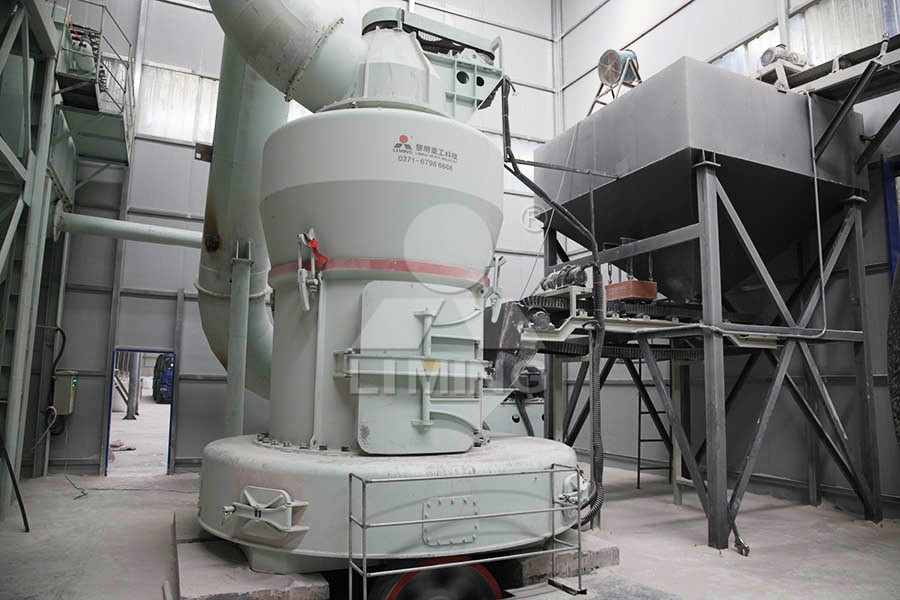
For larger-scale operations or those requiring integrated drying of slightly moist materials, the LUM Ultrafine Vertical Grinding Mill is another excellent option. It combines grinding, drying, and classifying in a single unit. Its unique roller shell design promotes stable material bed formation, yielding high whiteness and cleanliness—key for premium paint fillers. The reversible structure allows for easier maintenance of grinding components, minimizing downtime, which is vital for maintaining supply chains to Colombia’s dynamic paint manufacturers.
Conclusion: Building a Competitive Edge
The quality of the talc filler is a direct contributor to the performance and marketability of paint produced in Colombia. By transitioning from basic Raymond mills to advanced systems like the MW Ultrafine Grinding Mill or the LUM Vertical Mill, processors can achieve a decisive competitive advantage. Benefits include superior product quality with consistent fineness and high brightness, significantly lower energy and maintenance costs, and a cleaner, more sustainable production profile. Investing in such technology is an investment in the future, enabling Colombian talc processors to meet both domestic and international demand for high-performance paint materials.
Frequently Asked Questions (FAQs)
- What is the typical feed size for talc into the MW Ultrafine Grinding Mill?
The MW Mill is designed to handle a feed size of 0-20 mm, which is suitable for pre-crushed talc ore directly from the mining and primary crushing stage. - How does the MW Mill ensure low iron contamination in the final talc powder?
The grinding chamber is designed without rolling bearings or screws near the grinding zone. The lubrication points are external, virtually eliminating the risk of grease or metallic wear debris contaminating the product, preserving talc’s natural whiteness. - Can the fineness of the talc powder be adjusted quickly for different paint grades?
Yes. The multi-head cage-type powder selector allows for quick and precise adjustment of the final product fineness anywhere between 325 and 2500 meshes by changing the selector’s speed, enabling flexible production scheduling. - What capacity range can be expected when grinding talc for paint filler?
The MW Ultrafine Grinding Mill offers a capacity range of approximately 0.5 to 25 tons per hour, depending on the desired final fineness and the hardness of the specific talc deposit. - Is the system suitable for Colombia’s environmental regulations?
Absolutely. The mill is equipped with an efficient pulse dust collector that ensures no dust pollution. A silencer and noise reduction measures are also integrated, making the entire system compliant with strict environmental and workplace standards. - How does the energy consumption compare to a traditional ball mill for talc grinding?
The MW Mill’s system energy consumption is dramatically lower. It is reported to use only about 30% of the energy consumed by a jet mill and is roughly twice as efficient as a traditional ball mill for producing the same fineness of talc powder. - What kind of after-sales support is available for installations in Colombia?
The manufacturer provides comprehensive technical services and guarantees the supply of original spare parts to ensure worry-free, long-term operation, minimizing potential disruptions to your production line.