베트남 의약품 부형제용 탄산칼슘 산업용 분쇄기

Industrial Pulverizer for Calcium Carbonate for Pharmaceutical Excipient in Vietnam

Vietnam’s pharmaceutical sector is expanding rapidly, driven by a growing population and increasing healthcare demands. As a key raw material, calcium carbonate used as a pharmaceutical excipient must meet stringent standards for purity, 입자 크기 분포, 그리고 일관성. The choice of an industrial pulverizer directly impacts the quality of the final excipient, influencing tablet hardness, flowability, and dissolution rates. This article provides a technical overview of selecting and operating a grinding mill for this critical application, with specific recommendations for equipment capable of achieving the required ultrafine specifications.

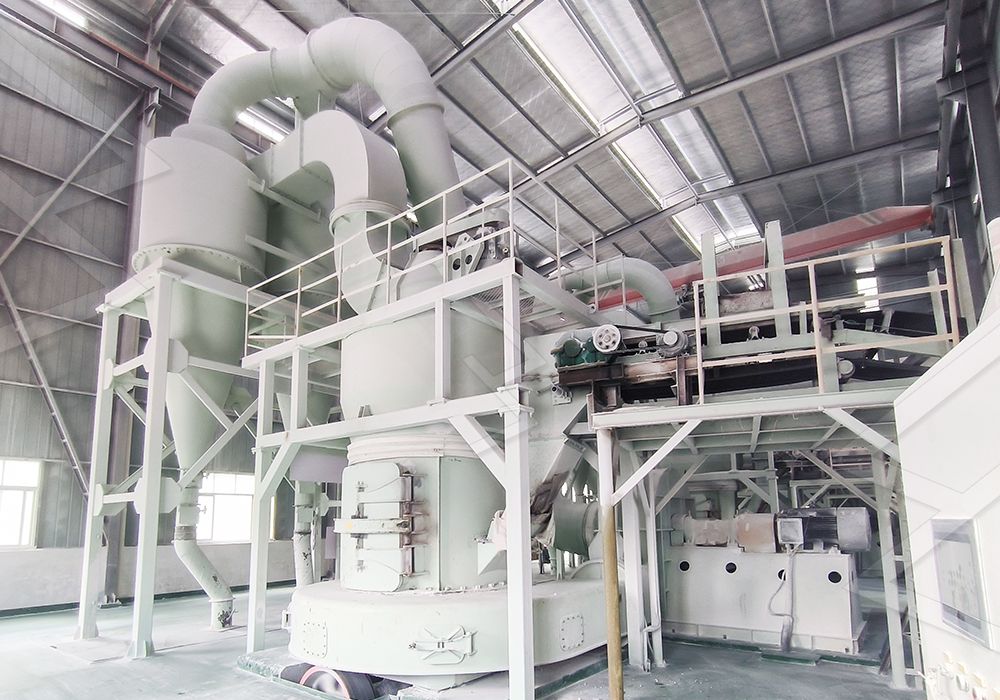
High-purity calcium carbonate powder for pharmaceutical excipient application, produced by an industrial pulverizer

Understanding the Requirements for Pharmaceutical Grade Calcium Carbonate

Pharmaceutical excipients are not simply fillers. Calcium carbonate serves as a diluent, a buffering agent, and sometimes as a calcium supplement. The Vietnamese market, regulated by the Ministry of Health (MOH), demands that excipients comply with pharmacopoeial standards such as USP, EP, or JP. 주요 매개변수는 다음과 같습니다:

  • 입자 크기: 일반적으로, D50 less than 10 microns and D90 less than 20 미크론. For direct compression formulations, a finer powder (D97 less than 5 미크론) is often required.
  • 청정: Heavy metal content, especially lead and arsenic, must be extremely low. The grinding process must not introduce contaminants from mechanical wear.
  • 일관성: Batch-to-batch uniformity is non-negotiable. The pulverizer must provide stable operation over long production runs.
  • 위생: The equipment must be easy to clean, with a closed system to prevent cross-contamination and environmental dust.

Critical Features of a Pharmaceutical Calcium Carbonate Pulverizer

Selecting the right machine goes beyond simply looking at capacity. For a Vietnamese manufacturer, factors such as energy cost, 유지보수 가동 중단 시간, and compliance with local environmental regulations (예를 들어, QCVN 19:2009/BTNMT for dust emissions) 결정적이다.

1. Dust Containment and Noise Control

Fine calcium carbonate dust is a health hazard and a production loss. A modern pulverizer must be fully integrated with a high-efficiency pulse dust collector. The system should operate under negative pressure to prevent any fugitive emissions. The equipment offered by LIMING, 예를 들어, is designed with silencers and noise elimination rooms, ensuring compliance with Vietnamese workplace safety standards.

2. Wear Resistance and Product Purity

One of the biggest challenges in grinding calcium carbonate is the wear on grinding elements. Traditional mills with screws and bearings inside the grinding chamber can introduce metal fragments into the product. Advanced designs, 와 같은 MW 초미세 분쇄기, eliminate rolling bearings and screws in the grinding chamber. 이 디자인, combined with a wear-resistant alloy for rollers and rings, ensures that the final powder is free from metallic contamination, a critical requirement for pharmaceutical excipients.

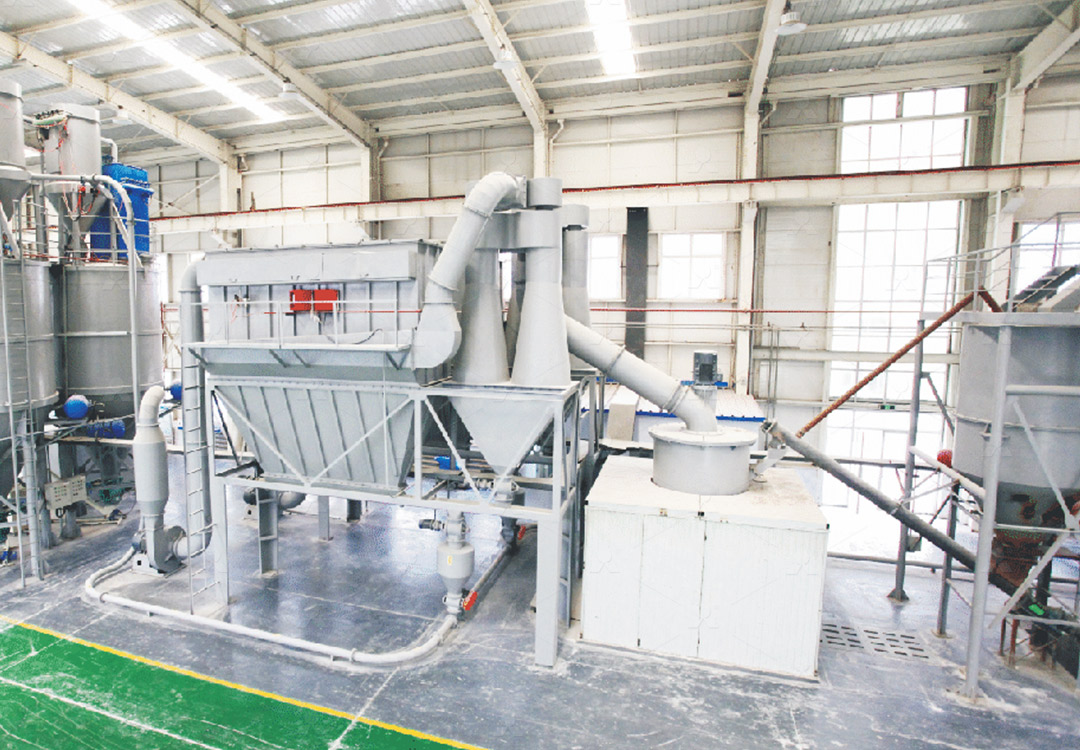
MW Ultrafine Grinding Mill installed in a pharmaceutical excipient production line, featuring a closed-loop dust collection system

3. Precision and Adjustability of Fineness

Different pharmaceutical formulations require different particle sizes. The pulverizer must offer fine adjustment of the classifier. 그만큼 MW 초미세 분쇄기 utilizes a German-designed cage-type powder selector, allowing precise control of fineness between 325 그리고 2500 망사. This ensures that the mill can produce D97 less than or equal to 5 단일 패스의 미크론, directly meeting the most stringent excipient requirements without the need for secondary classification.

Recommended Equipment for the Vietnamese Market

Based on the specific demands of calcium carbonate grinding for pharmaceutical excipients in Vietnam, we recommend the following machine from LIMING Heavy Industry:

MW 초미세 분쇄기

This is the ideal solution for producers requiring high purity and ultrafine powders.

  • 입력 크기: 0-20 mm
  • 용량: 0.5-25 tph (suitable for pilot plants to large-scale production)
  • 주요 장점: No bearings in the grinding chamber eliminates contamination risk. 40% 제트밀보다 더 높은 용량 30% 에너지 소비의.
  • 훌륭함: 325-2500 망사, with D97≤5μm achievable.

For larger production capacities exceeding 10 tph, 그만큼 LUM 초미세 수직 연삭기 is also an excellent choice. 연삭을 통합합니다., 등급, 그리고 건조, offering a compact footprint and energy savings of 30-50% 기존 볼밀에 비해. 하지만, for pharmaceutical applications where maximum purity and fine particle control are paramount, the MW series remains the top recommendation.

Operational Considerations for Grinding Calcium Carbonate in Vietnam

Vietnam’s tropical climate with high humidity can affect the grinding process. Moisture in the feed material can cause clogging and reduce grinding efficiency. MTW-Z 유럽 사다리꼴 밀, with its large-diameter rollers and cambered air duct, offers high drying capacity and stable operation under such conditions. For pharmaceutical excipients, it is crucial to pre-dry the calcium carbonate to a moisture content below 0.5% before feeding it into the pulverizer.

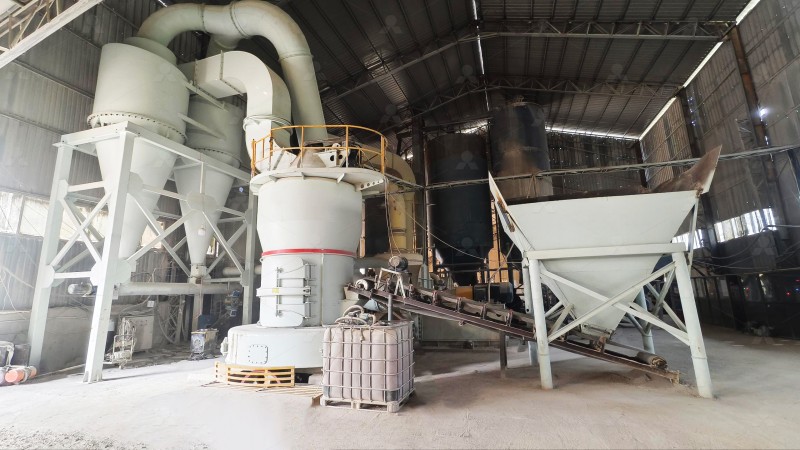
Pharmaceutical excipient production line in Vietnam using LIMING industrial pulverizer for calcium carbonate grinding

After-Sales Support and Spare Parts

Long-term operational success depends on reliable after-sales support. LIMING operates a global service network, including within Southeast Asia. Our machines are backed by a sufficient supply of original spare parts. MW 초미세 분쇄기용, the lubricating device is installed outside the main shaft, allowing for external lubrication without shutdown, enabling 24-hour continuous production—a critical factor for meeting high-volume orders in the competitive Vietnamese market. Our digitalized manufacturing process ensures that replacement parts meet exact OEM specifications, 걱정 없는 작동 보장.

결론

Selecting the right industrial pulverizer is a strategic decision for any Vietnamese calcium carbonate processor aiming to enter the pharmaceutical excipient market. The focus must be on equipment that guarantees purity, 정도, 생산성. 그만큼 MW 초미세 분쇄기 stands out as the best-in-class solution, offering the necessary fineness (325-2500 망사), 오염 없는 작동, 낮은 에너지 소비. 그러한 기술에 투자함으로써, manufacturers can ensure full compliance with pharmacopoeial standards and gain a competitive edge in the high-value pharmaceutical sector.

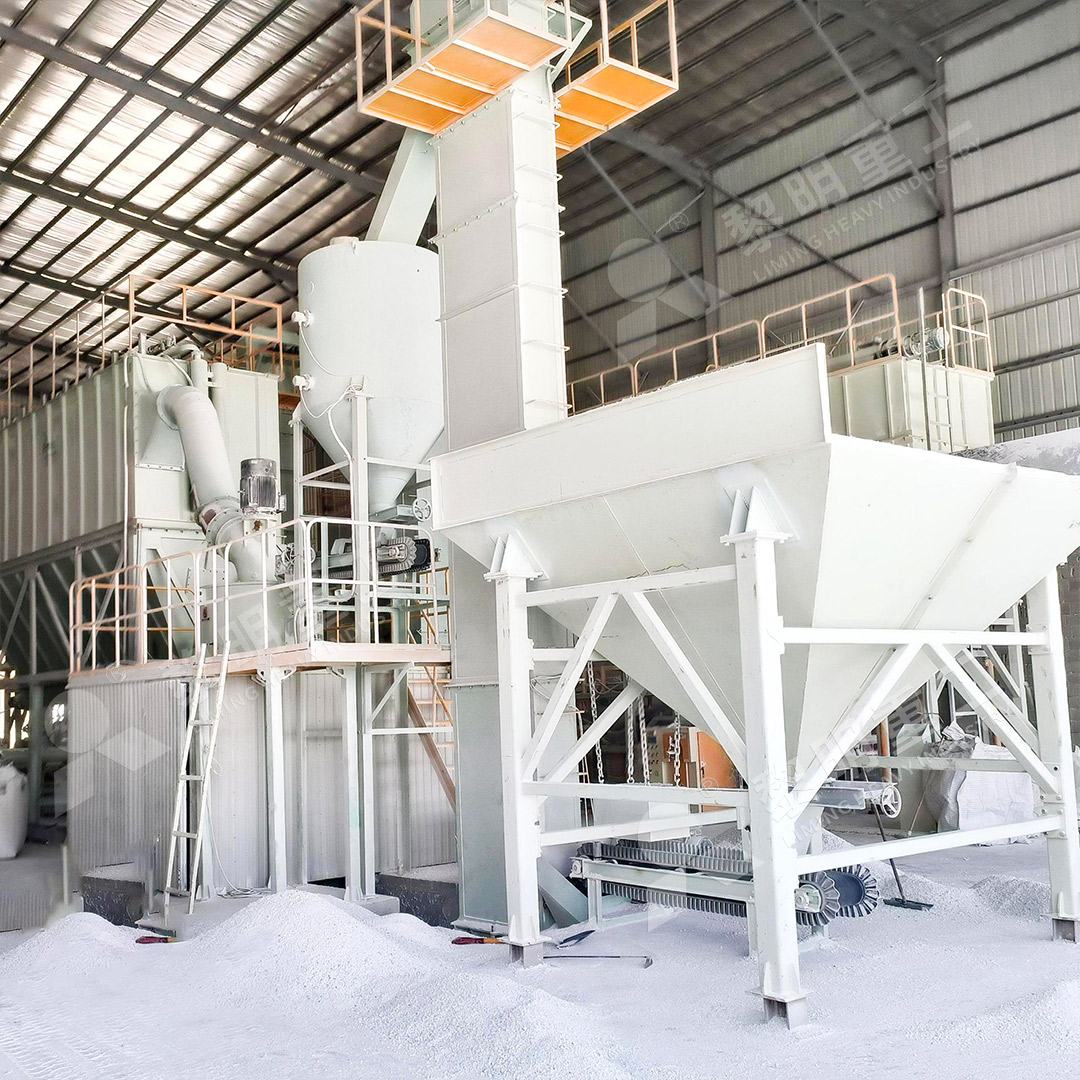
Technical diagram showing the internal structure of the MW Ultrafine Grinding Mill with no rolling bearings in the grinding chamber

FAQ: Calcium Carbonate Grinding for Pharmaceutical Excipients

1. Can the MW Ultrafine Grinding Mill handle calcium carbonate with high moisture content from Vietnam’s rainy season?

While the mill can handle some moisture, we recommend pre-drying the material to below 0.5% for optimal results. The mill’s blower system helps remove residual moisture, but the feed should not be wet. 더 높은 수분을 위해, consider using the LUM series which has stronger drying capabilities.

2. What is the typical maintenance interval for the grinding rollers in the MW mill?

For grinding pharmaceutical grade calcium carbonate (98% CaCO3, 모스 경도 3), the grinding rollers and rings typically last between 6 에게 12 몇 달 동안 계속 작동 중. LIMING provides wear-resistant alloy parts that last 1.7-2.5 표준 고망간강 부품보다 몇 배 더 길다.

3. How do you ensure that no metal contamination enters the pharmaceutical excipient?

The MW Ultrafine Grinding Mill is designed with zero rolling bearings or screws inside the grinding chamber. The grinding rollers and rings are made of high-chrome wear-resistant alloy. This design eliminates typical sources of metal fragments. 추가적으로, we recommend installing a magnetic separator or metal detector on the feed conveyor as a safety measure.

4. What is the power consumption per ton for producing D97 less than 10 micron calcium carbonate?

The system energy consumption is approximately 30% 제트밀의 것. For producing D97 less than 10 미크론, the typical power consumption is around 40-60 톤당 kWh, 사료 크기와 경도에 따라. This makes the MW mill one of the most energy-efficient solutions for ultrafine grinding.

5. Can the same machine be used for both pharmaceutical grade and industrial grade calcium carbonate?

예, but we strongly advise against it due to the risk of cross-contamination. 의약품 부형제 생산용, the machine should be dedicated solely to that application. If switching is unavoidable, a complete cleaning of the entire system—including the classifier, 파이프, and dust collector—is mandatory. The reversible structure of the LUM mill makes cleaning and inspection easier.

6. What is the typical delivery time for a complete MW grinding system to a factory in Ho Chi Minh City?

Standard delivery time for a complete system (including mill, 공급기, 그리고 집진기) is 45-60 주문 확인일로부터 일. We have a regional stock of common spare parts in Southeast Asia to accelerate delivery for urgent orders.

7. How does the MW mill handle the high ambient temperatures in Vietnamese factories?

The mill is designed to operate in ambient temperatures up to 45°C. The external lubrication system and forced air cooling keep the main bearing temperatures within safe limits. We also recommend ensuring adequate ventilation around the mill base to dissipate heat from the motor and reducer.

8. What is the maximum production capacity for a single MW-250 unit grinding calcium carbonate to 1250 망사 (D97 less than 10 미크론)?

Based on our testing data, the MW-250 model can produce approximately 5-8 tph when grinding to 1250 망사 (D97 less than 10 미크론). The capacity reduces as fineness increases. Please provide your specific target D97 and D100 values for a precise capacity quotation.

9. Do you provide training for Vietnamese operators on the PLC control system?

예, we provide on-site training at the factory in Vietnam for up to 5 operators per machine. Training covers daily operation, 정밀도 조정, 예방 유지 보수, 및 문제 해결. Detailed operation manuals in both English and Vietnamese are included.

10. How does the MW mill’s product compare to a jet mill in terms of particle shape for excipient flowability?

The MW mill produces particles with a slightly more irregular shape compared to a jet mill due to the compression and shear grinding mechanism. For most direct compression excipient applications, this shape provides better tablet binding. 하지만, if perfectly spherical particles are required, the jet mill is preferred but at significantly higher energy costs (300% more). For most pharmaceutical calcium carbonate applications, the MW mill output is fully acceptable.