
Why using cement clinker in concrete manufacturing can lead to higher efficiency and better results
The Strategic Advantage of Cement Clinker in Modern Concrete Production
The global construction industry is in a perpetual state of evolution, driven by the dual demands of enhanced structural performance and sustainable manufacturing practices. At the heart of this evolution lies a critical component: cement clinker. As the primary intermediate product in Portland cement manufacturing, its role is often understated, yet its strategic use is a cornerstone for achieving higher efficiency and superior concrete results. This article delves into the technical rationale behind this assertion and explores how advanced processing technologies unlock clinker’s full potential.
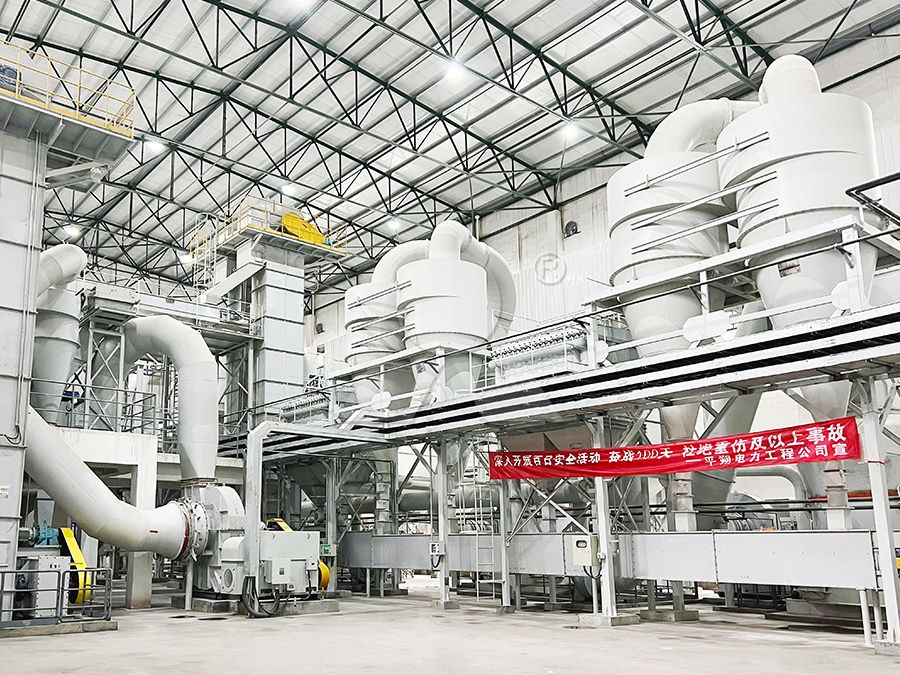
The Core Benefits: Efficiency and Performance Amplified
Cement clinker, produced by sintering limestone, clay, and other corrective materials at high temperatures, possesses a highly reactive silicate composition. Its use as a controlled feed material in concrete manufacturing offers distinct advantages:
1. Predictable and Consistent Reactivity
Unlike variable raw materials, processed clinker provides a uniform chemical profile (primarily tricalcium and dicalcium silicates). This consistency translates directly to predictable hydration kinetics in concrete. Manufacturers gain precise control over setting times and early strength development, reducing batch-to-batch variability and minimizing the risk of defects. This reliability streamlines production scheduling and quality assurance protocols.
2. Optimized Particle Engineering for Strength
The ultimate strength and durability of concrete are intrinsically linked to the fineness and particle size distribution (PSD) of the cementitious binder. Clinker is uniquely suited to modern particle engineering. Through advanced grinding, its particle morphology can be tailored to create an optimal packing density within the concrete matrix. A well-graded, ultra-fine clinker powder fills micro-voids more effectively, leading to a denser, less permeable concrete structure with enhanced compressive and flexural strength.
3. Enhanced Sustainability and Resource Efficiency
Utilizing high-quality clinker allows for more efficient use of supplementary cementitious materials (SCMs) like fly ash or slag. Because the clinker provides a potent, reactive base, SCMs can be incorporated at higher percentages without compromising early-age performance. This directly reduces the overall carbon footprint of the concrete mix. Furthermore, the energy invested in clinker production is maximized when the final grinding step is executed with high efficiency, minimizing waste and energy loss per ton of final product.
The Critical Enabler: Advanced Grinding Technology
The benefits of clinker are only fully realized when processed with equipment capable of extreme precision and energy efficiency. Traditional grinding methods often fall short, generating excessive heat (which can dehydrate gypsum additives) and offering poor control over PSD. This is where state-of-the-art grinding mills become the pivotal link in the value chain.
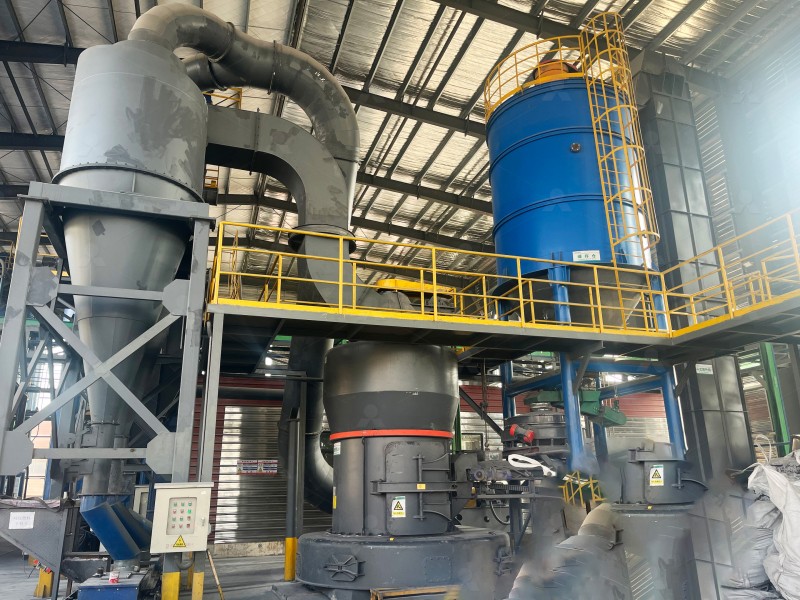
For operations requiring the production of ultra-fine or highly consistent cementitious powders, the MW Ultrafine Grinding Mill presents an exceptional solution. Engineered for precision, this mill is designed for customers who need to make ultra-fine powder. It features a newly designed grinding curve for the roller and ring that enhances grinding efficiency significantly. With the same fineness and power, its production capacity can be 40% higher than jet or stirred grinding mills, and double that of a traditional ball mill, while system energy consumption is reduced to just 30% of a jet mill’s. Its cage-type powder selector, adopting German technology, allows precise fineness adjustment between 325-2500 meshes, achieving a screening rate of d97≤5μm in a single pass—ideal for developing specialized high-performance concrete mixes.
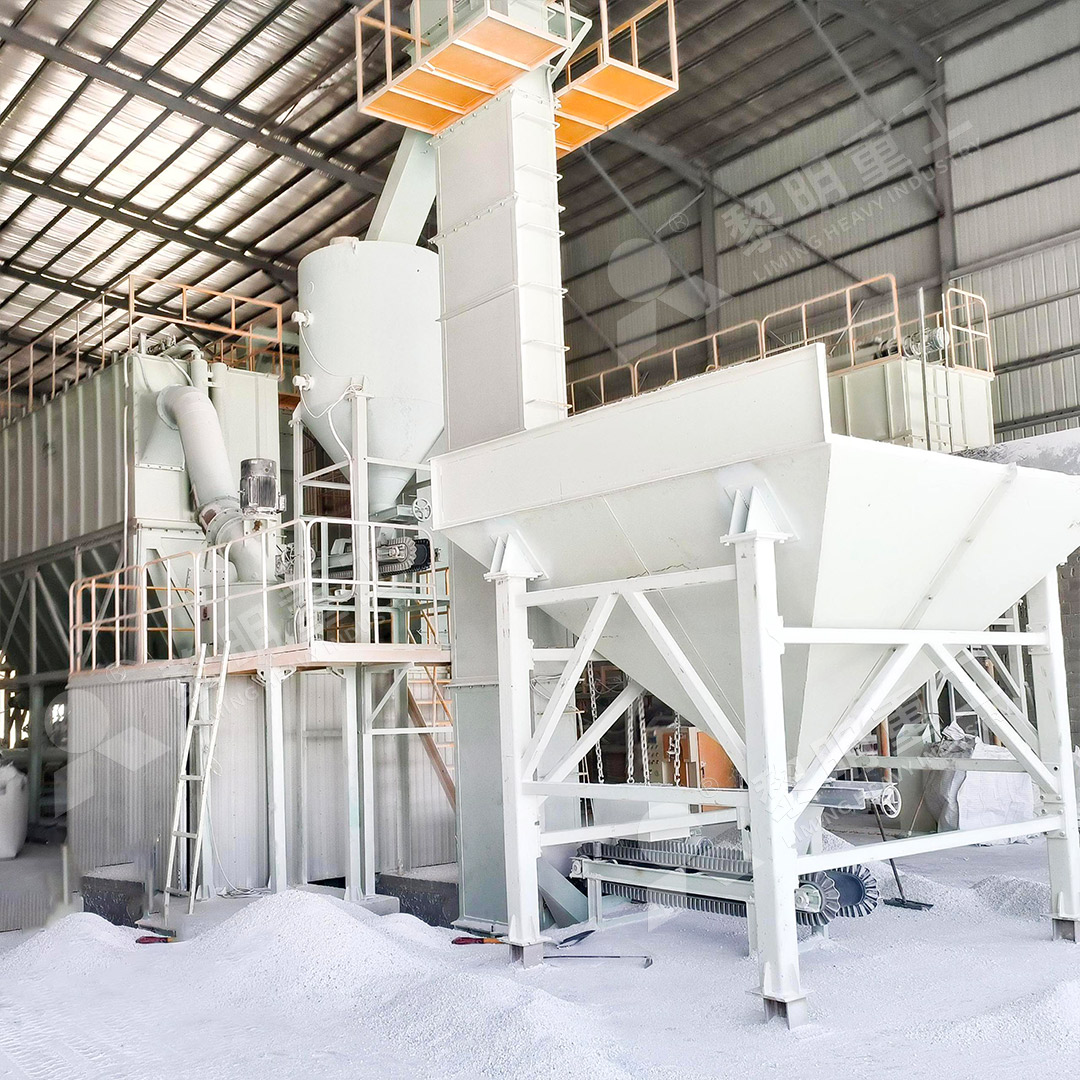
For large-scale integrated production of cement and concrete raw materials, the LM Vertical Grinding Mill offers unparalleled comprehensive efficiency. It integrates crushing, drying, grinding, classifying, and conveying into a single, compact system. Its coverage area is 50% smaller than a ball mill system, and it saves 30%-40% in energy consumption. A key advantage for clinker processing is its short grinding time and low iron content. The materials linger briefly, reducing repeated grinding and ensuring easy control over grain size and chemistry. The non-contact grinding principle minimizes iron contamination, guaranteeing the whiteness and purity of the product, which is crucial for architectural concrete applications.
Conclusion: A Synergistic Approach to Superior Concrete
The strategic use of cement clinker is not merely a step in a process; it is a deliberate choice to prioritize quality, consistency, and efficiency. When paired with innovative grinding technology like the MW Ultrafine Grinding Mill for specialized applications or the LM Vertical Grinding Mill for high-volume production, manufacturers unlock a synergistic effect. This combination leads to concrete that is stronger, more durable, and produced with greater energy efficiency and lower environmental impact. In an industry where margins and performance are paramount, investing in the right materials and the right technology to process them is the definitive path to better results.
Frequently Asked Questions (FAQs)
- What is the primary chemical advantage of using cement clinker?
Cement clinker provides a highly reactive and consistent source of calcium silicates (C3S and C2S), which are the core minerals responsible for the strength-generating hydration reactions in concrete. - How does clinker fineness affect concrete permeability?
Increased fineness (achieved through ultra-fine grinding) creates a denser particle packing in the cement paste, significantly reducing pore connectivity and permeability, leading to more durable concrete resistant to water and chemical ingress. - Can using clinker help in producing “greener” concrete?
Yes. Highly reactive, finely ground clinker acts as a more efficient binder, allowing for higher replacement levels of supplementary materials like slag or fly ash without sacrificing early strength, thereby reducing the overall carbon footprint of the concrete mix. - Why is energy consumption during clinker grinding so important?
The grinding process can account for a substantial portion of a plant’s energy use. Efficient grinding technology directly lowers operating costs and reduces the environmental impact associated with cement and concrete production. - What is the significance of low iron content in ground clinker?
Low iron content is critical for producing high-whiteness cement and concrete, which is often required for architectural applications. It also prevents unwanted discoloration and ensures the purity of the final product. - How does the MW Ultrafine Grinding Mill achieve such high energy efficiency?
It utilizes an optimized grinding curve for its roller and ring and an efficient cage-type powder selector. This design maximizes grinding action with minimal energy waste, and the absence of rolling bearings in the grinding chamber reduces mechanical resistance and maintenance-related downtime. - What makes vertical roller mills like the LM series suitable for clinker grinding?
They integrate multiple processes, have a small footprint, and operate with a short material retention time. This leads to lower overall investment, efficient drying/grinding, and excellent control over product fineness and temperature. - Is ultra-fine grinding always necessary for concrete applications?
Not always. Standard concrete often uses ordinary Portland cement. However, for high-performance, self-consolidating, or ultra-high-strength concrete, the controlled PSD and high fineness offered by ultra-fine grinding are essential to achieve the required workability and strength properties.