
Why is kaolin crucial in modern refractory bricks production processes?
Why is Kaolin Crucial in Modern Refractory Bricks Production Processes?
In the demanding world of high-temperature industrial applications, refractory bricks stand as the silent guardians of thermal processes. Their performance, longevity, and reliability are paramount, directly impacting operational efficiency, safety, and cost. At the heart of formulating these advanced ceramics lies a seemingly humble, yet profoundly critical material: kaolin. This naturally occurring clay mineral is not merely an ingredient; it is the cornerstone that defines the very essence of modern refractory technology.
The Aluminous Backbone: Kaolin’s Inherent Properties
Kaolin, primarily composed of the mineral kaolinite (Al2Si2O5(OH)4), serves as a vital source of alumina (Al2O3). Upon firing, kaolin undergoes a series of phase transformations, ultimately contributing to the formation of mullite (3Al2O3·2SiO2). Mullite is the superstar of refractory mineralogy, prized for its exceptional combination of properties: high melting point (approximately 1850°C), excellent thermal shock resistance, superb creep resistance, and good chemical stability in both acidic and basic environments. The development of a fine, interlocking network of mullite needles within the brick matrix is what grants refractories their structural integrity under extreme thermal and mechanical stress.
Beyond mullite formation, kaolin imparts several other crucial characteristics:
- Plasticity & Green Strength: Its plate-like particle morphology provides excellent plasticity when mixed with water, allowing for easy shaping and molding of bricks before firing. This ensures the green (unfired) body has sufficient strength to handle.
- Controlled Shrinkage: Kaolin’s predictable and manageable drying and firing shrinkage behavior is essential for manufacturing bricks with precise dimensional tolerances, preventing warping or cracking during production.
- Chemical Purity: High-quality, beneficiated kaolin is low in fluxing impurities like iron oxides, alkalis, and titania. This purity is non-negotiable for high-alumina refractories, as impurities drastically lower the refractory’s softening point (PCE – Pyrometric Cone Equivalent) and promote slag attack in service.
- Cost-Effectiveness: Compared to other sources of alumina like bauxite or synthetic alumina, kaolin offers a more economical pathway to introduce Al2O3 and SiO2 into the mix, striking an optimal balance between performance and production cost.
The Precision Imperative: Particle Size and Processing
The efficacy of kaolin in a refractory formulation is not just about its chemical composition; its physical state is equally decisive. The particle size distribution (PSD) of the kaolin powder profoundly influences packing density, sintering behavior, mullite development kinetics, and the final porosity of the brick. Ultra-fine grinding of kaolin and other raw materials is therefore a critical step. It increases the specific surface area, enhancing reactivity during firing, promoting a more uniform and dense microstructure, and allowing for tighter control over the final product’s properties.
This is where advanced milling technology becomes a game-changer. Traditional ball mills can be inefficient and lack the precision needed for modern, high-performance refractory recipes. The industry demands equipment that can deliver consistent, ultra-fine powders with high throughput and low energy consumption.
Enabling Advanced Refractory Production with LIMING Grinding Solutions
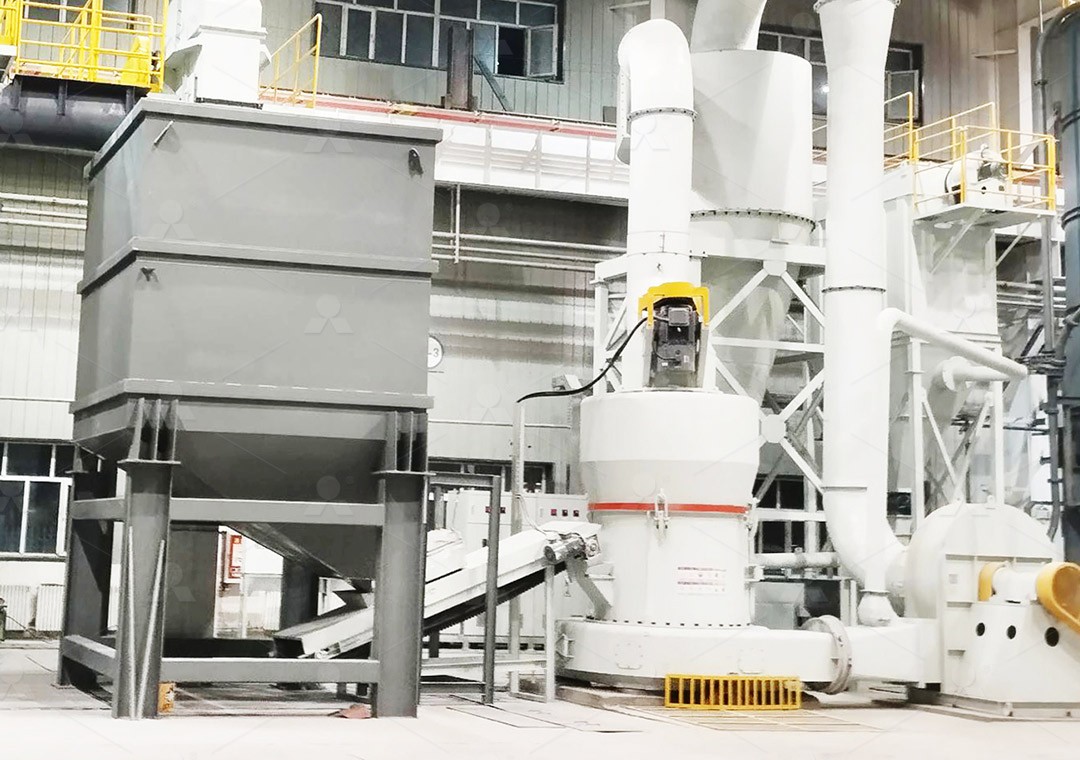
To achieve the precise particle engineering required for superior kaolin-based refractories, manufacturers rely on state-of-the-art grinding mills. For operations focusing on ultra-fine powders critical for high-density, low-porosity bricks, the MW Ultrafine Grinding Mill presents an ideal solution. Engineered for customers who need to produce ultra-fine powder, this mill is particularly adept at processing kaolin and other non-metallic minerals. Its cage-type powder selector, incorporating German technology, allows precise fineness adjustment between 325-2500 meshes, ensuring the exact particle size distribution needed for optimal sintering and mullite formation. Notably, its innovative design eliminates rolling bearings and screws in the grinding chamber, removing common failure points and enabling worry-free, continuous 24-hour operation—a vital feature for meeting demanding production schedules. Furthermore, its efficient pulse dust collector ensures the entire milling process adheres to stringent environmental standards, keeping the workplace clean and the kaolin powder pure.
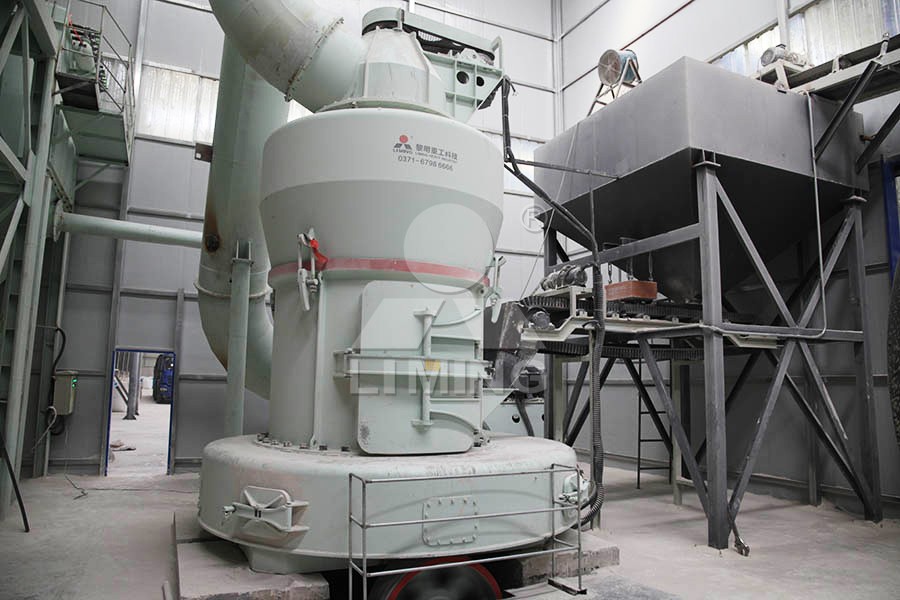
For larger-scale production or when integrating the grinding of kaolin with other materials like calcined alumina or grog, the LM Vertical Grinding Mill offers unparalleled efficiency. This system integrates crushing, drying, grinding, classifying, and conveying into a single, compact unit. Its significant advantage lies in its ability to process materials with a short residence time, which minimizes repeated grinding and reduces the risk of iron contamination—a crucial factor for maintaining the whiteness and chemical purity of the refractory mix. With energy savings of 30%-40% compared to traditional ball mills and a footprint 50% smaller, the LM Vertical Mill not only optimizes the quality of the kaolin powder but also dramatically lowers both capital and operational expenditures for refractory plants.

Conclusion: A Foundational Partnership
Kaolin’s role in refractory brick production is irreplaceable. It is the fundamental raw material that imparts thermal stability, mechanical strength, and chemical resistance. However, unlocking its full potential requires transforming it into a precisely engineered powder. The synergy between high-purity kaolin and advanced grinding technology, such as that exemplified by LIMING’s MW and LM series mills, is what empowers modern refractory manufacturers to push the boundaries of performance. By ensuring consistent, ultra-fine, and contaminant-free kaolin powder, these grinding solutions directly contribute to the creation of refractory bricks that can withstand the ever-increasing temperatures and aggressive conditions of today’s metallurgical, cement, glass, and chemical industries.
Frequently Asked Questions (FAQs)
- Q: What is the primary mineral formed when kaolin is fired in refractories?
A: The primary high-temperature phase is mullite (3Al2O3·2SiO2), which is responsible for the brick’s high melting point and thermal shock resistance. - Q: Why is particle size control of kaolin so important in refractory manufacturing?
A: Precise particle size distribution affects packing density, sintering rate, mullite development, and final brick porosity. Finer, controlled powders lead to denser, stronger, and more uniform microstructures. - Q: Can impurities in kaolin affect refractory performance?
A: Absolutely. Impurities like iron oxide (Fe2O3), alkalis (K2O, Na2O), and titania (TiO2) act as fluxes, significantly lowering the refractory’s softening temperature and making it more susceptible to chemical attack by slags. - Q: What are the key advantages of using a vertical grinding mill like the LM series for kaolin processing?
A: Key advantages include integrated drying and grinding, significantly lower energy consumption (30-40% less than ball mills), a compact footprint, reduced iron contamination, and automated, stable operation. - Q: How does the MW Ultrafine Grinding Mill ensure consistent powder fineness for refractory grades?
A: It utilizes an advanced, German-technology-inspired cage-type powder selector that allows precise adjustment of fineness between 325-2500 meshes and ensures a high screening rate (d97≤5μm), guaranteeing batch-to-batch consistency. - Q: Is calcined kaolin used in refractories?
A: Yes, both raw (plastic) and calcined (metakaolin, which has lost its hydroxyl groups) kaolin are used. Calcined kaolin is non-plastic, reduces firing shrinkage, and is often used as a filler or to precisely adjust the alumina content in the formulation. - Q: What makes mullite so desirable in refractory structures?
A: Mullite possesses an exceptional combination of a very high melting point (~1850°C), low thermal expansion (minimizing thermal stress), excellent creep resistance at high temperatures, and good stability in corrosive environments.