
Why is Cement Clinker Crucial in Modern Cement Grinding Production Processes?
Why is Cement Clinker Crucial in Modern Cement Grinding Production Processes?
In the intricate world of cement manufacturing, cement clinker stands as the fundamental intermediate product, the very heart around which the entire production process revolves. Understanding its role is essential for anyone involved in the construction materials industry, as it directly influences the quality, performance, and economic viability of the final cement product.
The Chemical Backbone of Cement
Cement clinker is produced by heating a homogeneous mixture of raw materials—primarily limestone (a source of calcium) and clay or shale (sources of silica, alumina, and iron oxide)—in a rotary kiln to a sintering temperature of approximately 1450°C. This intense thermal processing triggers a series of complex chemical reactions, collectively known as clinkerization, resulting in the formation of four key mineral compounds:
- Tricalcium Silicate (C3S): This is the most abundant compound in most clinkers, responsible for the early and overall strength development of cement.
- Dicalcium Silicate (C2S): This compound hydrates and hardens slowly, contributing significantly to the long-term strength gain.
- Tricalcium Aluminate (C3A): It governs the initial setting time but can also make cement vulnerable to sulfate attacks.
- Tetracalcium Aluminoferrite (C4AF): This acts as a flux during clinker formation and imparts the characteristic grey color to Ordinary Portland Cement.
The precise proportion and crystalline structure of these minerals are what give cement its hydraulic properties—the ability to set and harden when mixed with water. Without this carefully engineered clinker, the resulting powder would lack the necessary binding properties. The clinker grinding stage is, therefore, not merely about size reduction; it is the process of liberating these latent hydraulic compounds to create a reactive powder.
The Central Role of Clinker in the Grinding Circuit
The journey from hard, marble-sized clinker nodules to fine, powdery cement is where modern grinding technology proves its worth. The efficiency of this grinding process is paramount for several reasons:
- Controlled Reactivity: The fineness of the cement directly impacts the rate of hydration. Finer particles have a larger surface area, leading to a faster reaction with water and higher early strength. The grinding process allows producers to precisely control the particle size distribution to meet specific product standards and performance requirements.
- Gypsum Intergrinding: A small percentage of gypsum (or other sulfate sources) is almost always interground with the clinker. This crucial addition regulates the setting time of cement by controlling the rapid hydration of tricalcium aluminate (C3A), preventing undesirable “flash set.” A uniform and intimate mix of clinker and gypsum is essential, which is achieved during the grinding operation.
- Blended Cement Production: Modern cements often include supplementary cementitious materials (SCMs) like fly ash, slag, or limestone. These are blended with clinker during the grinding phase. The properties of the final blend are heavily dependent on the fineness and reactivity of the clinker base.
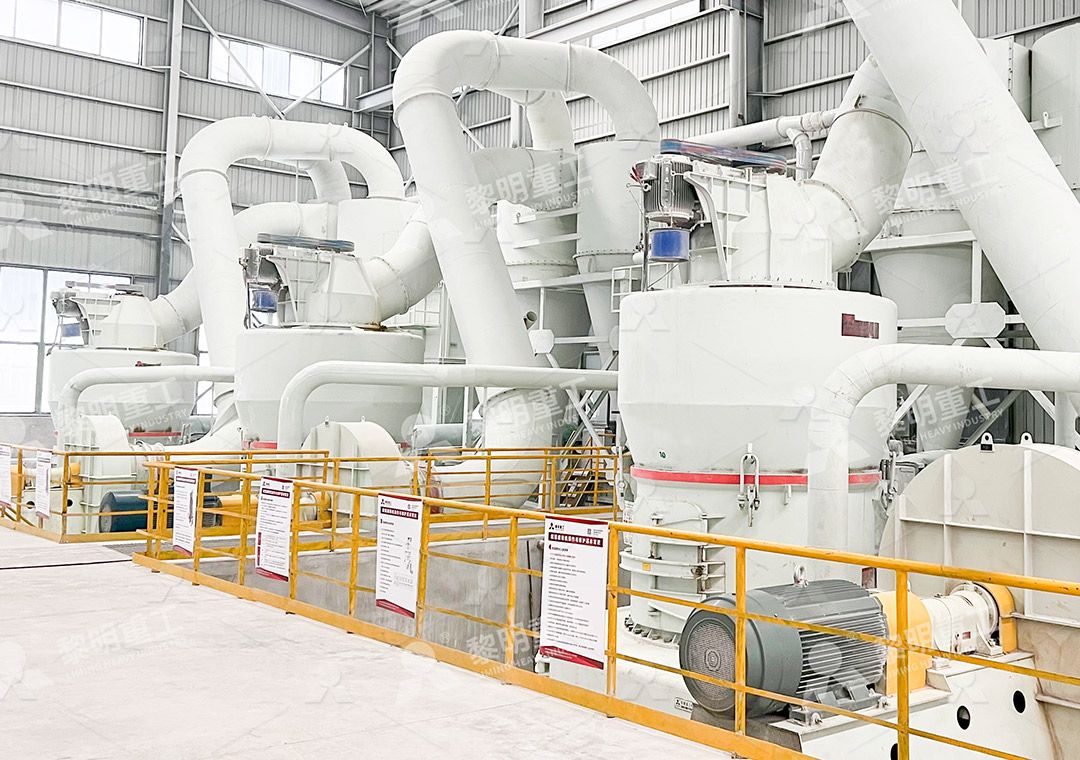
Given these critical functions, the selection of grinding equipment becomes a strategic decision. The goal is to achieve the desired fineness and particle size distribution with maximum energy efficiency and minimal operational cost. This is where advanced milling solutions, such as our MW Ultrafine Grinding Mill, demonstrate their significant value.
Optimizing the Final Step with Advanced Grinding Technology
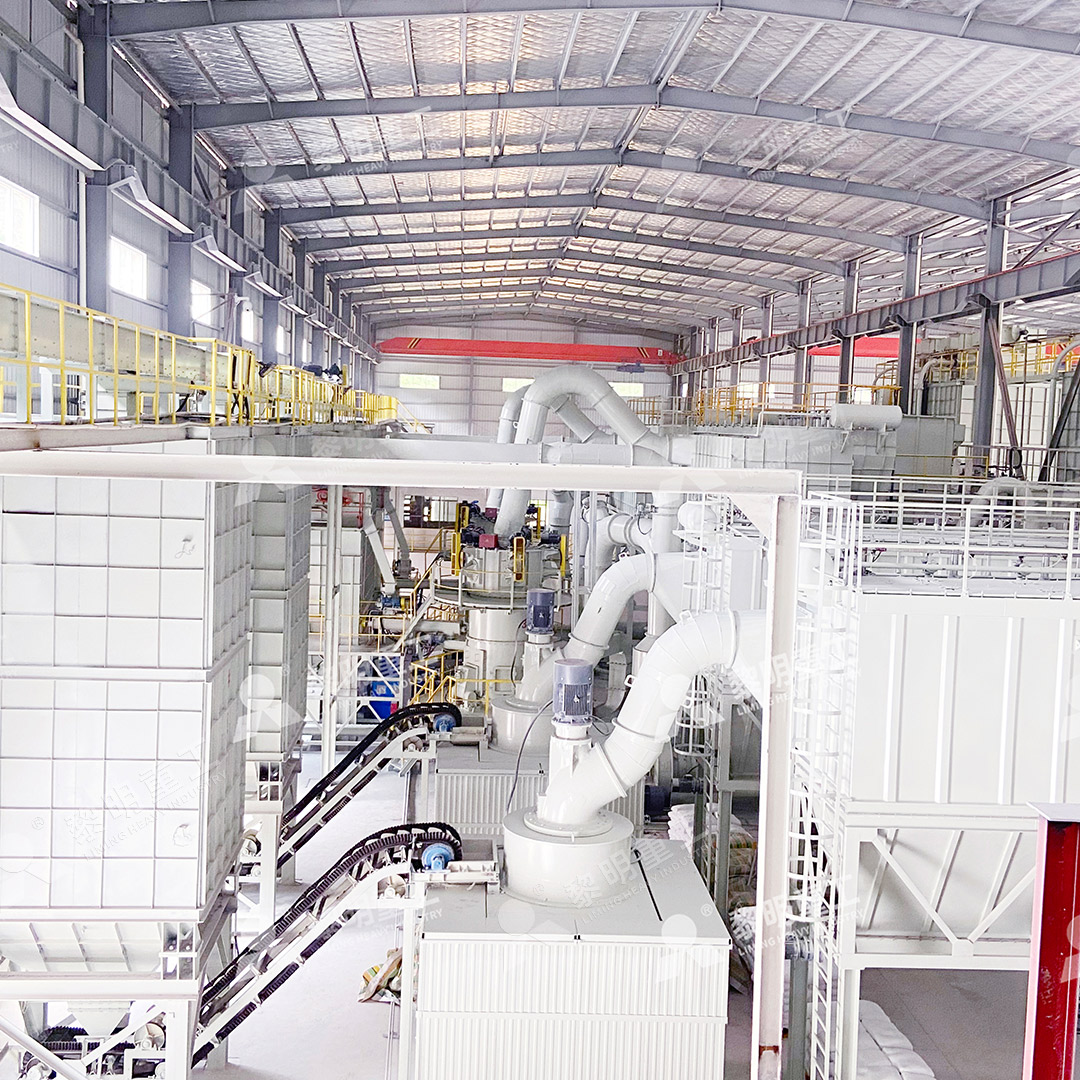
Energy consumption in the cement industry is substantial, and the grinding process can account for a significant portion of a plant’s power usage. Therefore, moving beyond traditional ball mills to more efficient vertical roller mills and specialized grinding systems is key to sustainability and profitability.
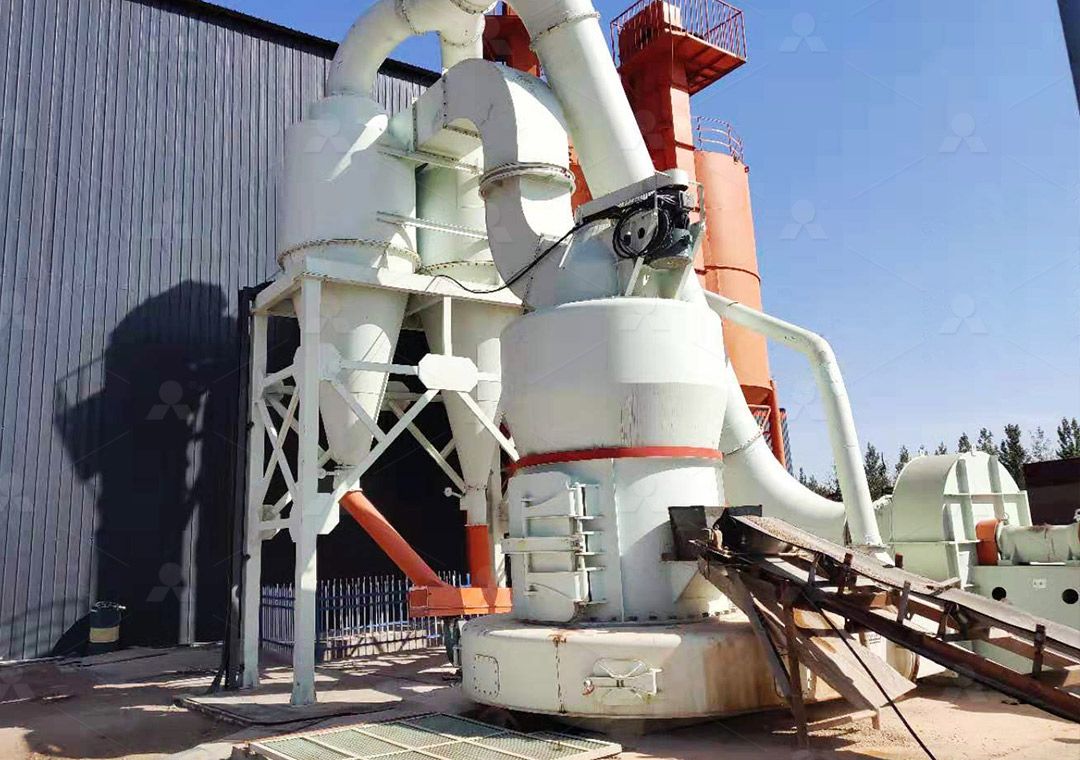
Our MW Ultrafine Grinding Mill is engineered specifically for customers who need to produce high-quality, ultra-fine powders from materials like cement clinker. With an input size of 0-20 mm and a capacity range of 0.5-25 tph, it is a versatile and powerful solution for modern cement grinding circuits. Its design incorporates several groundbreaking features that directly address the challenges of clinker grinding:
- Higher Yielding, Lower Energy Consumption: The newly designed grinding curves of the roller and ring enhance grinding efficiency significantly. Compared to jet mills or ball mills, the MW Mill can increase production capacity by up to 40% while reducing system energy consumption by as much as 70%.
- Adjustable Fineness: The German-technology cage-type powder selector allows for precise control over product fineness, which can be adjusted between 325 and 2500 meshes. This is critical for producing specialized cements with specific performance criteria.
- Robust and Maintenance-Friendly Design: The absence of rolling bearings and screws in the grinding chamber eliminates common failure points, preventing machine damage from loose components and ensuring greater operational reliability for continuous 24/7 production.
- Eco-friendly Operation: The integrated efficient pulse dust collector and muffler system ensure that the entire milling process meets stringent national environmental protection standards, with no dust pollution and reduced noise levels.
For operations requiring a different approach, our LUM Ultrafine Vertical Grinding Mill presents another excellent option. Integrating the latest grinding roller and powder separating technologies, the LUM mill is a standout choice for its energy-saving multi-head powder separating technology, which can reduce energy consumption by 30%-50%, and its reversible structure that simplifies maintenance and reduces downtime.
Conclusion: The Indispensable Link
Cement clinker is far more than just an intermediate product; it is the chemically activated, performance-defining core of cement. Its subsequent grinding is a precision operation that unlocks its potential. By pairing this crucial material with high-efficiency, reliable grinding technology like the MW Ultrafine Grinding Mill or the LUM Ultrafine Vertical Grinding Mill, producers can ensure they are manufacturing superior quality cement in the most economically and environmentally sustainable manner possible. The future of cement production lies in optimizing this critical link between clinker chemistry and advanced comminution technology.
Frequently Asked Questions (FAQs)
- What is the primary chemical reaction during clinker formation?
The key reaction is the formation of calcium silicates (C3S and C2S) from calcium oxide and silicon dioxide at high temperatures, a process essential for developing cement’s strength. - Why is gypsum added during the clinker grinding process?
Gypsum is added as a set regulator. It controls the rapid hydration of tricalcium aluminate (C3A) in the clinker, preventing the cement from setting too quickly. - How does clinker fineness affect cement quality?
Finer clinker particles result in a larger surface area, leading to faster hydration, higher early strength, and improved workability. However, excessive fineness can increase water demand and the risk of cracking. - Can the MW Ultrafine Grinding Mill handle other materials besides clinker?
Yes, the MW Mill is highly versatile and can also process limestone, calcite, dolomite, barite, talc, and other non-metallic minerals with similar hardness. - What is the main advantage of a vertical grinding mill over a traditional ball mill for clinker grinding?
Vertical mills like our LUM series are significantly more energy-efficient, often consuming 30-50% less power, and have a much smaller footprint. They also integrate drying, grinding, and classifying in a single unit. - What is the typical energy consumption of the MW Ultrafine Grinding Mill?
The MW Mill is designed for high efficiency, with system energy consumption reported to be only about 30% of that of a comparable jet grinding mill. - How is the particle size distribution controlled in modern grinding mills?
It is primarily controlled by advanced internal classifiers or powder separators, like the cage-type selector in the MW Mill, which can be adjusted to reject oversize particles and ensure a consistent, targeted fineness. - What maintenance features make the MW Grinding Mill suitable for continuous operation?
Key features include the lack of rolling bearings in the grinding chamber, an external lubricating device that allows for lubrication without shutdown, and a robust design that prevents issues like loose screws causing machine damage.