
Where to buy roller mill for cement raw materials for cement manufacturing in tunisia
Navigating the Tunisian Cement Manufacturing Landscape: Sourcing the Right Grinding Equipment
The Tunisian construction and infrastructure sector continues to demonstrate resilience and growth, driving consistent demand for high-quality cement. For plant managers, engineers, and procurement specialists in this industry, a central challenge lies in selecting and sourcing the optimal grinding equipment for raw material preparation. The choice of roller mill directly impacts production efficiency, product quality, operational costs, and environmental compliance. This article explores the key considerations for purchasing roller mills in Tunisia and highlights advanced technological solutions tailored for the local market’s specific needs.
Understanding Cement Raw Material Grinding Requirements in Tunisia
Tunisian cement production typically involves grinding raw materials like limestone, clay, marl, and corrective additives such as iron ore or bauxite. The geographical diversity of Tunisia means raw material hardness, abrasiveness, and moisture content can vary significantly between quarries in the North, Central, and Southern regions. An effective roller mill must handle this variability, producing a finely ground, homogeneous raw meal with precise chemical composition for the kiln. Key performance indicators include grinding efficiency (kWh/t), production capacity, particle size distribution (aiming for a residue of 10-15% on 90 μm sieve), system availability, and minimal maintenance downtime.
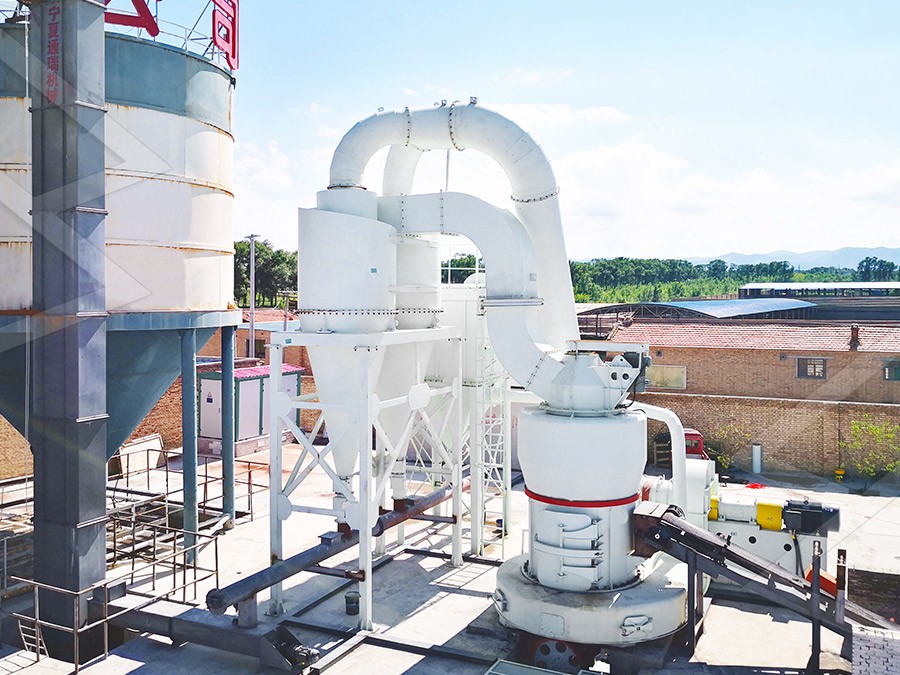
Critical Factors When Sourcing Roller Mills in Tunisia
Procurement is more than just buying a machine; it’s investing in a long-term production partner. Consider these factors:
- Technical Support & Local Presence: Does the supplier have a proven track record in Tunisia or North Africa? Access to local engineers, readily available spare parts, and prompt service is crucial for minimizing operational disruptions.
- Energy Efficiency: With energy costs constituting a major portion of production expenses, mills with lower specific power consumption offer a rapid return on investment. Look for designs that integrate efficient grinding principles and classifiers.
- Environmental Compliance: Tunisian environmental regulations are increasingly stringent. The milling system must incorporate effective dust collection (with bag filters or electrostatic precipitators) and noise reduction technologies to meet emission standards.
- Adaptability & Process Integration: The ideal mill should seamlessly integrate with existing crushing, drying, blending, and homogenization systems. Flexibility to handle varying feed sizes and moisture levels is a significant advantage.
- Total Cost of Ownership (TCO): Look beyond the initial purchase price. Evaluate maintenance costs, wear part longevity, energy consumption, and expected lifespan to calculate the true TCO.
Advanced Mill Technology for Enhanced Performance
The evolution from traditional ball mills to modern vertical roller mills (VRMs) and advanced trapezium mills has revolutionized raw material grinding. VRMs, in particular, integrate drying, grinding, classification, and conveying into a single compact unit, offering superior energy efficiency and lower footprint. Their ability to use hot gases from clinker coolers for drying wet raw materials is a major operational benefit.

Recommended Solution: The LM Vertical Grinding Mill for Robust, High-Capacity Processing
For cement raw material grinding in Tunisia, where reliability, high capacity, and low operating costs are paramount, the LM Vertical Grinding Mill stands out as an exemplary choice. This mill is engineered specifically for non-metallic minerals, pulverized coal, and slag, making it perfectly suited for limestone, clay, and other cementitious raw materials.
Its core advantages directly address the needs of Tunisian manufacturers:
- High Capacity with Lower Energy Use: With a capacity range of 3-340 tph and the ability to handle feed sizes up to 70 mm, it covers most plant requirements. It saves 30%-40% energy compared to traditional ball mill systems, a critical factor for cost-sensitive operations.
- Integrated & Compact Design: It combines crushing, drying, grinding, separating, and conveying, reducing the overall footprint by approximately 50%. This integrated approach simplifies plant layout and reduces civil engineering costs.
- Superior Product Quality: The short material retention time minimizes over-grinding and allows for precise control over particle size and chemistry. The non-contact grinding principle (roller and table do not touch) ensures very low iron contamination, preserving the raw meal’s quality.
- Environmental and Operational Excellence: The fully sealed system operates under negative pressure, ensuring no dust spillage. Its automated control system allows for easy local or remote operation, ensuring stable, clean, and efficient production runs.

For Ultra-Fine or Specialized Grinding Needs: The MW Ultrafine Grinding Mill
In scenarios requiring exceptionally fine grinding of certain additives or for specialized cement blends, the MW Ultrafine Grinding Mill presents a powerful solution. While its primary capacity (0.5-25 tph) suits it for precise, smaller-scale applications, its technological features are noteworthy. It achieves adjustable fineness between 325-2500 meshes, crucial for optimizing reactivity. Its unique design, with no rolling bearings or screws in the grinding chamber, eliminates common failure points, enhancing reliability. Furthermore, its efficient pulse dust collector and muffler system guarantee an eco-friendly operation that aligns with strict environmental standards.
Making the Right Procurement Decision
Partnering with a manufacturer that provides comprehensive support is as important as the machine itself. A supplier with a strong commitment to after-sales service, digitalized high-precision manufacturing, and a guaranteed supply of original spare parts ensures worry-free operation for decades. When evaluating suppliers for your Tunisian plant, prioritize those who offer not just equipment, but a total grinding solution backed by local expertise and a global reputation for quality.
Frequently Asked Questions (FAQs)
- What is the typical lead time for delivering and installing a large roller mill like the LM series in Tunisia?
Lead times vary based on model specification and current production schedules, but generally range from 4 to 8 months for major equipment. This includes manufacturing, sea freight to a Tunisian port, and delivery to site. Detailed project planning with your supplier is essential. - How does the energy consumption of a vertical roller mill compare to a traditional ball mill for raw grinding?
Vertical roller mills like the LM series typically offer 30% to 50% lower specific energy consumption (kWh/ton of material) compared to ball mill systems, primarily due to their more efficient grinding mechanism and integrated drying capability. - Are spare parts readily available locally in Tunisia for these mills?
This depends entirely on the supplier’s network. Reputable global manufacturers often stock critical spare parts with local distributors or have established regional warehouses in North Africa to ensure rapid support and minimize downtime for customers. - Can these mills handle the high moisture content sometimes found in Tunisian raw materials?
Yes, modern vertical roller mills are designed as air-swept grinding systems. They can effectively dry materials using integrated hot air generators or by utilizing waste heat gases from other plant processes, handling moisture contents typically up to 15-20% depending on the heat source. - What kind of after-sales training is provided for our local operational and maintenance staff?
Comprehensive training programs are a standard part of a professional supply contract. This usually includes detailed classroom instruction on operation and maintenance principles, followed by hands-on training during the commissioning phase at your plant site. - Is the particle size distribution from a vertical roller mill consistent enough for modern kiln feed?
Absolutely. Advanced VRMs are equipped with high-efficiency dynamic classifiers that allow precise control over the cut point. This results in a consistent and steep particle size distribution curve, which is ideal for optimizing burnability and fuel efficiency in the kiln. - What are the main wear parts in a vertical roller mill, and what is their expected service life?
The primary wear parts are the grinding rollers and the grinding table liners. Their service life depends on material abrasiveness but is typically in the range of 6,000 to 10,000 operating hours. Manufacturers use specialized wear-resistant alloys to maximize lifespan.