
Where to buy raymond mill for slag for metal recovery
Where to Buy Raymond Mill for Slag for Metal Recovery
For metallurgical plants, mining operations, and recycling facilities engaged in metal recovery from industrial by-products like slag, selecting the right grinding equipment is a critical business decision. The process of liberating valuable metals from slag matrices requires efficient, reliable, and cost-effective milling solutions. While the term “Raymond mill” is often used generically for pendulum roller mills, the modern market offers a spectrum of advanced grinding technologies far surpassing the capabilities of traditional designs. This article explores key considerations for sourcing such equipment and highlights superior alternatives for slag processing.
The Slag Grinding Challenge: Beyond Traditional Milling
Slag, a by-product of smelting and refining processes, contains encapsulated metals that can be economically recovered. Effective recovery hinges on fine grinding to liberate these metal particles. Traditional Raymond mills, with capacities typically under 5 tph and input size limitations, can struggle with the volume and abrasive nature of modern slag streams. Key challenges include:
- Throughput Demands: Industrial-scale recovery requires higher capacity than basic Raymond mills offer.
- Abrasive Wear: Slag’s hardness accelerates wear on grinding components, increasing downtime and maintenance costs.
- Energy Intensity: Inefficient grinding directly impacts operational profitability.
- Environmental Compliance: Dust and noise control are non-negotiable in today’s regulatory landscape.
Therefore, the question shifts from “Where to buy a Raymond mill?” to “Where to source a high-performance grinding system engineered for slag?” The answer lies with manufacturers specializing in heavy industrial milling equipment with proven expertise in mineral and metallurgical waste processing.
Critical Factors in Selecting Your Slag Grinding Partner
Choosing a supplier is as important as selecting the machine. Consider these factors:
- Application Expertise: Seek manufacturers with documented experience in slag or similar abrasive material milling. Case studies and client references are invaluable.
- Technology Portfolio: A supplier offering multiple grinding mill types (vertical, trapezium, ultrafine) can provide an unbiased recommendation tailored to your specific slag chemistry, target fineness, and capacity needs.
- Integrated Design & Support: Opt for a provider responsible for the entire system—from crusher and feeder to mill, classifier, and dust collector. This ensures compatibility and single-point accountability.
- After-Sales Commitment: Guaranteed supply of original spare parts, remote technical support, and readily available service are crucial for minimizing operational risk.
- Innovation Focus: Manufacturers investing in R&D continuously improve efficiency, wear resistance, and automation, offering you a future-proof asset.
Advanced Mill Technologies: Superior Alternatives for Slag
Modern grinding mills incorporate innovations that directly address slag processing pain points. Two standout technologies, in particular, offer compelling advantages over conventional designs.
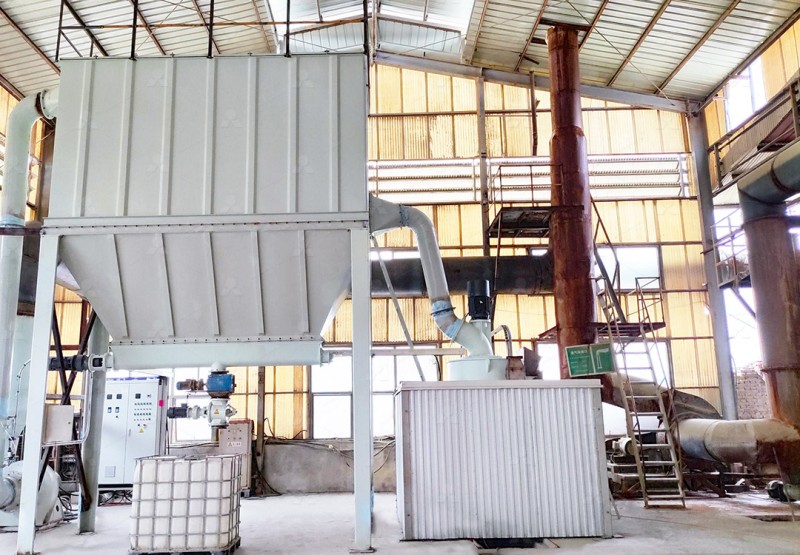
For operations requiring very fine grinding to maximize metal liberation, the MW Ultrafine Grinding Mill presents a formidable solution. Engineered for producing ultra-fine powder between 325-2500 meshes, its design is ideal for thorough slag comminution. It features a higher yield and lower energy consumption—production capacity is 40% higher than jet mills with system energy consumption only 30% of jet mills. Its German-technology cage-type powder selector ensures precise classification. Critically for abrasive slag, its grinding chamber has no rolling bearings or screws, eliminating failures from bearing damage or loose screws and allowing external lubrication without shutdown. Equipped with an efficient pulse dust collector and silencer, it operates cleanly and quietly, meeting stringent environmental standards. With an input size of 0-20 mm and capacity ranging from 0.5 to 25 tph, it bridges the gap between high fineness and robust throughput.
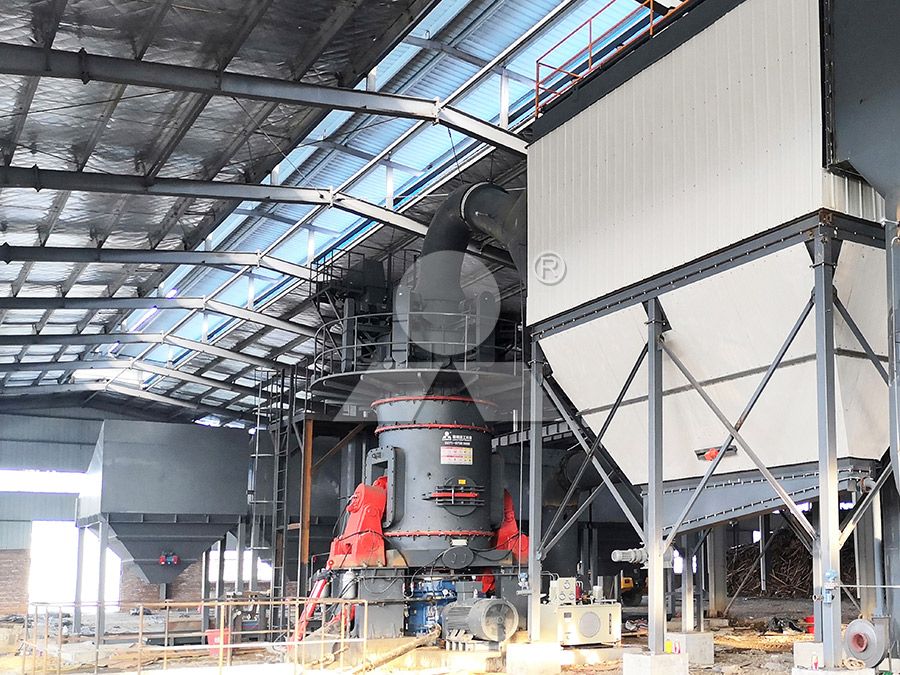
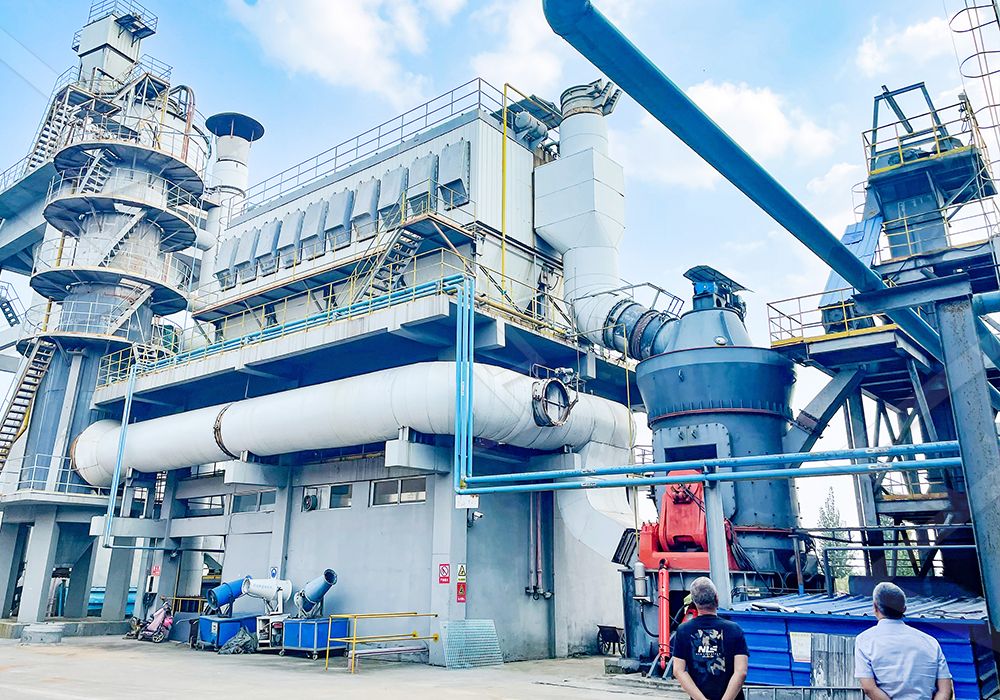
For high-volume slag processing, the LM Vertical Slag Mill is a purpose-built champion. Integrating drying, grinding, powder selection, and conveying, it is specialized for industrial waste like steel slag and water slag. Its vertical structure reduces footprint by approximately 50% compared to ball mill systems, while slashing energy consumption by 30-40%. It handles input sizes up to 65mm and capacities from 7 to over 100 tph, making it suitable for large-scale metal recovery plants. Its grinding device integrates grinding and powder selection, and its wear-resistant parts made of high-performance materials ensure reliable, long-lasting operation against abrasive slag. The system operates under negative pressure, preventing dust spillage and ensuring a clean worksite.
The Procurement Pathway: From Inquiry to Installation
Once you’ve identified a qualified manufacturer like LIMING Heavy Industry, the procurement process typically follows these steps:
- Material Testing & Consultation: Provide a slag sample for lab analysis. Reputable suppliers will test grindability and recommend the optimal mill model and configuration.
- System Proposal: Receive a detailed quotation including the complete grinding system, layout drawings, performance guarantees, and delivery terms.
- Factory Acceptance: Consider visiting the manufacturing facility to inspect build quality and digitalized processing techniques, such as CNC-controlled machining for core parts.
- Logistics & Installation: Professional suppliers manage shipping and often provide installation supervision and commissioning support.
- Training & Operational Handover: Comprehensive training on operation and maintenance ensures your team achieves peak performance from day one.
Conclusion: Investing in Performance, Not Just a Machine
Purchasing a mill for slag-based metal recovery is an investment in your operation’s efficiency and profitability. Moving beyond the generic “Raymond mill” to consider advanced, application-specific technologies like the MW Ultrafine Grinding Mill for fine liberation or the high-capacity LM Vertical Slag Mill is the key to unlocking greater value. Partnering with an engineering-driven manufacturer that offers full-system responsibility, from digitalized production to lifelong spare parts support, transforms a capital equipment purchase into a strategic advantage for sustainable metal recovery.
Frequently Asked Questions (FAQs)
- Can traditional Raymond mills handle granulated blast furnace slag (GBFS)?
While possible for small-scale, coarse grinding, traditional Raymond mills are less efficient and more maintenance-prone for high-volume GBFS processing. Vertical roller mills or specialized slag mills are preferred for their higher capacity, better energy efficiency, and integrated drying capability. - What is the most important factor in choosing a mill for metal recovery from slag?
The target particle size (fineness) required to liberate the target metals is paramount. This determines whether a standard vertical mill, an ultrafine mill, or a multi-stage grinding circuit is needed. - How significant is the wear part cost in slag milling?
Very significant. Slag is highly abrasive. Selecting a mill with high-performance wear-resistant alloys for rollers/rings and a design that allows easy, quick replacement is crucial for controlling long-term operating costs. - Is a dust collection system included with the mill?
With reputable manufacturers, yes. Complete system quotes from engineering-focused suppliers typically include the mill, classifier, appropriate feeder, and matched pulse-jet dust collector to ensure environmentally compliant operation. - What kind of after-sales support should I expect?
Expect access to original spare parts, detailed operation/maintenance manuals, remote troubleshooting support, and the availability of on-site service engineers for major inspections or repairs. - Can the mill’s fineness be adjusted after installation?
Yes, modern mills with advanced dynamic classifiers (like the cage-type selector in the MW Mill) allow external adjustment of product fineness without stopping the machine, providing great operational flexibility. - How long does delivery and installation typically take for an industrial slag mill?
Lead times vary by model and complexity, typically ranging from 3 to 8 months from order to commissioning. This includes manufacturing, shipping, and installation. Your supplier should provide a clear project timeline.