
Where to buy raymond mill for slag for cement additive in kazakhstan
Navigating the Kazakh Market: Sourcing the Right Grinding Mill for Slag Processing
Kazakhstan’s construction and cement industries are on a robust growth trajectory, driven by infrastructure development and urbanization. A critical component in modern cement production is the use of ground granulated blast-furnace slag (GGBS) as a supplementary cementitious material. This not only enhances concrete properties like durability and strength but also significantly reduces the carbon footprint of cement manufacturing. For producers in Kazakhstan looking to capitalize on this trend, the central question becomes: where and how to source the right grinding equipment to process slag into a high-quality cement additive?
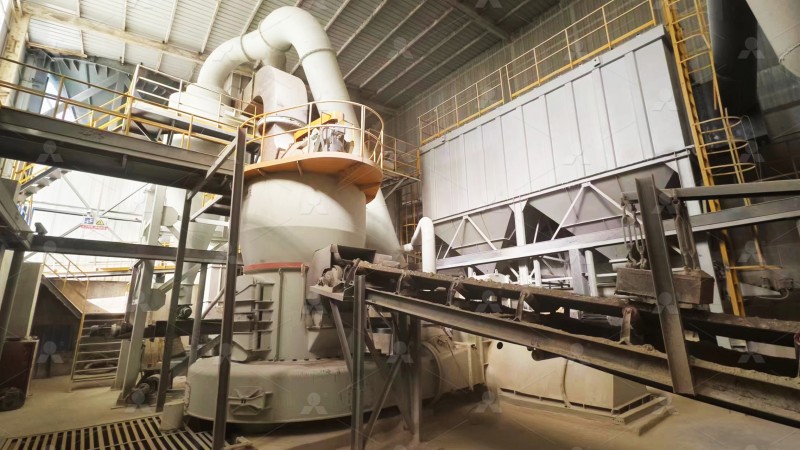
The choice of mill is paramount. While the term “Raymond mill” is often used generically for grinding mills, today’s technology offers far more advanced, efficient, and eco-friendly solutions. The traditional Raymond mill, with its typical capacity of 0.6-5 tph, may suffice for smaller operations. However, for medium to large-scale slag processing aimed at cement additive production, modern vertical roller mills and ultra-fine grinding systems offer superior performance, energy savings, and product quality control.
Key Considerations for Slag Grinding in Kazakhstan
When procuring a mill in Kazakhstan, several local and technical factors must be weighed. The harsh continental climate demands equipment with robust construction and reliable operation in temperature extremes. Logistics and after-sales support are crucial due to the vast geography of the country. Technically, the mill must handle the abrasive nature of slag, achieve the desired fineness (typically between 400-550 m²/kg Blaine for cement additive), and operate with high energy efficiency to keep production costs competitive.
Furthermore, environmental regulations are increasingly stringent. A modern grinding plant must incorporate effective dust collection and noise reduction systems to comply with national standards and ensure sustainable operation. This is where next-generation mills distinctly outperform older designs like basic Raymond mills.
Advanced Mill Technologies for Superior Slag Processing
The market has evolved beyond traditional milling. For slag processing, two specialized mill types stand out: Vertical Roller Mills (VRM) and advanced Ultra-fine Grinding Mills. VRMs, like the LM Vertical Slag Mill, are engineered specifically for industrial waste like slag. They integrate drying, grinding, and classification in a single unit, reducing footprint by up to 50% and energy consumption by 30-40% compared to ball mills. Their ability to handle moist slag and produce a consistent, high-surface-area powder makes them an industry favorite for large-scale cement additive production.
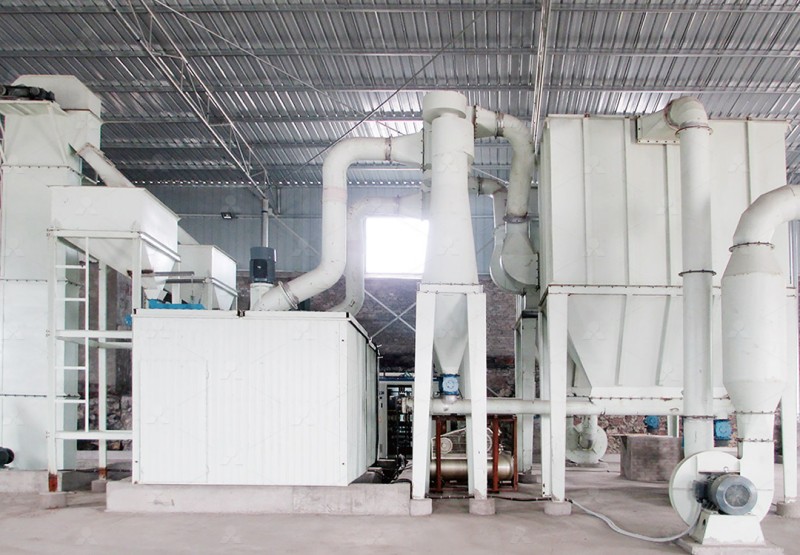
For operations requiring ultra-fine slag powder or those processing a variety of materials, the MW Ultrafine Grinding Mill presents a formidable solution. This machine is designed for customers who need to make ultra-fine powder with exceptional efficiency. It accepts a feed size of 0-20 mm and offers a capacity range of 0.5-25 tph, making it versatile for different project scales. A key advantage for slag processing is its innovative design with no rolling bearings or screws in the grinding chamber, eliminating worries about damage from abrasive particles. Its efficient pulse dust collector and muffler ensure the production process meets strict environmental standards, a critical factor for any facility in Kazakhstan.
Why Partner with a Full-Solution Provider?
In a market like Kazakhstan, buying a mill is not just a transaction; it’s establishing a long-term partnership. The challenges of installation, maintenance, and spare parts supply are magnified. Therefore, sourcing from a manufacturer with a proven track record, comprehensive technical support, and a commitment to after-sales service is non-negotiable. A reliable provider will not only supply the equipment but also offer plant layout design, installation guidance, operator training, and a guaranteed supply of original spare parts to ensure worry-free operation for years to come.
Companies that control the entire production process, from casting and machining to assembly and testing, can guarantee higher precision and quality consistency. Look for providers with extensive numerical control (CNC) machining capabilities for core parts, as this directly impacts the mill’s longevity and performance when processing abrasive slag.
Making the Informed Investment for Kazakh Growth
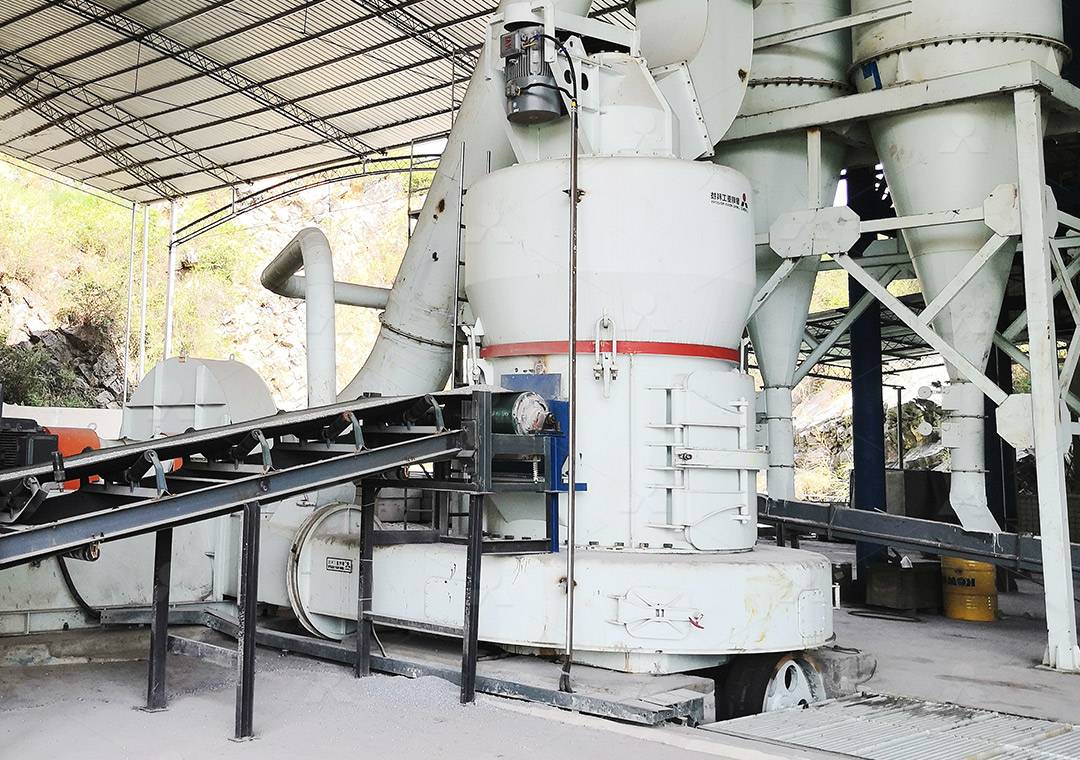
For Kazakh enterprises aiming to produce slag cement additive, the decision should be driven by total cost of ownership, not just the initial purchase price. A more technologically advanced mill, such as the MW Ultrafine Grinding Mill or a dedicated LM Vertical Slag Mill, may have a higher upfront cost but delivers rapid ROI through drastically lower energy consumption, higher yield, minimal downtime, and compliance with environmental norms. These mills are investments in sustainable, future-proof production.
Prospective buyers should engage directly with manufacturers or their authorized distributors in the region. Request detailed product specifications, case studies from similar applications, and a clear outline of the support package. Visiting a working installation, if possible, provides invaluable insight. The goal is to secure a grinding solution that transforms slag from a steel industry by-product into a high-value, green cement additive, fueling the next phase of Kazakhstan’s construction boom.
Frequently Asked Questions (FAQs)
- What is the typical fineness range achievable for slag used in cement additive?
For use as a cement additive, ground slag typically aims for a fineness of 400-550 m²/kg (Blaine). Modern mills like the MW series can easily adjust fineness between 325-2500 meshes, offering precise control over the final product’s reactivity. - Can the mill handle moist slag directly from the steel plant?
Vertical Roller Mills like the LM Vertical Slag Mill are specifically designed with integrated drying capabilities, allowing them to process slag with certain moisture content directly, eliminating the need for a separate drying step. - How significant are the energy savings with newer mill designs?
Savings are substantial. Advanced vertical mills and ultra-fine grinders can reduce energy consumption by 30% to 50% compared to traditional ball mills or older Raymond mill systems, which is a major operational cost advantage. - What kind of after-sales support should I expect for a mill in Kazakhstan?
You should expect comprehensive support including installation supervision, commissioning, operator training, readily available original spare parts, and remote/on-site technical service to ensure minimal downtime. - Is dust control a major concern with slag grinding?
Yes, effective dust control is critical for environmental compliance and worker safety. Modern mills like the MW Ultrafine Grinding Mill come equipped with efficient pulse jet dust collectors as a standard feature, ensuring clean, spillage-free operation. - What is the expected lifespan of the grinding rollers and other wear parts when processing abrasive slag?
Lifespan varies based on material hardness and operating hours. However, mills designed for slag use wear-resistant alloys for key components. For example, the MW Mill’s design without internal bearings in the grinding chamber specifically protects against abrasive damage, extending service intervals. - How automated are these grinding systems?
Contemporary mills feature advanced PLC control systems, allowing for automated operation, remote monitoring, and precise control over grinding pressure, feed rate, and fineness, reducing manual intervention and improving consistency.