
Where to buy industrial pulverizer for gypsum for decorative sculpting in india
Where to Buy Industrial Pulverizer for Gypsum for Decorative Sculpting in India
For artists, sculptors, and manufacturers in India’s burgeoning decorative arts and crafts industry, achieving the perfect gypsum powder is paramount. The texture, fineness, and consistency of gypsum powder directly influence the workability, detail, and final finish of sculptures, architectural moldings, and decorative elements. While small-scale hobbyists might manage with basic tools, professional studios and production facilities require industrial-grade pulverizers to ensure quality, efficiency, and scalability. This guide explores the critical considerations for sourcing the right gypsum grinding mill in India and highlights a premier solution for ultra-fine powder production.
The Importance of Powder Quality in Decorative Sculpting
Gypsum, or calcium sulfate dihydrate, is a favored material for sculpting due to its ease of use, quick setting time, and ability to capture intricate details. However, its performance is intrinsically linked to particle size. Coarse, irregular powder leads to weak casts, poor surface definition, and increased water demand, which can cause cracking. For high-end decorative work, a consistently ultra-fine powder (often targeting 800 meshes and finer) is essential. It results in smoother slurries, stronger final products, and the ability to reproduce the most delicate features of a mold.
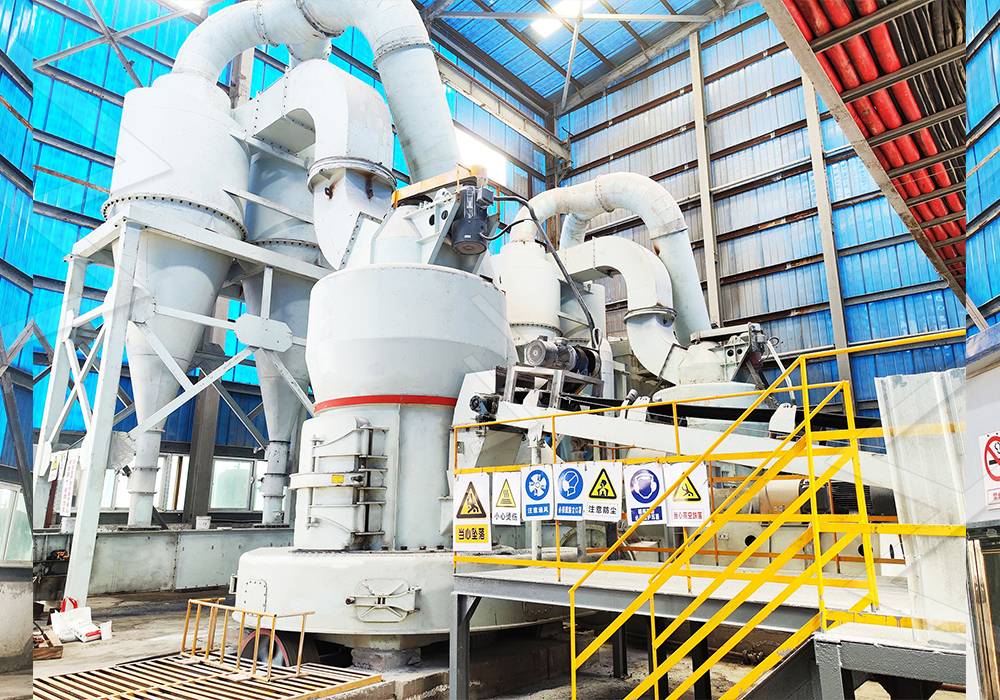
An industrial pulverizer transforms raw gypsum ore or lumps into this controlled, fine powder. The choice of mill affects not just the powder quality but also operational costs, environmental footprint, and production capacity.
Key Considerations When Choosing a Gypsum Pulverizer
Navigating the Indian market for grinding equipment requires a focus on several technical and practical aspects:
- Fineness Range & Control: The mill must offer adjustable fineness, typically between 325-2500 meshes, to cater to different project requirements, from basic molds to ultra-fine art pieces.
- Production Capacity: Match the machine’s throughput (e.g., 0.5-25 TPH) with your studio or factory’s demand to avoid bottlenecks or underutilization.
- Energy Efficiency: Grinding can be energy-intensive. Modern mills with optimized grinding curves and efficient classifiers can reduce power consumption by 30-50% compared to older technologies like ball mills or Raymond mills.
- Environmental & Operational Cleanliness: Dust control is non-negotiable for a safe and clean workspace. Look for integrated pulse dust collectors and silencers to ensure compliance with environmental standards and protect worker health.
- System Reliability & Maintenance: Downtime is costly. Designs that simplify maintenance—such as external lubrication systems, reversible rollers, and the absence of internal screws and bearings in the grinding chamber—maximize uptime.
- After-Sales Support: Ensure the supplier provides genuine spare parts, technical services, and local support for worry-free long-term operation.
Leading Technology for Ultra-Fine Gypsum Powder: The MW Ultrafine Grinding Mill
For studios and enterprises demanding the highest quality powder for decorative sculpting, the MW Ultrafine Grinding Mill represents a technological leap forward. Specifically engineered for producing ultra-fine powder, it addresses all the critical needs of the modern craftsman and industrial user.

With an input size of 0-20 mm and a capacity range of 0.5-25 tph, it is versatile for various scales of operation. Its core advantage lies in its ability to produce powder with a fineness adjustable between 325 and an impressive 2500 meshes, with a screening rate achieving d97≤5μm in a single pass. This is made possible by a German-technology-inspired cage-type powder selector, ensuring the precise classification needed for flawless sculpting gypsum.
Operationally, the MW Mill is designed for resilience and ease. A significant feature is the absence of rolling bearings and screws in the grinding chamber, eliminating common failure points and concerns about loose parts causing damage. Lubrication can be performed externally without shutdown, supporting continuous 24/7 production cycles—a crucial factor for meeting large project deadlines.
Why the MW Mill Excels for Artistic and Decorative Applications
- Superior Product Quality: The advanced grinding mechanism yields a uniform, ultra-fine powder that enhances the strength, whiteness, and smoothness of cast gypsum, perfect for detailed sculpting.
- Higher Yield, Lower Energy Use: Its newly designed grinding curves make it 40% more productive than jet mills and twice as efficient as ball mills for the same fineness, while cutting system energy consumption by 30%.
- Eco-Friendly Operation: The integrated efficient pulse dust collector ensures a dust-free workshop, while silencers minimize noise pollution, creating a better working environment and ensuring compliance.
- Built for Precision and Support: Manufactured using digitalized CNC processes for high precision, it is backed by a comprehensive supply of original spare parts and technical support from LIMING, guaranteeing worry-free operation.
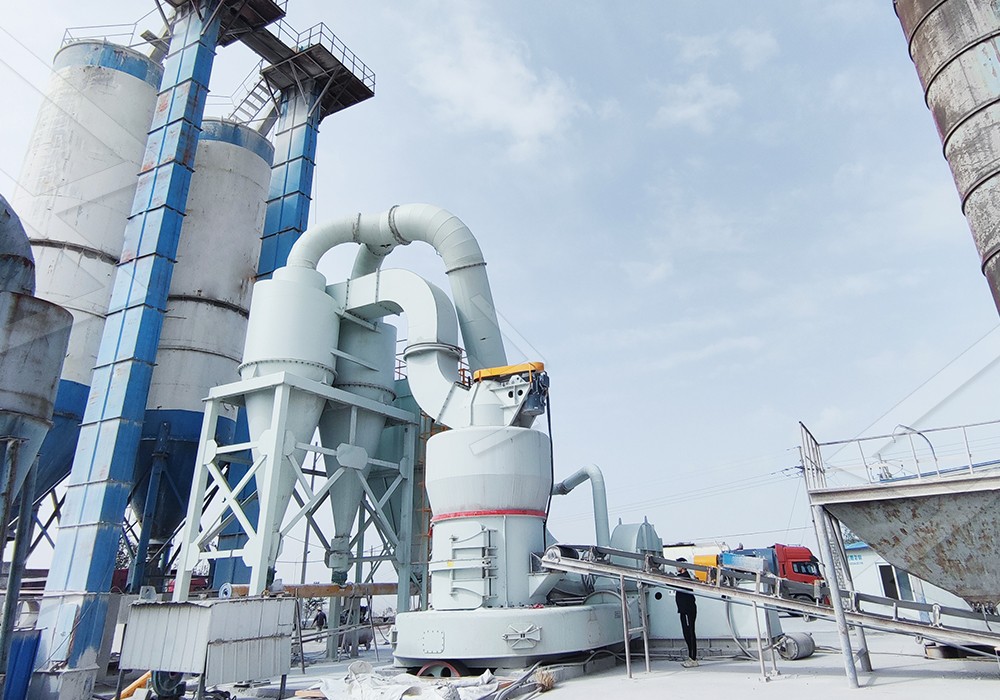
For larger volume operations that also require exceptional fineness with integrated drying, the LUM Ultrafine Vertical Grinding Mill is another formidable choice. With a capacity of 5-18 tph and input size of 0-10mm, it incorporates the latest grinding roller and powder separating technology. Its unique roller shell design promotes easier material layer formation and high once-through powder milling rates, improving efficiency and the whiteness of the final product. Features like double position-limiting technology ensure stability, while its reversible structure allows for easier maintenance of heavy grinding rollers.
Sourcing Your Industrial Pulverizer in India
The Indian market offers various channels, from direct imports to local distributors of international brands. When investing in equipment as critical as a gypsum pulverizer, prioritize suppliers with a proven track record, local service capabilities, and the ability to provide application-specific testing and recommendations. Look for manufacturers who understand the unique demands of the ceramics, arts, and construction materials sectors.
Partnering with a technology leader like LIMING, which offers the MW and LUM series mills, provides access to cutting-edge engineering, robust after-sales support, and machinery built to deliver the precise powder quality that elevates decorative sculpting from a craft to an art.
Frequently Asked Questions (FAQs)
- What is the typical fineness range needed for decorative gypsum sculpting?
While basic work may use 200-400 mesh powder, high-detail sculpting, mold-making, and fine casts typically require powder in the range of 800 to 1250 meshes or finer for optimal smoothness and strength. - Can the same mill handle different mineral powders for other artistic materials?
Yes, advanced mills like the MW Ultrafine Grinding Mill are versatile. They can effectively process calcite, dolomite, marble, talc, and barite, which are also used in various artistic and filler applications. - How significant is the dust control system in a gypsum mill?
It is critical. Efficient pulse dust collectors, like those on the MW Mill, are essential for maintaining a clean, safe workshop, protecting worker health, ensuring equipment longevity, and meeting environmental regulations. - What are the main advantages of a vertical grinding mill design for gypsum?
Vertical mills like the LUM series integrate grinding, drying, classifying, and conveying. They generally have a smaller footprint, higher energy efficiency, and lower noise levels compared to traditional horizontal ball mills. - Is it possible to test a mill with my specific gypsum material before purchase?
Reputable manufacturers and their major distributors often offer material testing services. This allows you to verify the final powder fineness, capacity, and system performance with your own gypsum sample. - How does the energy consumption of an ultrafine mill compare to a traditional Raymond mill?
Modern ultrafine mills with optimized designs, such as the MW Mill, can reduce system energy consumption by 30-50% compared to older generation Raymond mills while achieving much finer powder. - What maintenance is most frequently required for an industrial gypsum pulverizer?
Common maintenance involves inspecting and replacing wear parts like grinding rollers and rings, checking classifier blades, and ensuring the dust collection system’s filters are clean. Designs that allow external lubrication and easy roller access greatly simplify this.