
Where to buy industrial pulverizer for carbon black for plastic coloration in usa
Navigating the U.S. Market for Carbon Black Pulverization Solutions
The quest for the right industrial pulverizer to process carbon black for plastic coloration in the United States is a critical decision for manufacturers. Achieving the perfect, consistent jet-black hue or deep gray tone in plastics hinges on the ultrafine, uniform dispersion of carbon black pigment. This requires grinding equipment capable of delivering precise particle size distribution, high throughput, and operational reliability. The U.S. market offers a wide array of machinery, but selecting a partner that provides both advanced technology and comprehensive local support is paramount for long-term success.
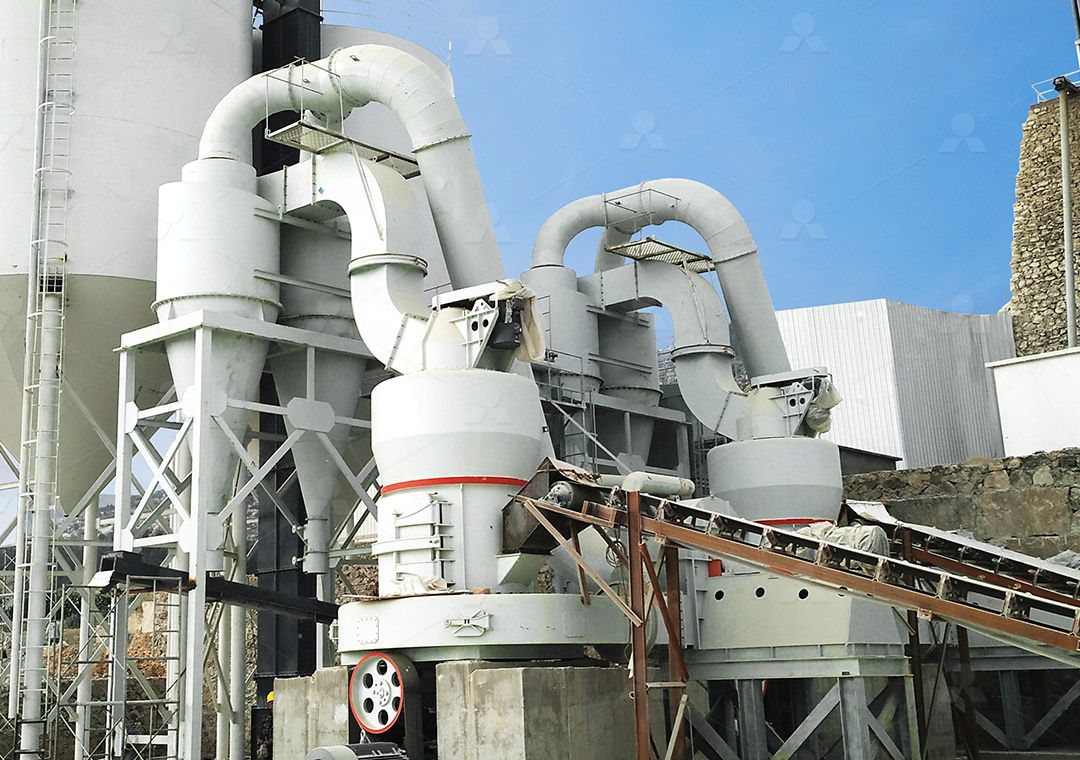
Key Considerations for Carbon Black Grinding in Plastics
Carbon black is notoriously abrasive and can be challenging to grind to the sub-micron levels often required for premium plastic masterbatches and compounds. When sourcing a pulverizer, several factors must be evaluated:
- Particle Size & Distribution: The fineness directly impacts color strength and dispersion. Equipment must offer adjustable and precise classification.
- Contamination Control: The grinding process must minimize iron contamination to preserve the purity and whiteness of the base polymer when creating grays.
- System Sealing & Environment: Carbon black is a fine powder that demands a completely sealed milling system with efficient dust collection to ensure a clean, safe, and environmentally compliant workplace.
- Energy Efficiency: Grinding to high fineness is energy-intensive. Modern mills with optimized grinding mechanics can significantly reduce operational costs.
- Service & Parts Support: Domestic availability of technical service and genuine spare parts is non-negotiable to minimize costly downtime.
Advanced Milling Technology for Superior Results
Moving beyond traditional ball mills or Raymond mills, contemporary ultrafine grinding technologies offer distinct advantages for carbon black processing. These systems integrate grinding, classifying, and conveying into a cohesive, automated unit, offering superior control over the final product’s properties.
For operations requiring exceptional fineness and purity, the MW Ultrafine Grinding Mill presents a compelling solution. Engineered for customers who need to make ultra-fine powder, this mill is particularly effective for materials like carbon black. It features a cage-type powder selector with German technology, allowing precise fineness adjustment between 325-2500 meshes, achieving a d97≤5μm in a single pass—ideal for high-grade plastic coloration. Its design eliminates rolling bearings and screws in the grinding chamber, virtually eliminating concerns about bearing damage or loose screws causing failures. Furthermore, its efficient pulse dust collector and muffler ensure the entire production process meets stringent environmental standards, a critical factor for U.S.-based plants.

Strategic Sourcing: Partnering with the Right Supplier
Purchasing an industrial pulverizer in the USA involves more than just a transaction; it’s establishing a partnership. Look for suppliers with a proven track record, preferably those with direct manufacturing expertise and a local presence for support. A supplier that handles both production and sales, like LIMING, takes direct responsibility for its machines. This model ensures access to original spare parts and dedicated technical services, guaranteeing worry-free operation. When evaluating suppliers, request detailed case studies or references specific to carbon black or pigment processing for plastics. A reputable partner will also offer test milling services to validate equipment performance with your specific material before purchase.
Beyond the Mill: System Integration and Support
The pulverizer is the heart of the system, but ancillary components—such as feeding systems, cyclone collectors, and packaging lines—must be seamlessly integrated. A full-service provider can design and supply this complete system, ensuring all components work in harmony for optimal efficiency. Additionally, inquire about training programs for your operators and maintenance staff. Comprehensive digital control systems, now standard in mills like the LUM Ultrafine Vertical Grinding Mill which features PLC control, require proper understanding to leverage their full potential for energy savings and consistent quality output.

Conclusion: Investing in Precision and Partnership
Selecting where to buy an industrial pulverizer for carbon black in the USA is a strategic investment in your product quality and operational efficiency. By prioritizing advanced technology that offers precise fineness control, low contamination, and environmental compliance—exemplified by solutions like the MW Ultrafine Grinding Mill—and by partnering with a supplier committed to after-sales support and system integration, plastic manufacturers can secure a reliable, high-performance foundation for their coloration processes. This approach not only meets today’s production demands but also builds resilience and competitiveness for the future.
Frequently Asked Questions (FAQs)
1. What is the typical fineness range needed for carbon black in plastic coloration?
For most high-quality plastic applications, carbon black is ground to a fineness between 400 and 2500 meshes (approximately 38 to 5 microns). Finer particles provide greater tinting strength and smoother dispersion within the polymer matrix.
2. How important is it to prevent iron contamination during grinding?
It is crucial. Iron contamination can cause off-color grays (yellowish or reddish undertones) and may catalyze polymer degradation during processing. Mills designed with non-contact grinding principles or special wear-resistant alloys are essential.
3. Can I test my carbon black sample with your mills before purchasing?
Yes, reputable suppliers typically offer customer sample testing services. This allows you to verify the final particle size distribution, output capacity, and energy consumption with your specific material, ensuring the selected mill meets your exact requirements.
4. What kind of after-sales support should I expect in the USA?
You should expect access to local or regional technical support engineers, a readily available inventory of genuine spare parts, detailed installation and operation manuals, and optional on-site training for your personnel. Remote diagnostic support is also a valuable feature.
5. Are your grinding systems compliant with U.S. environmental and safety regulations (e.g., OSHA, EPA)?
Industrial milling systems designed for the global market, particularly those with fully sealed negative-pressure operation and integrated high-efficiency pulse dust collectors like the MW Mill, are engineered to meet or exceed international environmental standards, providing a strong foundation for compliance with U.S. regulations.
6. What is the lead time for delivery and installation of a complete system?
Lead times vary based on system complexity and customization. Standard mill models may have shorter lead times, while fully customized, integrated systems require more detailed engineering. A reliable supplier will provide a clear project timeline upon finalizing specifications.
7. How does the energy consumption of an ultrafine mill compare to a traditional ball mill?
Modern ultrafine grinding mills are significantly more energy-efficient. For example, the MW Ultrafine Grinding Mill can achieve the same or higher output with a system energy consumption reported to be only about 30% of a jet mill and offers substantial savings compared to traditional ball milling systems.