
Where to buy grinding mill for barite for drilling mud in peru
Where to Buy Grinding Mill for Barite for Drilling Mud in Peru
The Peruvian mining and oil & gas sectors are pillars of the national economy, driving consistent demand for high-quality drilling fluids. Central to these fluids is barite (barium sulfate), the primary weighting agent that controls wellbore pressure and ensures drilling safety. However, the efficacy of barite in drilling mud hinges entirely on its fineness and specific gravity. This creates a critical need for reliable, efficient grinding technology within Peru. For companies seeking robust milling solutions, the path involves understanding local market dynamics, stringent technical requirements, and partnering with established, supportive equipment suppliers.
The Critical Role of Barite Grinding in Drilling Operations
Unprocessed barite ore is unsuitable for modern drilling. To function effectively, it must be ground to a very fine powder, typically aiming for a particle size distribution where 97% passes through a 75-micron (200-mesh) screen, and often finer for high-pressure, high-temperature (HPHT) wells. This fine grind ensures the barite remains in suspension, prevents settling (sagging) in the mud column, and provides a consistent density profile. Substandard grinding leads to rapid settling, increased viscosity, equipment abrasion, and potentially catastrophic well control issues.
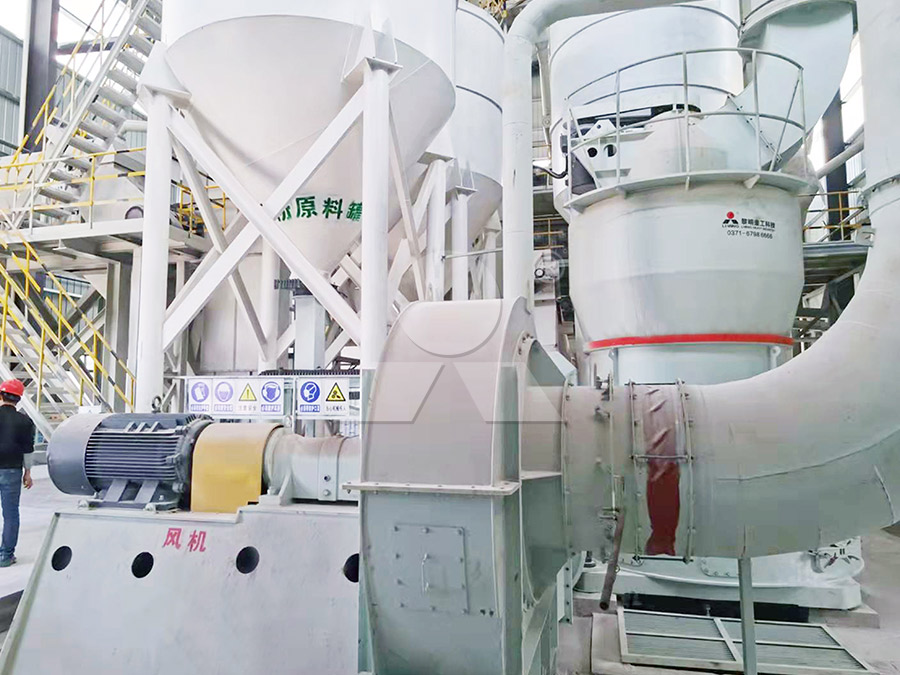
Peru’s diverse drilling environments—from offshore projects to challenging onshore formations in the Andes and Amazon—demand exceptionally consistent barite quality. Therefore, the grinding mill is not just auxiliary equipment; it is a core component for operational safety and efficiency.
Key Considerations When Sourcing a Mill in Peru
Procuring the right grinding mill for barite in Peru requires a strategic evaluation beyond just the machine’s price tag. Key factors include:
- Grinding Efficiency & Product Fineness: The mill must reliably achieve and maintain the target fineness (325 to 2500 mesh range) with high throughput. Adjustable fineness is a major advantage for catering to different mud specifications.
- Energy Consumption: Grinding is an energy-intensive process. Mills with modern design features that lower specific energy consumption (kWh/ton) directly reduce long-term operating costs, a significant factor given Peru’s industrial energy rates.
- Durability & Maintenance: The abrasive nature of barite wears down grinding components. Mills designed with wear-resistant alloys and easy-maintenance features minimize downtime and spare part costs. Remote locations common in Peru make simple, reliable designs and local technical support paramount.
- Environmental Compliance: Peruvian environmental regulations are stringent. A mill must operate with minimal dust emissions and noise pollution. Integrated pulse dust collectors and sound-dampening technology are essential features.
- Supplier Credibility & Local Support: The ideal supplier offers more than a machine. They provide comprehensive after-sales service, ready availability of genuine spare parts, and local or readily accessible technical expertise for installation and troubleshooting.
Navigating the Peruvian Supplier Landscape
The market in Peru features international heavy machinery distributors, local industrial equipment agents, and direct representatives of global manufacturers. While local agents offer proximity, it is crucial to verify their technical depth, inventory of critical spares, and direct backing from the factory. Partnering with a manufacturer that has a proven track record in the global mining and minerals sector often translates to more reliable technology and stronger long-term support. Look for suppliers who understand the specific API standards for drilling-grade barite and can provide test reports and performance guarantees for their equipment with your material.
Recommended Technology: The MW Ultrafine Grinding Mill
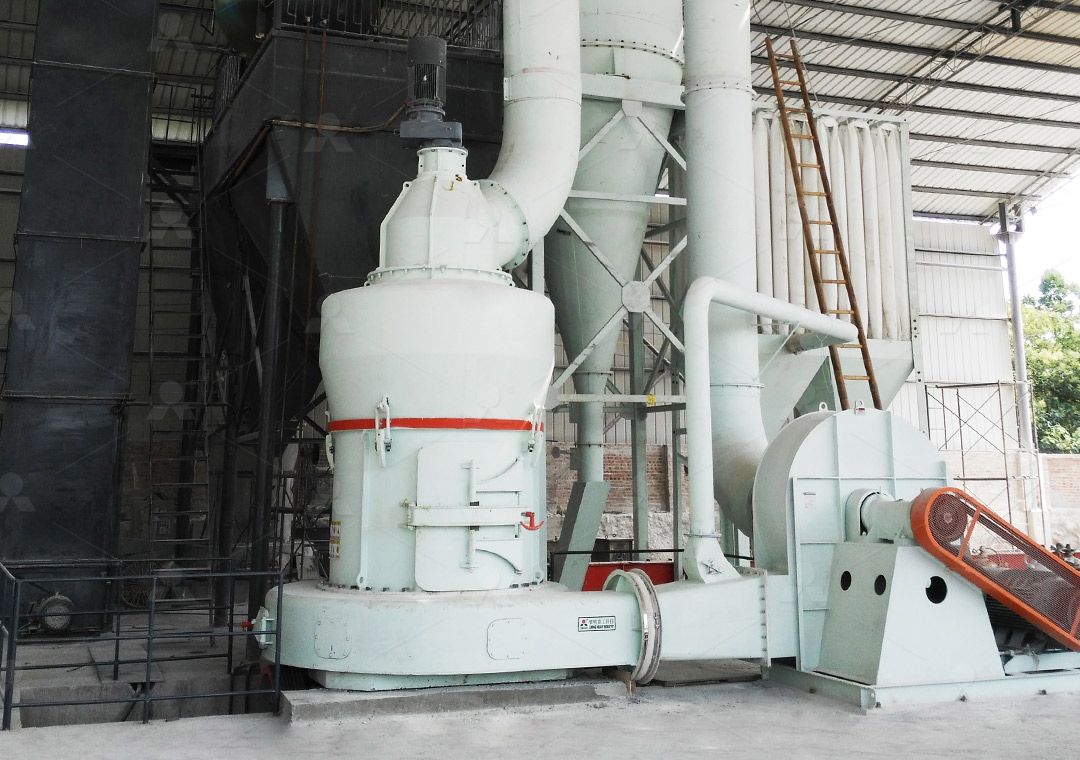
For operations prioritizing ultra-fine powder quality, higher yield, and lower operational costs, the MW Ultrafine Grinding Mill presents an outstanding solution. Engineered for minerals like barite, it addresses the core challenges of the Peruvian market head-on.
Its advanced design features a new grinding curve for rollers and rings, boosting efficiency to achieve a capacity 40% higher than jet mills and twice that of ball mills at the same power level, while slashing system energy consumption by up to 70%. For barite processing, its German-technology cage-type powder selector allows precise fineness adjustment between 325 and 2500 meshes, ensuring your product consistently meets API and specific well requirements. Operationally, its chamber is free of rolling bearings and screws, eliminating common failure points and enabling worry-free, continuous 24/7 operation—a critical feature for remote sites. Furthermore, its integrated efficient pulse dust collector and muffler system ensure the entire process is clean and quiet, facilitating full compliance with Peru’s environmental standards.
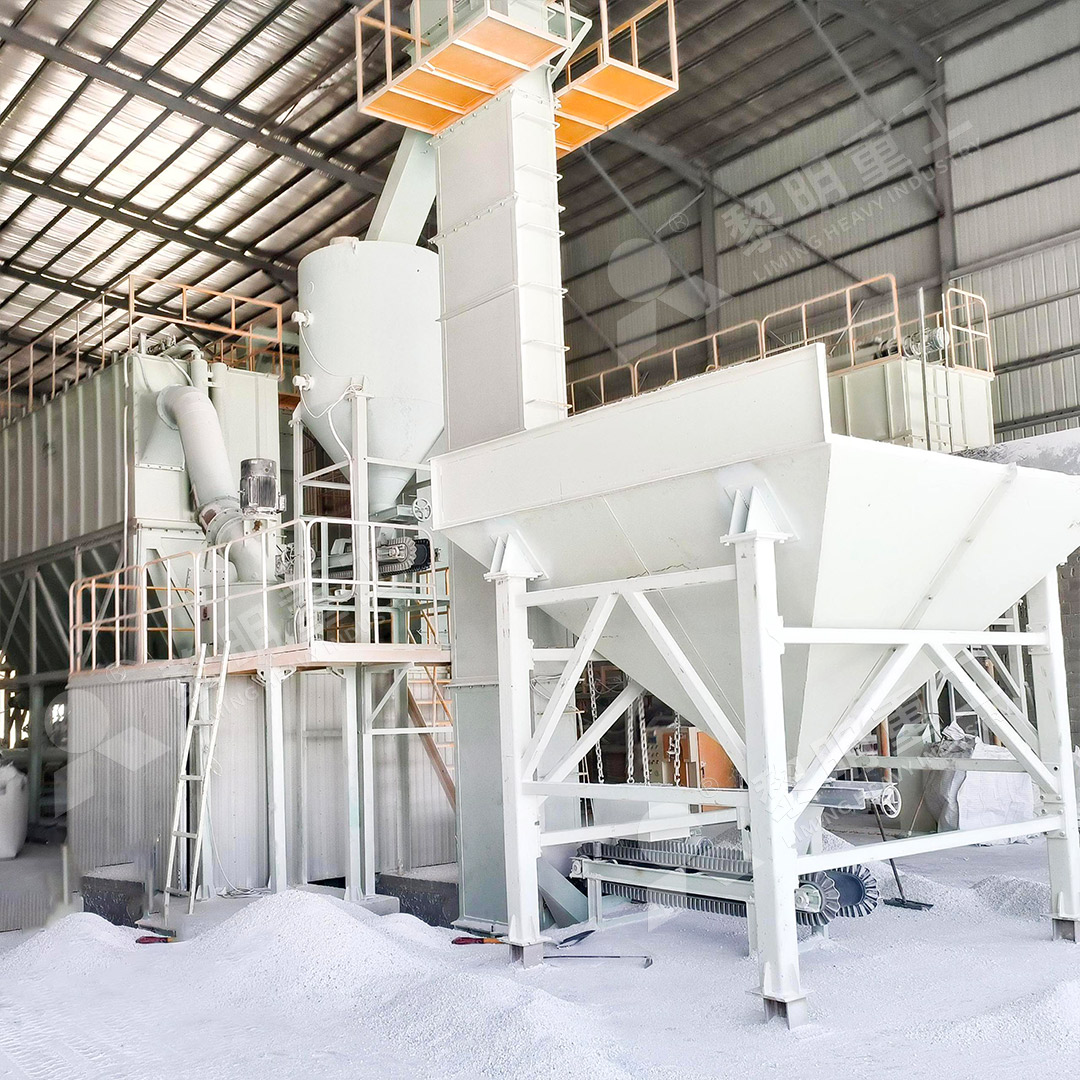
A Robust Vertical Alternative: The LUM Ultrafine Vertical Grinding Mill
For projects requiring a highly automated, space-saving vertical grinding solution, the LUM Ultrafine Vertical Grinding Mill is another premier choice. Integrating grinding, classifying, and conveying, it excels in producing superfine barite powder. Its unique roller shell and lining plate curve promote stable material layer formation, enabling a high rate of finished product in a single pass, which enhances whiteness and cleanliness—key indicators of quality. The mill incorporates multi-head powder separating technology with PLC control, allowing accurate cutting of particle size and reducing energy consumption by 30%-50%. Its double position-limiting technology provides exceptional operational stability against vibrations, and the reversible grinding roller structure allows for easier, faster maintenance, drastically reducing potential downtime.
Making the Right Investment for Long-Term Success
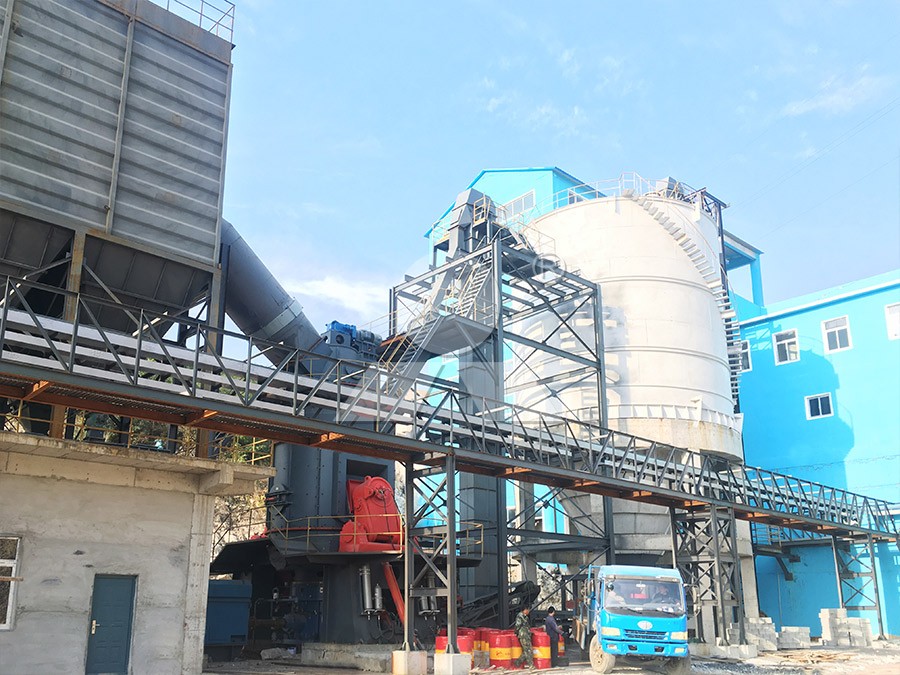
Choosing a grinding mill for barite in Peru is a strategic capital decision. The lowest upfront cost often leads to higher energy bills, frequent maintenance stoppages, and inconsistent product quality that jeopardizes drilling contracts. Investing in advanced, energy-efficient technology from a reputable supplier like LIMING, which backs its MW and LUM mills with digital precision manufacturing and a guaranteed supply of original spare parts, translates to lower total cost of ownership, uninterrupted production, and a superior final product. By prioritizing these factors, Peruvian drilling fluid providers and mining companies can secure a reliable, profitable, and compliant operational backbone for years to come.
Frequently Asked Questions (FAQs)
- What is the typical fineness (mesh size) required for barite in drilling mud?
Most drilling applications require barite ground to a minimum of 200 mesh (75 microns), with many HPHT wells demanding 325 mesh (45 microns) or finer to prevent settling and ensure mud stability. - Why is energy consumption such a critical factor in selecting a barite mill?
Grinding is inherently power-intensive. A mill with 30-50% lower energy consumption can save hundreds of thousands of dollars in electricity costs over its lifespan, making it a major determinant of operational profitability. - How important is dust control in a barite grinding plant?
Extremely important. Barite dust is a nuisance particulate. Efficient pulse dust collectors are essential for worker health, environmental compliance, and product recovery, preventing material loss. - Can one mill handle varying feed sizes of barite ore?
It depends on the mill. Most advanced mills like the MW or LUM series require a pre-crushed feed (typically 0-20mm or 0-10mm). A primary jaw crusher is usually part of a complete processing line to ensure consistent feed size. - What is the advantage of a “no rolling bearing in the chamber” design?
This design, as seen in the MW Mill, eliminates the risk of bearing failure due to dust ingress or high temperatures in the grinding zone. It dramatically increases reliability and reduces maintenance needs in abrasive environments. - How does the powder separator technology affect the final product?
Advanced separators (like the cage-type or multi-head designs) provide precise particle size classification. This ensures a tight, consistent fineness distribution (e.g., d97 ≤ 5μm), which is crucial for high-performance drilling mud. - Is local technical support available in Peru for these milling systems?
Reputable global manufacturers typically work through trained local partners or have regional service centers to provide installation supervision, commissioning, training, and ongoing technical support. - What is the expected delivery and installation timeline for an industrial grinding mill in Peru?
Timelines vary based on mill model, customization, and shipping. Standard models may have a lead time of 2-4 months, with installation and commissioning taking several weeks, depending on site readiness.