
Where to buy grinding machine for limestone for cement production in pakistan
Navigating the Pakistani Cement Industry’s Demand for Efficient Limestone Grinding
The cement industry in Pakistan is a cornerstone of the nation’s infrastructure development and economic growth. With numerous projects underway and a constant demand for high-quality cement, the efficiency of raw material processing, particularly limestone grinding, is paramount. Selecting the right grinding equipment is not merely a purchase; it’s a strategic investment that impacts production costs, product quality, and environmental compliance. For plant managers and procurement specialists across Punjab, Sindh, and Khyber Pakhtunkhwa, the quest for reliable, high-yield, and energy-efficient grinding machinery is a continuous priority.
Key Considerations for Limestone Grinding in Cement Production
Before exploring suppliers, it’s crucial to define your technical and operational requirements. Limestone for cement production requires fine grinding to achieve the necessary specific surface area for clinker reactions. Key factors include:
- Required Fineness: Typically ranging from 200 to 325 mesh for raw meal preparation.
- Capacity (TPH): Must align with your plant’s overall production line output.
- Energy Consumption: A major operational cost; lower kWh/ton is a critical metric.
- System Footprint: Space constraints in existing plants are a common challenge.
- Dust & Noise Control: Adherence to national and local environmental regulations is non-negotiable.
- After-Sales & Spare Parts: Local technical support and parts availability prevent costly downtime.
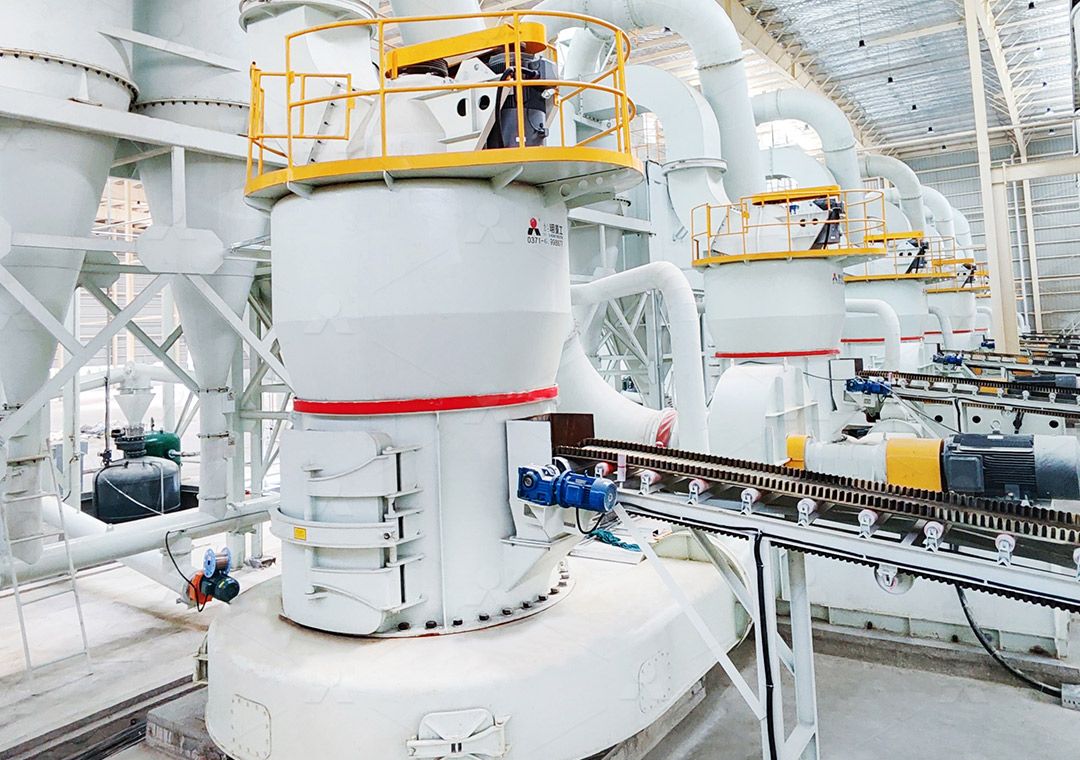
The Supplier Landscape: Local Agents vs. Direct Manufacturers
In Pakistan, buyers typically navigate two primary channels: local machinery dealers/agents and direct engagement with international manufacturers. Local agents offer the advantage of geographical proximity, potential for quicker delivery of standard models, and in-country service personnel. However, their expertise and spare parts inventory for specialized, high-tech grinding mills can be limited.
Engaging directly with a reputed international manufacturer often provides access to the latest technology, customized engineering solutions for your specific limestone characteristics, and comprehensive global support networks. The key is to identify manufacturers with a proven track record in the cement industry and a commitment to the Pakistani market through established partnerships or regional offices.
Spotlight on Advanced Grinding Technology: The LIMING MW Series
In the search for technology that balances high output with operational economy, one solution stands out for processing limestone into ultra-fine powder for modern cement production: the MW Ultrafine Grinding Mill. This equipment is engineered for customers who need to make precisely controlled ultra-fine powder while prioritizing environmental stewardship.
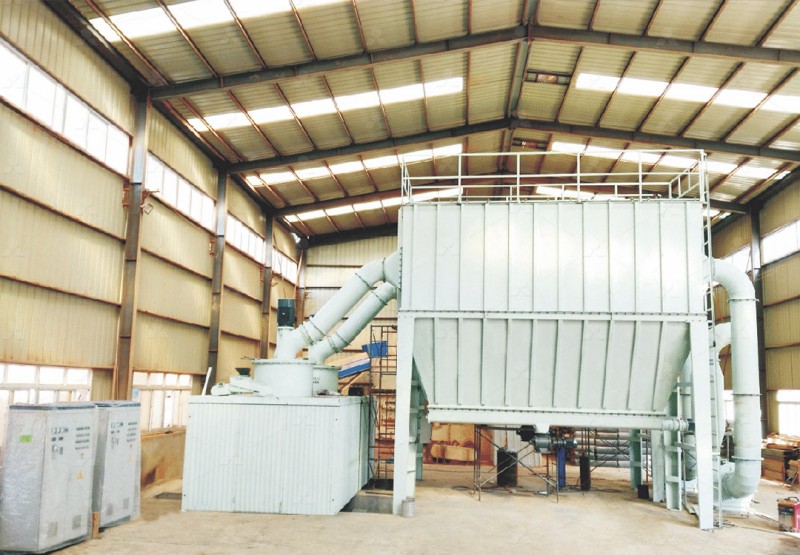
Why does the MW Mill merit serious consideration for Pakistani cement plants? Its design directly addresses regional industry pain points:
- Higher Yielding, Lower Energy Consumption: Its newly designed grinding curves enhance efficiency, offering production capacity up to 40% higher than jet or stirred mills at the same power. For energy-conscious operations, this translates to significantly lower cost per ton.
- Adjustable Fineness (325-2500 mesh): The German-technology, cage-type powder selector allows precise control over product fineness, ensuring optimal raw meal quality for clinker production.
- Robust and Low-Maintenance Design: With no rolling bearings or screws in the grinding chamber, concerns about bearing damage or loose screws causing failures are eliminated. External lubrication allows for 24/7 continuous operation.
- Eco-Friendly Operation: Equipped with an efficient pulse dust collector and muffler, the entire milling system operates with minimal dust pollution and reduced noise, aligning with stringent environmental standards.
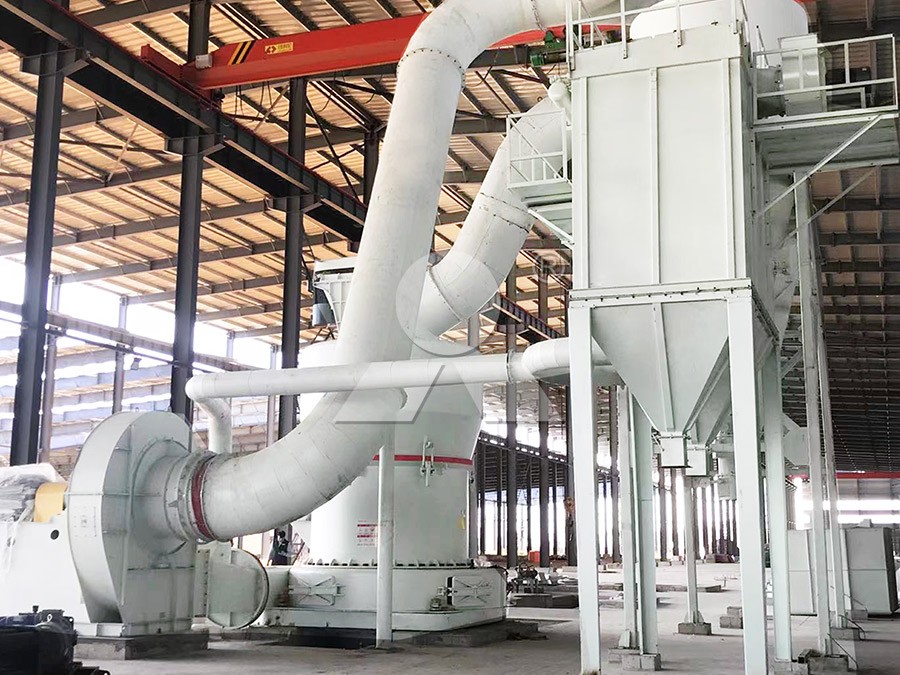
For larger-scale raw material preparation, the LM Vertical Grinding Mill is another formidable option. It integrates crushing, drying, grinding, classifying, and conveying, reducing its footprint by 50% compared to a traditional ball mill while saving 30%-40% in energy. Its short material lingering time reduces over-grinding and ensures low iron content in the product, a critical factor for cement quality.
Making the Informed Purchase Decision
When preparing to procure a grinding machine in Pakistan, due diligence is essential. Request detailed quotations that include not just the mill price, but also costs for auxiliary equipment, installation, commissioning, and training. Insist on seeing performance data from installations processing similar limestone. Verify the supplier’s ability to provide original spare parts—a critical factor where the MW Ultrafine Grinding Mill benefits from LIMING’s direct responsibility for production and sales, ensuring a sufficient supply of genuine parts for worry-free operation.
Finally, consider the total cost of ownership. A mill with a slightly higher initial price but vastly superior energy efficiency, like the MW or LM series, will offer a far better return on investment over its lifespan through reduced power bills and higher, consistent output. Partner with a supplier that views your purchase as the start of a long-term technical collaboration, not just a transaction.
Frequently Asked Questions (FAQs)
- What is the typical lead time for importing a grinding mill like the MW series to Pakistan?
Lead times vary but generally range from 3 to 6 months from order confirmation, depending on model customization, production schedule, and shipping logistics. Your supplier should provide a detailed timeline. - Can these mills handle the specific moisture content found in Pakistani limestone?
Yes. Mills like the LM Vertical Grinding Mill integrate drying functionality. For the MW Mill, if raw material moisture is high, a pre-drying system may be recommended as part of the complete plant design. - How does the energy consumption of the MW Ultrafine Mill compare to a traditional ball mill for the same output?
The MW Mill system energy consumption can be as low as 30% of some alternative systems. Compared to a ball mill, it offers significantly higher yield for the same power input, drastically reducing energy cost per ton. - Is local technical support available for installation and maintenance?
Reputable manufacturers work with trained local partners or have regional engineers. Ensure your contract includes clear terms for supervision of installation, commissioning, and operator training. - What fineness range is suitable for raw limestone grinding in cement?
For raw meal preparation, a fineness of 80-90% passing 200 mesh (74 microns) is common. The adjustable selector on the MW Mill (325-2500 mesh) provides ample flexibility to achieve and optimize this target. - Are spare parts like grinding rollers and rings readily available in the region?
This is a key question. Suppliers with a strong commitment to the market, like LIMING, maintain strategic spare parts inventories. Confirm the availability and delivery promise for critical wear parts. - What are the major operational cost components for running such a mill?
The primary costs are electrical power (the largest share), wear parts consumption (rollers, rings), routine maintenance, and any consumables like lubricants.