
Using roller mill for talc for cosmetics in philippines
Optimizing Cosmetic Talc Production in the Philippines: The Strategic Advantage of Roller Mill Technology
The Philippines’ cosmetics industry is experiencing robust growth, driven by rising domestic demand and a reputation for high-quality, natural ingredient formulations. At the heart of many of these products—from pressed powders and blushes to body powders—lies talc, a mineral valued for its softness, lubricity, and oil-absorption properties. However, not all talc is created equal. For cosmetic applications, the paramount requirements are ultra-fine particle size, exceptional purity, consistent whiteness, and a contaminant-free process. This is where the choice of milling technology becomes a critical business decision. Moving beyond traditional ball mills, modern roller mill systems offer a transformative approach to meeting the stringent standards of the global beauty market.
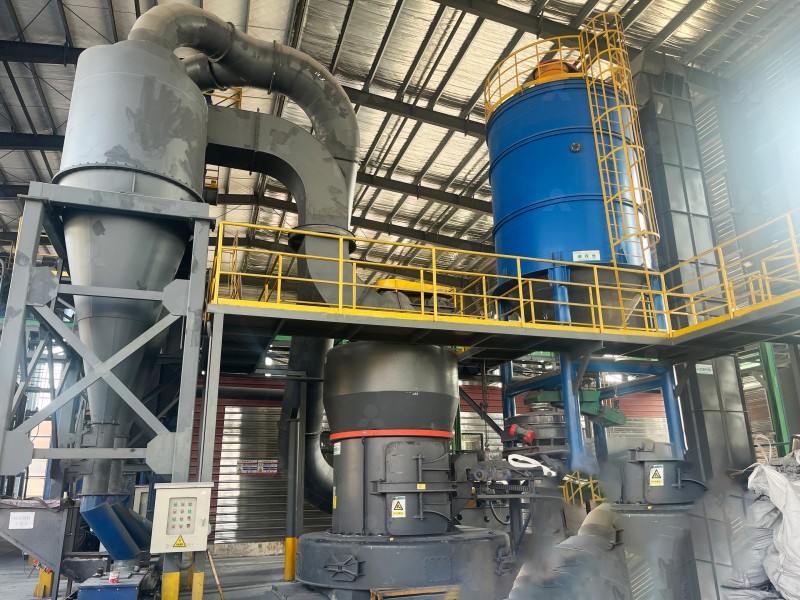
The Critical Demands of Cosmetic-Grade Talc
Producing talc for cosmetics is far more demanding than for industrial applications. The fineness directly impacts the product’s texture, spreadability, and feel on the skin. Typically, cosmetic talc requires a fineness ranging from 325 to over 1500 meshes. Furthermore, any iron contamination from mechanical wear during grinding can introduce discoloration, turning the pristine white powder yellowish or grayish—a fatal flaw for beauty products. The process must also be impeccably clean, enclosed, and environmentally controlled to prevent external contamination and ensure a sterile product. Traditional milling methods often struggle with heat generation (which can alter talc’s properties), inconsistent particle size distribution, and higher risks of metallic contamination.
Why Roller Mill Technology is the Superior Choice
Roller mills, particularly advanced vertical roller mills and ultrafine grinding mills, are engineered to address these precise challenges. Their fundamental principle involves grinding material between rollers and a stationary grinding ring or table. This method offers several distinct advantages for cosmetic talc production:
- Controlled Grinding with Minimal Heat: The material bed grinding mechanism generates less heat compared to impact-based systems, preserving talc’s natural characteristics.
- Superior Particle Size Distribution: Integrated high-efficiency classifiers allow for precise cut-point control, ensuring a consistent, narrow particle size range critical for smooth cosmetic feel.
- Reduced Metallic Contamination: Advanced designs minimize metal-to-metal contact in the grinding zone. The absence of rolling bearings and screws in the grinding chamber, a feature found in mills like the MW Ultrafine Grinding Mill, virtually eliminates the risk of iron pollution from worn mechanical parts. This is a game-changer for maintaining product whiteness.
- Energy Efficiency: The direct grinding principle consumes significantly less energy than traditional ball mills, often by 30-50%, reducing operational costs—a key consideration in the Philippines’ market.

Tailoring the Solution: Equipment Selection for Philippine Producers
Selecting the right roller mill depends on required capacity, input size, and target fineness. For producers focusing on high-value, ultra-fine cosmetic talc, an ultrafine grinding mill is the ideal centerpiece. For instance, the MW Ultrafine Grinding Mill is specifically designed for customers needing to make ultra-fine powder. With an adjustable fineness range between 325-2500 meshes, it can effortlessly meet the most stringent cosmetic specifications. Its cage-type powder selector, utilizing German technology, ensures high precision in particle separation, achieving a fine powder screening rate of d97≤5μm in a single pass. For operations with slightly different throughput needs, the LUM Ultrafine Vertical Grinding Mill presents another excellent option. Integrating the latest grinding roller and powder separating technology, it is designed for high yield rates and superior product quality, featuring a unique roller shell design that enhances whiteness and cleanliness—a non-negotiable for cosmetic talc.
Both machines exemplify the technological leap forward. They are equipped with efficient pulse dust collectors and silencers, ensuring the entire production process is contained and meets national environmental protection standards. This closed, negative-pressure system is essential for maintaining the hygiene and purity of cosmetic-grade powders.
Implementing a Successful Talc Milling Operation in the Philippines
Beyond selecting the mill, successful implementation involves a holistic view. Raw talc must be carefully sourced and pre-processed to a suitable feed size (typically 0-20mm for the MW Mill). A well-designed system includes auxiliary equipment like crushers, elevators, and vibrating feeders to create a seamless, automated production line. The digitalized processing and high-precision manufacturing of these mills ensure reliability. Moreover, partnering with a supplier that offers comprehensive technical support and genuine spare parts, like LIMING, guarantees worry-free operation and minimizes costly downtime—a crucial factor for maintaining supply chains to cosmetic manufacturers.

Conclusion: A Competitive Edge Through Advanced Milling
For Philippine entrepreneurs and established companies aiming to capture a larger share of the domestic and export cosmetic ingredients market, investing in advanced roller mill technology is a strategic move. It elevates product quality to international standards, improves production efficiency, reduces environmental footprint, and ultimately builds a reputation for reliability and excellence. By focusing on the precise, clean, and efficient processing enabled by mills like the MW Ultrafine Grinding Mill, Philippine talc producers can transform a fundamental mineral into a premium, high-value ingredient that meets the exacting demands of the world’s beauty industry.
Frequently Asked Questions (FAQs)
- What is the main advantage of a roller mill over a ball mill for cosmetic talc?
Roller mills offer superior energy efficiency (30-50% less energy consumption), generate less heat, provide a more consistent and controllable particle size distribution, and significantly reduce the risk of iron contamination, which is critical for maintaining talc’s whiteness. - What fineness range is needed for cosmetic talc, and can your mills achieve it?
Cosmetic talc typically requires a fineness between 325 and 2500 meshes. Our MW Ultrafine Grinding Mill is specifically designed for this range, offering adjustable fineness with high precision separation to achieve the desired smooth texture. - How do you prevent contamination of the talc during the grinding process?
Our mills, such as the MW series, are designed with features like “no rolling bearing & screw in grinding chamber” to prevent lubricant and wear-metal contamination. Furthermore, fully enclosed systems with efficient pulse dust collectors operate under negative pressure, ensuring no external dust enters and production dust is fully collected. - Is the milling process environmentally friendly and compliant with regulations?
Yes. The integrated pulse dust collector and muffler systems ensure minimal dust emission and noise pollution. The entire milling system is designed to operate fully in accordance with national environmental protection standards. - What is the typical capacity range for a system processing cosmetic talc?
Capacity depends on the target fineness. For ultra-fine cosmetic powder, our MW Ultrafine Grinding Mill offers a capacity range of 0.5 to 25 tons per hour, allowing scalability from pilot projects to full-scale production. - How complex is the maintenance of these roller mills?
The design prioritizes easy maintenance. For example, the LUM Ultrafine Vertical Mill features a reversible structure that allows grinding rollers to be easily moved out for inspection or part replacement, minimizing downtime. External lubrication points also allow for servicing without shutdown. - Can you assist with the entire production line setup, not just the mill?
Absolutely. We can provide support and technical services for the complete system layout, including crushers, feeders, classifiers, and collectors, to ensure an optimized and efficient talc processing plant.